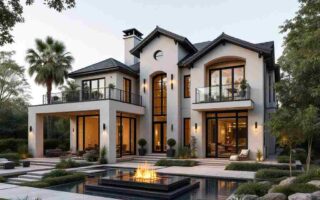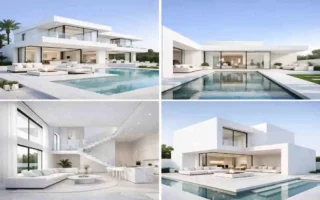
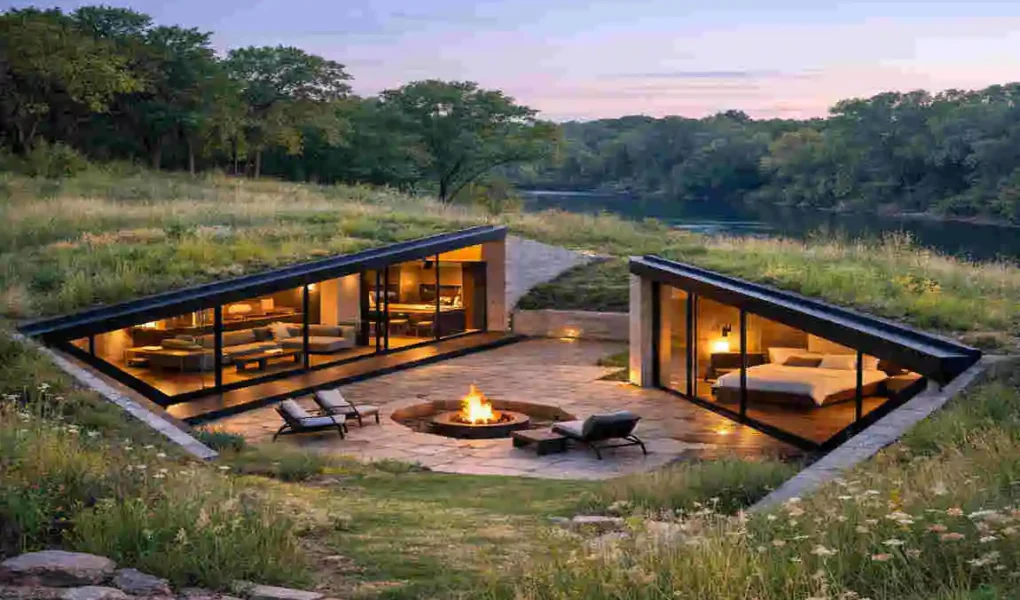
An edgeland house sits where built life meets open land. It may be on the edge of a suburb, beside farmland, near scrub, or close to woodland. That in-between setting is exactly what makes it special.
An edgeland house is not just a home in a different place. It is a home shaped by its site. The land, view, wind, light, plants, and access all affect how the house looks and how it works. That is why this kind of home often feels more connected to nature than a standard suburban house.
What Is an Edgeland House?
A home at the border of two worlds
An edgeland house is usually built in a transitional zone. This means it sits between developed land and more natural or rural land. It is neither fully urban nor fully rural.
That middle ground gives the home its identity. The house may face a road on one side and open fields, trees, or a slope on the other. Because of that, the design must respond to both sides carefully.
How it differs from other homes
A suburban house often follows a standard pattern. A rural house may be spread out and deeply tied to farmland. An edgeland house, by contrast, is about balance. It combines the comfort of a modern home with the qualities of an edge site, such as privacy, views, and changing landscape conditions.
Why this idea matters
Edge locations create design opportunities. They invite luxury homes that feel softer, more thoughtful, and more connected to place. They also ask the owner to think carefully about land use, ecology, and comfort.
Key Site Characteristics of an Edgeland House
Views and topography
Many edgeland houses are built on sloping land, at the edge of a clearing, or near a boundary such as a hedgerow or field edge. These sites often offer long views, which can strongly shape a home’s layout.
A smart design will place windows, decks, and living spaces where the best views are. At the same time, it may keep service areas or closed walls toward the street or neighboring properties.
Microclimate and shelter
Edge sites often have strong winds, shifting sunlight, and changing plant conditions. Trees or hedges shelter some areas, while others are open and exposed.
This matters because a house on the edge must work with nature, not against it. Window placement, roof form, and outdoor spaces all need to respond to the local climate.
Access and infrastructure
An edgeland house may feel remote even when it is not far from town. Roads, utilities, and services may be less direct than in a dense neighborhood. That can affect design decisions from the very beginning.
Quick site example
A luxury house built on a former field boundary that keeps the hedgerow intact is a good example of an edgeland house. It respects the site while still creating a comfortable modern living space.
Architectural Form and Design Language
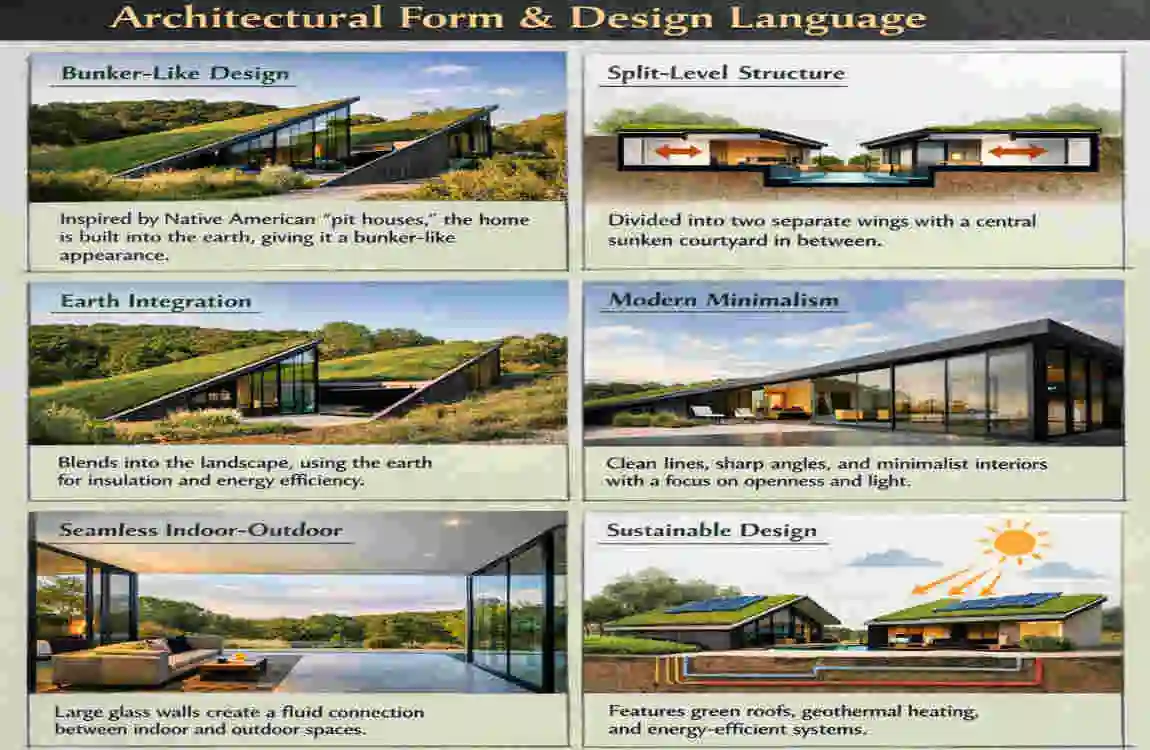
Simple shapes that suit the land
Many edgeland houses use low, horizontal forms. These shapes help the building sit quietly in the landscape rather than stand out too much.
On sloping sites, the house may step down with the land rather than cutting across it. This makes the building feel more natural and less forced.
Materials that age well
Common materials include timber, stone, brick, and weathering steel. These choices often work well because they feel grounded and practical.
Muted colors are also common. Soft browns, greys, and earth tones help the house blend with the edge landscape rather than compete with it.
Open and closed sides
An edgeland house often has two different faces.
- One side may be open, bright, and glazed, with wide views and access to outdoor space.
- The other side may be more protected and solid, especially if it faces a road, wind, or neighboring property.
This contrast is one of the clearest signs of a well-designed edge home.
Bringing the outside in
Decks, patios, screened porches, and large opening doors help connect the home to the landscape. These features make daily life feel more relaxed and more connected to nature.
The best edgeland house designs feel stitched into the site, not dropped onto it.
Landscaping and Ecology
Planting that supports the land
The landscape around an edgeland house matters almost as much as the house itself. Native planting, hedgerows, meadow grasses, and small rewilded areas can all help the site feel healthy and alive.
These choices also support birds, insects, and small wildlife. That is especially important at the edge of built and natural land, where habitats often meet.
Managing water naturally
Good edge design often includes rain gardens, swales, and other simple ways to handle stormwater. These features slow rainwater down and let it soak into the ground.
That helps protect the site from erosion and reduces pressure on drainage systems.
Better screen, better microclimate
Landscaping can also create privacy, block strong winds, and soften the view from nearby roads. Over time, it makes the property feel more settled and comfortable.
Sustainability and Performance
Passive design works well on edge sites.
Because Edgeland houses often have more open land around them, they can take advantage of sunlight and natural airflow. This means features like orientation, cross-ventilation, and thermal mass can work very well.
A home placed correctly may need less heating, cooling, and artificial light.
Durable choices matter
Edge sites can be more exposed to wind, rain, wildlife, and seasonal change. That means materials need to be tough and easy to maintain.
A good edgeland house does not just look beautiful on day one. It stays strong and practical over time.
Stewardship is part of the idea.
Sustainability is not only about energy systems. It is also about how the home treats the land, the water, and the plants around it. In that way, the Edgeland house reflects a more careful way of living.
Lifestyle and Daily Living
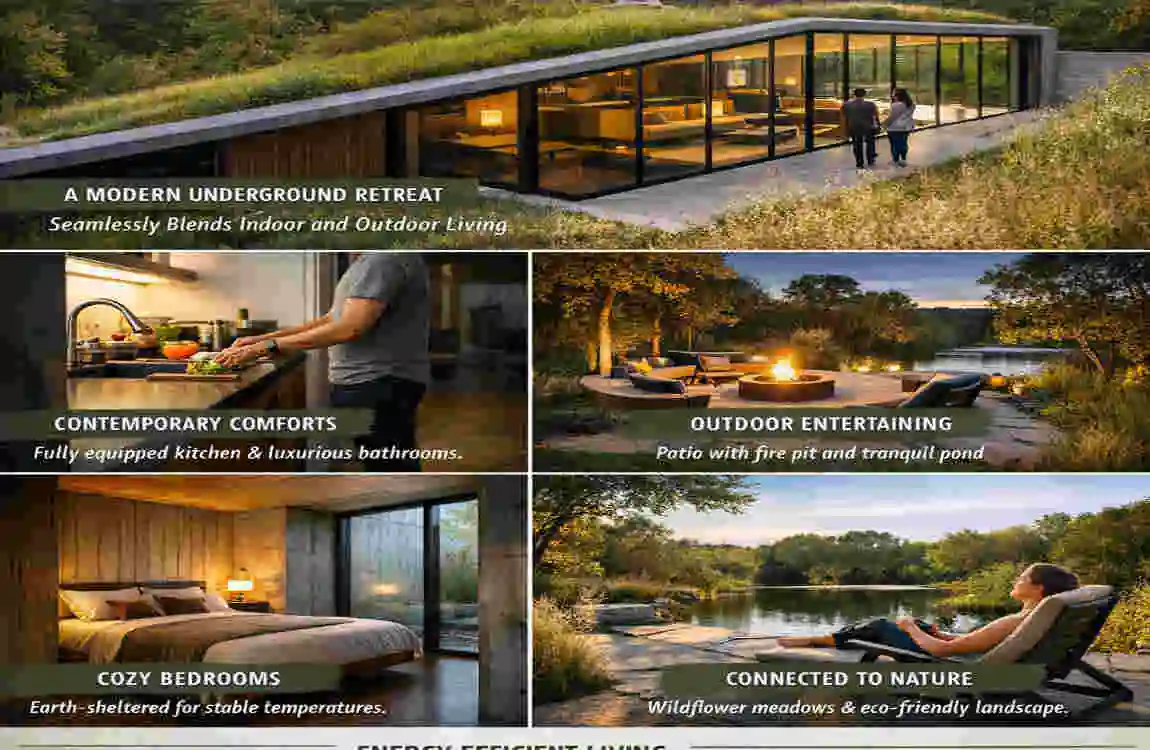
Who chooses an edgeland house?
People often choose this kind of home because they want space, calm, and nature without losing access to services and town life.
That can include families, creative professionals, retirees, and anyone who wants a quieter, more flexible lifestyle.
How the home changes everyday routines
Living in an edgeland house often means spending more time outdoors. Gardens, paths, storage for bikes or tools, and flexible rooms for hobbies can all become important.
The modern home may also feel less formal than a city house. It is often designed for real life, not just for looks.
Community at the edge
Edge areas can have a unique social feel. They may sit between established neighborhoods and open land, allowing community ties to be looser but still meaningful.
That mix is part of the charm of an edgeland home.
Key Features at a Glance
Feature: What It Means, Why It Matters
Site-responsive layout. The home follows the land, making the house feel natural and efficient.
Mixed open and closed facades. Different sides serve different needs. Improves privacy, comfort, and views.
Native landscaping, local plants, and habitat-friendly design support ecology and reduce maintenance.
Durable materials and strong finishes suited to exposure help the home last longer.
Passive design uses the sun and airflow wisely and can reduce energy use.
Practical Considerations and Challenges
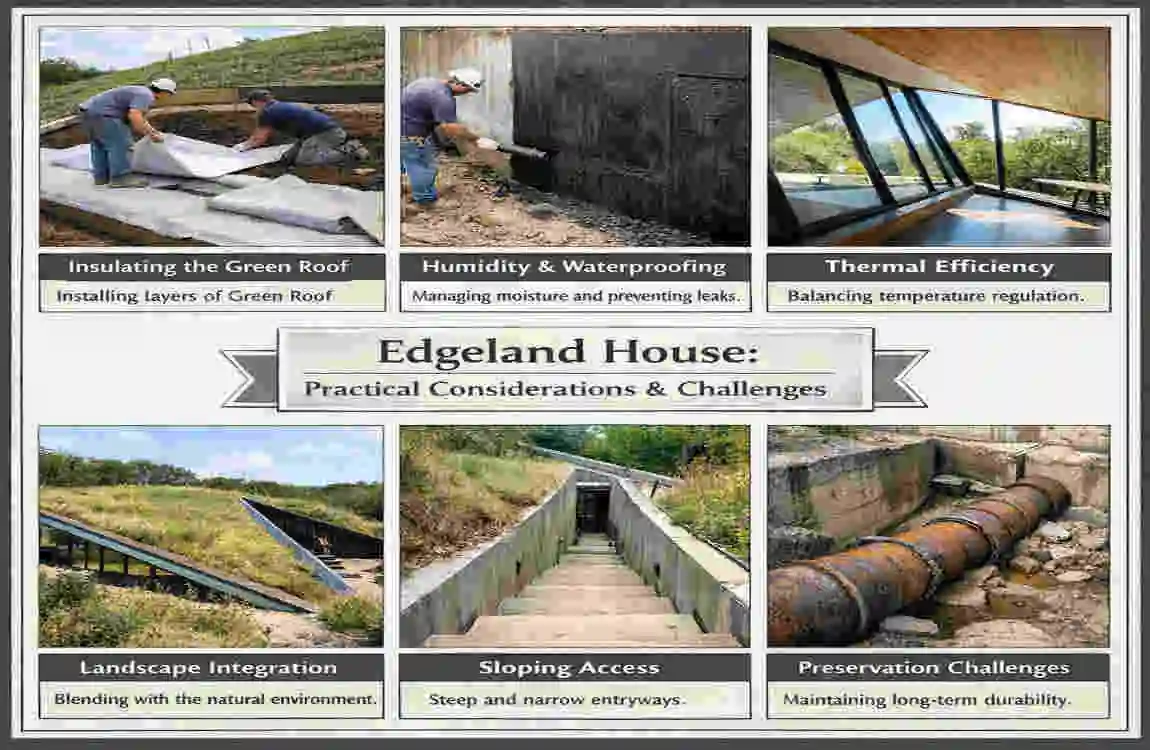
Planning rules may be stricter.
Many edgeland sites sit near protected land or sensitive boundaries. That can mean extra planning steps or local restrictions.
Services may cost more.
Even if the land itself is less expensive, roads, power, water, drainage, and internet may require more work. That can raise total project costs.
Maintenance is part of ownership.
An edge property may require more attention to plants, water flow, and erosion. It is important to keep an eye on both the land and the building.
FAQ
What is an Edgeland house?
An edgeland house is a home built at the transitional edge between developed land and natural or semi-natural land. It is designed to respond to that setting in its form, materials, and landscape.
Is an Edgeland house better than a suburban house?
Not always. It depends on what you want. An edgeland house often gives you more privacy, views, and connection to nature. Still, a suburban house may offer easier services and simpler access.
Can an edgeland house be sustainable?
Yes. In fact, edge sites can work very well with passive design, native planting, rainwater control, and renewable energy systems.
Are there planning restrictions for edge sites?
Often, yes. Many edge locations have special rules due to ecological, zoning, or landscape protection considerations. It is wise to check local planning guidance early.
Is an Edgeland house expensive to build?
It can be, but the cost varies a lot. Land may be cheaper, while access, drainage, and resilience measures may add to the cost.
| Feature | What Makes an Edgeland House Unique? |
|---|---|
| Sustainable Design | An Edgeland House is built to blend with nature while reducing environmental impact through eco-friendly materials and energy-efficient systems. |
| Underground Architecture | Many Edgeland Houses are partially built into the landscape, helping regulate indoor temperature naturally and improve energy efficiency. |
| Minimal Environmental Footprint | The design preserves the surrounding ecosystem and minimizes disruption to natural habitats. |
| Modern Aesthetic | Edgeland Houses combine sleek contemporary architecture with natural surroundings for a visually striking appearance. |
| Energy Efficiency | Features like solar panels, natural ventilation, and thermal insulation help reduce energy consumption. |
| Connection With Nature | Large windows, open spaces, and integrated outdoor areas create a strong indoor-outdoor living experience. |
| Innovative Water Management | Rainwater harvesting and sustainable drainage systems are often included to conserve water resources. |
| Privacy and Serenity | The secluded design and natural integration provide a quiet and peaceful living environment. |