The story of the Aaron Hernandez house is about much more than real estate. It is about fame, failure, crime, and the way a private home can become part of public history.
Aaron Hernandez was once known as a talented tight end for the New England Patriots. He had money, fame, and what appeared to be a bright future. In 2012, he bought a large luxury home in North Attleborough, Massachusetts, and it seemed to match the image he showed the world: successful, polished, and living the dream.
| Category | Information |
|---|---|
| Full name | Aaron Michael Hernandez |
| Born | November 6, 1989, in Bristol, Connecticut |
| Died | April 19, 2017, in prison, Massachusetts |
| Profession | Former NFL tight end (New England Patriots) |
| Height / Weight | About 6’1″ (1.85 m), ~245 lbs (111 kg) |
| Education | University of Florida (college football) |
| Marital status | Former fiancé: Shayanna Jenkins Hernandez; one daughter |
| Criminal record | Convicted (later vacated) in Odin Lloyd murder; acquitted in double‑slaying case |
| Net worth | Estimated around $50,000 at time of death; his estate was later declared effectively worth $0.00 with no readily available assets beyond his house and one vehicle. |
| Last residence | Formerly owned a mansion at 22 Ronald C. Meyer Drive, North Attleborough, Massachusetts; that house was later sold and is no longer his residence. |
Architecture and Layout of the Aaron Hernandez House
Exterior Style and Neighborhood Setting
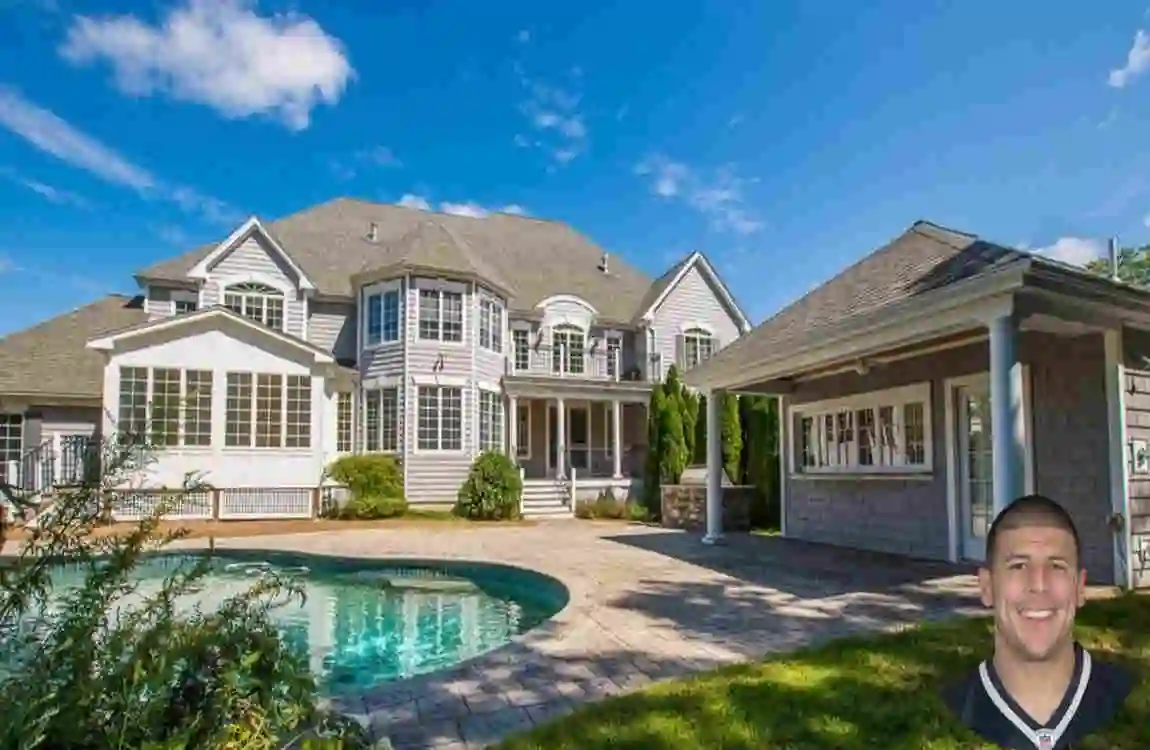
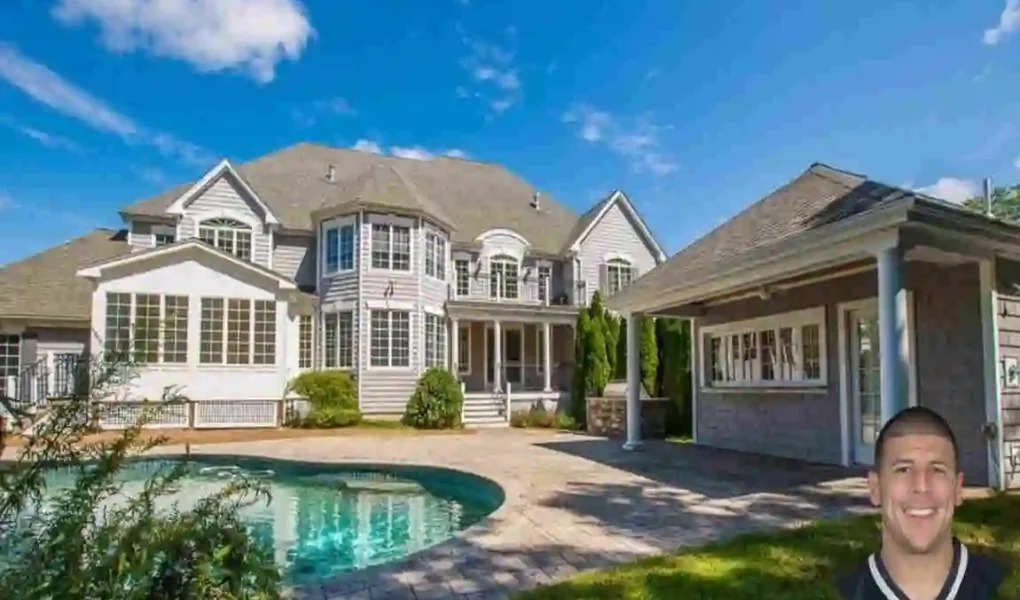
The Aaron Hernandez house in North Attleborough stood out for its classic look and upscale scale. The exterior featured a brick Colonial style, which gives the luxury home a traditional, solid, and formal feel.
It was set on a spacious lot in a quiet neighborhood. That matters because the home did not sit in a flashy, crowded area. Instead, it blended into a suburban setting where privacy and calm were part of the appeal.
This mix of elegance and seclusion made the house attractive to a buyer like Hernandez. It looked refined from the street, yet also offered the kind of privacy wealthy homeowners often want.
Main Interior Features
Inside, the home offered the kind of space and comfort associated with luxury living. Reports described it as a large estate with five bedrooms and seven to eight bathrooms. That alone tells you this was not an ordinary family house.
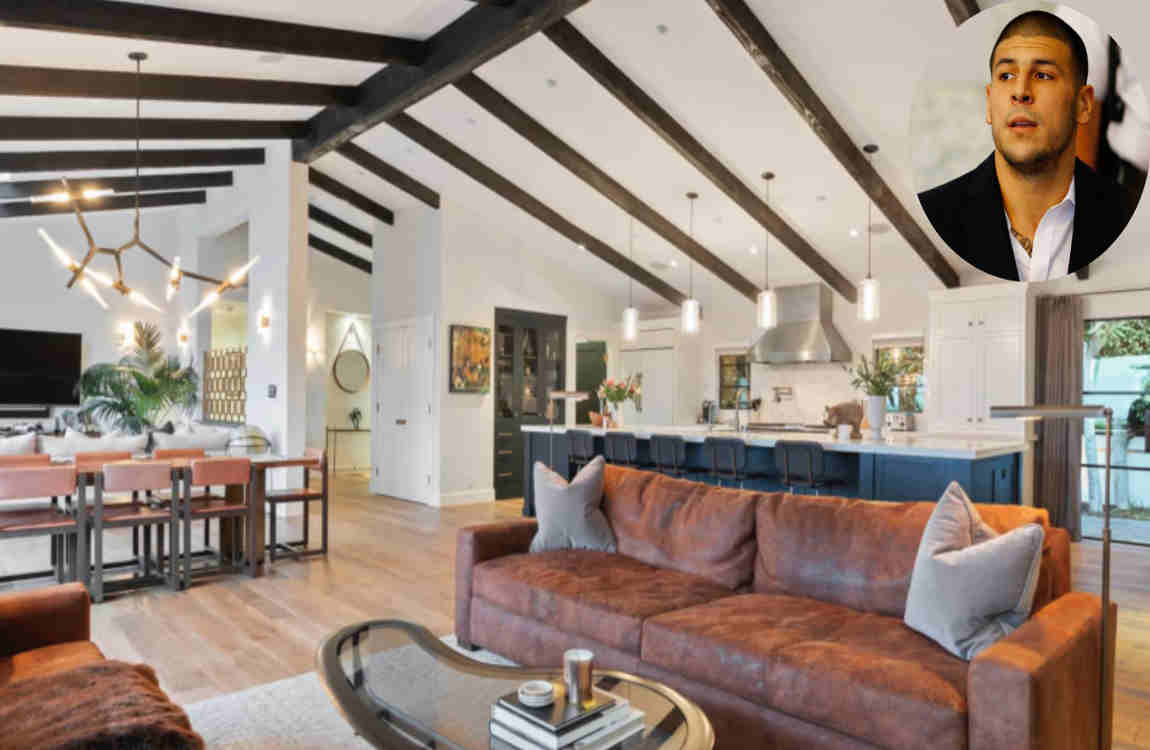
The layout also included a two-story entry and an open floor plan, which helped the home feel bright and expansive. These design choices are common in modern luxury homes because they create a sense of flow and openness.
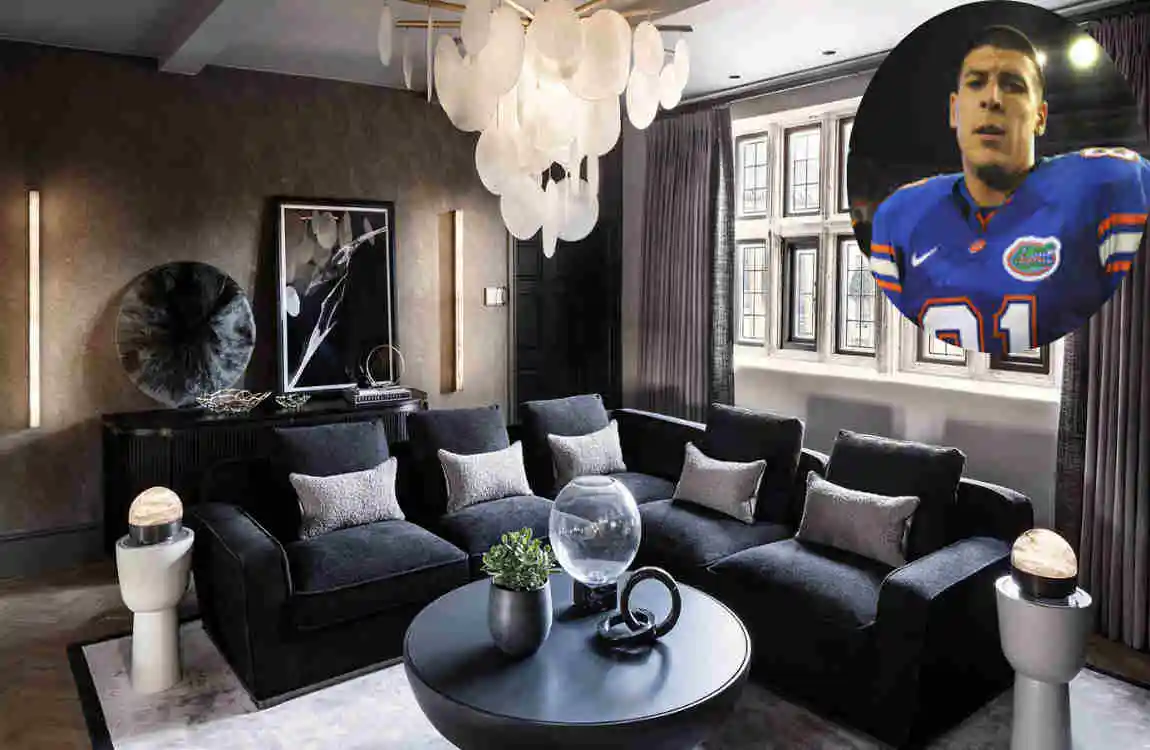
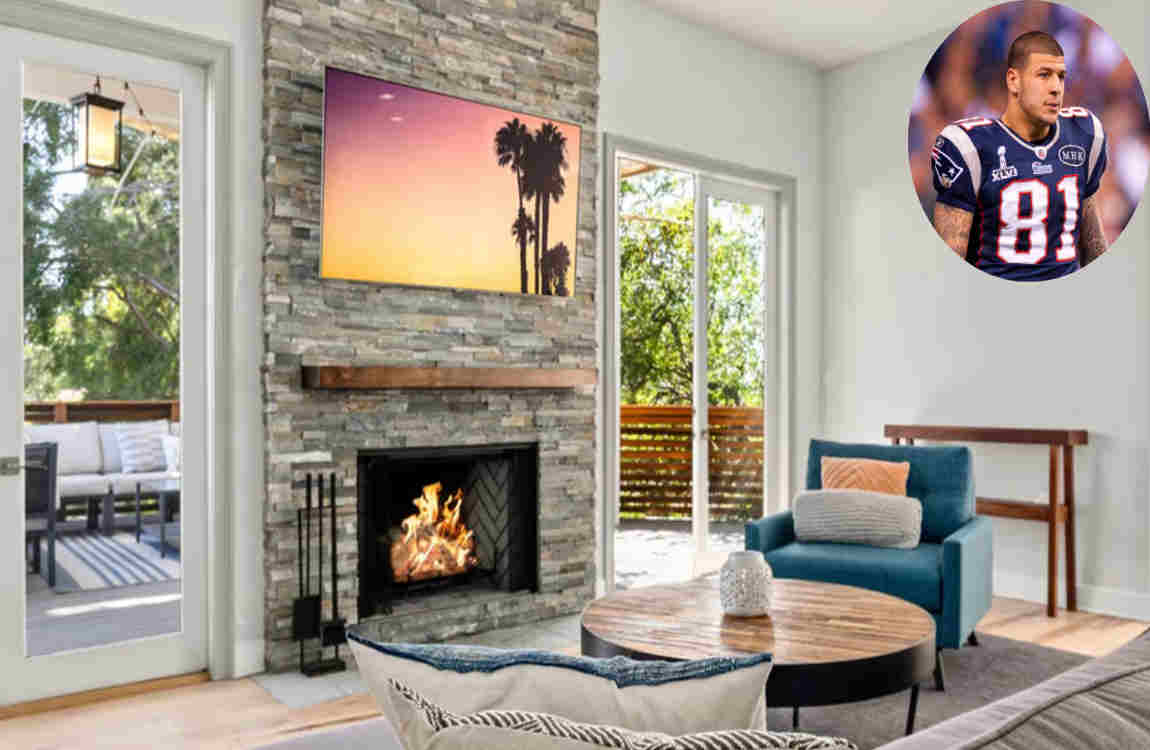
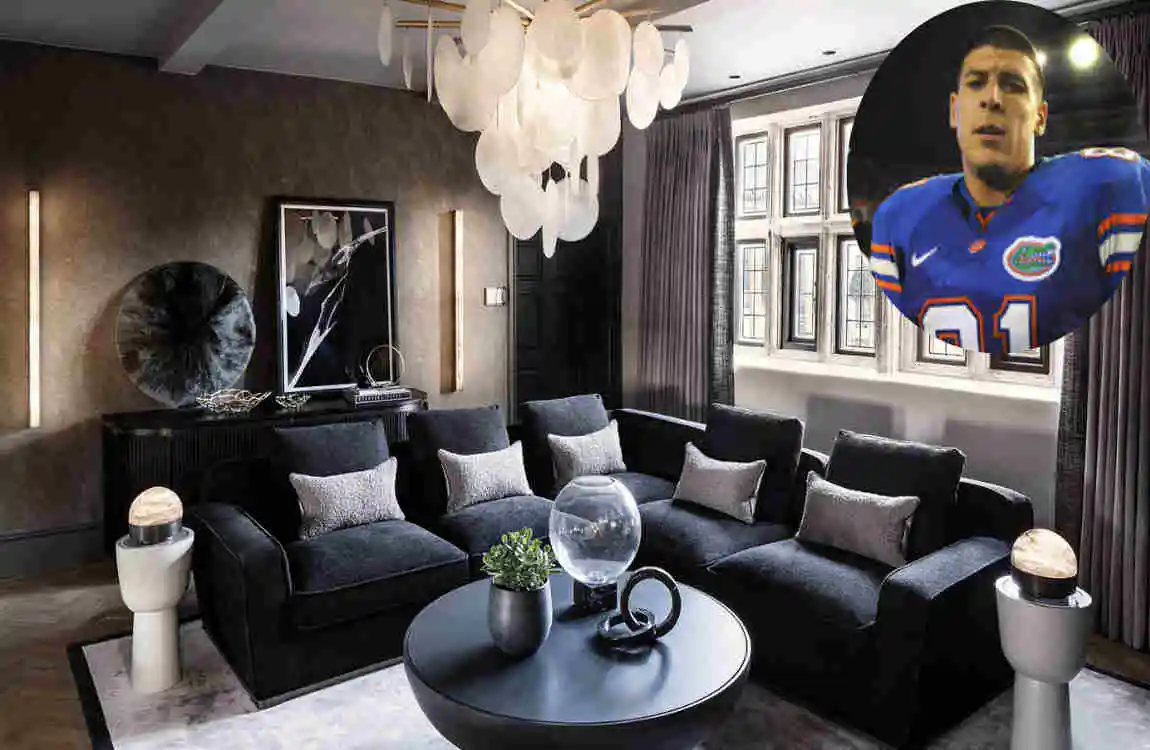
The lower level was especially impressive. The finished basement reportedly included a home theater, bar, workout room, sauna, ice bath, and full bathroom. That mix of entertainment and wellness features made the house feel like a private resort.
Luxury Features at a Glance
Here is a simple look at some of the most talked-about features of the Aaron Hernandez mansion:
FeatureDetails
Style Brick Colonial
Size: About 7,000 to 8,000 square feet
Bedrooms 5
Bathrooms 7 to 8
Kitchen Gourmet kitchen with granite and high-end appliances
Basement Theater, bar, workout area, sauna, ice bath
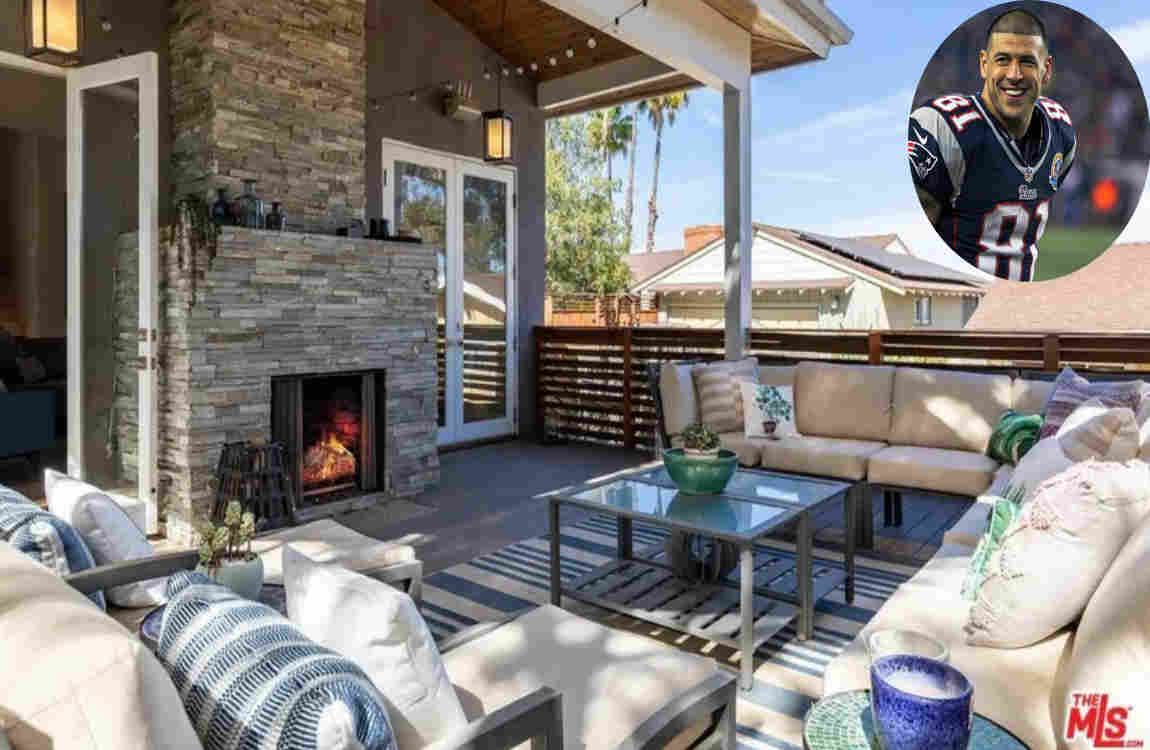
Outdoor Space Pool, sunroom, balcony
Main Suite: Large bedroom with private luxury touches
Why the Design Mattered
The house’s design mattered because it reflected Hernandez’s public image at the time. It was a statement home. It said he had arrived.
That is why the Aaron Hernandez house is still discussed today. People are not just curious about the rooms. They are curious about the contrast between the home’s beauty and the terrible events that later surrounded it.
Inside the Main Suite: The Centerpiece of the Home
A Private Space Built for Comfort
The main suite was one of the standout parts of the house. In a luxury home, the main bedroom is often treated like a private retreat, and this one was no exception.
Reports described it as a large, comfortable space with a private balcony, fireplace, and even a wet bar or mini-kitchenette. That combination gives the room a more personal, almost suite-like feel.
For a homeowner with money and status, this kind of space is a luxury within a luxury. It is where the day begins and ends, and in a home like this, it was clearly designed for relaxation and privacy.
The Master Bath and High-End Finish
The master bath also added to the feeling of comfort and wealth. It reportedly featured a double vanity, a tiled shower, and other high-end finishes that gave the room a polished, upscale feel.
These details may seem small, but they matter in a house like this. They show attention to comfort and luxury. They also help explain why the property was originally valued so highly.
When people talk about the Aaron Hernandez house, the main suite often comes up because it represents the top level of the home’s lifestyle appeal. It was the kind of room that symbolized the height of success before everything changed.
Security System and Its Role in the Odin Lloyd Case
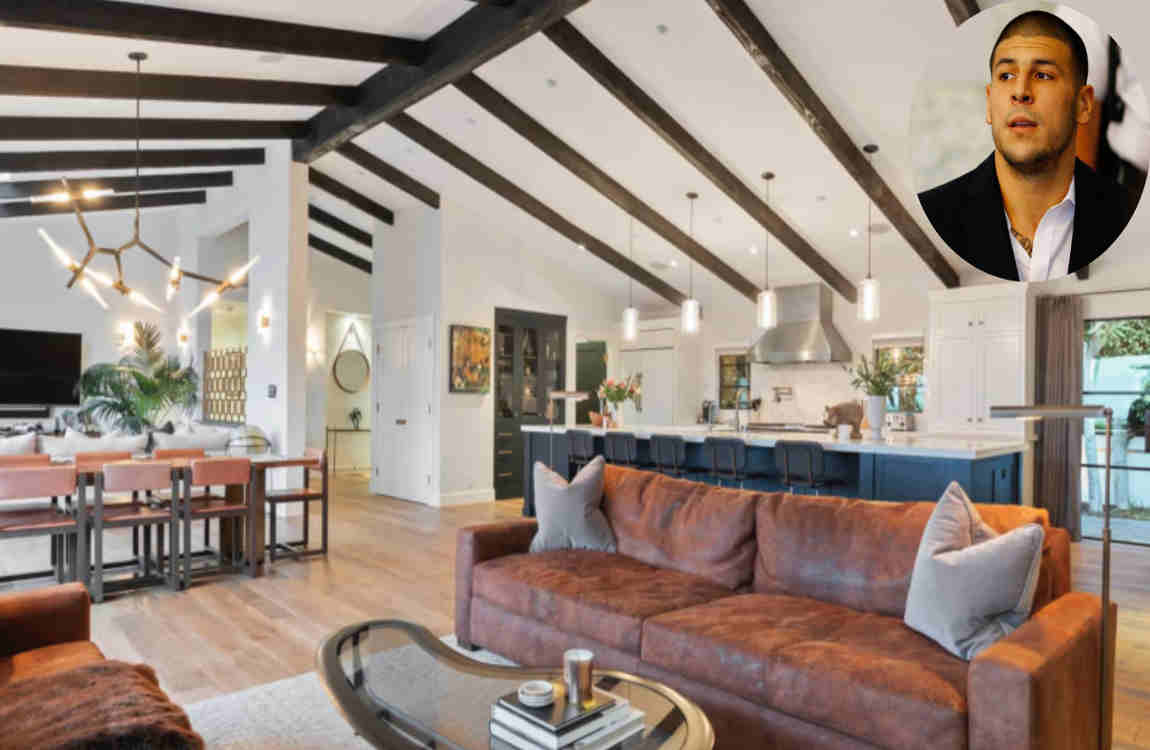
Cameras That Changed the Story
One of the most important parts of the house was not glamorous at all. It was the security system.
The cameras in the Aaron Hernandez house security cameras setup became a major piece of evidence in the investigation into the murder of Odin Lloyd in 2013. What was meant to protect the home ended up becoming part of the case against Hernandez.
This is one of the reasons the house remains so infamous. It was not just the place where he lived. It became tied to the legal process and the case’s public record.
How the Footage Mattered
Reports said the footage may have shown Hernandez with what appeared to be a gun shortly after the murder. That detail helped create a timeline and added weight to the case investigators built.
In a criminal case, time matters. Movement matters. Small details can become huge clues. The camera footage gave investigators another way to connect events and behavior around the time of the crime.
That changed the meaning of the house forever. It was no longer only a luxury residence. It was now a location closely linked to evidence and public scrutiny.
From Private Home to Public Symbol
Once the cameras became part of the trial narrative, the house lost some of its privacy forever. It became a place the public associated with suspicion and tragedy.
That is why the Aaron Hernandez house stands out in media memory. It is not only known for its architecture or size. It is known because the home itself became part of a very serious criminal story.
The Aftermath: From Luxury Home to Asset in a Civil Suit
What Happened After the Conviction
After Hernandez was convicted and later died in prison, the home became part of a civil lawsuit against his estate. That changed everything from a real estate perspective.
A house with a painful public history is harder to sell. Buyers do not just look at square footage and finishes. They also consider reputation, resale value, and emotional baggage.
The Aaron Hernandez home-for-sale story was a real example of how legal trouble can affect property value long after a person is gone.
The Drop in Value
The home did not sell close to the original price Hernandez paid. It eventually sold for around $1 million, far below the early asking prices that reached $1.5 to $1.6 million.
That price gap says a lot. On paper, the home was still beautiful and full of luxury features. In the market, though, its history made it a difficult purchase.
Many buyers may love the house itself, but not the story attached to it. That made the property a hard sell and a strong example of how reputation can affect even real estate.
Why the Market Hesitated
There are many reasons a property can struggle to sell, but this one had a very specific problem: association.
The Aaron Hernandez house was tied to a high-profile murder case, endless media coverage, and a tragic public ending. That kind of stigma is not easy to erase.
People often say location is everything in real estate. But in cases like this, the story becomes just as important as the location. The story can lift a property’s value or drag it down.
Renovation and a New Owner: Rehabilitating the Legacy
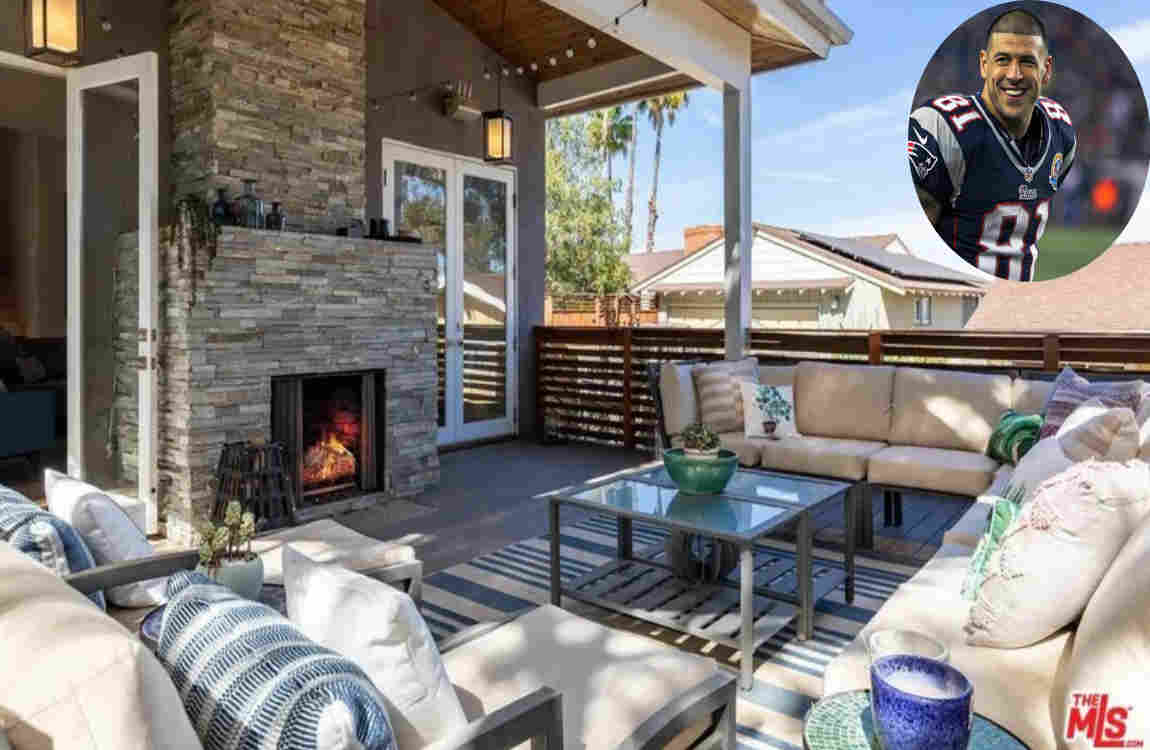
A Fresh Start Under New Ownership
Later, real-estate investor Arif Khan bought the house for about $1 million. After that, he reportedly invested around $100,000 in renovations.
That kind of move makes sense for an investor. If a property has strong bones and a good location, upgrades can help reset its market image. A new coat of paint, updated interiors, and cleaner presentation can make a major difference.
The goal was not only to improve the home. The goal was also to separate the property from its old identity.
Trying to Remove the Stigma
Khan later relisted the property for about $1.5 to $1.6 million, hoping to recover value and move past the house’s dark reputation.
That effort reveals an important truth about real estate: renovation can change a home’s look, but it cannot fully alter its history.
People may admire the upgrades. They may respond to fresh marketing. But they still know what happened there. The Aaron Hernandez house remains an example of how physical improvements do not always erase emotional memories.
What This Says About Property Value
This story reveals that real estate value depends on more than size and design. It depends on perception.
A home can be renovated, staged, and relisted. But if the story around it stays powerful enough, buyers may still hesitate. That is the bigger lesson behind this house’s long market life.
The House in Pop Culture and Media
A Home That Became a Media Story
The Aaron Hernandez house has appeared in news reports, true-crime segments, and real estate coverage for years. It is often used as a visual symbol of Hernandez’s rise and fall.
That is because the house itself fits the story so well. It begins as a dream home and turns into a place associated with scandal. That makes it perfect for media retellings.
People are drawn to stories where luxury and tragedy collide. This house gives them both.
Online Curiosity and Public Attention
Photos, tours, and video walk-throughs have also circulated online, feeding public curiosity. People want to see inside the home and understand what made it special.
That interest is not unusual. Homes tied to celebrities often attract attention, especially when the celebrity has a dramatic or tragic story. In this case, the interest is even stronger because of the criminal case.
The Aaron Hernandez mansion became more than a house. It became a topic people could revisit whenever they wanted to understand the larger story of Hernandez’s life.
Why the Attention Continues
The house still attracts attention whenever it returns to the market or comes up in a new discussion. That happens because the story is bigger than the property.
The location is real. The design is real. But the meaning people attach to the home is what keeps it in the public mind.
In that way, the Aaron Hernandez house has become almost brand-like in its notoriety. It is known not for comfort, but for controversy.
What the Aaron Hernandez House Tells Us About Celebrity and Crime
Fame Can Change a Home’s Meaning
This house is a strong example of how fame can reshape the meaning of a private space. A home that once symbolized wealth and success later became connected to violence and loss.
That shift matters because it shows how quickly public perception can change. One day, a house is a dream property. The next is a headline.
The Aaron Hernandez house sits at the center of that change.
The Collision of Wealth and Violence
The luxury home represents the collision of three things: fame, money, and crime. Those three forces rarely meet in a single property, but here they did.
Hernandez’s wealth allowed him to buy the home. His fame helped make it newsworthy. His criminal case changed how people saw the entire property.
That collision is one reason the story continues to matter. It is not only about one man. It is about how a private life can suddenly become public property.
A Lesson for Business and Branding
There is also a broader lesson here for business readers. A reputation can build value, but it can also destroy it.
People invest in names, images, and stories all the time. That happens in sports, business, real estate, and personal branding. But the Hernandez case shows how fragile that value can be.
Aaron Hernandez’s house teaches us that perception matters. Once trust is broken, it is hard to rebuild. Even a beautiful property can carry a heavy shadow.
Key Takeaways From the Story
What Stands Out Most
Here are a few simple lessons the Aaron Hernandez house story leaves behind:
- A luxury home can become a public symbol when it is tied to a major legal case.
- Design and size matter in real estate, but reputation can matter more.
- Security systems can play a major role in high-profile investigations.
- Renovation can improve a property, but it cannot erase history.
- Celebrity homes often attract attention because people connect them to a larger story.
Why People Still Care
People still care because the luxury house sits at the center of a story with fame, crime, and tragedy. That combination keeps it relevant.
Even when the market moves on, the public memory remains. That is why the Aaron Hernandez house continues to be discussed years later.
FAQ
Where is the Aaron Hernandez house located?
The Aaron Hernandez house is located at 22 Ronald C. Meyer Drive in North Attleborough, Massachusetts, in a quiet suburban neighborhood.
How much did Aaron Hernandez’s house sell for?
After his death, the house was sold for about $1 million, which was below the earlier asking prices of $1.5 to $1.6 million.
What are the main features of the Aaron Hernandez house?
The home is a brick Colonial with about 5 bedrooms, 7 to 8 bathrooms, a gourmet kitchen, a pool, and a finished basement with a theater, bar, sauna, ice bath, and workout area.
Why is the Aaron Hernandez house famous?
The house became famous because of its connection to Hernandez’s NFL career, the Odin Lloyd murder case, and the security-camera footage that became part of the investigation.
Has the Aaron Hernandez house been renovated since it was sold?
Yes. The new owner reportedly spent money on renovations and relisted the property to refresh its image and reduce the stigma attached to it.
| Category | Information |
|---|---|
| Address | 22 Ronald C. Meyer Drive, North Attleborough (North Attleboro), Massachusetts, 02760 |
| Architecture style | Large brick/grey Colonial‑style mansion; 2‑story entry, open floor plan, suburban location. |
| Size (approx.) | Around 5,600–7,100 sq ft living area on a half‑acre + lot; some sources list about 8,100 sq ft including finished basement. |
| Bedrooms / Bathrooms | 5 bedrooms, 6–8 bathrooms (varies by listing; later versions list 5 beds, 8 baths). |
| Key interior features | – Master suite with private balcony, gas fireplace, wet bar, oversized bath (double vanity, tiled shower). – Gourmet kitchen with granite countertops, Wolf appliances, wine storage, pantry. – Finished basement with home theater, bar, workout room, sauna, ice bath, full bathroom. – In‑ground/saltwater pool, pool cabana, three‑car garage, sunroom/game room. |
Where Does Aaron Hernandez Currently Live?
Aaron Hernandez is not alive, so he does not currently live anywhere. He died by suicide in prison on April 19, 2017, while serving a life sentence at the Souza‑Baranowski Correctional Center in Massachusetts.
Aaron Hernandez House Photos