When you’re diving into the world of homebuying, one of the first things you’ll notice is the variety of housing types available. From detached homes standing alone on their lots to townhouses lined up in rows, each style offers something different. But have you ever come across the term linked house and wondered, What is a linked house?
What Is a Linked House? Definition and Explanation
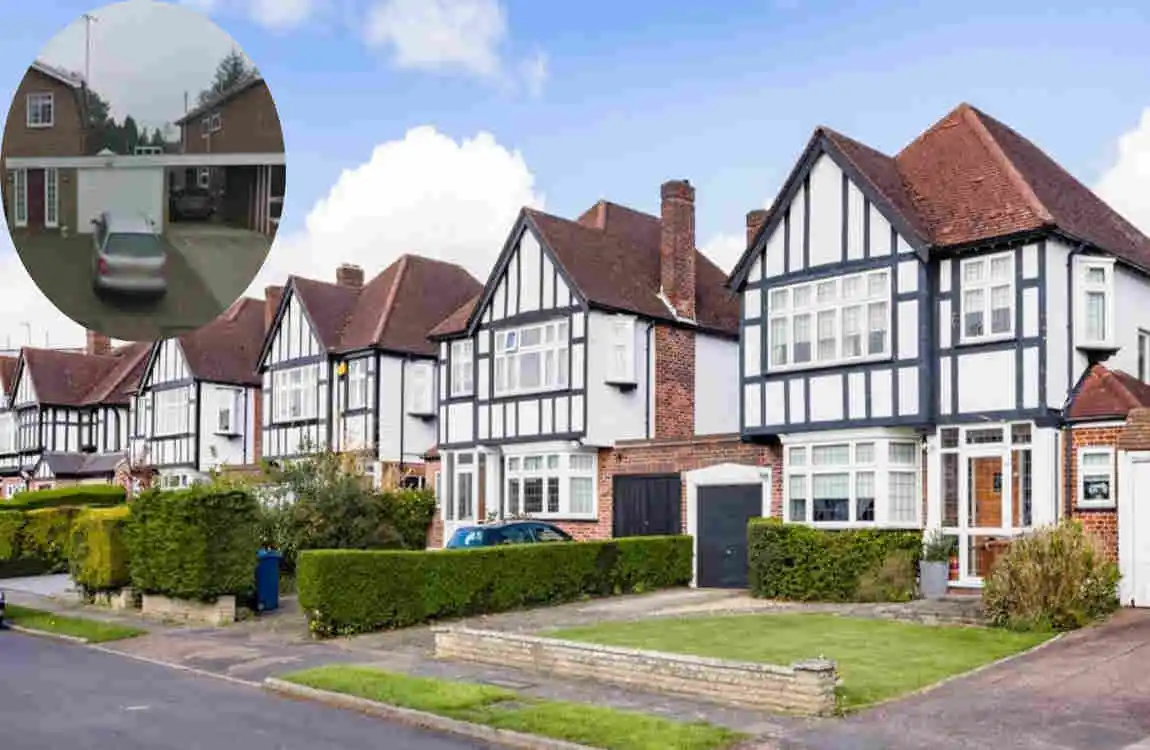
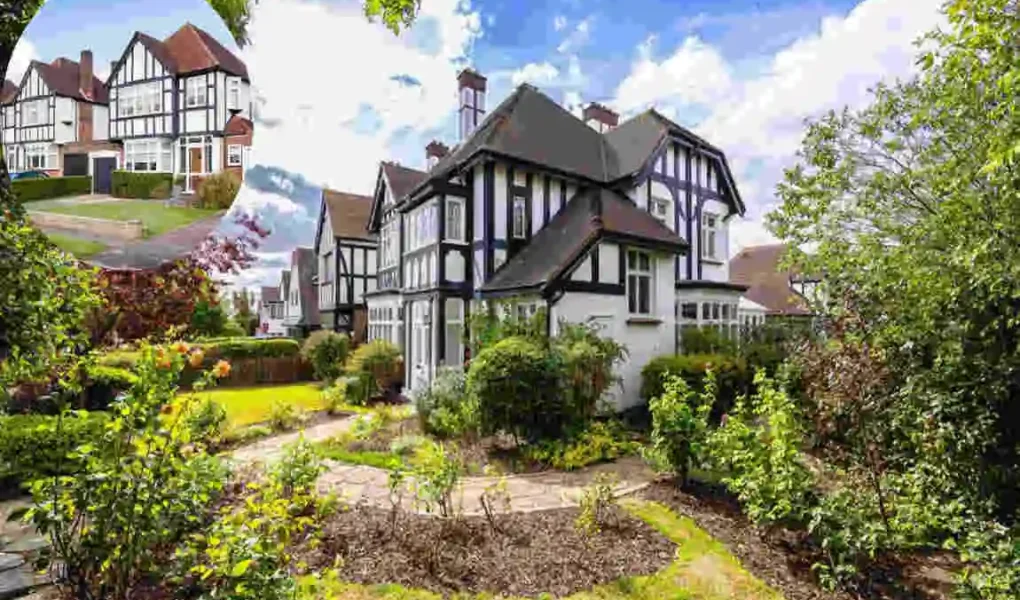
So, what is a linked house? At its core, a linked house is a type of residential property that shares a common wall or foundation with another home but is designed to look and feel like a detached house.
Definition in Simple Terms
A linked house is two homes that are physically connected, typically through the garage or a small portion of the structure, but each has its own separate entrance and outdoor space. Unlike a semi-detached house, where the two homes share a common wall, linked houses share less structural integrity, often just the garage or a small connecting fence.
How Is a Linked House Different from Other Houses?
To clarify, here’s how linked houses compare to some common housing types:
- Detached House: Completely separate with no shared walls or foundations. Complete privacy, but often more expensive.
- Semi-Detached House: Two homes share a whole fence, usually side by side, and each has its own lot.
- Townhouse (Rowhouse): Multiple homes lined up, sharing walls on both sides except end units.
- Linked House: Two homes connected by a smaller shared structure, like a garage or basement wall, but otherwise separate.
Construction Details
Linked houses are typically built so that the main living areas do not share walls. The connection is often at the garage or foundation level. This means:
- The homes have separate foundations but are “linked” by a common wall in less critical areas.
- This design reduces noise transfer between homes compared to semi-detached houses.
- The external appearance often mimics detached homes, keeping a sense of individuality.
Visualizing a Linked House
Imagine two houses sitting side by side, but instead of sharing a whole side wall, they are connected only through their garages. You might park your car in your garage, and your neighbor parks theirs right next door, with a shared wall between the two garages but not the homes themselves.
This subtle connection is the defining feature of a linked house.
History and Popularity of Linked Houses
Linked houses are not a new concept. They emerged as a clever solution for suburban development where land was at a premium, but buyers still wanted the feel of a detached home without the high price tag.
Origins and Development
The idea of linking homes through garages or foundations gained popularity in the late 20th century, particularly in suburban neighborhoods in North America and parts of Europe.
Builders used this design to:
- Maximize land use efficiently.
- Offer more affordable homes.
- Provide a compromise between detached and attached housing.
Where Are Linked Houses Most Common?
You’ll find linked houses most often in:
- Canada: Especially in cities like Toronto and Calgary, linked houses are typical in newer suburbs.
- In the United States, certain regions with high land costs have adopted linked houses as a popular option.
- United Kingdom: While less common, some developments use linked designs to optimize space.
Why Builders and Buyers Like Linked Houses
- Cost-effective: Builders save on materials and land costs, passing savings to buyers.
- Appealing Look: Buyers get a house that looks detached but costs less.
- Neighborhood Design: Linked houses are well-suited for planned communities where space and privacy are balanced.
Economic and Architectural Benefits
- Linked houses reduce infrastructure costs, including those for roads and utilities.
- The design helps maintain architectural diversity in neighborhoods.
- Buyers often enjoy lower property taxes compared to those of fully detached homes in some areas.
Advantages of Buying a Linked House
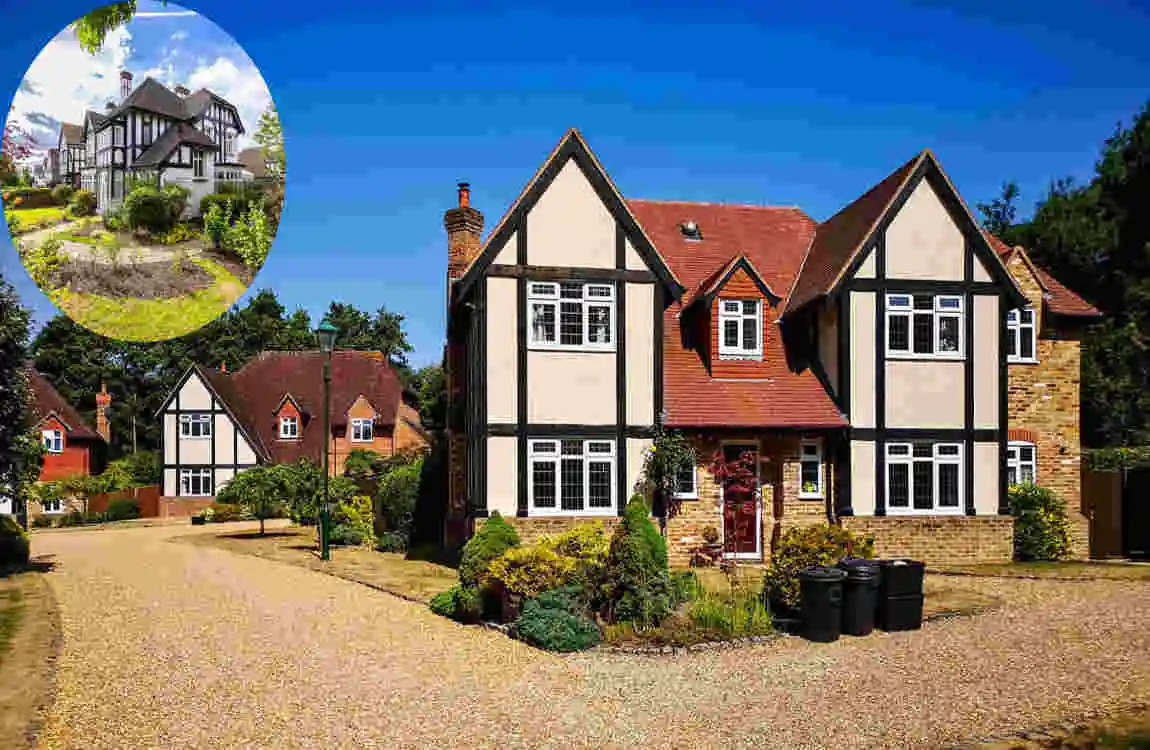
If you’re considering a linked house interior, there are several reasons why it might be a wise choice.
Cost Benefits Compared to Detached Homes
Linked houses are usually more affordable than fully detached homes. Because they share some commonalities, builders save money on materials and land, resulting in a lower purchase price.
Balance Between Space and Privacy
Unlike townhouses or semi-detached homes, linked houses offer more privacy because the main living areas don’t share walls. You get the feeling of a detached home, but often on a smaller lot.
Lower Maintenance Costs
Due to their compact design, linked houses can have lower maintenance costs. Shared walls, such as those found in garages, often reduce exterior maintenance, and smaller yards can mean less landscaping work.
Energy Efficiency
Linked homes often benefit from improved insulation and reduced energy consumption. Shared walls can minimize heat loss, resulting in lower heating and cooling costs.
Community Feel and Neighborhood Appeal
Linked houses often foster a close-knit community feeling without sacrificing independence. You have neighbors close by, but still maintain your own space.
Examples & Statistics
- Studies show that linked houses can cost 10-20% less than fully detached homes in similar areas.
- Homeowners report less noise disturbance compared to traditional semi-detached dwellings.
Potential Disadvantages and Considerations
While linked houses have many benefits, it’s essential to be aware of some potential downsides.
Noise Transmission
Although linked houses share fewer walls than semi-detached homes, noise can still travel through shared garage walls or foundations, especially if they are not adequately insulated.
Limitations on Extensions and Renovations
Because your home is physically connected to another, expanding or modifying the structure can be trickier. You may need to obtain approval from your neighbors or face zoning restrictions.
Impact on Property Value and Resale
Linked houses may not appreciate as quickly as detached homes. Some buyers prefer fully detached homes, which can affect resale potential.
Insurance and Maintenance Responsibilities
Insurance policies might differ for linked houses. You may also need to coordinate with your neighbor for repairs related to shared structures, such as garages or foundations.
Common Misconceptions
- Some think linked houses are just semi-detached homes with a different name — they are structurally distinct.
- Others assume linked houses have less privacy, but the design usually enhances separation.
Linked House vs Other Housing Types: A Comparative Analysis
To help you understand better, here’s a quick comparison of linked houses against other common types:
Feature Linked House Detached House Semi-Detached House Town house Rowhouse
Cost Moderate; less than detached Highest Lower than detached Usually lowest
Privacy High; shared garage walls only Highest; no shared walls Moderate; shared whole wall Low; shared walls on both sides
Maintenance Moderate; some shared infrastructure High; full responsibility Moderate; some shared walls Moderate; shared walls
Noise Level Low to moderate Lowest Moderate to high High
Space Similar to detached, smaller lot Largest lot and space Smaller lot Smallest lot
Resale Value Moderate Highest Moderate Lower
Who Should Consider Buying a Linked House?
Linked house feature aren’t for everyone, but they are perfect for specific buyers.
Ideal Buyers
- First-time homebuyers: Looking for affordability without sacrificing space.
- Budget-conscious families: Wanting more privacy than townhouses but less cost than detached homes.
- Downsizers: Those who want manageable maintenance and still enjoy a sense of a detached home.
Lifestyle and Location
Linked houses are great if you want:
- A quiet neighborhood, but we are okay with having neighbors close by.
- Access to suburban amenities where linked houses are typical.
- A balance of privacy and community.
Financing and Mortgage Considerations
Banks typically treat linked houses like semi-detached homes for loan purposes, so:
- Mortgage rates may be slightly higher than for detached homes.
- Some lenders may require extra inspections due to shared structures.
How to Identify a Linked House When House-Hunting?
Knowing what to look for can save you from surprises.
Tips for Buyers
- Look for homes that share a garage wall or foundation but have separate living spaces.
- Notice if the house looks detached, but has a connecting structure to the neighbor.
Questions to Ask
- “Is the house physically connected to another home? If yes, how?”
- “What parts of the property are shared or linked?”
- “Are there any restrictions on renovations or extensions?”
Check Legal Documents
- Review property deeds for shared wall or foundation agreements.
- Confirm zoning details related to linked homes.
Legal and Zoning Aspects of Linked Houses
When buying a linked house, it’s crucial to understand the legal side.
- Zoning laws may have specific rules regarding the linking of structures and lot sizes.
- Property lines could be unusual due to the shared connection.
- Permits for renovation require neighbor approvals or special inspections.
Always consult with a real estate lawyer or expert to avoid surprises.
Maintenance Tips for Linked House Owners
Owning a linked house means some shared responsibilities.
- Inspect shared walls and garage connections regularly for cracks or signs of moisture.
- Use soundproofing materials to minimize noise transmission.
- Coordinate with your neighbors for joint maintenance efforts on shared infrastructure.
Good communication is key to keeping your linked house design in top shape.