
Finding the perfect home in Canada has never been easier thanks to the power of top real estate websites. These platforms offer comprehensive listings, user-friendly interfaces, and valuable insights into market trends, helping homebuyers browse effectively from anywhere. Whether searching for a cozy condo in downtown Toronto or a spacious family house in the suburbs, using the right website can simplify the journey to your dream home and empower you with the information needed to make confident decisions in today’s competitive market.
Understanding the Canadian Real Estate Market

A Snapshot of Hot Spots for Home Buying
Canada’s real estate market is as diverse as its landscapes. If you’re eyeing a bustling urban vibe, cities like Toronto and Vancouver are magnets for buyers, though they come with hefty price tags. Toronto, for instance, is a hub for condos and family modern homes, while Vancouver’s scenic views drive demand to unprecedented heights. Then there’s Montreal, offering a blend of culture and affordability compared to the big two.
Don’t sleep on other regions, though! Alberta, especially Calgary and Edmonton, offers more budget-friendly options with growing job markets. Provinces like Nova Scotia or British Columbia’s smaller towns are perfect if you’re craving quieter, scenic living. Where are you thinking of settling? Knowing the vibe of each area helps narrow down your search for a real estate listing in Canada.
Key Terms to Know Before You Search
New to the game? Let’s break down some lingo. When you see “MLS” (Multiple Listing Service) on a site, it’s a database of properties for sale shared by real estate pros. A “Detached home” refers to a standalone house, whereas a “condo” is short for condominium, typically located in a shared building. You may also notice “pre-construction,” which refers to homes that are not yet built but are available for purchase.
Understanding these terms makes scrolling through listings less confusing. Ever stumbled on a listing and wondered what “fixer-upper” means? It’s a home in need of repairs, often priced lower than others. Knowing this stuff helps you spot deals or avoid pitfalls.
Challenges Without the Right Tools
Here’s the thing—without proper online platforms, finding a modern home in Canada can be a headache. Imagine driving around neighborhoods hoping to spot “For Sale” signs or relying solely on word-of-mouth. You’d miss out on hidden gems, waste time, and likely overspend without market insights. That’s why using dedicated websites for a real estate listing in Canada isn’t just helpful—it’s essential.
Why Use Real Estate Websites for Your Home Search?
The Edge Over Old-School Methods
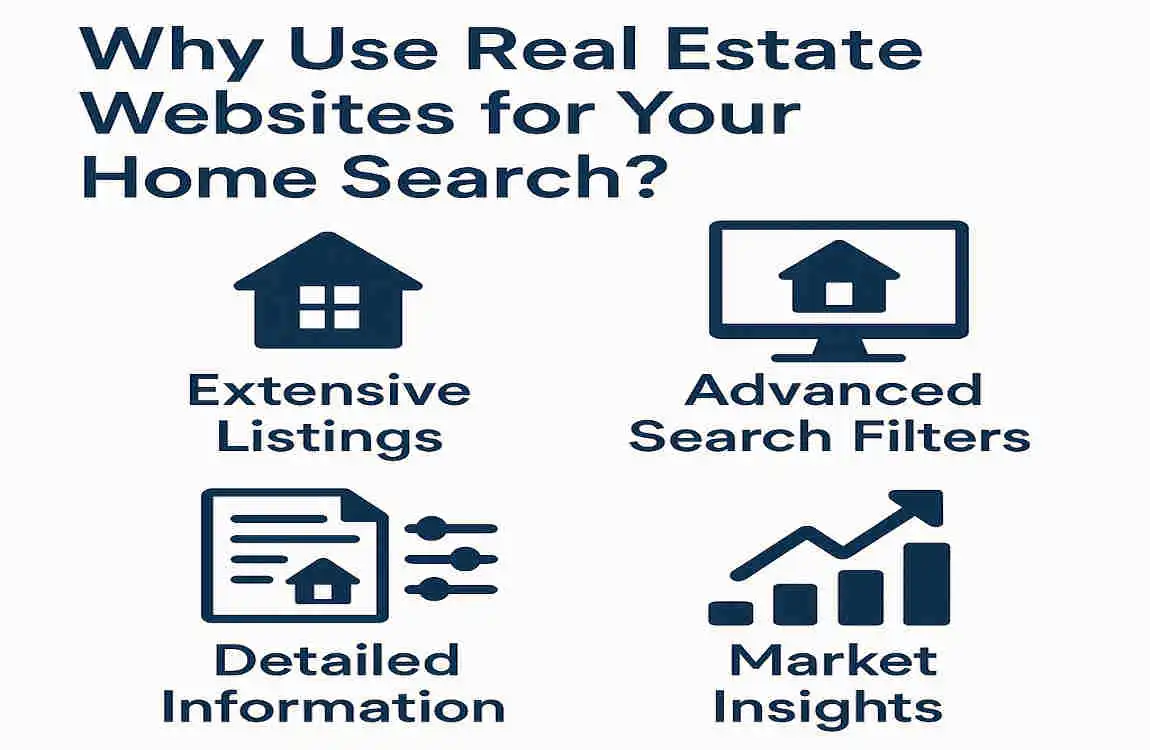
Remember the days of flipping through newspaper ads or calling agents for property details? Thankfully, those are behind us. Online real estate websites have revolutionized the home-buying process. They bring thousands of listings to your fingertips, no matter where you are. Looking for a real estate listing in Canada? You can find it in seconds.
Unlike traditional methods, these platforms let you search at your own pace. No pressure from pushy agents or limited office hours. Additionally, the information is often more current than that found in printed ads. Why settle for outdated flyers when you can see what’s fresh on the market?
Convenience and Cool Features

Let’s talk perks. Real estate websites offer filters to narrow down your search by price, location, number of bedrooms—you name it. Want a home with a backyard near a school? Just tick a few boxes. Many even provide virtual tours, so you can “walk through” a house without leaving your sofa.
These tools save you from visiting dozens of properties that don’t align with your house style. And honestly, who doesn’t love peeking at a home’s interior in pajamas? It’s all about making your search for a real estate listing in Canada stress-free.
Top Real Estate Websites in Canada
Why These Platforms Made the Cut
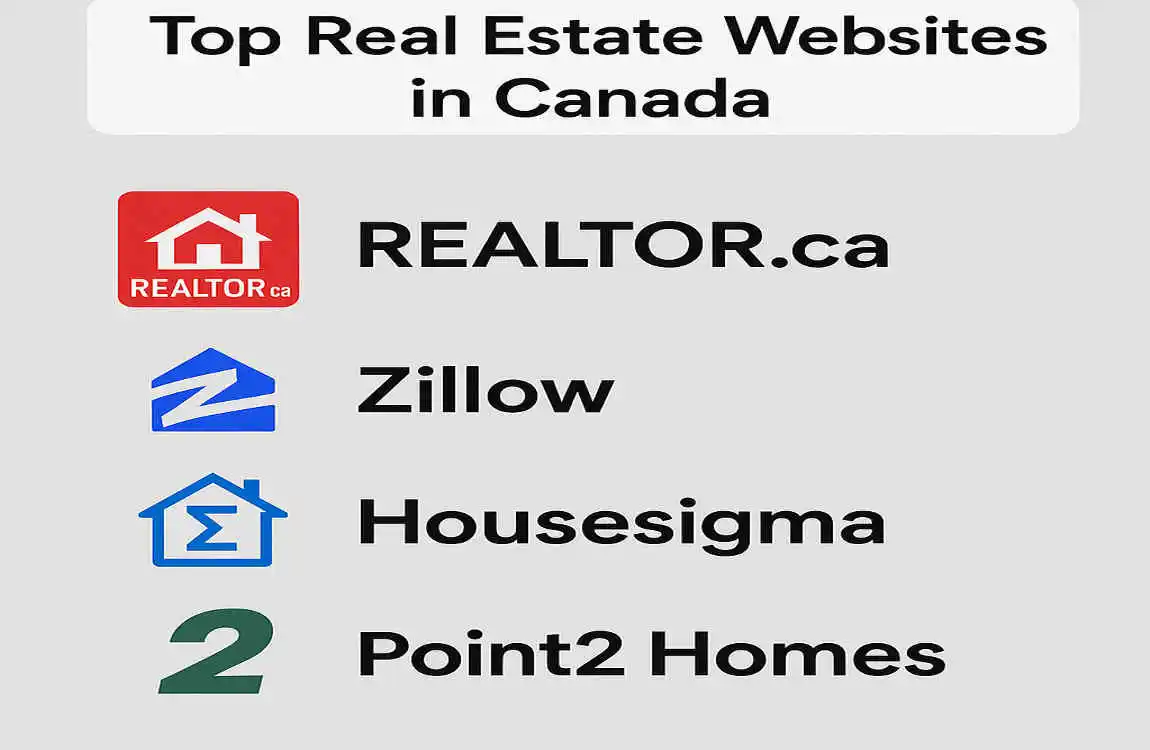
Alright, let’s get to the good stuff—the best websites to find a real estate listing in Canada. I’ve selected these platforms based on several key factors: ease of use, the sheer number of listings they offer, the handy tools they provide, and their reliability. Whether you’re hunting for a starter home or an investment property, these sites have got your back. Let’s break them down one by one and see which fits your home style.
Realtor.ca
What’s the Deal with Realtor.ca?
If you’ve ever searched for a home in Canada, you’ve likely stumbled across Realtor.ca. Run by the Canadian Real Estate Association (CREA), it’s one of the most trusted names in the game. This site is like the granddaddy of real estate platforms, pulling in listings from across the country.
Standout Features
Realtor.ca boasts a massive database of house properties, from tiny condos to sprawling estates. What sets it apart? Neighborhood insights. You can research statistics, such as average home prices or nearby amenities, before deciding on an area. They also provide market trend reports, so you know if it’s a buyer’s or seller’s market.
Zillow Canada
Zillow’s Canadian Charm
Zillow might be a U.S. giant, but its Canadian arm is making waves. Known for its sleek interface, Zillow Canada offers a modern way to search for real estate . It’s especially popular if you’re curious about cross-border comparisons.
How It Stacks Up for Canadian Buyers
While Zillow excels with data, its Canadian listings aren’t as extensive as those of some local platforms. Still, it’s a fantastic option if you’re near the border or eyeing international house moves. The interface is intuitive, making it a hit for tech-savvy users.
Features That Pop
Their search options let you dive deep—filter by school ratings, transit scores, or even walkability. Additionally, their “Sold Data” tool displays the prices of recently sold modern homes in an area, helping you determine if a price is fair. They also connect you with local agents for personalized help.
Royal LePage
A Trusted Canadian Name
Royal LePage has been a staple in Canadian real estate for decades. Their website reflects that legacy, offering exclusive listings you won’t find elsewhere. It’s a go-to for anyone serious about a real estate listing in Canada.
FAQ: Real Estate Listings in Canada
Q: Where can I find real estate listings in Canada?
You can find real estate listings on popular websites such as:
- Realtor.ca (Canada’s official real estate platform)
- Zolo.ca
- Redfin.ca
- Royal LePage
- Century 21
- MLS® (Multiple Listing Service) platforms managed by local real estate boards.
Q: What information is included in a real estate listing?
A typical real estate listing includes:
- Property details: Address, price, type (house, condo, apartment, etc.), and size (square footage).
- Photos and videos: Images of the interior, exterior, and surrounding areas.
- Features: Number of bedrooms, bathrooms, garages, and any unique amenities (e.g., pool, fireplace).
- Description: Overview of the property, highlighting key selling points.
- Location info: Neighborhood details, nearby schools, and amenities.
- Contact info: Real estate agent or seller’s contact details.
Q: Are real estate listings in Canada free to view?
Yes, most real estate websites in Canada (like Realtor.ca) allow you to view listings for free. However, some platforms may require you to create an account to access detailed property information or save searches.
Q: How do I list my property for sale in Canada?
To list your property:
- Hire a Realtor: A licensed real estate agent can help you list your property on MLS® and market it effectively.
- For Sale by Owner (FSBO): You can list it independently on websites like ComFree or Purplebricks.
- Prepare your home: Clean, stage, and photograph your property to attract buyers.
- Set a competitive price: Research market trends or get a professional appraisal.
Q: How much does it cost to list a property in Canada?
- Through a Realtor: Typically, real estate agents charge a commission of 4%–6% of the sale price, split between the buyer’s and seller’s agents.
- FSBO Platforms: Costs vary but may include a flat fee (e.g., $300–$1,000) for listing services.
Q: How can I determine the value of a property?
You can determine property value by:
- Using online valuation tools (e.g., Realtor.ca or Zolo.ca).
- Consulting a real estate agent for a comparative market analysis (CMA).
- Hiring a professional appraiser for an accurate valuation.
Q: Are there any restrictions for foreign buyers?
Yes, Canada has recently implemented restrictions for foreign buyers:
- As of January 1, 2023, the Prohibition on the Purchase of Residential Property by Non-Canadians Act bans most foreign citizens and corporations from buying residential property for two years. Exceptions exist for certain groups, like international students or temporary residents with valid permits.
Q: What taxes apply to real estate transactions in Canada?
When buying or selling property in Canada, you may encounter the following taxes:
- Land Transfer Tax (LTT): Paid by buyers at closing, varies by province.
- GST/HST: Applies to new homes or commercial properties.
- Property Taxes: Ongoing taxes paid annually by homeowners.
- Speculation Taxes: In some provinces (e.g., BC and Ontario), these apply to vacant or secondary properties.
Q: How long does it take to sell a property in Canada?
The time it takes to sell depends on factors like location, market conditions, and pricing. On average, homes in Canada sell within 30–60 days in a balanced market, but it can be quicker in hot markets like Toronto or Vancouver.
Q: Do I need a real estate agent to buy property in Canada?
No, you don’t need a real estate agent, but hiring one can make the process smoother. Agents help with:
- Finding suitable listings.
- Negotiating prices.
- Handling paperwork and legalities.
If you prefer to go solo, you can use FSBO websites or connect directly with sellers.
Q: What should I consider when buying a home in Canada?
- Budget: Determine your price range and consider additional costs like taxes, closing fees, and maintenance.
- Location: Research neighborhoods, schools, and amenities.
- Mortgage Pre-Approval: Secure financing before house hunting.
- Condition: Always get a home inspection before purchasing.
Q: How can I stay updated on new real estate listings?
You can:
- Sign up for alerts on platforms like Realtor.ca or Zolo.ca.
- Follow local real estate agents or agencies on social media.
- Subscribe to real estate newsletters for updates on new listings and market trends.