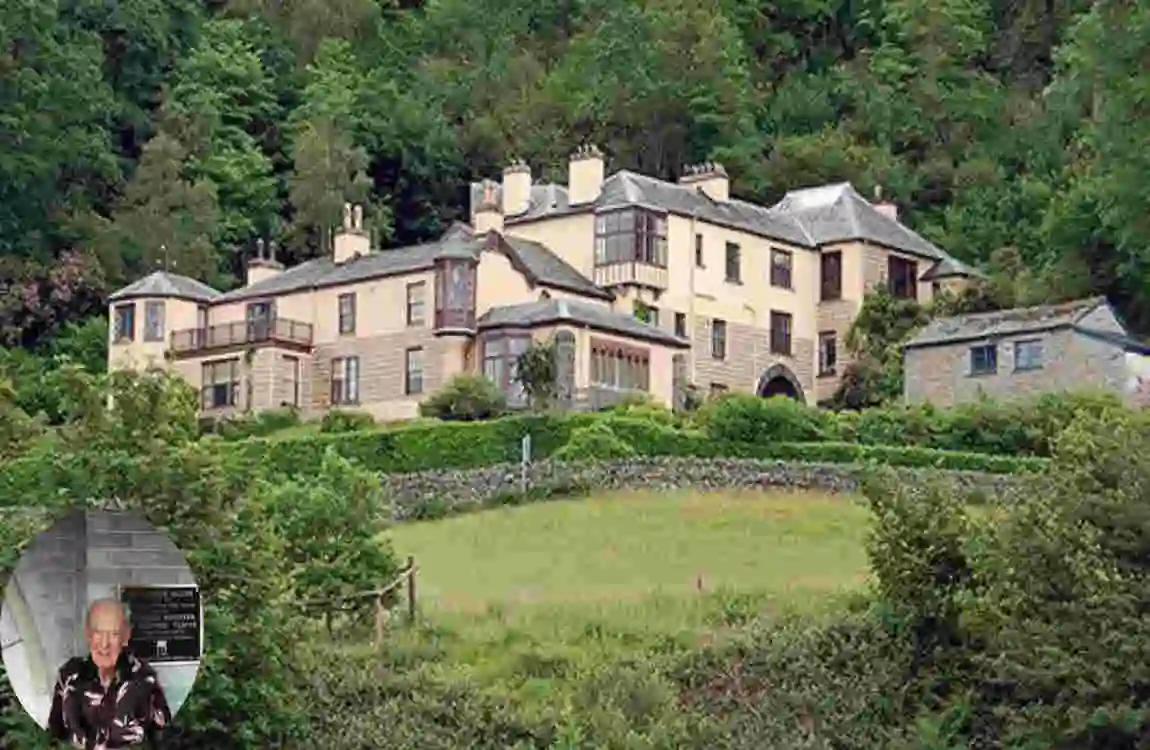
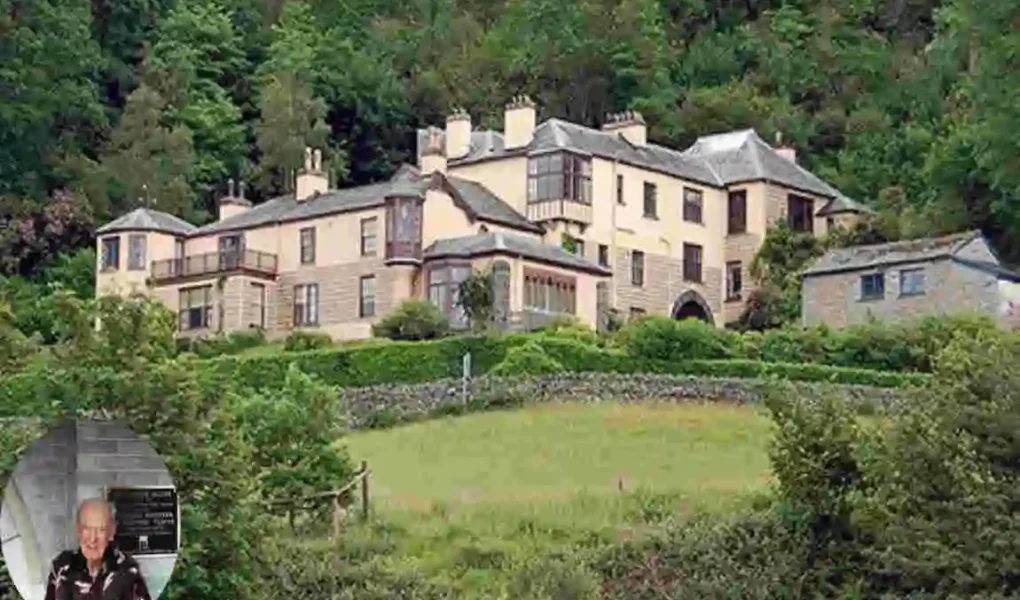
The John Hetebrink House is more than just an old structure. It is a place that carries history, design value, and cultural meaning all in one frame. When you look at historic homes like this, you are not only seeing bricks and wood—you are seeing a story that has survived through time.
Historic houses often attract attention because they show how people lived in earlier times. They also reflect the design thinking, materials, and lifestyle of their era. The John Hetebrink House is one of those rare homes that stand out for its unique blend of architecture and heritage value.
People are drawn to homes like this for many reasons. Some are interested in architecture, while others love history. But one thing is clear: preserving such homes helps us stay connected to the past.
| Category | Information |
|---|---|
| Full Name | John Hetebrink |
| Profession | Limited public information available (not widely documented public figure) |
| Net Worth | Not publicly confirmed / no reliable verified estimate |
| Current Residence | Not publicly disclosed |
| Personal Details | Very little verified biographical data available in public sources |
Architectural Style and Design Features
Architecture is one of the most fascinating parts of the John Hetebrink house. It shows how design and function worked together in the past.
Overall Architectural Style
The house likely reflects traditional architectural styles such as Victorian or early Colonial influence. These styles are known for:
- Balanced layouts
- Decorative detailing
- Strong structural build
The design is not just about looks—it also focuses on comfort and long-term durability.
Exterior Design Elements
The exterior of the house is where its charm first appears. You may notice:
- A structured roof design
- Use of natural materials like wood or brick
- Large, evenly placed windows
- A welcoming front porch style
These elements were not random. They were carefully chosen to reflect elegance and stability.
Interior Layout and Design
Inside the house, the layout is usually practical and spacious. Older homes like this often have:
- Clearly divided rooms
- High ceilings for ventilation
- Simple but elegant decorative touches
Some parts may have been modernized, but original design elements are often preserved where possible.
Unique Craftsmanship Details
One of the most impressive things about this house is its craftsmanship.
You may find:
- Hand-carved woodwork
- Decorative trims and moldings
- Locally sourced materials
- Artistic finishing styles
These details show the effort and skill of builders from that era. Everything was made with patience and precision.
What Makes the John Hetebrink House Unique?
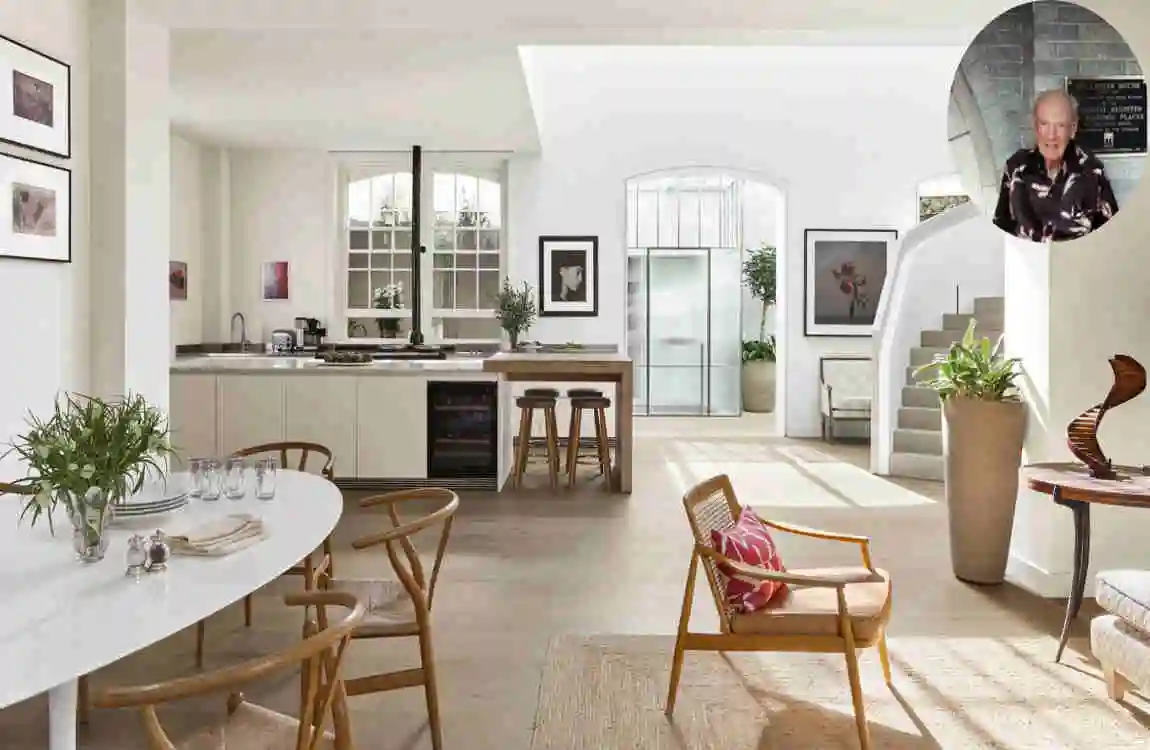
This is the core question—and the answer lies in several combined factors.
Historical Significance
The John Hetebrink House is not just a building. It is part of local history. It represents a time when communities were growing, and architecture reflected identity.
It helps people understand:
- How families lived in earlier times
- What materials were commonly used
- How design evolved over generations
This connection to history makes it valuable beyond its physical structure.
Architectural Uniqueness
What sets this house apart is its design balance. It combines strength with beauty.
Unique features may include:
- Rare design proportions
- Original construction techniques
- A mix of traditional architectural styles
Unlike modern homes, it carries a handcrafted identity that cannot be easily recreated today.
Preservation Status
Many historic homes like this are protected or preserved to maintain their value. Restoration efforts often aim to preserve the original structure.
Preservation includes:
- Repairing damaged parts carefully
- Using traditional materials when possible
- Maintaining historical accuracy
This ensures the house continues to exist for future generations.
Cultural and Community Value
The house is also important for the community. It often represents:
- Local pride
- Cultural heritage
- Educational value for students and visitors
It stands as a reminder of where the community came from and how it developed.
Comparison With Similar Historic Homes
Compared to other homes from the same era, the John Hetebrink House stands out because:
- It may have better preserved details
- It reflects a stronger architectural identity
- It holds deeper historical association
Not every old house becomes a landmark—but this one has managed to remain significant.
Restoration and Preservation Efforts
Keeping a historic home alive requires effort and care.
Major Renovation Projects
Over time, restoration projects may have included:
- Roof repairs
- Structural reinforcement
- Interior restoration
- Exterior repainting and refinishing
These projects help keep the house safe while respecting its original design.
Challenges in Preservation
Preserving old homes is not easy. Some common challenges include:
- Aging materials
- Weather damage
- High maintenance costs
- Limited original documentation
Despite these issues, preservation continues because of the house’s importance.
Modern Conservation Techniques
Today, experts use careful methods such as:
- Matching old materials with modern alternatives
- Strengthening structures without changing appearance
- Using non-invasive repair techniques
The goal is simple: keep the house original while making it stable.
Public Interest and Cultural Impact

The John Hetebrink House continues to attract attention for its story and design.
Tourism and Local Interest
Historic homes often become small tourist attractions. People visit them to:
- Learn history
- Study architecture
- Experience heritage firsthand
Even if not fully open to the public, such homes spark curiosity.
Media and Documentation
Over time, historic houses are often featured in:
- Articles
- Local history records
- Architecture discussions
This keeps their story alive in public memory.
Influence on Local Architecture
Old homes like this can inspire modern design. Architects often study them to:
- Understand traditional layouts
- Learn material usage
- Study design balance
FAQs About the John Hetebrink House
Why is the John Hetebrink House famous?
It is known for its historical value and unique architectural design that reflects an earlier era.
What architectural style is it built in?
It is believed to reflect traditional styles such as Victorian or Colonial influence.
Is the house open to the public?
Access depends on preservation status and ownership, but many historic homes are partially accessible.
Has the house been renovated?
Yes, like many historic properties, it has likely undergone restoration to preserve its structure.
| Category | Information |
|---|---|
| House Name | John Hetebrink House |
| Location / Address | 515 East Chapman Avenue, Fullerton, California, USA |
| Built Year | 1914 |
| Architectural Style | Mission Revival |
| Architect | Elwing & Tedford (Bishop & Cole association) |
| Size | ~4,500 sq ft (2-story + basement) |
| Design Features | Arched openings, tiled roof, decorative parapets, Egyptian-style columns, original interior woodwork |
| Historical Background | Built for John Hetebrink (“Tomato King”), early Fullerton agricultural family |
| Ownership History | Still associated with Hetebrink family; later became vacant after 2001 |
| Current Condition | Vacant / deteriorating in recent years |
| Historical Status | Listed on National Register of Historic Places (1993) |
| Estimated Worth | Not publicly disclosed (historic property value varies; no official market valuation available) |
Where Does John Hetebrink Currently Live?
There is no publicly available or verified information about where John Hetebrink currently lives.
John Hetebrink House Photos