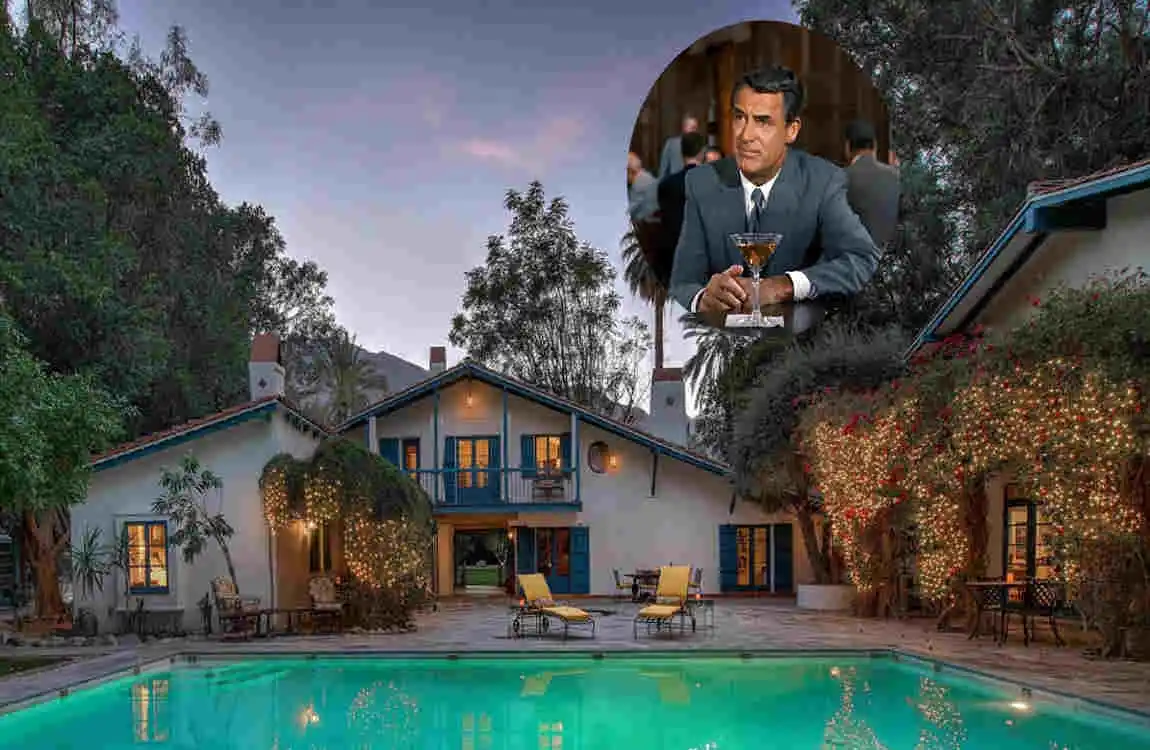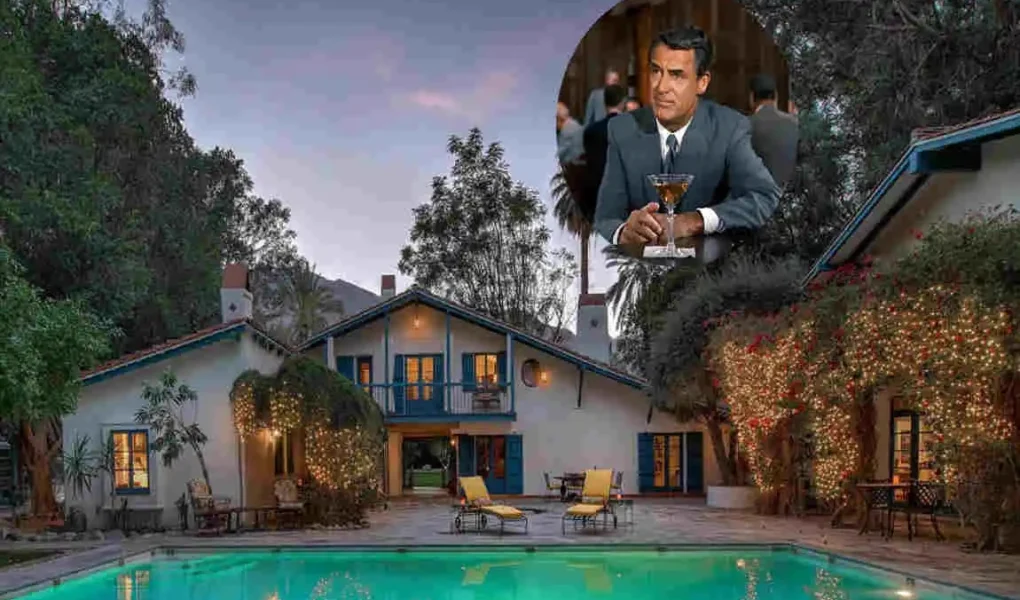
When you think of timeless Hollywood elegance, one name instantly comes to mind—Cary Grant. Known for his charm, style, and unforgettable performances, Cary Grant didn’t just live a glamorous life on screen—he carried that same sophistication into his personal space.
The Cary Grant House continues to fascinate fans, historians, and design lovers alike. It’s more than just a celebrity home. It’s a reflection of an era when Hollywood was at its golden peak, and style meant effortless class rather than excess.
Where Is the Cary Grant House Located?
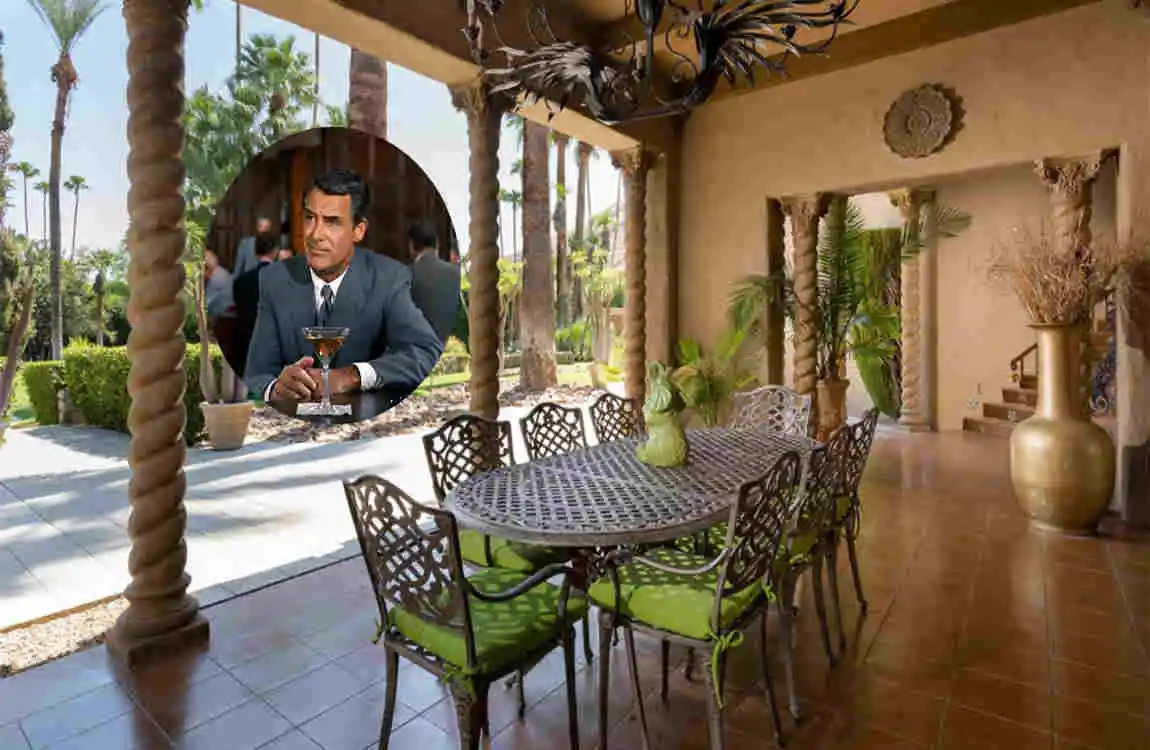
The Cary Grant House is located in the prestigious Beverly Hills area, right in the heart of Los Angeles.
Now, you might be wondering—why Beverly Hills?
During Hollywood’s Golden Age, Beverly Hills became the ultimate destination for celebrities. It offered everything they needed:
- Privacy from the public eye
- Spacious properties surrounded by greenery
- Proximity to film studios
- A community of fellow stars
For Cary Grant, this location was perfect. It allowed him to enjoy peace while still being connected to the vibrant film industry.
Even today, Beverly Hills remains one of the most desirable places for luxury living. And the Cary Grant House is part of that rich legacy.
The Architectural Style of Cary Grant’s House
The Cary Grant House stands as a beautiful example of classic California architecture with touches of mid-century modern design.
What makes this home stand out is its balance. It doesn’t try too hard to impress—but it does so effortlessly.
Key Architectural Features
- Clean, simple lines that create a sense of calm
- Large glass windows that invite natural light
- Open spaces that feel airy and welcoming
- Seamless connection with nature
Instead of overwhelming visitors with complexity, the design focuses on comfort and flow. You move through the house naturally, with each space leading smoothly into the next.
Exterior Highlights of Cary Grant House
The outside of the Cary Grant House is just as captivating as the inside.
You’re greeted by lush landscaping that feels both private and inviting. Tall hedges and greenery provide seclusion, while carefully designed gardens add beauty and charm.
The outdoor area includes:
- A spacious swimming pool perfect for relaxing afternoons
- Patio spaces are ideal for entertaining guests
- A graceful driveway leading to the main entrance
- Gated access ensures privacy and security
Every aspect of the exterior reflects thoughtful design. It’s not just about looks—it’s about creating a peaceful environment.
Inside Cary Grant House: Interior Design and Layout
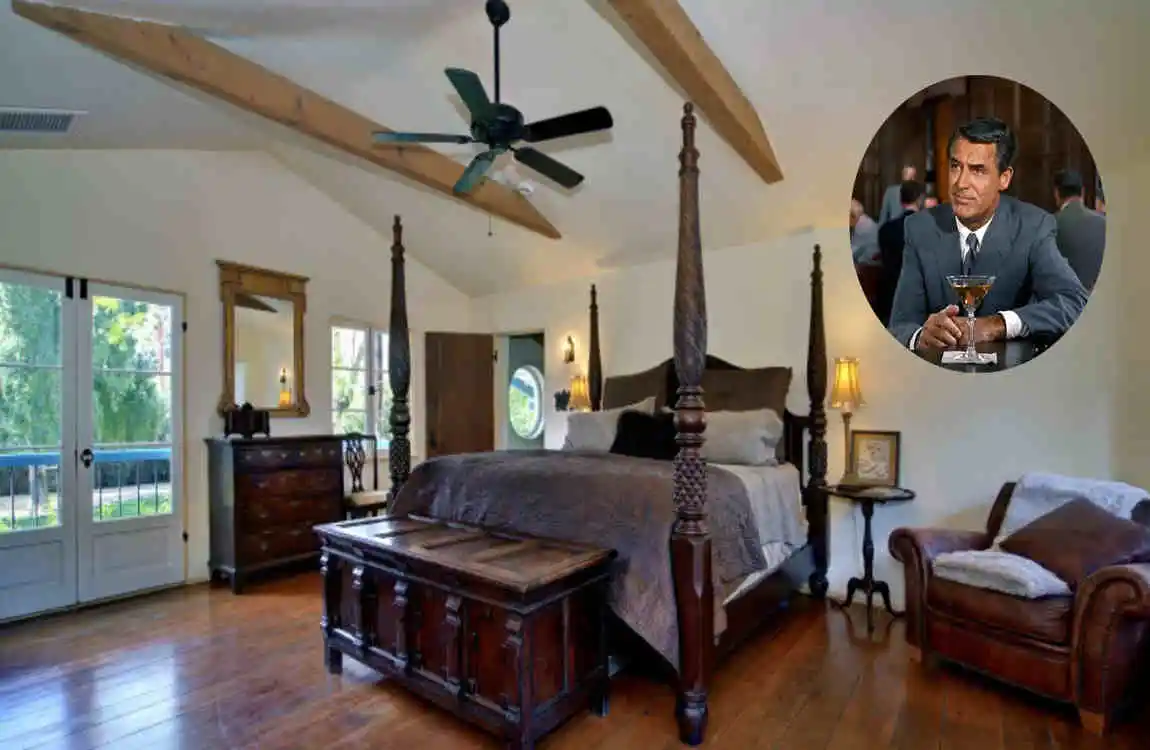
Step inside the Cary Grant House, and you immediately feel a sense of calm.
The layout is open and uncluttered. Rooms flow into each other, creating a natural rhythm throughout the home. This design makes the space feel larger and more welcoming.
Natural light plays a huge role here. Large windows let sunlight fill every corner, creating a warm, inviting atmosphere.
Living Room and Entertainment Spaces
The living room is where Cary Grant’s essence truly shines.
It’s elegant without being overwhelming. Comfortable furniture invites you to sit and relax, while carefully chosen décor adds a touch of sophistication.
You’ll notice:
- Neutral color tones that create a calming vibe
- Minimal yet tasteful decorations
- Artwork that reflects culture and refinement
This space wasn’t just for show—it was meant to be lived in.
Kitchen and Dining Area
The kitchen and dining area of the Cary Grant House combine functionality with style.
While modern kitchens often focus on high-tech features, Cary Grant’s approach was simpler. The focus was on usability and comfort.
The dining area, in particular, played an important role. It was a place where conversations flowed, and connections were built.
Imagine hosting a dinner here—soft lighting, elegant table settings, and engaging conversations. That’s the kind of atmosphere this home was designed for.
Bedrooms and Private Spaces
The private areas of the Cary Grant House reflect a deeper, more personal side of the star.
The main bedroom offers comfort and tranquility. It’s not overly luxurious, but it provides everything needed for rest.
Guest rooms are designed with the same care, ensuring visitors feel welcome.
What stands out most is the personal touch. These spaces feel lived-in and genuine—not staged or artificial.
Unique Features That Made Cary Grant’s House Iconic
So, what truly makes the Cary Grant House special?
It’s not just one thing—it’s a combination of thoughtful design choices.
Standout Features
- Indoor-Outdoor Living
- The home seamlessly blends indoor and outdoor spaces. You never feel disconnected from nature.
- Custom Design Elements
- Every part of the house feels intentional, from layout to décor.
- Timeless Appeal
- Unlike trendy homes, this one remains stylish even decades later.
- Comfort Over Excess
- The focus is always on livability rather than showing off.
This approach sets it apart from many other celebrity homes, which often prioritize extravagance over comfort.
Cary Grant’s Lifestyle at Home
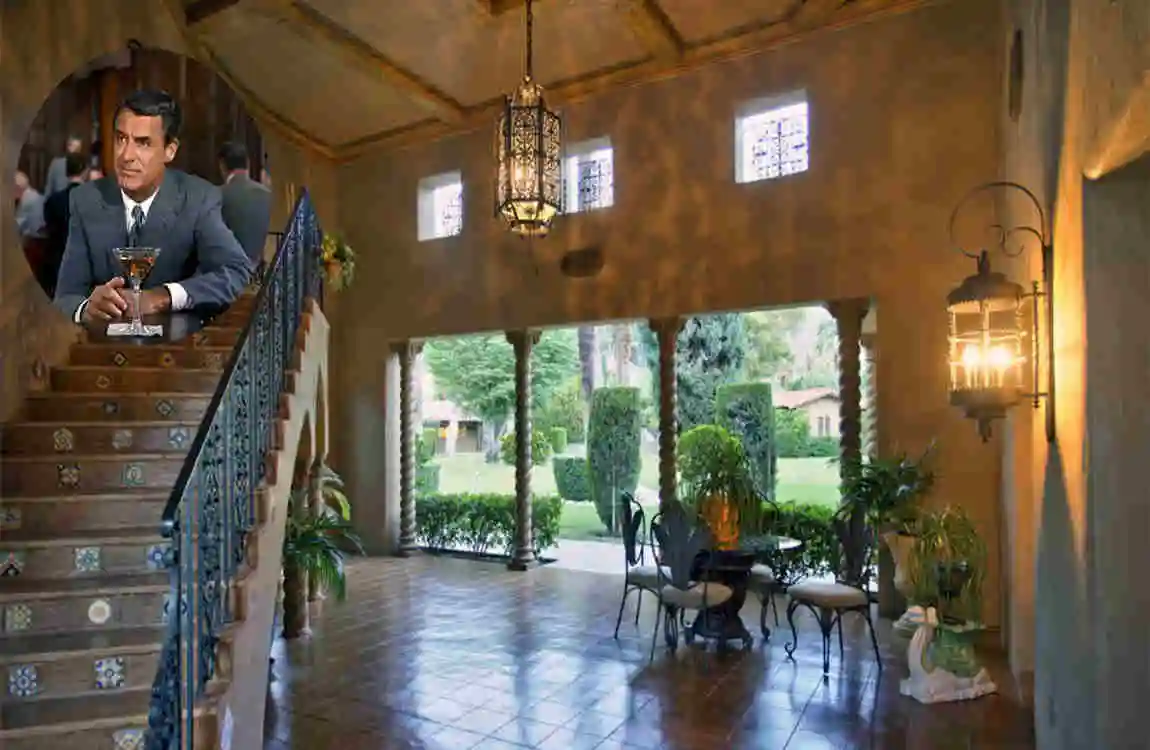
The Cary Grant House wasn’t just a place to live—it was a reflection of his lifestyle.
He valued peace, privacy, and meaningful connections. At home, he could step away from the spotlight and enjoy a quieter life.
His daily routine likely included:
- Relaxing in the garden
- Reading or reflecting in quiet spaces
- Hosting close friends rather than large crowds
This balance between public fame and private calm made his home truly special.
Entertaining Guests in True Hollywood Style
While Cary Grant preferred privacy, he was also known for hosting elegant gatherings.
These weren’t loud or extravagant parties. Instead, they were refined and intimate.
Guests often included fellow actors, directors, and industry figures. Conversations were engaging, and the atmosphere was warm and welcoming.
This style of entertaining reflects a key idea—you don’t need excess to create memorable experiences.
The History of Cary Grant House
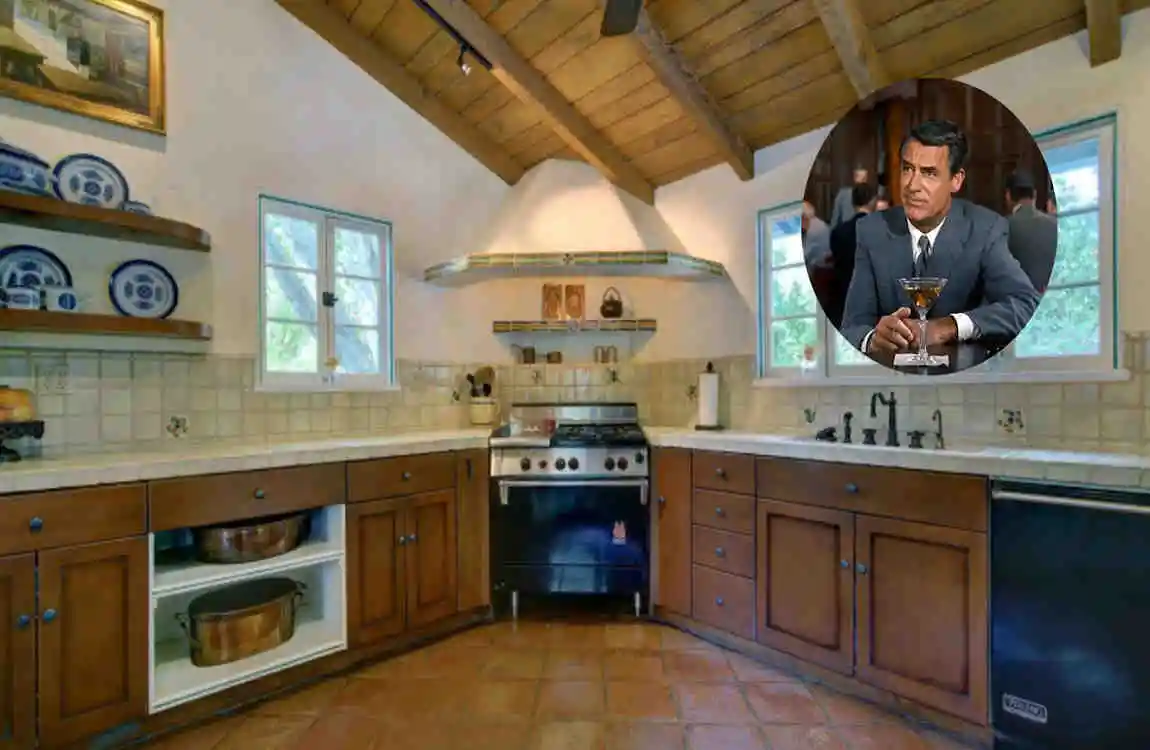
The Cary Grant House carries a rich history that adds to its charm.
It was built during a time when Hollywood was growing rapidly. Cary Grant later acquired the property, making it his personal retreat.
Over the years, the house saw subtle updates. However, its core design remained intact, preserving its original character.
After his time, ownership may have changed, but the home’s legacy continues.
Cary Grant House in Today’s Market
Today, the Cary Grant House holds significant value—not just financially, but culturally.
Homes associated with legendary figures like Cary Grant often attract collectors and luxury buyers.
Why It’s Valuable
Feature Impact
Celebrity Ownership adds historical importance
Prime Location , Beverly Hills prestige
Timeless Design Appeals to modern buyers
Limited Availability Increases demand
Properties like this are rare. They offer more than just living space—they offer a story.
Why Fans Are Still Fascinated by Cary Grant’s House
You might be wondering—why does the Cary Grant House still matter today?
The answer is simple. It represents a different era.
An era where style was subtle, elegance was natural, and homes reflected personality rather than trends.
For fans, it’s a way to connect with Cary Grant’s life beyond the screen. For designers, it’s a source of inspiration.
Design Lessons You Can Learn from Cary Grant’s House
There’s a lot you can take away from the Cary Grant House, even if you’re not living in Beverly Hills.
Simple Design Tips
- Keep it minimal – Avoid clutter and focus on essentials
- Use natural light – It transforms any space
- Blend indoor and outdoor areas
- Choose timeless over trendy
These ideas are easy to apply, no matter your budget or home size.
Cary Grant House vs Other Celebrity Homes
When you compare the Cary Grant House to other celebrity homes, one thing becomes clear—it’s different.
Many celebrity homes emphasize size, luxury, and bold design. Cary Grant’s home, on the other hand, focuses on balance.
Key Differences
- Less flashy, more refined
- Designed for living, not just showing
- Focus on comfort rather than luxury
This makes it stand out even today.
Frequently Asked Questions About Cary Grant House
Where is the Cary Grant House located?
The Cary Grant House is located in Beverly Hills, Los Angeles, one of the most exclusive neighborhoods in the world.
Can you visit the Cary Grant House?
No, the house is a private residence. It is not open to the public.
How much is Cary Grant’s house worth today?
While exact figures may vary, homes in this area often reach multi-million-dollar valuations due to their location and history.
Did Cary Grant design his home himself?
Cary Grant likely influenced the design and layout, but professional architects and designers handled the technical aspects.
Where Does Cary Grant Currently Live?
Cary Grant passed away in 1986, so he does not have a current residence.
Cary Grant House Photos