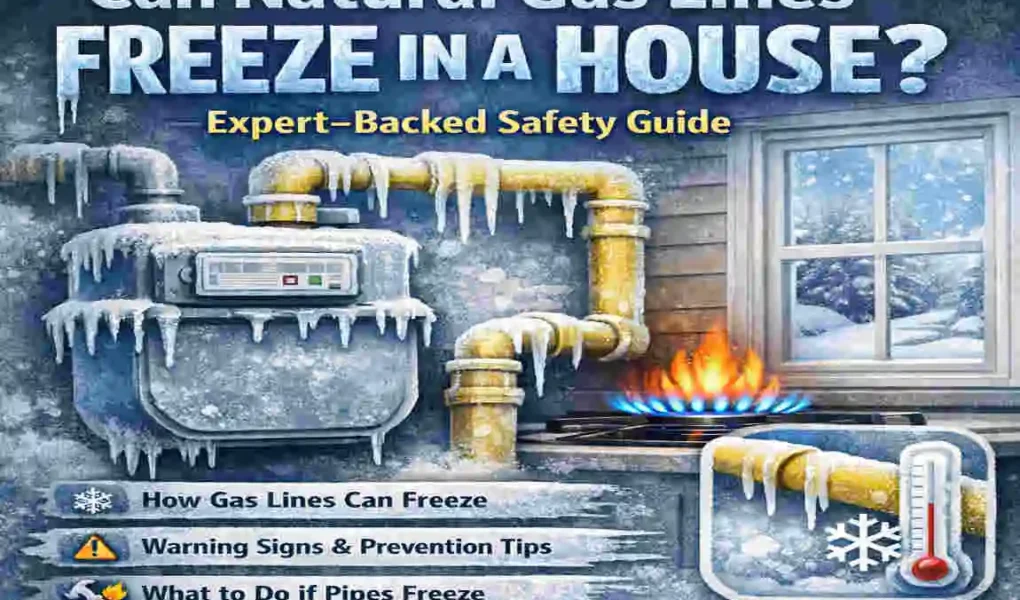
You pull your blankets tighter, realizing the air in your bedroom is uncomfortably cold. You rush to check the thermostat, but your furnace refuses to kick on. You try to turn on the stove to boil water for tea, but nothing happens. Panic sets in as you wonder what went wrong. Could the extreme cold be to blame? This terrifying scenario leads many homeowners to ask one urgent question: Can gas lines freeze in a house?
Natural gas itself is incredibly resilient to cold temperatures. However, it is not the gas that freezes—it is the hidden moisture lurking inside your pipes. When winter storms hit and temperatures plummet, this trapped moisture can turn into solid ice, blocking the flow of fuel to your most essential household appliances.
If you are currently facing a winter freeze or if you want to prepare your home for the colder months ahead, you are in the right place. In this comprehensive, expert-backed safety guide, we will break down the science of why your pipes get too cold, outline the real-world dangers, and show you exactly how to spot the warning signs of a frozen pipe.
The Science Behind Gas Line Freezing
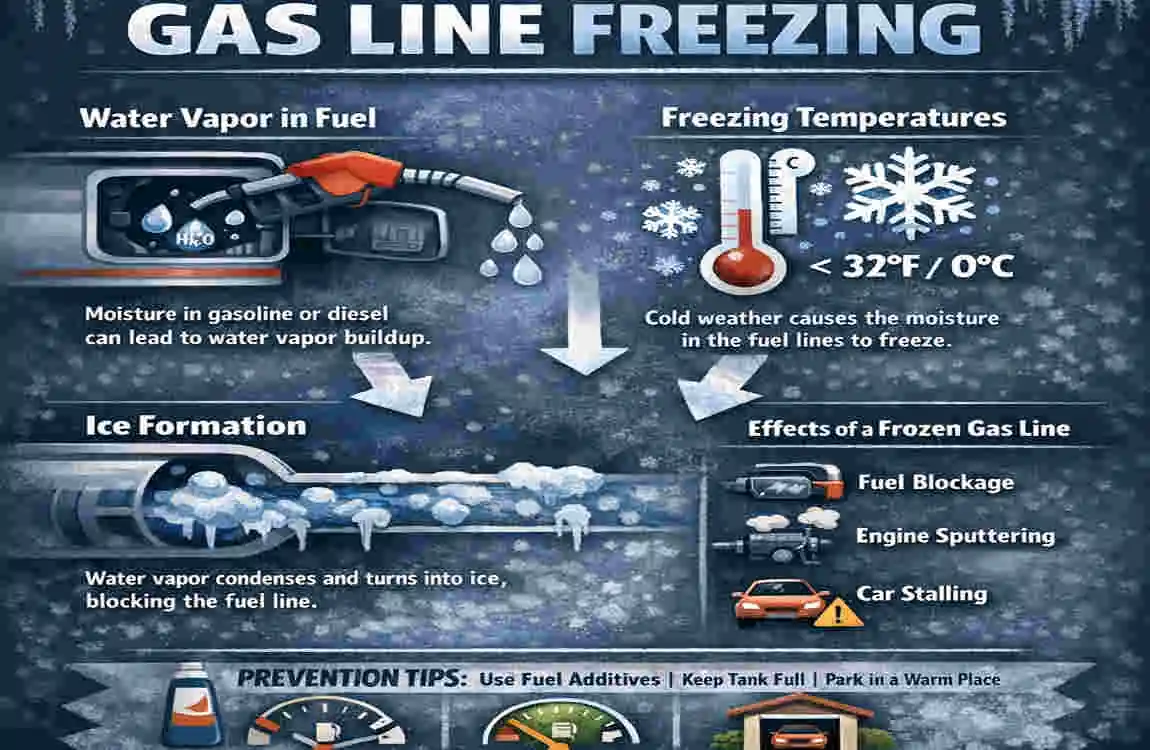
To truly understand how to protect your home, we first need to dive into a little bit of winter science. When you ask, “Can gas lines freeze in a house?” you have to look at the relationship between natural gas, freezing temperatures, and water vapor.
Why Natural Gas Resists Freezing
Let’s clear up a common misconception right away: the natural gas pumping into your home is not turning into a block of ice. Natural gas is composed primarily of methane, a chemical compound that boasts an incredibly low freezing point.
In fact, natural gas does not freeze until the temperature drops to a mind-boggling -162°C (-259°F). Unless you live on another planet, your local winter weather is never going to reach temperatures cold enough to freeze the actual gas molecules. Because of this extreme resilience, the natural gas lines themselves rarely solidify from the fuel alone. So, if the gas is not freezing, what is causing the blockage in your pipes?
The Role of Moisture and Cold Weather
The real culprit behind your winter heating woes is water vapor. Natural gas is not always perfectly dry. As it travels from the municipal supply through underground networks and into your home, it can pick up trace amounts of moisture. Additionally, if your pipes have tiny leaks, humid air from your crawlspaces or basement can enter the lines.
When this water vapor travels through uninsulated pipes during sub-zero weather, it undergoes a rapid temperature drop. Just like a cold glass of lemonade sweats on a hot summer day, the water vapor inside your gas pipe creates condensation.
Because water freezes at exactly 0°C (32°F), those tiny droplets of condensation quickly turn to frost. As more gas flows through, more moisture catches on the frost, eventually building up into a solid wall of ice. This ice blockage restricts or completely stops the flow of gas to your furnace, water heater, and stove. This problem is especially common in highly humid areas or in homes with aging, leaky utility lines.
Factors Increasing Your Risk
While every home has gas lines, not every home will experience a freeze. Several specific factors drastically increase your vulnerability to ice blockages:
- Exposed Outdoor Pipes and Meters: The lines that run along the outside of your house, or the gas meter sitting completely exposed to the wind and snow, bear the brunt of the freezing temperatures. Without the protective warmth of your home, these are usually the first spots to freeze.
- Poor Pipe Insulation: If the pipes running through your unheated attic, garage, or basement lack proper thermal wrapping, the cold air will easily penetrate the metal, freezing the moisture inside.
- Low Gas Pressure from Cold Density Changes: When the weather gets brutally cold, gas becomes denser. This density change can lead to sluggish movement and lower overall pressure. When the gas moves slowly, moisture has more time to settle and freeze against the inner walls of the pipe.
Can Gas Lines Freeze in a House? The Real Risks
Now that we know why ice forms, we must look at the dangers it presents. When you wonder, “Can gas lines freeze in a house?” you also need to ask what happens to your home and your family when they do. The risks range from uncomfortable inconveniences to life-threatening hazards.
Common Scenarios and Vulnerable Spots
Ice blockages do not happen uniformly throughout your home. They target the weakest, coldest links in your plumbing system.
Attics, crawlspaces, and exterior walls are the most vulnerable spots. These areas are rarely climate-controlled, meaning the temperature inside these spaces often mirrors the freezing temperatures outside. If your gas piping snakes through a drafty crawlspace before reaching your furnace, that specific section of pipe acts as a prime freezing zone.
Furthermore, if your home uses propane instead of natural gas, your risk is inherently higher. Propane naturally contains a slightly higher moisture content than natural gas. Additionally, propane is stored in liquid form in a large tank that sits entirely outdoors, exposing the entire fuel supply to the harshest winter elements.
Potential Dangers and Safety Hazards
A frozen gas pipe is not just a nuisance; it is a serious home safety issue. Here are the primary dangers you face:
- Loss of Heat and Appliance Failure: This is the most immediate danger. If ice blocks the gas flow, your furnace stops working. During a severe winter storm, a house without heat can quickly reach freezing temperatures indoors, putting your family at risk of hypothermia and causing your water pipes to freeze and burst.
- Pressure Surges Upon Thawing: When an ice plug finally begins to melt, the gas that has been building up behind it can suddenly rush forward. This massive pressure surge can overwhelm the delicate valves and seals on your older appliances, potentially causing dangerous gas leaks or even creating an explosion risk.
- Carbon Monoxide Leaks: Sometimes, the ice does not block the pipe entirely. Instead, it creates a partial blockage. When your furnace or water heater receives an incredibly low, restricted flow of gas, it cannot burn the fuel efficiently. This incomplete combustion process produces carbon monoxide (CO), a deadly, odorless gas that can quickly fill your home.
Comparing the Risks: Gas Lines vs. Water Pipes
To help you understand the unique dangers, let’s compare a frozen gas line to a frozen water pipe.
Issue: Gas Lines, Water Pipes
Freezing Temperature The moisture inside freezes at 0°C (32°F) The liquid water freezes at 0°C (32°F)
Main Danger: Pressure buildup, gas leaks, and appliance failure. The physical pipe is expanding and bursting
Detection Signs: Pilot lights go out, hissing sounds, Faucets stop dripping, and bulging pipes.
As you can see, while a burst water pipe causes devastating water damage, a frozen gas pipe introduces severe fire, explosive, and air quality hazards.
Signs Your Gas Lines Might Be Freezing’
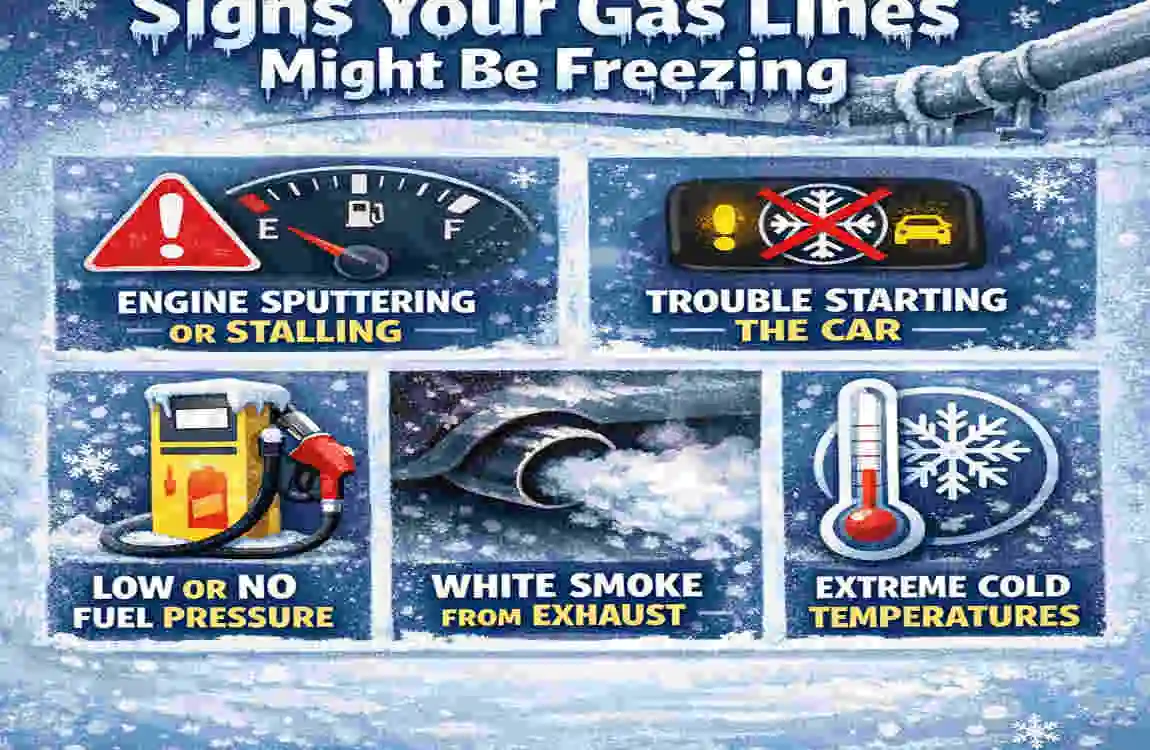
Early detection is your best defense against winter plumbing disasters. You do not have to wait until your house is freezing cold to realize you have a problem. Keep a close eye on your home appliances and plumbing network. If you notice any of the following signs, an ice blockage may be forming.
Your Furnace or Pilot Lights Keep Failing. If your gas oven takes forever to heat up, or your furnace turns on but blows cold air, check the pilot lights. A weak, flickering, or frequently extinguishing pilot light is a classic sign of low gas flow. Furthermore, if the flame on your gas stove burns yellow or orange instead of a crisp, clean blue, it means the appliance is struggling to pull enough gas through a restricted, freezing line.
Strange Hissing or Low-Flow Sounds: Take a walk near your gas meter or the exposed pipes in your basement. If you hear a distinct hissing, whistling, or sputtering sound, pay attention. This noise occurs when gas is being forced through a tiny, narrowed opening caused by a growing wall of ice inside the pipe.
Visible Frost on Exposed Pipes Sometimes, the problem is right in front of your eyes. Inspect the pipes running along the outside of your home. If you see a thick layer of white frost or solid ice forming on the exterior of the metal pipe, the inside of that pipe is almost certainly freezing as well.
Sudden and Unexplained Pressure Drops. If you try to run your gas fireplace and your gas stove at the same time, and both suddenly lose power and fade out, you are experiencing a severe pressure drop. The ice blockage is preventing enough fuel from reaching multiple destinations at once.
URGENT WARNING: The Smell of Gas Natural gas companies add a harmless chemical called mercaptan to your fuel supply. This chemical gives the gas a distinct, foul odor that smells like rotten eggs or sulfur. If you smell rotten eggs in your home, it means the frozen pipe has either cracked or caused a pressure leak at a joint. Do not investigate. Evacuate your home immediately, leave the doors open, and call emergency services or your utility company from a safe distance.
Prevention: Keep Your Gas Lines Flowing
The absolute best way to handle a frozen pipe is to stop it from freezing in the first place. When homeowners ask, “Can gas lines freeze in a house?” they often follow up by asking how they can winterize their property. Prevention requires a mix of proper insulation, smart daily habits, and professional maintenance.
Insulation Essentials
Your first line of defense is creating a thermal barrier between the bitterly cold air and the metal of your gas pipes.
- Foam Sleeves and Fiberglass Wraps: Head to your local hardware store and purchase high-quality foam pipe insulation sleeves or rolls of fiberglass wrap. Carefully wrap every inch of exposed piping in your attic, basement, crawlspace, and along the exterior of your home. Ensure you secure the wrap tightly with specialized waterproof tape so that no cold air can slip through the cracks.
- Electrical Heat Tape: For areas that experience extreme, prolonged freezing temperatures, consider investing in electric heat tape. This specialized cable wraps around the pipe and generates a gentle, constant heat to prevent freezing. Crucial Safety Note: If you use heat tape, you must plug it into a GFCI (Ground Fault Circuit Interrupter) outlet to prevent electrical shocks or fire hazards in damp winter conditions.
Smart Home Habits for Winter
How you manage your home’s interior directly impacts the safety of your plumbing.
- Maintain a Minimum of 55°F Indoors: Even if you are leaving town for a winter vacation, never turn your thermostat completely off. Keep your home heated to at least 55°F (13°C). This ambient heat will radiate through your walls and floors, helping to keep the hidden pipes warm enough to prevent condensation from freezing.
- Seal Drafts and Cracks: Take a weekend to walk around your home’s exterior and foundation. Look for cracks, gaps, or holes where icy winter wind can blow directly onto your plumbing. Use expanding foam, caulk, or weatherstripping to seal these drafts. A cold breeze blowing constantly on a gas pipe will freeze it much faster than still, cold air.
- Keep Propane Tanks Full: If you rely on propane, do not let your tank drop below 30% during the winter. A full tank maintains higher internal pressure. Higher pressure pushes the gas through the lines faster, giving moisture less time to freeze against the pipe walls.
Professional Tips and Upgrades
Sometimes, DIY methods are not enough. Bringing in a professional can save you thousands of dollars in emergency repairs later.
- Schedule Annual Inspections: Before the first snow falls, hire a certified plumber or HVAC technician to inspect your gas lines. They can check for microscopic leaks where moisture might enter and ensure your regulator is functioning properly.
- Install Line Heaters: If you live in an exceptionally cold climate, ask your technician about installing commercial-grade line heaters near your gas meter. These devices safely warm the gas as it enters your home, drastically reducing the risk of a freeze.
Your 10-Step Winter Safety Checklist
To make winterizing easy, we have put together this quick, actionable checklist. Print this out and tackle it before the winter weather arrives!
- Insulate exposed lines: Wrap all pipes in unheated spaces with foam or fiberglass.
- Check meter clearance: Gently brush snow and ice off your outdoor gas meter; never kick it or use a shovel.
- Monitor indoor humidity: Keep your home’s humidity levels balanced to prevent excess moisture from interacting with indoor pipe leaks.
- Seal foundation drafts: Caulk gaps around windows, doors, and crawlspace vents.
- Test your carbon monoxide detectors: Ensure you have fresh batteries in all CO alarms in case of an incomplete combustion leak.
- Schedule a professional tune-up: Have a pro check your furnace and gas regulator.
- Keep the thermostat steady: Maintain a consistent temperature day and night during extreme cold snaps.
- Open cabinet doors: Let warm indoor air circulate around pipes hidden under kitchen or bathroom sinks.
- Check propane levels: Schedule a refill before your outdoor tank drops below a third full.
- Know your shut-off valve: Locate your main gas shut-off valve and keep a wrench nearby in case of emergencies.
What to Do If Your Gas Lines Freeze
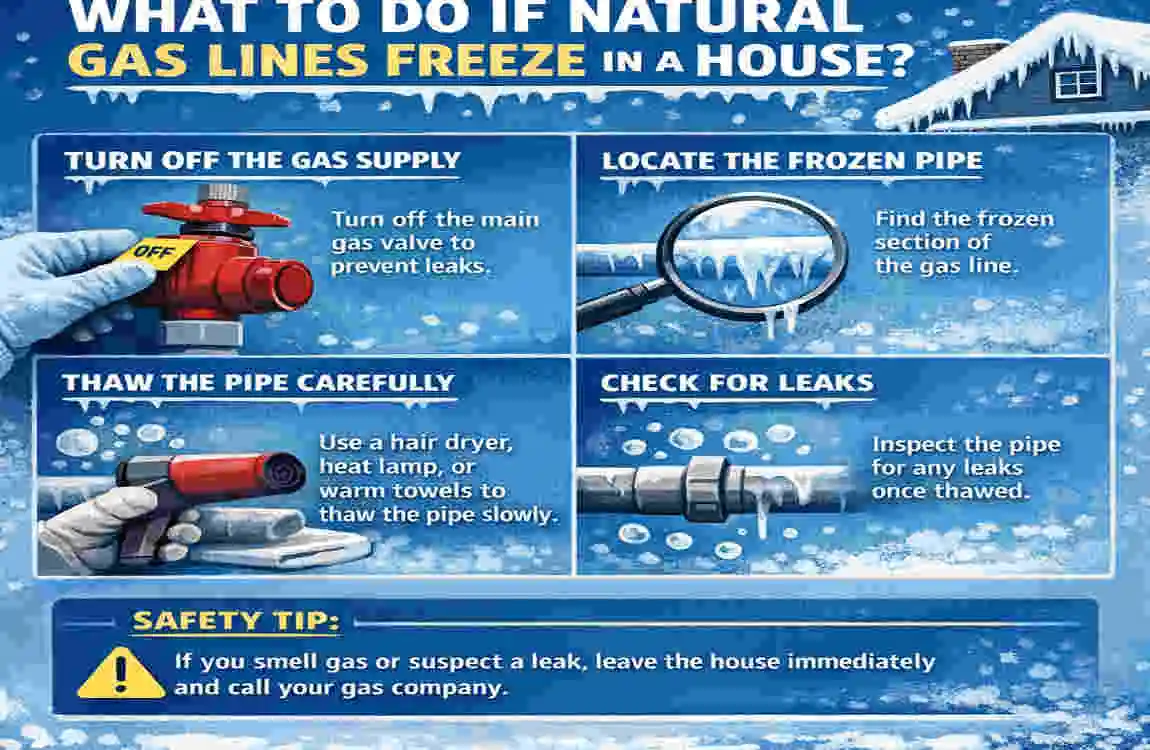
Despite your best efforts, extreme polar vortexes can sometimes overwhelm your home’s defenses. If you wake up and realize your gas lines have officially frozen solid, you must act quickly and safely. Dealing with volatile fuels requires extreme caution.
Immediate Safety Steps
If you suspect a freeze, follow these emergency steps immediately to protect your home and your family.
Shut Off the Main Gas Valve. Your very first move should be to stop the flow of gas from the main source. Locate your main gas shut-off valve, which is usually located outside near the gas meter. Use an adjustable wrench to turn the valve a quarter-turn so that it runs cross-ways (perpendicular) to the pipe. This prevents a massive, dangerous pressure surge from rushing into your appliances once the ice finally melts.
Call Your Utility Company or a Professional. Never attempt to fix a frozen gas pipe yourself. While DIY culture is great for painting walls or fixing leaky faucets, it has no place in natural gas repair. Call your local utility provider or a licensed emergency plumbing professional. They have the training and specialized equipment to handle volatile pressure situations safely.
Avoid Open Flames and Sparks at All Costs. If your pipe has frozen, there is a high chance that gas has leaked into the surrounding area due to a cracked pipe or broken seal. Do not use any open flames. Do not light a candle to see in the dark crawlspace. Do not ignite a lighter. Furthermore, if you smell gas, do not even flip a light switch or use your cell phone inside the house, as a tiny electrical spark can cause an explosion.
Safe Professional Thawing Methods
When you ask, “Can gas lines freeze in a house?” you might also wonder how they are fixed. When the professionals arrive, they will use safe, controlled methods to melt the blockage.
Warm Air Circulation. If the freeze is indoors, professionals may set up commercial space heaters at a safe distance from the pipes to slowly raise the ambient room temperature. They will ensure the area is well-ventilated and monitor the pipes closely.
Steam and Hot Water Injection. For severe outdoor freezes or underground blockages, professionals use specialized equipment to inject steam or hot water directly into or around the pipe casing. This rapidly and safely melts the ice without introducing a flame hazard.
Patience is Key. You must be patient during this process. Safely thawing a frozen gas pipe is not instantaneous. Depending on the size of the ice plug and the outside temperature, the thawing timeline typically ranges from 1 to 4 hours. Rushing the process increases the risk of damaging the pipes.
Frequently Asked Questions (FAQs) About Gas Lines in Winter
Even with all this information, you likely still have a few specific questions about your home. We have compiled the most common queries homeowners have when asking, “Can gas lines freeze in a house?”
Can gas lines freeze in a house when it is only 20°F outside? Yes, it is entirely possible. While 20°F is not cold enough to freeze natural gas, it is well below the 32°F threshold required to freeze water. If there is moisture inside an uninsulated pipe exposed to that 20°F air, it will freeze and create a blockage. Wind chill factors hitting exposed outdoor pipes can also accelerate this process.
Is there a difference in freezing risk between natural gas and propane? Yes, propane systems are generally more prone to winter freezing. Because propane is stored as a liquid in an outdoor tank, it relies on boiling into a vapor to travel into your home. Extreme cold can slow down this vaporization process, causing low pressure. Furthermore, propane naturally holds slightly more moisture, giving ice blockages a head start.
How much does it cost to fix a frozen gas line? The cost can vary wildly depending on the severity and location of the freeze. If a plumber needs to thaw an exposed outdoor line, it may cost a couple of hundred dollars. However, if the freeze caused a pipe to crack, or if it is located deep underground or inside your walls, the repair costs can quickly escalate to anywhere between $200 and $1,000 or more.
Can I pour boiling hot water on my frozen gas pipe to thaw it quickly? Absolutely not. Pouring boiling water over a freezing metal pipe causes an extreme, sudden temperature change. This rapid shift causes the metal to expand violently, leading to what is called “thermal shock.” This can instantly crack or shatter your gas pipe, causing a massive, immediate gas leak. Always leave the thawing to professionals.
Does burying my gas lines deeper help prevent freezing? Yes, burying lines below the regional “frost line” is an excellent preventative measure. The soil below the frost line maintains a relatively constant, above-freezing temperature, insulating the pipes naturally. However, the sections of pipe that emerge from the ground to connect to your meter are still vulnerable.
Will my outdoor gas meter freeze? Yes, snow and ice can easily accumulate on your meter. More importantly, the internal regulator on the meter (which controls the pressure of the gas entering your home) can freeze if moisture gets trapped inside it. Keep your meter clear of snow, but never hit it with a shovel or hard object, as this can damage the regulator.
Is it safe to leave my heat tape plugged in all winter? Yes, provided you are using high-quality, thermostatically controlled heat tape that is specifically rated for outdoor and plumbing use. These modern tapes only draw power when the temperature drops below a certain threshold. Always ensure they are plugged into a GFCI outlet to prevent electrical shorts from melting snow.