
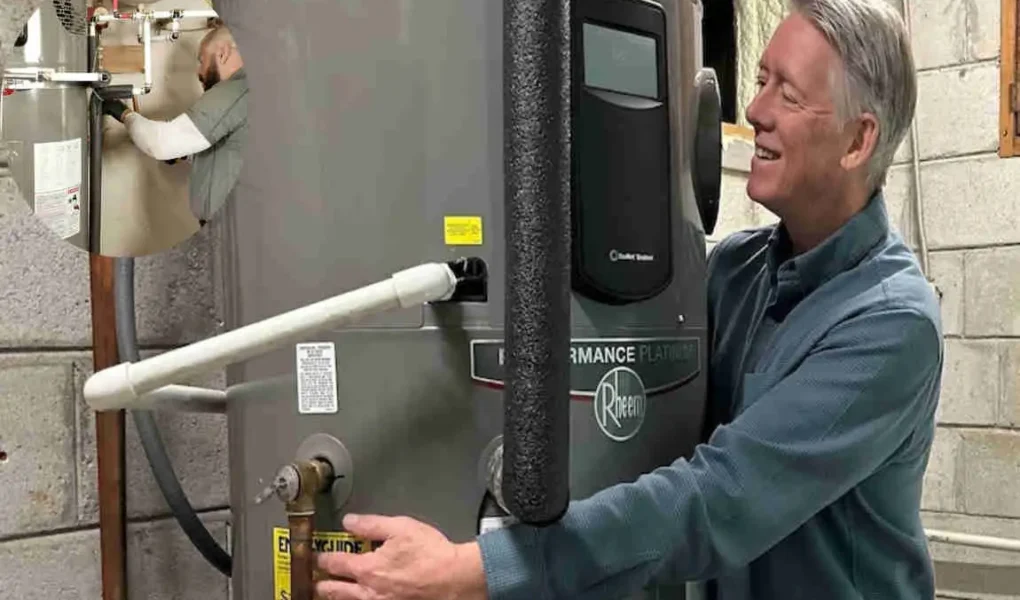
Moving a tank water heater from your basement involves several key steps to ensure safety and proper installation. First, turn off the power or gas supply to the heater and shut off the main water supply. Drain the tank to prevent water spillage during the move. Disconnect the water lines and venting carefully. Use appropriate equipment and help to lift and relocate the heavy unit safely to the new location, considering proper drainage and ventilation needs for the setup. This process may also include installing a water heater pan with a drain to protect the new area from leaks.
Preparing for the Move: Tools and Materials Needed
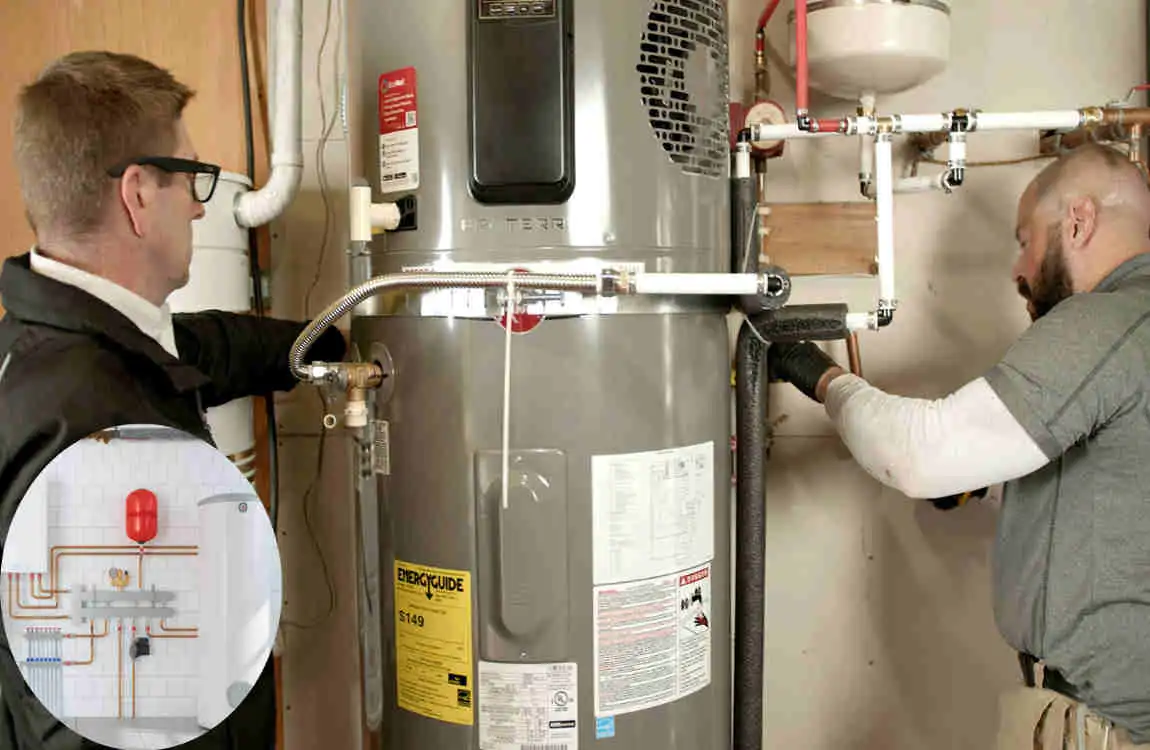
Before you start moving your tank water heater, proper preparation is key. Gather the right tools to make the process smooth and efficient.
You’ll need a pipe wrench to disconnect the plumbing. A screwdriver will help with any electrical connections. Don’t forget an adjustable wrench for tightening fittings back in place.
Safety gear should also be on your list. Wear gloves to protect your hands from sharp edges and heavy lifting. Safety goggles can shield your eyes while working near pipes or electrical parts.
A dolly is essential for transporting that hefty appliance safely. Ensure it’s rated for weight; tank water heaters can be surprisingly heavy.
Plastic sheeting may help protect floors if you’re worried about spills or scratches along the way.
Step-by-Step Guide to Moving a Tank Water Heater
Start by turning off the power supply to your water heater. If it’s electric, switch off the circuit breaker. Turn the gas valve off on gas heaters.
Next, close the cold-water supply valve. This will stop any more water from entering the tank as you drain it.
Attach a hose to the drain valve at the bottom of your heater and direct it outside or into a floor drain. Open this valve and let all the water flow out completely.
Once drained, disconnect both cold and hot water pipes using an adjustable wrench for leverage. Be prepared for residual water spills during this step.
If applicable, disconnect any vent pipes if you’re dealing with a gas unit.
With everything disconnected, secure additional support under your tank before lifting. It may take two people or more, depending on its weight and size—teamwork is crucial here!
Safety Precautions to Take During the Process
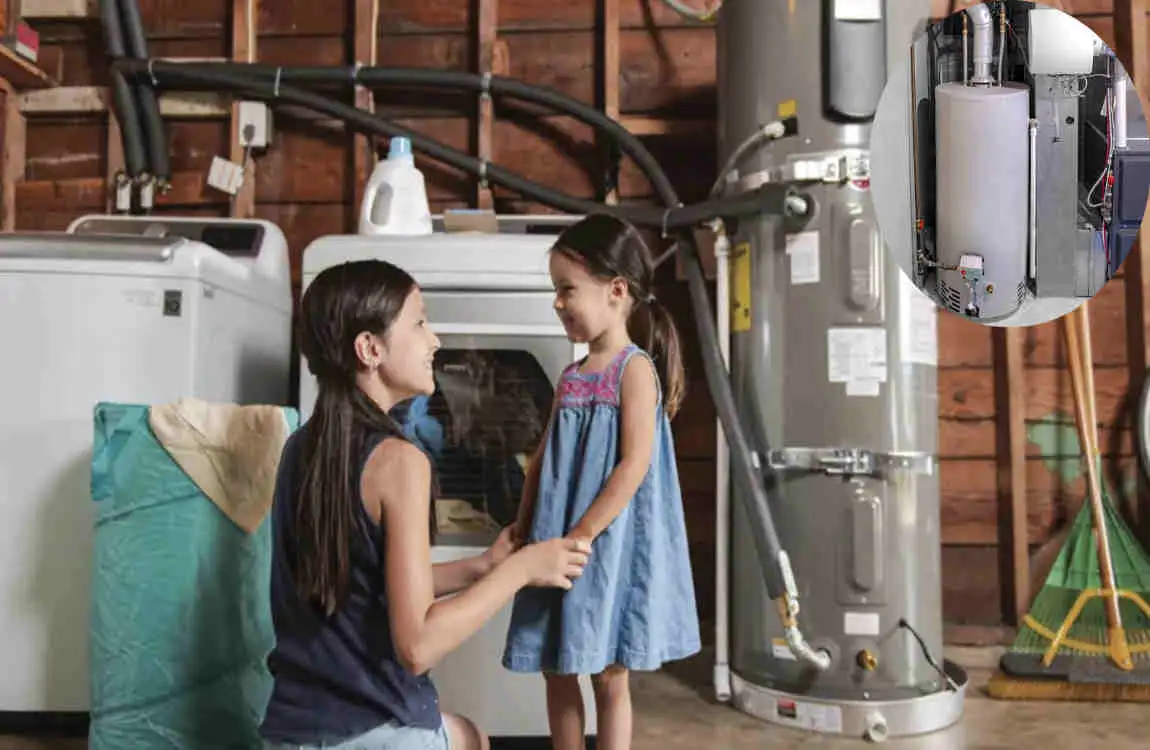
Moving a tank water heater requires careful attention to safety. Start by turning off the power supply if it’s electric, or shutting off the gas line if it’s gas-powered. This prevents any accidents during the move.
Next, make sure to turn off the water supply and drain the tank completely. Water can be heavy, and an overflowing tank could lead to slips or spills in your home basement.
Wear protective gear such as gloves and goggles. These will shield you from sharp edges or splashes while handling tools and equipment.
It’s also wise to have a friend assist you during this process. Two people can manage weight better than one, reducing strain on your back and preventing potential injury.
Clear your workspace of any obstacles that might cause tripping hazards. A tidy area is essential when maneuvering large objects like water heaters.
Common Challenges and How to Overcome Them
Moving a tank water heater from your basement can come with its fair share of challenges. One common issue is weight. These units are heavy, making them difficult to maneuver through tight spaces
If you encounter obstacles like doorways or stairs, consider disassembling any removable parts first. This will lighten the load and make it easier to navigate through narrow areas.
Another challenge is disconnecting plumbing and electrical connections safely. Always turn off the power supply before starting this process. Using proper tools can help prevent damage to pipes or wires.
Water leakage during the move can be problematic as well. Have towels and buckets ready to catch any drips while detaching hoses or fittings.
Ensure that you have enough helping hands for support. It’s best not to tackle this task alone due to safety concerns and potential injury risks associated with lifting heavy equipment.
You may also read (how to understand your homes electrical wiring).
Alternative Options for Relocating a Tank Water Heater
If moving a tank water heater seems daunting, consider hiring professionals. They have the experience and tools to handle heavy appliances safely.
Another option is to opt for a tankless water heater. These units are smaller and easier to install in various locations, eliminating the hassle of relocating a bulky tank.
Sometimes, simply rearranging items around the water heater can improve accessibility without requiring a physical move.
If local regulations allow it, you could leave the unit in place while installing new piping or venting systems that redirect hot water where it’s needed most.
Tips for Maintaining Your Tank Water Heater After the Move
After relocating your tank water heater, maintenance is key to ensuring its longevity.
Start by checking the temperature setting. The ideal temperature for most homes is around 120°F. As a result, scalding is prevented and energy consumption is reduced.
Next, inspect the anode rod every couple of years. This component protects your heater from corrosion. If it’s heavily corroded, replace it to extend the life of your unit.
Also, flush the tank annually to eliminate sediment buildup. Sediment can affect efficiency and heating performance over time.
Don’t forget about insulation! Insulating pipes and the heater itself can minimize heat loss, saving you money on energy bills.
Keep an eye out for leaks or unusual noises. Addressing these issues early can prevent larger problems later on. Regular check-ups will ensure that your hot water stays reliable for years to come.
You may also read (can homes outdoor sensor lights reset my homes outdoor sensor lights easily).