Imagine stepping out of a relaxing hot shower, only to be greeted by a fogged-up mirror and a lingering dampness in the air. Over time, this environment can lead to mold growth, unpleasant odors, and even structural damage in your home. If this sounds familiar, you’re not alone—poor bathroom ventilation affects over 70% of homes.
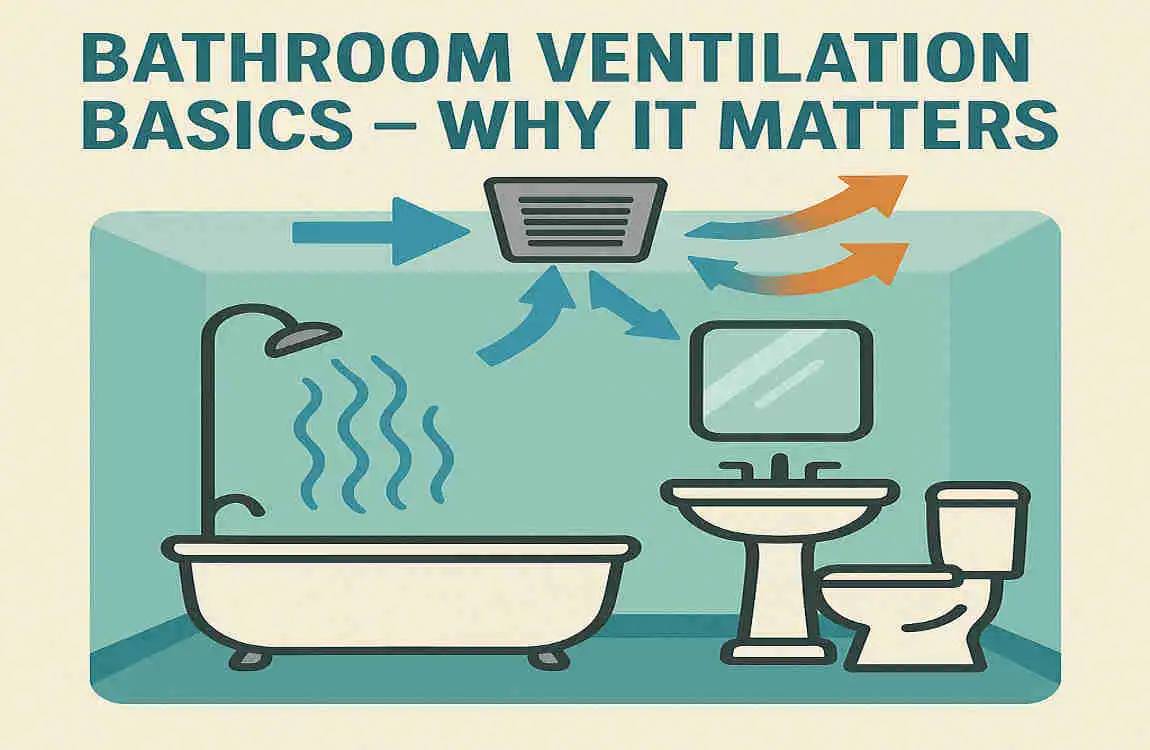
Bathroom Ventilation Basics – Why It Matters
What Are Bathroom Vents?
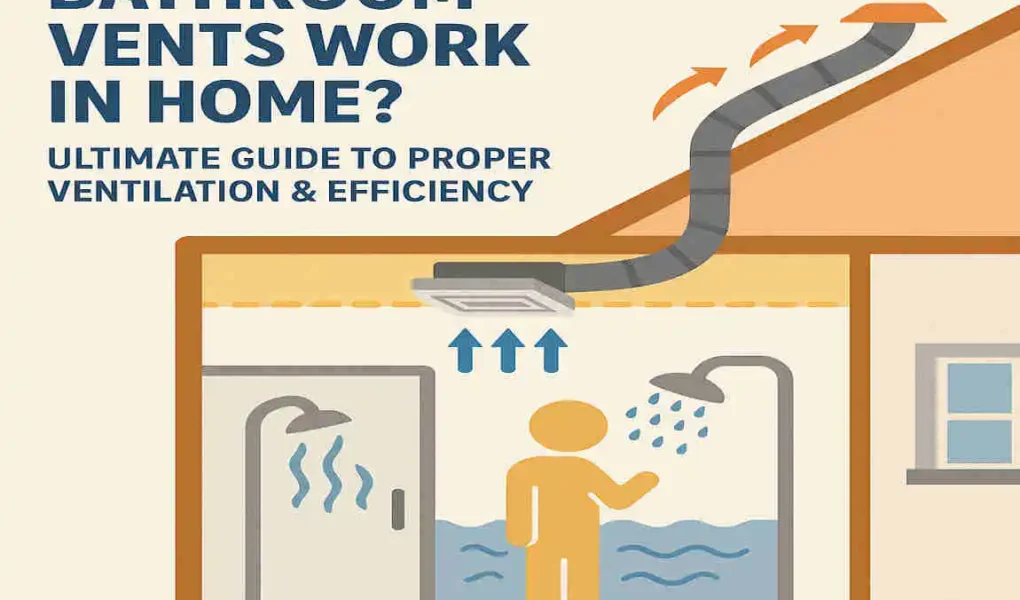
Bathroom vents, also known as exhaust fans, are mechanical systems that pull moist air, odors, and airborne contaminants from your bathroom to the outside. They typically consist of a fan, ductwork, and an external vent outlet, which work together to maintain a healthy indoor environment.
Why Proper Bathroom Ventilation is Essential
A well-ventilated bathroom isn’t just about comfort—it’s also about protecting your health and your home. Here are some key benefits:
- Prevents Mold and Mildew: Mold thrives in damp environments. Without proper ventilation, excess moisture builds up, creating the perfect breeding ground for mold and mildew.
- Improves Indoor Air Quality (IAQ): Bathroom fans help remove odors, airborne pollutants, and humidity, ensuring cleaner, fresher air.
- Protects Your Home: Excessive humidity can damage paint, drywall, and woodwork, leading to costly repairs.
- Enhances Comfort: Nobody likes stepping into a steamy, stuffy bathroom. Proper ventilation ensures a more pleasant experience.
Common Myths About Bathroom Ventilation
There are several misconceptions about bathroom ventilation. Let’s address a popular one:
Myth: “Cracking a window is enough to ventilate your bathroom.”
Fact: While opening a window can help, it’s not a substitute for a mechanical vent fan. Windows don’t actively pull humid air out of the bathroom, especially during colder months when they’re likely to remain closed.
Key Statistics on Bathroom Ventilation
According to the U.S. Department of Housing and Urban Development (HUD), modern building codes require mechanical vent fans in all new bathrooms. These fans must have a minimum airflow of 50 cubic feet per minute (CFM) for intermittent use or 20 CFM for continuous operation.
Fun Fact: Without proper ventilation, humidity levels can exceed 70% after a single hot shower, significantly increasing the risk of mold growth.
How Do Bathroom Vents Work in a Home?
To understand how bathroom vents work, let’s dive into their core mechanics, types, and the overall ventilation process.
Core Mechanics of Bathroom Exhaust Fans
Here’s how bathroom vents operate:
- Air Intake: The fan’s grille pulls in moist, stale air from the bathroom.
- Fan Motor Spins Blades: The motor powers the fan blades, creating airflow.
- Air Moves Through Ducts: The air travels through ductwork, which leads to an external vent outlet.
- Air Expels Outside: Finally, the damp air is expelled outside, preventing it from recirculating within your home.
The effectiveness of a bathroom vent depends on its CFM rating, which measures the cubic feet of air it can move per minute. Think of it as the fan’s “power level.” For example, a small bathroom requires a fan with a lower CFM, while a larger space needs a higher CFM to handle the moisture load.
Types of Bathroom Vents
There are several types of bathroom vents to choose from, depending on your needs:
Type Description Pros Cons
Ceiling-Mounted: Installed on the ceiling; the most common type. Easy to install; space-saving. Requires ductwork.
Wall-Mounted Mounted on walls; ideal for homes without soffits. No attic access needed. Limited airflow options.
Inline Fans are installed within the ductwork, away from the bathroom. Quieter operation; powerful. More complex installation.
Ductless Fans filter air and recirculate it back indoors. Easy installation. Less effective for humidity removal.
The Ventilation Process Visualized
Imagine this: You turn on your bathroom vent after a shower. The fan’s grille immediately starts pulling in the steam-laden air. As the air travels through the ductwork, it’s carried outside your home through a vent outlet, usually located on the roof or an exterior wall.
Proper Installation Guide for Bathroom Vents
Installing a bathroom vent fan might seem daunting, but with proper planning, it’s a manageable task.
DIY vs. Professional Installation
You can install a bathroom vent yourself with the right tools, but it’s essential to ensure the installation complies with building codes. Improper installation can lead to backdrafting (where moist air re-enters your home) or reduced efficiency.
Step-by-Step Installation Process
- Choose the Right Location: install the fan near moisture sources, such as the shower or tub.
- Cut an Opening: Use a jigsaw to cut an opening in the ceiling or wall.
- Install the Fan Housing: Secure the fan housing to the joists or wall studs.
- Run Ductwork: Ensure ducts are insulated and as short as possible to minimize airflow resistance.
- Connect Wiring: Follow the manufacturer’s instructions to connect the fan to your electrical system.
- Install the External Vent: Attach the vent outlet to the exterior of your home.
- Test the Fan: Turn it on to ensure proper airflow.
Boosting Bathroom Vent Efficiency
Sizing Your Vent Fan
Choosing the right vent fan size is crucial. Use this formula to calculate the ideal CFM for your bathroom:
[ \text{CFM} = \frac{\text{Floor Area (sq ft)} \times 1.1}{60} ]
For example, a 100 sq. ft. bathroom would require a fan with a 110 CFM rating.
Energy-Efficient Upgrades
- LED Lights: Vent fans with built-in LED lights save energy while providing illumination.
- Humidity Sensors: These fans automatically activate when moisture levels rise.
- Maintenance Tips: Clean the fan grille every three months and inspect ducts annually.
Troubleshooting Common Bathroom Vent Problems

Even the best bathroom vents can encounter issues. Here’s how to address them:
- Noisy Fans: Check for bent blades or loose components.
- Weak Airflow: Clean clogged ducts and ensure the fan is correctly sized.
- Lingering Odors: Test for backdrafting or improper venting.