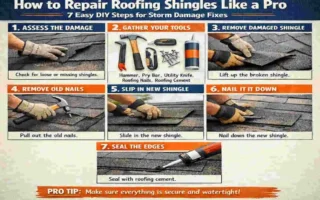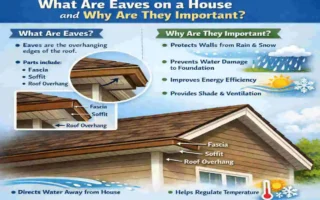
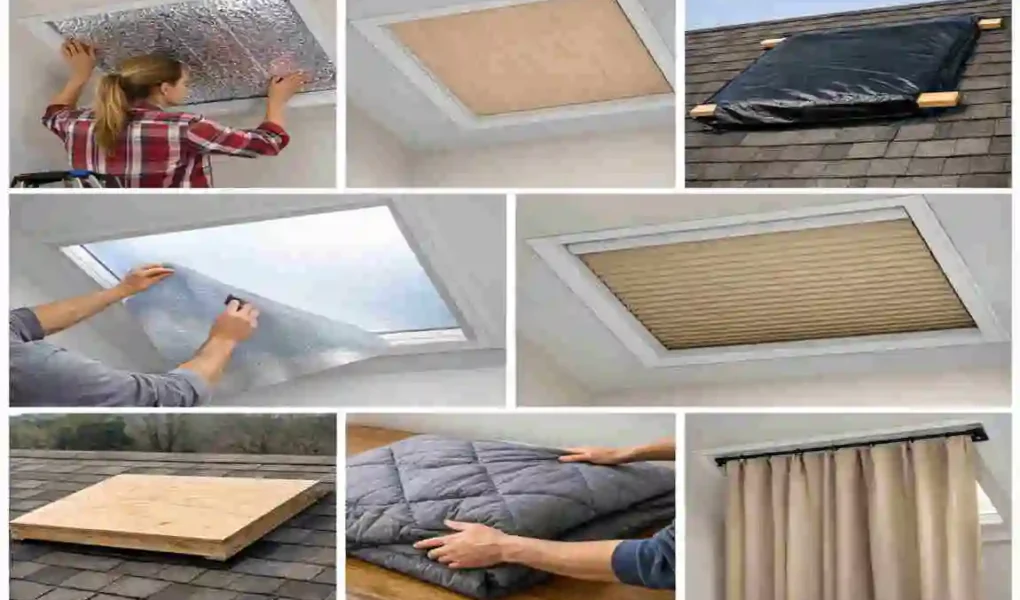
It’s 2:00 PM on a sweltering July afternoon. You’re trying to relax in your living room. Still, instead of a cool sanctuary, a beam of intense sunlight is baking your sofa—and raising the temperature by ten degrees. Or perhaps it’s monsoon season, and that lovely architectural feature overhead has turned into a source of anxiety as you watch for drips. If this sounds familiar, you are likely wondering how to cover a sunroof in the house effectively without spending a fortune.
Sunroofs, often called skylights in residential architecture, are brilliant for natural light but come with unique challenges. While they add aesthetic value to about 15% of modern homes, they are notorious weak points for thermal insulation and waterproofing. Uncovered sunroofs can lead to significant interior damage, from faded carpets caused by UV rays to potential mold growth from minor leaks. More immediately, they hurt your wallet; the EPA’s Energy Star program suggests that heat gain through windows and skylights can increase cooling costs by up to 20%.
Why Cover Your House Sunroof? Common Issues and Solutions
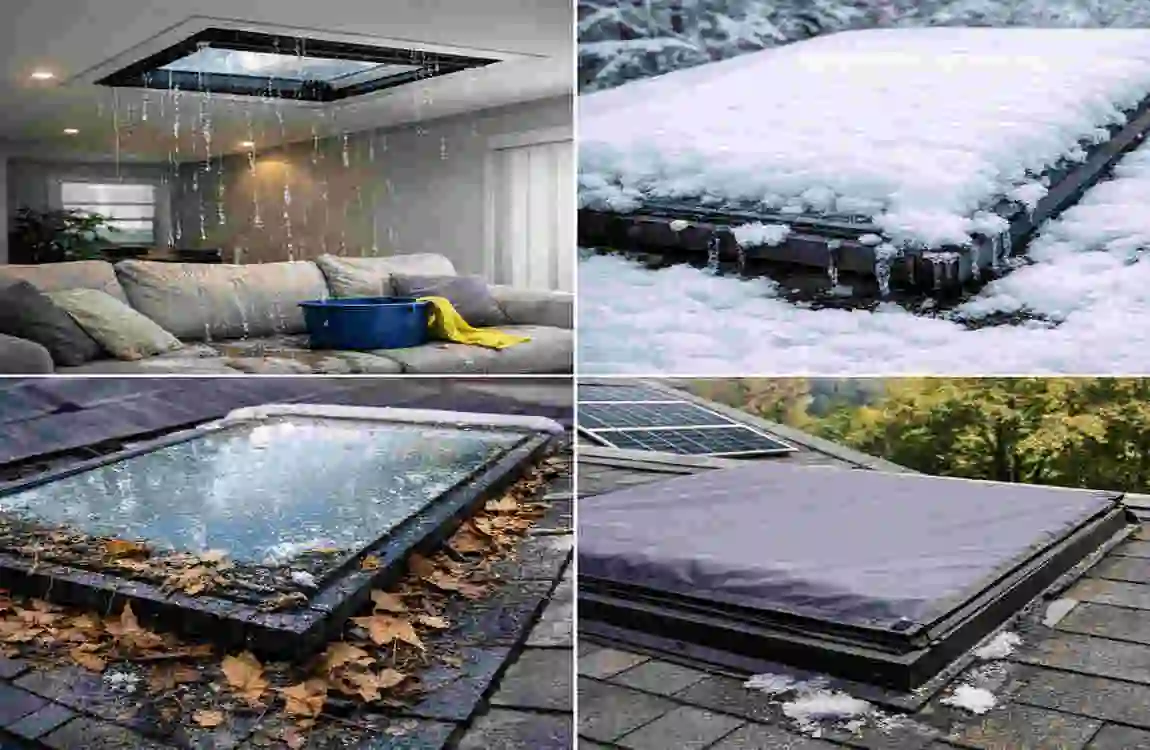
Before we dive into the “how,” let’s talk about the “why.” Understanding the specific problem you are trying to solve will help you pick the best method from our list. Sunroofs generally fall into three categories: fixed skylights (which don’t open), operable vents (which crank open), and large glass roof panels. Regardless of the type, an uncovered sunroof often invites three main intruders: water, heat, and prying eyes.
The Rain and Leak Challenge
In regions with heavy rainfall, like the monsoon seasons in South Asia, a flat or slightly sloped sunroof is a prime candidate for leaks. In fact, roofing industry statistics suggest that nearly 60% of repair calls involving roof features involve sealing issues around skylights. If you are searching for a DIY sunroof cover for rain, you are likely trying to prevent water damage before it ruins your drywall.
The Heat Gain Problem
Glass is a poor insulator. When the sun beats down directly onto a horizontal surface, the greenhouse effect kicks in. This can raise the temperature of the room below by 10 to 15 degrees Fahrenheit compared to the rest of the house. This forces your air conditioner to work overtime, leading to those skyrocketing energy bills we mentioned earlier. The best way to cover a house’s sunroof to reduce heat is to reflect that radiation before it heats your interior air.
Privacy and UV Damage
We often forget that if we can see the sky, neighbors in higher buildings can see us. Privacy is a major concern in dense urban areas. Furthermore, the same UV rays that cause sunburns also bleach your furniture, hardwood floors, and artwork. A simple cover acts as a sunscreen for your home’s interior.
When to DIY and When to Call a Pro
Most of the methods we will discuss are perfect for handling light control, heat reduction, and minor weatherproofing. However, if you see structural sagging, major cracks in the glass, or rotting frames, it is time to call a professional. But for 90% of homeowners, learning how to cover a sunroof in the house using DIY methods is the smartest, most cost-effective move.
Essential Tools and Materials for Sunroof Covers
One of the best things about these projects is that they don’t require a workshop full of power tools. You can find most of these items at your local hardware store, fabric market, or even online. For our readers in places like Pakistan, markets like Brandreth Road in Lahore or local bazaars are treasure troves for these supplies at a fraction of the cost of big-box stores.
Here is a checklist of must-haves before you start:
The Basics
- Heavy-duty Measuring Tape: Accuracy is everything. A loose cover looks messy and functions poorly.
- Sharp Scissors or Utility Knife: For cleanly cutting fabric or plastic sheets.
- Adhesive Hooks or Velcro Strips: Industrial-strength is best for withstanding heat.
- Ladder: Safety first! Ensure it is stable and tall enough to reach the ceiling comfortably.
The Materials
- Fabrics: Look for UV-blocking canvas or blackout liners. In local textile markets, you can often find “thick curtain lining” for Rs. 500-2000 per meter, which works wonders.
- Rigid Materials: For rain protection, you might need polycarbonate sheets or corrugated plastic.
- Insulation: Bubble wrap (yes, really!) or reflective Mylar sheets are excellent at rejecting heat.
- Sealants: If you are working on the exterior for rain protection, a tube of clear silicone sealant is non-negotiable.
Budget Breakdown
Most of the methods below can be completed for under Rs. 5000 (approx. $20-$30). Compared to the hundreds of dollars a professional shade installation costs, DIY is a massive saver. Plus, if you are eco-conscious, many of these covers can be made using recycled textiles or leftover construction materials, making your home sustainable and comfortable.
Easy DIY Methods to Cover a Sunroof in a House
Ready to transform that troublesome skylight? Here are the top 7 proven hacks for covering a sunroof in a house, ranging from quick internal fixes to durable external shields.
Tension Rod Curtains
If your sunroof is set inside a “well” or a recessed shaft in the ceiling, this is hands-down the easiest method. It requires zero drilling and looks professionally done.
- Best For: Privacy, light control, and interior aesthetics.
- Cost: Low ($15-$30).
- Time: 30 Minutes.
Materials Needed:
- Two tension rods (shower curtain rods often work if the size is right).
- Blackout fabric or pre-made curtains.
- Sewing kit or hem tape.
Step-by-Step Instructions:
- Measure the Width: Measure the inside width of the skylight well. Buy tension rods that extend slightly beyond this width.
- Prepare the Fabric: Cut your fabric to the length of the opening plus 4 inches. Sew a pocket (hem) on both the top and bottom of the fabric, large enough for the rods to slide through.
- Insert Rods: Slide the tension rods into the top and bottom pockets of the curtain.
- Install: Position the top rod inside the skylight well and twist to tighten. Pull the fabric taut and install the bottom rod.
- Adjust: You can now slide the fabric to the side if you want light, or keep it closed for privacy.
Velcro Fabric Shades
For a solution that is easy to remove in the winter but tough in summer heat, Velcro is your best friend. This creates a tight seal against the frame, preventing hot air from entering the room.
- Best For: Heat reduction and total blackout.
- Cost: Low ($10-$20).
- Time: 1 Hour.
Materials Needed:
- Heavy-duty adhesive Velcro tape (hook and loop).
- Canvas or blackout cloth.
- Fabric glue.
Step-by-Step Instructions:
- Clean the Frame: Wipe down the perimeter of your sunroof frame with rubbing alcohol to remove dust and grease. This ensures the adhesive sticks.
- Apply Velcro to Frame: Stick the “hook” side of the Velcro tape around the entire perimeter of the sunroof frame.
- Measure and Cut: Cut your fabric about 1 inch larger than the frame on all sides.
- Apply Velcro to Fabric: Attach the “loop” side of the Velcro to the edges of your fabric using fabric glue or by sewing it for extra durability.
- Stick it Up: Press the fabric onto the frame.
Why this works: The air gap created between the glass and the fabric acts as an insulation buffer, significantly cooling the room.
Plexiglass or Acrylic Panels
This is the ultimate DIY sunroof cover for rain. If you have a flat glass roof that leaks or makes a deafening noise during rainstorms, adding a second layer of acrylic on top is a game-changer.
- Best For: Rain protection, sound dampening, and leak prevention.
- Cost: Medium ($50-$100).
- Time: 2 – 3 Hours.
Materials Needed:
- Clear or tinted Acrylic/Plexiglass sheet (cut to size).
- Outdoor silicone sealant.
- Rubber washers and screws (if drilling into an external frame).
Step-by-Step Instructions:
- Measure the Exterior: You need a sheet that overlaps your existing sunroof curb by at least 2 inches on all sides.
- Purchase the Sheet: Have your local hardware store cut the acrylic to your dimensions.
- Apply UV Film (Optional): If you want heat protection too, apply a tint film to the inside of the acrylic sheet before installation.
- Position and Seal: Place the sheet over the skylight. If it’s a flat roof, you can use a heavy bead of silicone sealant around the edges to glue it down (ensure it is compatible with your roof material).
- Weight Down: Place weights on the edges while the sealant cures (usually 24 hours).
Safety Note: Be extremely careful when working on the roof. Do not walk on the skylight itself.
Retractable Roller Blinds
Want the luxury of a motorized shade without the price tag? You can adapt a standard roller blind to work horizontally.
- Best For: Adjustable light control.
- Cost: Medium ($40-$80).
- Time: 2 Hours.
Materials Needed:
- Standard blackout roller blind (spring-loaded).
- Two side tracks or L-brackets.
- A hook or latch.
Step-by-Step Instructions:
- Mount the Blind: Install the roller mechanism at one end of the skylight well using the provided brackets.
- Install Side Supports: Because gravity causes the blind to sag, you need L-brackets or thin wooden strips along the sides of the well to support the fabric edges.
- Add a Latch: Install a small hook or latch at the opposite end of the skylight well.
- Modify the Pull: Attach a small ring to the pull-tab of the blind.
- Operation: Pull the blind across the skylight and hook it onto the latch to keep it closed. Unhook it to let it retract.
Bamboo or Reed Mats
For a bohemian, natural look that lets some light through while blocking harsh glare, bamboo mats are excellent. They are naturally resistant to humidity, making them great for bathrooms.
- Best For: Aesthetics and soft light diffusion.
- Cost: Low ($15-$25).
- Time: 30 Minutes.
Materials Needed:
- Roll of bamboo or reed fencing/blind material.
- Cup hooks.
- Twine or wire.
Step-by-Step Instructions:
- Cut the Mat: Trim the bamboo roll to the width of your skylight using strong shears.
- Install Hooks: Screw four cup hooks into the ceiling corners around the sunroof.
- Prepare the Mat: Tie loops of twine to the four corners of the bamboo mat.
- Hang: Hook the mat onto the ceiling hooks.
- Layering: For more privacy, layer a piece of white cloth above the bamboo.
Bubble Wrap Insulation
This sounds strange, but it is a favorite among frugal DIYers for winter insulation and summer heat reflection. It is the cheapest and best way to cover a house’s sunroof to reduce heat.
- Best For: Extreme temperature control and temporary fixes.
- Cost: Very Low (< $10).
- Time: 15 Minutes.
Materials Needed:
- Large bubble wrap (the kind with big bubbles works best).
- Spray bottle with water.
- Utility knife.
Step-by-Step Instructions:
- Cut to Size: Cut the bubble wrap exactly to the size of the glass pane.
- Clean the Glass: Ensure the sunroof glass is clean and dry.
- Spray Water: Lightly mist the window with water.
- Apply: Press the bubble side of the wrap against the wet glass. The surface tension will hold it in place for months without adhesive!
- Reinforce (Optional): Use a tiny bit of double-sided tape at the corners if it peels.
Note: This obscures the view entirely but lets light in.
Magnetic Frame Covers
If your sunroof has a metal frame (common in industrial-style lofts or older homes), magnets are the smartest mounting method.
- Best For: Metal frames and frequent removal.
- Cost: Low/Medium ($20-$40).
- Time: 45 Minutes.
Materials Needed:
- High-strength rare earth magnets.
- Fabric or lightweight tarp.
- Fabric glue.
Step-by-Step Instructions:
- Sew Magnets into Hem: Fold the fabric edges over to create a hem. Place magnets inside the hem every 6 inches and sew them in place (or use strong glue).
- Check Polarity: Ensure all magnets are facing the right way to stick to the metal frame.
- Snap on: Throw the cover up, and the magnets will snap it into place.
- Adjustment: This is arguably the easiest cover to remove for cleaning.
Comparison Table: Which Method is Right for You?
MethodRain ProtectionHeat BlockPrivacyDIY Difficulty
Tension Rods Low Medium High Easy
Velcro Shades Low High High Easy
Plexiglass High Medium Low Hard
Roller Blinds Low, High, Adjustable , Medium
Bamboo Mats Low Low Medium Easy
Bubble Wrap Low High High Very Easy
Magnets Medium Medium High Easy
Step-by-Step Implementation Tips and Customizations
Now that you have chosen a method, let’s ensure your project is a success. The difference between a “hack” and a long-lasting home improvement lies in the details.
Precise Measuring is Key
The “measure twice, cut once” rule is critical here. Sunroof wells are rarely perfectly square. Measure the width at the top, middle, and bottom. If you are doing an inside mount (like the tension rod), use the narrowest measurement. If you are doing a face mount (like Velcro), use the widest measurement to ensure full coverage.
Climate-Specific Hacks
- For Lahore/Hot Climates: If heat is your main enemy, material matters. Consider lining your fabric covers with Mylar emergency blankets. These shiny silver sheets cost pennies but reflect up to 90% of radiant heat. Sandwich a layer of Mylar between two layers of fabric for a super-insulating blind.
- For Rainy Zones: If you are using external covers like the Plexiglass method, ensure you maintain a slight slope. Never install a flat cover perfectly level outdoors; water will pool, stagnate, and eventually leak. Even a 1-degree slope helps water run off.
Ventilation and Maintenance
One risk of covering a sunroof internally is condensation. Hot air gets trapped between the glass and your new cover, creating moisture that can lead to mold.
- The Fix: Periodically remove the cover (once a week) to let the area breathe. If you use the Velcro method, leave a small 1-inch gap at the very top to allow hot air to escape.
Common Mistakes to Avoid
- Ignoring the Trim: Don’t drill into the glass! Always attach hardware to the wooden or drywall frame surrounding the skylight.
- Using Heavy Fabrics on Adhesive: If you use adhesive Velcro, don’t pair it with heavy velvet drapes. The heat will soften the glue, and the heavy fabric will pull it down. Stick to lightweight canvas or cotton.
Real-Home Transformations and Cost Savings
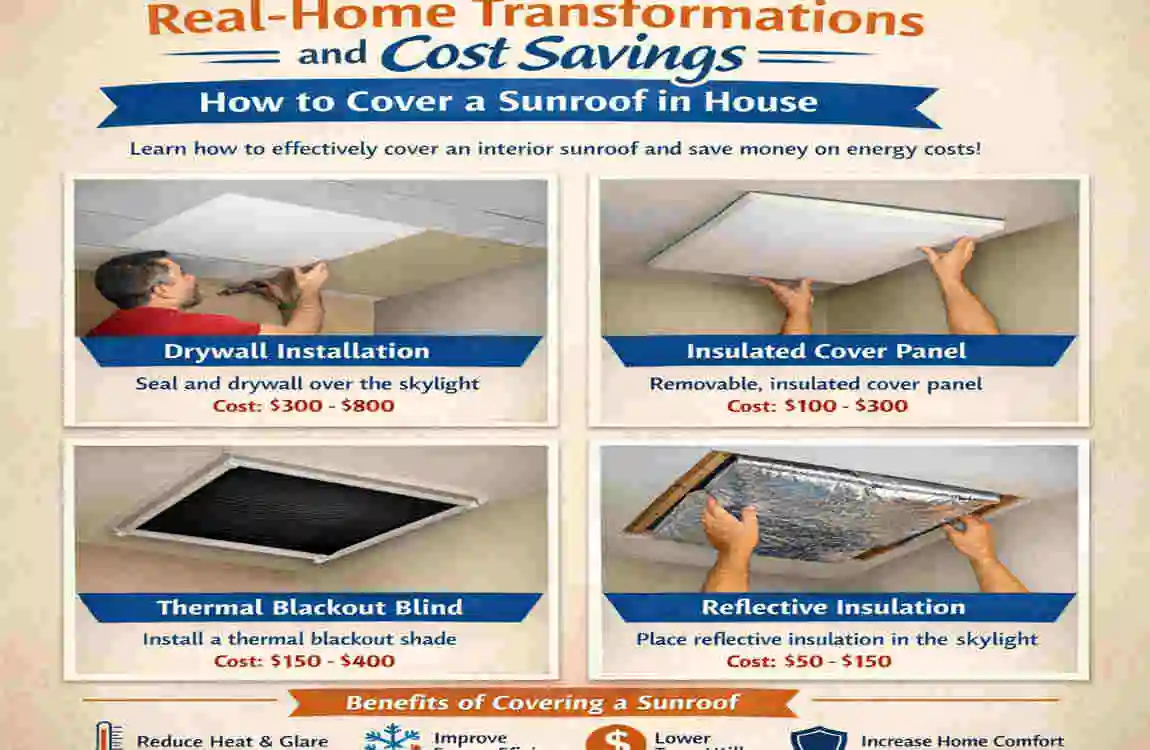
To show you just how effective these methods can be, let’s look at two real-world examples.
The Monsoon Leaks in a Pakistani Villa. Mr. Ahmed in Lahore had a beautiful central atrium with a glass roof. Still, every monsoon season, it dripped water onto his marble floors. Quotes for professional resealing ranged from Rs. 25,000 and up.
- The DIY Fix: He used Method #3 (Plexiglass). He bought a slightly larger acrylic sheet and sealed it over the existing glass with heavy-duty outdoor silicone.
- The Result: Total cost was Rs. 4,500. Two years later, it is still bone dry inside.
The Urban Privacy Fix
- The DIY Fix: She used Method #1 (Tension Rods) with a patterned linen fabric.
- The Result: It took her 20 minutes to install. She now has total privacy, and the soft fabric adds a cozy texture to the room.
The ROI (Return on Investment) Beyond the immediate comfort, these covers pay for themselves. By reducing the heat load on your AC, a Rs. 2000 investment in materials can be recouped in just 3 to 6 months of lower electricity bills.
FAQs: How to Cover a Sunroof in a House
Here are answers to the most common questions homeowners ask when tackling this project.
How to cover the sunroof in the house for rain without drilling?
The best non-drilling method for rain is to use a heavy-duty waterproof tarp secured with bungee cords or clips, provided you have a curb on the roof to hook them to. For a sleeker look, using silicone sealant to glue a plexiglass sheet over the existing frame is effective. It requires no screws—make sure the sealant is rated for outdoor use.
Best sunroof cover for heat in Pakistan?
In high-heat areas like Pakistan, reflective materials are king. A Velcro-attached blackout shade lined with aluminum foil or Mylar is the most effective DIY solution. It reflects the sun before it heats the room air.
Can I use plastic sheets for a temporary sunroof cover?
Yes, you can use thick plastic sheeting (like 6mm polyethylene). However, standard plastic degrades quickly under UV light and becomes brittle. It is a good emergency fix for a storm, but for a long-term solution, opt for UV-resistant acrylic or treated canvas.
How much does a DIY sunroof privacy screen cost?
A simple privacy screen using tension rods and fabric can cost as little as $15-$30 (Rs. 3000). Using bamboo mats is similarly affordable, often costing less than $25.
Is bubble wrap safe for glass sunroofs?
Generally, yes. However, be careful with “Low-E” (low emissivity) glass. Applying bubble wrap or foil directly to the glass can sometimes cause “thermal stress cracks” if the glass absorbs too much heat and expands unevenly. It is safer to use a method that leaves an air gap (such as a tension rod or Velcro frame) if you have expensive, double-paned windows.