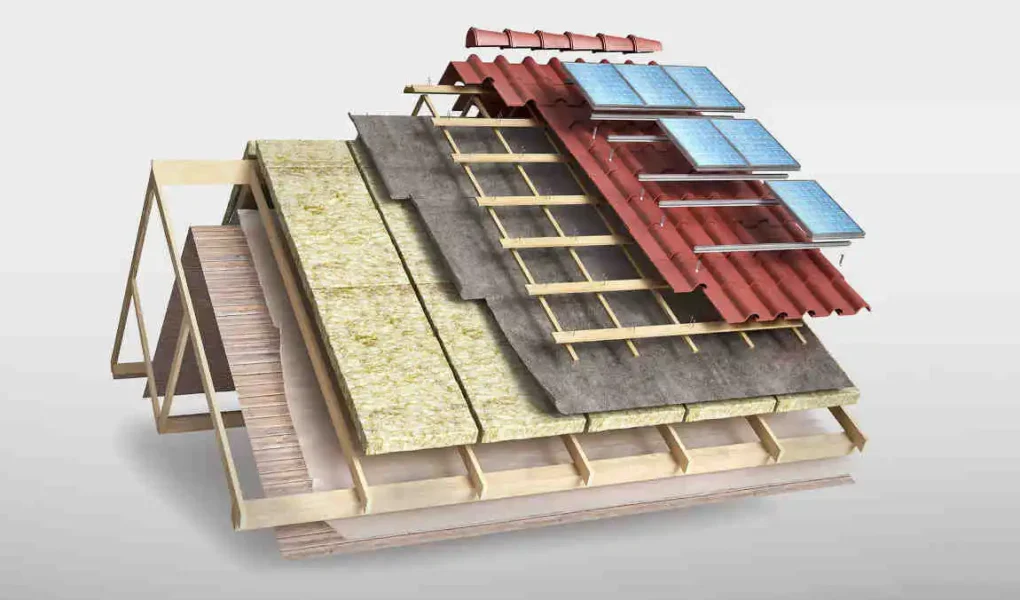
Ever wondered what supports the roof of a house and keeps it from collapsing under heavy rain, strong winds, or a blanket of snow? It’s a fair question—and one every homeowner should understand at least at a basic level.
Your roof may look simple from the outside, but beneath the shingles is a carefully designed framing system. This hidden structure works day and night to support weight, withstand pressure, and protect everything beneath it—including you.
In simple terms, rafters, ridge boards, and roof trusses form the backbone of roof support. Along with other supporting components such as ceiling joists, collar ties, and purlins, they create a strong skeleton that keeps your home standing tall.
Why Roof Framing Matters for Home Stability
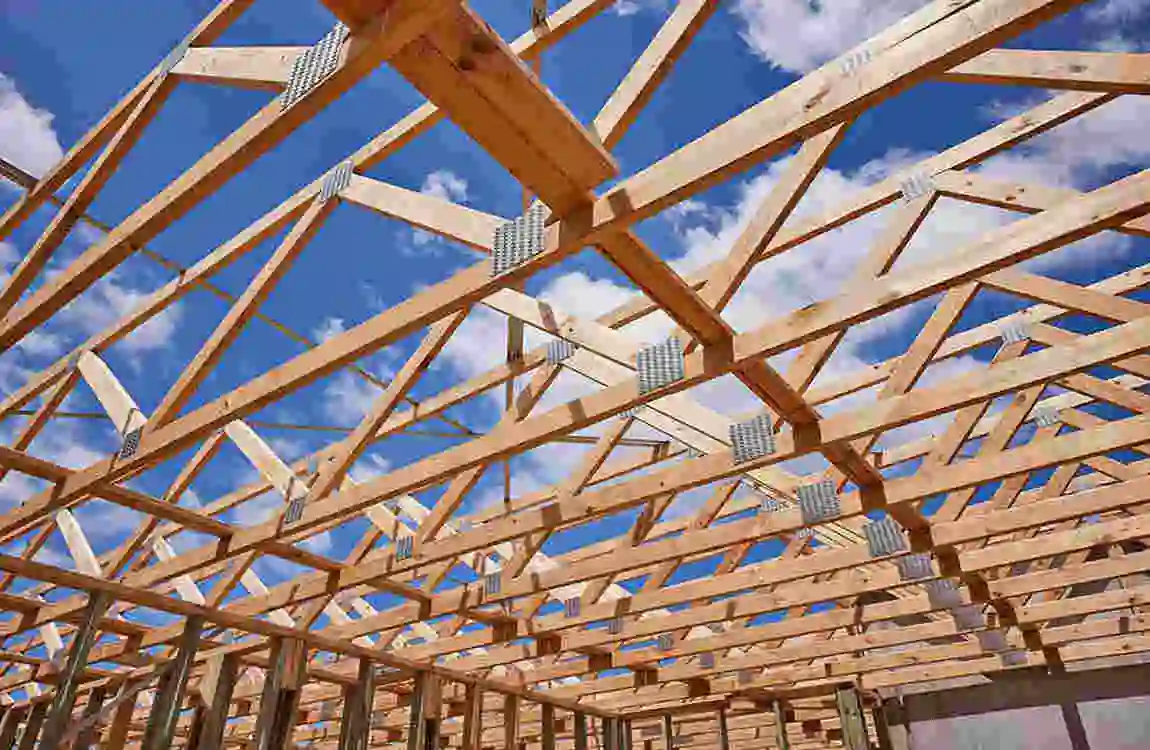
Roof framing isn’t just about holding shingles in place. It’s about protecting your entire home.
Every roof must handle two main types of weight:
- Dead loads – The constant weight of roofing materials, wood framing, and insulation
- Live loads – Temporary forces like snow, wind, rain, and even maintenance workers
The framing system spreads these loads evenly and transfers them down to the walls and foundation. When done right, everything stays balanced. When done poorly, problems begin to show.
What Happens When Roof Framing Fails?
Poor or damaged framing can lead to serious issues, such as:
- Sagging rooflines that worsen over time
- Cracked drywall and ceilings from shifting weight
- Roof leaks caused by warped framing
- Higher energy bills due to insulation gaps
- Lower home value and failed inspections
A common myth is that roof trusses are always better than rafters. The truth is, both systems work well when designed correctly. The right choice depends on roof style, span, budget, and design goals.
Core Components: What Supports the Roof of a House
At the heart of every roof is a group of framing elements working together. Let’s take a closer look at the most important ones.
Rafters – The Sloping Backbone
Rafters are the angled beams that run from the peak of the roof down to the exterior walls. They give the roof its shape and support the roof deck and shingles.
Think of rafters as the arms holding the roof up.
Types of Roof Rafters
Different roof styles use different rafter types:
- Common rafters – Run straight from the ridge to the wall
- Hip rafters – Form the sloping edges of hip roofs
- Valley rafters – Support intersecting roof sections
Each rafter type plays a specific role in evenly distributing weight.
Rafter Sizing and Spacing
Rafter size depends on:
- Roof span
- Roof pitch
- Snow and wind load
- Lumber type
Here’s a simple reference table:
Rafter Type Span (ft)Common Size Typical Use Case
Common Rafter 12–20 2×8 Gable roofs
Hip Rafter 10–16 2×10 Hip roofs
Most rafters are spaced 16 to 24 inches apart, creating a strong and stable framework.
Ridge Board – The Central Spine
The ridge board runs horizontally along the peak of the roof. Its main job is alignment.
It:
- Keeps rafters properly positioned
- Creates a straight ridge line
- Helps maintain roof symmetry
In many homes, the ridge board is not load-bearing. The rafters support each other by leaning inward.
However, in modern or open-concept homes, builders often use a ridge beam instead.
Ridge Board vs. Ridge Beam
- Ridge board – Alignment only
- Ridge beam – Carries the roof load and transfers it to the posts
Ridge beams are standard in vaulted ceilings where ceiling joists are missing.
Roof Trusses – Pre-Fabricated Powerhouses
Roof trusses are factory-built triangular frames designed to replace traditional rafters.
They’re popular because they:
- Install quickly
- Span long distances (up to 40 feet)
- Reduce labour costs
Anatomy of a Roof Truss
Each truss includes:
- Top chords – Sloping edges that support the roof
- Bottom chord – Acts as a ceiling joist
- Webs – Internal braces that distribute loads
Supporting Elements That Reinforce Roof Framing
Beyond rafters and trusses, several secondary components play a critical role in roof stability.
Ceiling Joists
Ceiling joists run horizontally between walls and serve two primary purposes:
- Support ceilings and attic floors
- Prevent walls from spreading outward
In rafter-framed roofs, ceiling joists are essential for structural balance.
Collar Ties
Collar ties connect opposing rafters near the top of the roof.
They:
- Reduce uplift from wind
- Help keep rafters from separating
While not always required, collar ties add valuable reinforcement in storm-prone areas.
Purlins
Purlins provide mid-span support for long rafters.
They:
- Run perpendicular to rafters
- Reduce sagging
- Transfer loads to interior walls
Purlins are especially useful in older homes with long roof spans.
Beams and Posts
For open layouts and large spans, beams and posts provide extra support.
They:
- Carry heavy loads
- Transfer weight to foundations
- Allow for fewer interior walls
These supports are common in additions and vaulted ceiling designs.
Component Comparison Table
Component Primary Function Typical Material
Collar Ties Prevent wall spread 2×4 lumber
Purlins Rafter reinforcement 2×6 engineered wood
Materials and Tools for Roof Supports
Choosing the right materials ensures long-term performance and safety.
Common Lumber Types
- Douglas fir – Strong and durable
- Southern pine – Affordable and widely available
- Engineered lumber (LVL, glulam) – High strength, consistent quality
Fasteners and Connectors
Modern roofs rely on metal hardware, including:
- Hurricane ties
- Joist hangers
- Structural screws
These connectors improve resistance to wind and earthquakes.
Building Codes and Safety
Local building codes follow IRC span tables, which factor in:
- Snow load
- Wind zone
- Roof pitch
Roof Types and Their Support Systems
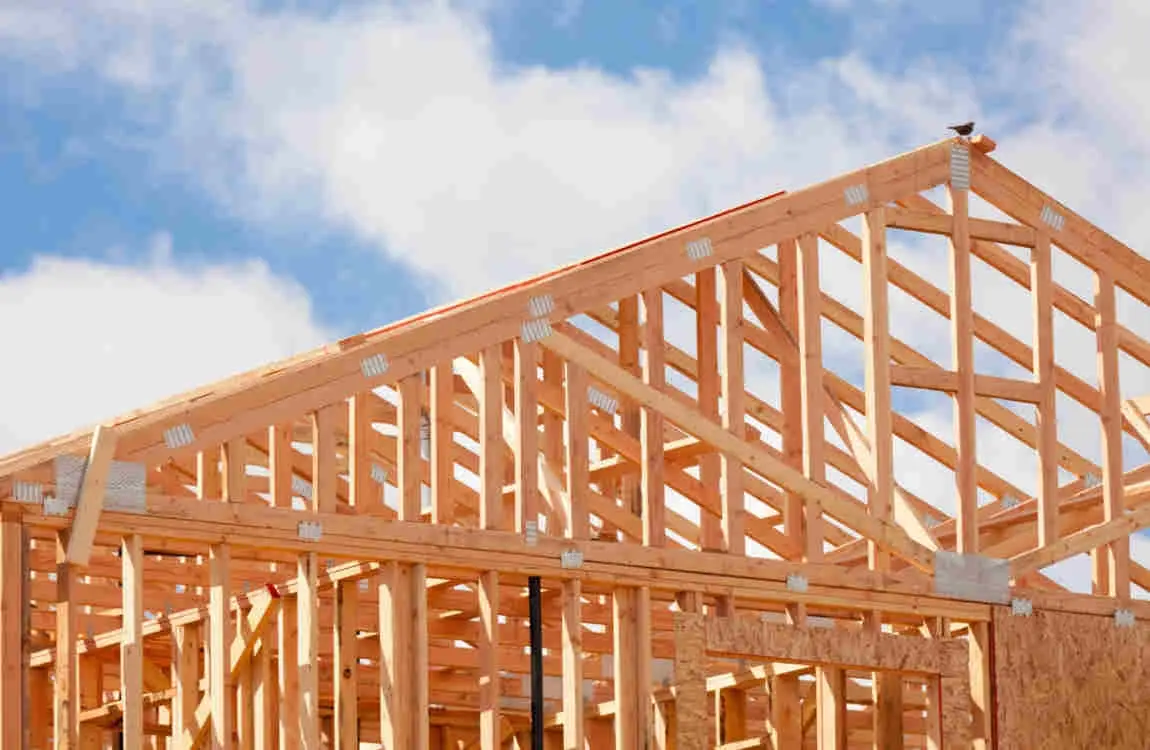
Different roof styles use different framing approaches.
Common Roof Types
- Gable Roof – Rafters and ridge board
- Hip Roof – Hip rafters and common rafters
- Mansard Roof – Complex truss systems
Roof Support Comparison Table
Roof Style Primary Support System
Gable Rafters + ridge board
Hip Hip rafters + purlins
Mansard Custom trusses
Each system is designed to handle specific loads and architectural goals.
Common Issues and Roof Support Maintenance
Even strong framing can weaken over time.
Warning Signs to Watch For
- Sagging roof ridge
- Cracked ceilings or walls
- Doors sticking or misaligned
- Visible wood rot in the attic
Common Fixes
- Sistering damaged rafters
- Adding purlins or collar ties
- Reinforcing ridge beams
Quick Inspection Checklist
- Check the attic after storms
- Look for moisture stains
- Inspect connectors and fasteners