Your garage is more than just a parking space for your car—it’s a valuable part of your home that protects your vehicle, tools, and other possessions. But have you ever stopped to think about what’s protecting your garage? The roof of your garage plays a vital role in safeguarding everything below it, yet it’s often overlooked. If your garage roof is old, damaged, or made from the wrong material, you could be inviting leaks, structural problems, and costly repairs.
Why Garage Roofs Need Special Protection (And Why Material Matters)

A garage roof isn’t like a regular house roof—it faces unique challenges. Understanding these stresses is essential to choosing the right material.
Common Garage Roof Challenges
UV Degradation: Garages, especially detached ones, often face more sunlight exposure than other parts of your home. Prolonged exposure to UV rays can weaken roofing materials over time, leading to cracking, fading, and leaks.
Hail and Impact Damage: Hailstorms, falling branches, and debris can wreak havoc on weak garage roofs. Without a durable material, your roof may need frequent repairs.
Poor Ventilation: Garages often lack proper ventilation, which can lead to excessive heat buildup in summer or moisture problems in winter. Over time, these issues can compromise your roof’s integrity.
Temperature Swings: In areas with extreme climate variations—like scorching summers and freezing winters—materials expand and contract. This can cause shingles to warp, crack, or loosen.
Vehicle Fumes and Humidity: Garages are enclosed spaces where heat, fumes, and humidity accumulate. These conditions can accelerate wear and tear on the roof material.
Why the Right Material Matters
Choosing the wrong roof material can lead to severe problems, such as leaks, mould growth, and even structural failure. For example, asphalt shingles, while affordable, may not withstand the intense heat of a Lahore summer or heavy snowfall in colder climates. On the other hand, metal roofs, though more expensive, offer long-term durability under harsh conditions.
Top 7 Garage Roof Materials Compared: Pros, Cons, and Costs
To determine the best material for a garage roof, we’ll compare the most popular options based on durability, cost, and suitability for different environments.
Comparison Table: Top Garage Roof Materials
MaterialDurability (Years)Cost per Sq FtBest ForDrawbacks
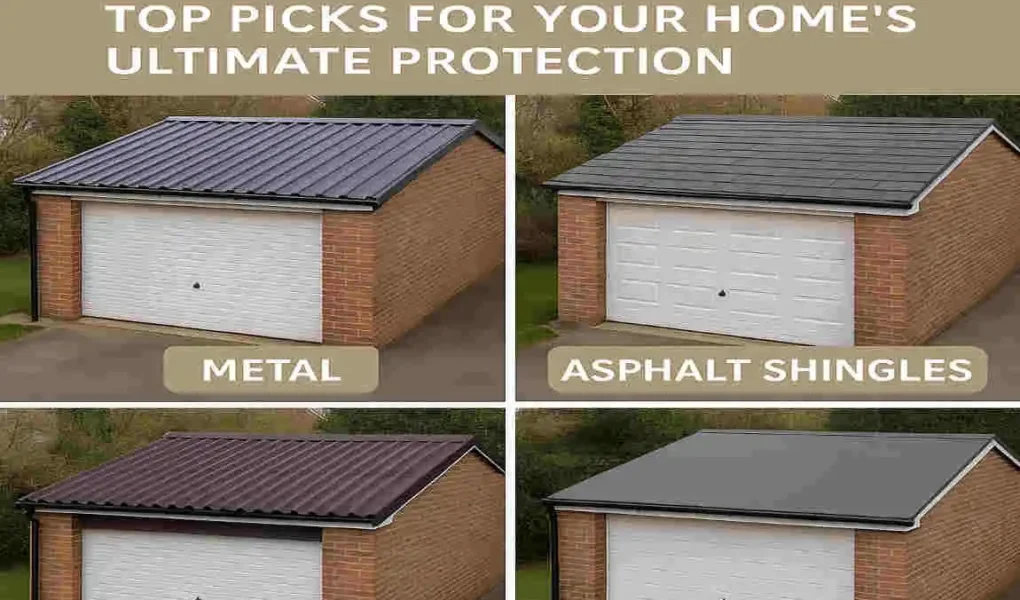
Asphalt Shingles 20-30 $3-5 Budget-friendly homes Prone to heat fading
Metal Roofing 40-70 $7-12 Long-term durability Higher upfront cost
Tile Roofing 50-100 $8-15 Hot climates Heavy, expensive to install
Rubber (EPDM/TPO) 20-30 $4-8 Flat roofs, waterproofing Limited aesthetic appeal
Wood Shakes 20-40 $6-9 Rustic look , Fire risk, high maintenance
Slate Roofing 100+ $10-20 Luxury and longevity Very heavy, high cost
Synthetic/Composite 30-50 $5-10 Lightweight, versatile , relatively new, untested
Now, let’s dive deeper into each option.
Asphalt Shingles: Affordable and Widely Available
Asphalt shingles are one of the most common roofing materials, thanks to their affordability and ease of installation.
Pros:
- Cost-effective and widely available.
- Easy to install, making them a popular choice for DIY enthusiasts.
- Available in various colours and styles to match your home’s exterior.
Cons:
- Not suitable for extreme heat or heavy snowfall.
- Lifespan is shorter than that of other materials.
Asphalt shingles are a great option for those on a tight budget, but they may not provide the longevity or durability needed in harsh climates.
Metal Roofing: The Durable Champion
Metal roofing is quickly becoming a favourite for garage roofs due to its incredible durability and modern aesthetic.
Pros:
- Lasts 40-70 years with minimal maintenance.
- Fire-resistant and highly durable against hail and extreme weather.
- Reflects sunlight, reducing cooling costs by up to 30%.
Cons:
- Higher upfront cost compared to asphalt.
- It cannot be quiet during rain unless soundproofing layers are added.
If you’re looking for long-term value and protection, metal roofing is hard to beat, especially in regions with extreme weather.
Tile Roofing (Clay/Concrete): Aesthetic and Heat-Resistant
Tile roofs, made of clay or concrete, are popular in hot climates due to their ability to withstand high temperatures.
Pros:
- Extremely durable, lasting 50-100 years.
- Excellent at insulating against heat.
- Aesthetic appeal for Mediterranean-style homes.
Cons:
- Heavy, requiring a sturdy garage structure for support.
- Expensive to install and repair.
Tile roofs are ideal for areas with intense heat, but their cost and weight may be a drawback for some homeowners.
Rubber (EPDM/TPO): Flexible and Low-Maintenance
Rubber roofing materials, such as EPDM and TPO, are commonly used for flat or low-slope roofs.
Pros:
- Waterproof and resistant to leaks.
- Lightweight and easy to install.
- Eco-friendly options available (recyclable materials).
Cons:
- Limited design options—doesn’t suit traditional aesthetics.
- Shorter lifespan compared to Premium materials like metal or tile.
If you have a flat-roof garage, rubber roofing might be the most practical choice.
Wood Shakes/Shingles: Rustic but High-Risk
Wooden shingles offer a natural and rustic look that complements certain architectural styles.
Pros:
- Beautiful, natural aesthetic.
- It can last 20-40 years with proper maintenance.
Cons:
- Vulnerable to fire unless treated.
- Prone to rot, mould, and insect damage in humid climates.
While wood shingles can add charm to your garage, they require significant upkeep and may not be the best choice for humid or wildfire-prone areas.
Slate Roofing: Premium Longevity
Slate is a natural stone material that offers unparalleled durability and elegance.
Pros:
- It can last over 100 years with proper care.
- Resistant to fire, water, and harsh weather.
- Adds a luxurious aesthetic to your property.
Cons:
- Very expensive to install and repair.
- Extremely heavy, requiring reinforced garage structures.
Slate is a Premium option for those who want the best in durability and style, but its cost and weight make it impractical for many homeowners.
Synthetic/Composite: Modern Hybrid Option
Synthetic roofing materials mimic the look of natural materials like slate or wood, but at a lower cost.
Pros:
- Lightweight and versatile.
- Resistant to cracking, fading, and mould.
- Easier to install than natural materials.
Cons:
- Relatively new, so long-term reliability is less tested.
- Mid-range cost compared to asphalt or metal.
Synthetic roofing is an emerging trend that combines style and durability, making it a great modern option for garage roofs.
Factors to Consider When Choosing the Best Garage Roof Material
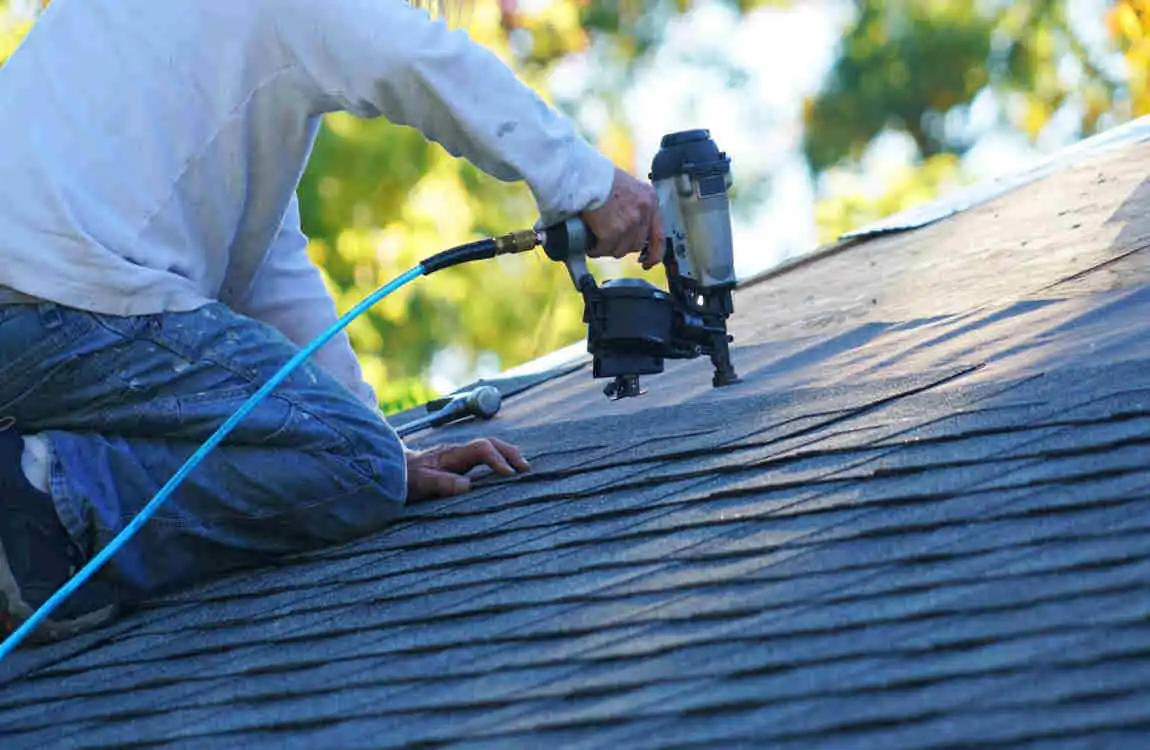
When deciding on a garage roof material, there are several factors to keep in mind:
Your Climate and Location
The local weather is one of the most critical factors. For example:
- In hot climates, like Lahore, metal or tile roofs offer excellent heat resistance.
- For snowy regions, materials like slate or rubber are better suited to handling weight and moisture.
Budget Breakdown
Consider both upfront and long-term costs. While asphalt shingles are cheap initially, they may need replacement sooner, whereas metal or tile roofs provide better value over time.
Garage Design
Is your garage attached or detached? What’s the roof pitch? These factors will influence which materials are most suitable.
Aesthetic Match
Your garage roof should complement your home’s overall look. Synthetic materials, for instance, can mimic natural shingles for a cohesive appearance.
Maintenance and Warranty
If you want a low-maintenance option, metal or rubber roofs are ideal. Additionally, check the material warranty for long-term peace of mind.
Installation Tips for Maximum Garage Roof Protection
Installing a garage roof requires careful planning to ensure durability and protection. Here are some key tips:
- Use a high-quality underlayment to prevent leaks.
- Properly install flashing around edges and vents to protect against water intrusion.
- Ensure adequate ventilation to reduce heat and moisture buildup.
- Hire a professional roofer if you’re unsure about installing it yourself.
Cost vs. Value: Is Premium Material Worth It?
Investing in Premium materials like metal or slate may seem expensive, but it can save you money in the long run. For example:
- A $12,000 metal roof could last 50+ years, whereas a $5,000 asphalt roof may need to be replaced twice in the same period.
- Premium materials often improve energy efficiency, reducing utility bills.
Expert Recommendations: What Is the Best Material for a Garage Roof?
There’s no one-size-fits-all answer. Here’s a quick guide:
- Budget-Friendly: Asphalt shingles.
- Durability and Longevity: Metal or slate.
- Hot Climates: Tile or metal.