

A spice kitchen is a small, enclosed secondary kitchen space typically located adjacent to the central kitchen in a home. Its primary purpose is to contain and manage the pungent, aromatic odors of spices and cooking, preventing these potent smells from spreading throughout the rest of the living space. Equipped with essentials like a stove, sink, ventilation system, and storage cabinets, a spice kitchen functions like a compact, efficient cooking area designed especially for preparing dishes with intense spices, often found in Indian, Middle Eastern, and Southeast Asian cuisines. This helps keep the central home kitchen and living areas fresh while allowing the adventurous cook to create flavorful meals without overpowering the home with scents.
History and Origin of Spice Kitchens
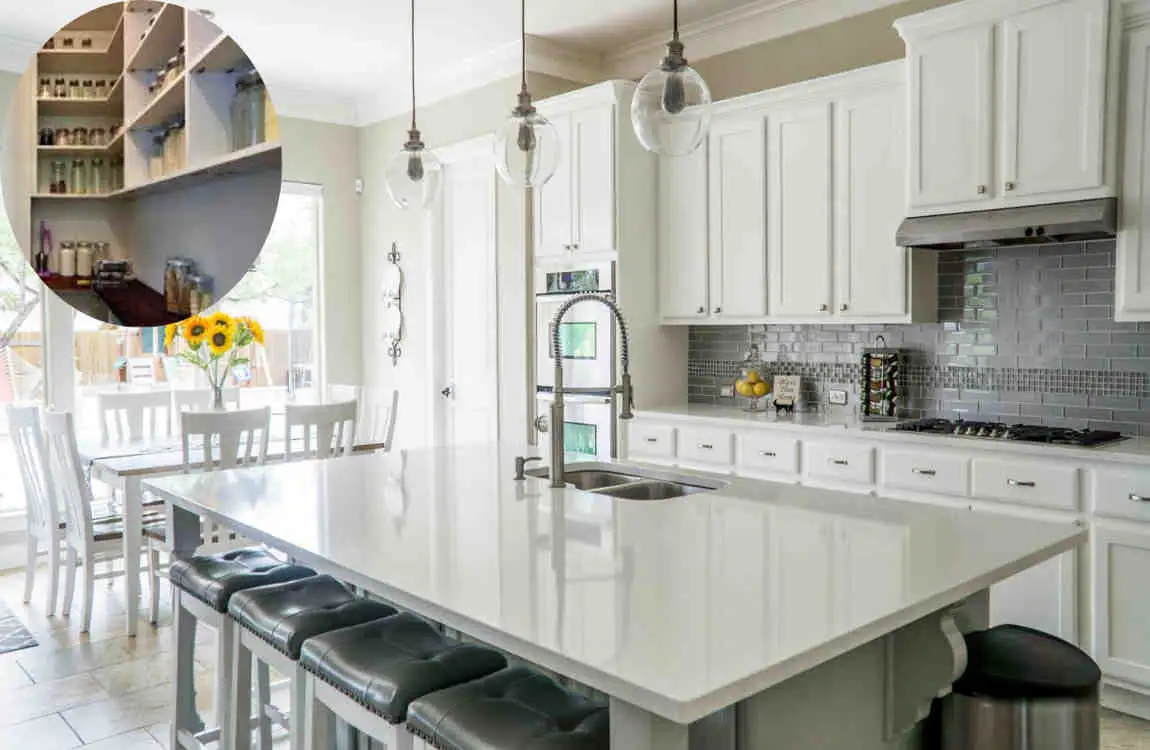
Spice kitchens have a fascinating history that dates back centuries. These specialized cooking spaces originated in the homes of affluent families, particularly in South Asian cultures. Traditionally, they served as distinct areas for preparing aromatic dishes while keeping the central kitchen free of strong odors.
The concept gained popularity among chefs and food enthusiasts who recognized its potential to enhance culinary experiences. In regions like India and Pakistan, spice kitchens are often designed with ventilation systems to manage the fragrances of powerful spices.
As globalization spread various cuisines across borders, interest in spice kitchens grew beyond their cultural origins. Modern homeowners now embrace this unique cooking space for its ability to streamline meal preparation and celebrate diverse flavors from around the world. Each spice kitchen reflects personal tastes and traditions while serving practical purposes in contemporary home design.
The Design and Layout of a Spice Kitchen
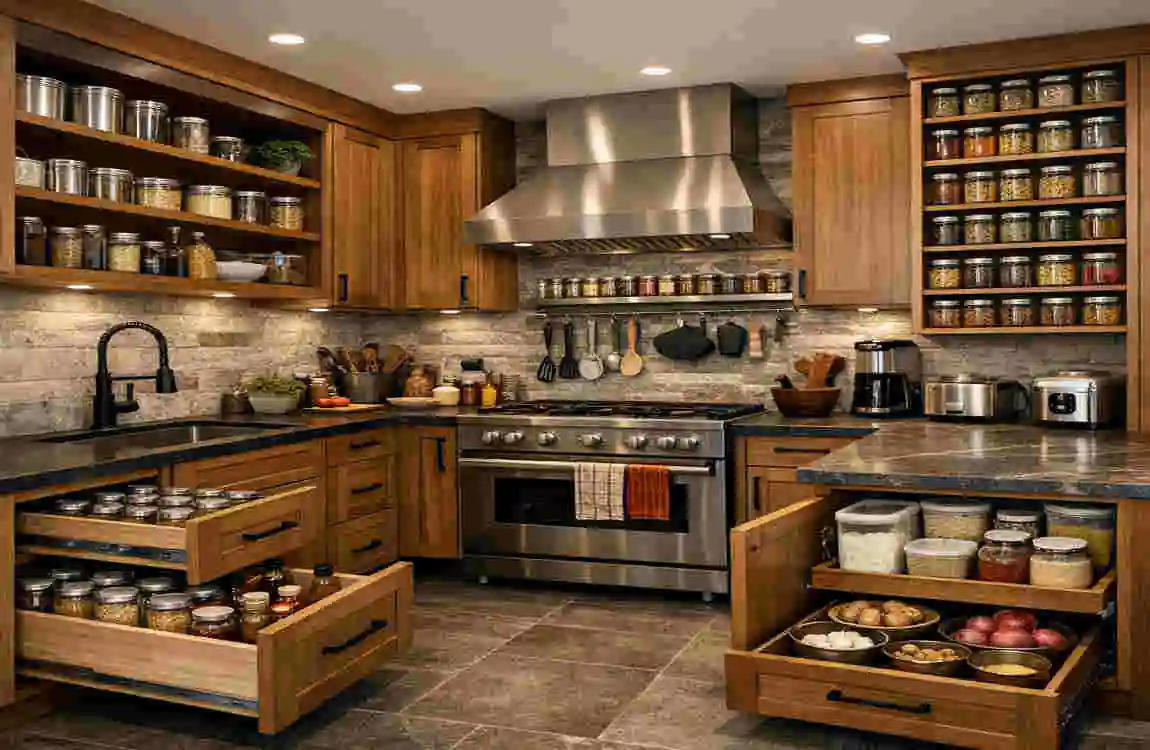
The design of a spice kitchen emphasizes functionality and accessibility. A well-planned layout makes cooking enjoyable and efficient.
Consider a spacious work surface that allows for easy food preparation. This dedicated area should be located near the stove, making it easy to transition between chopping ingredients and cooking them.
Storage is crucial in this unique space. Opt for open shelving or wall racks to display your spices prominently. This not only saves time when searching but also adds visual appeal.
Incorporate ample cabinetry with labeled containers for larger quantities or less frequently used spices. Utilizing drawers with dividers can keep everything organized.
Lighting plays an essential role, too; bright task lighting ensures you see all those vibrant colors clearly while cooking.
Think about ventilation—good airflow helps manage intense aromas often associated with spiced dishes, ensuring your home remains fresh as you experiment in your culinary sanctuary.
You may also read (transform your small house with a dark kitchen design).
Essential Features in a Spice Kitchen
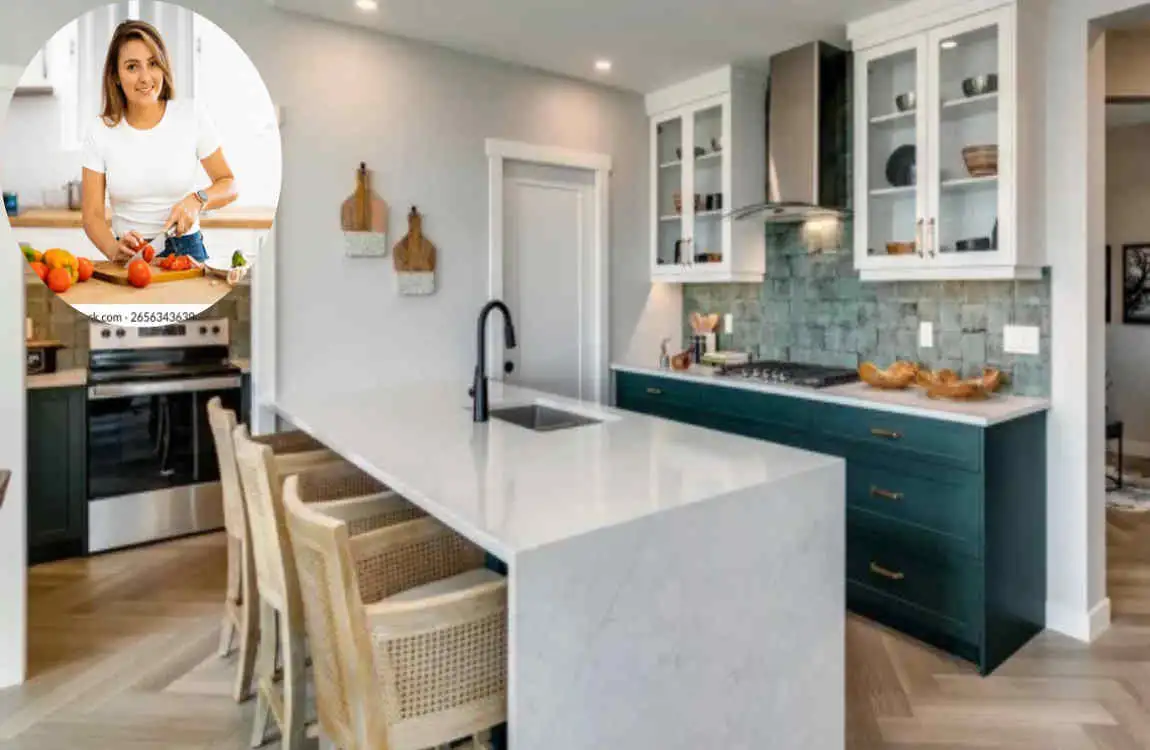
A spice kitchen is all about functionality and efficiency. One essential feature is ample storage. Shelves, drawers, and cabinets should be both easily accessible and well-organized.
Consider incorporating a dedicated spice rack. This can keep your favorite spices within arm’s reach while adding to the aesthetic of the space.
Good ventilation is also crucial. Installing a powerful range hood helps eliminate strong odors that often accompany spicy cooking.
The countertop workspace also plays an important role. A spacious area allows for meal prep without feeling cramped or rushed.
Lighting shouldn’t be overlooked either; bright but warm lights create an inviting atmosphere while ensuring you see every ingredient clearly.
Consider including a small sink for quick clean-ups during intense cooking sessions. It enhances convenience when dealing with messy tasks like chopping fresh ingredients or rinsing herbs.
How to Stock Your Spice Kitchen
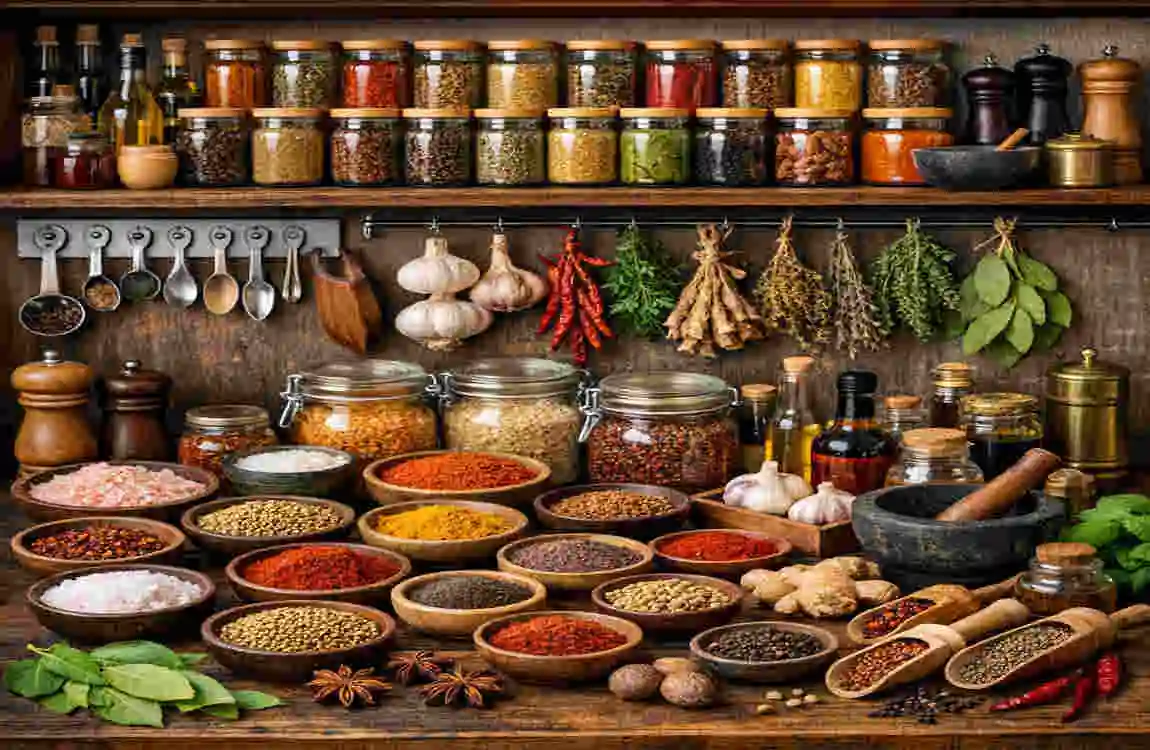
To create a well-stocked spice kitchen, start with the basics. Common spices such as cumin, paprika, and oregano should be your foundation. These versatile ingredients can elevate any dish.
Next, consider adding herbs like basil and thyme for freshness. Dried versions work great, but fresh herbs can bring vibrant flavor to your meals.
Don’t forget about specialty spices like saffron or cardamom if you enjoy exploring diverse cuisines. These unique flavors can make even simple recipes exciting.
Storage is crucial for maintaining the potency of spices. Use airtight containers to keep moisture out and label each jar clearly for easy access.
Rotate your stock regularly. Spices lose their strength over time; replacing them every six months ensures that you always have peak flavor at hand.
Benefits of Having a Spice Kitchen
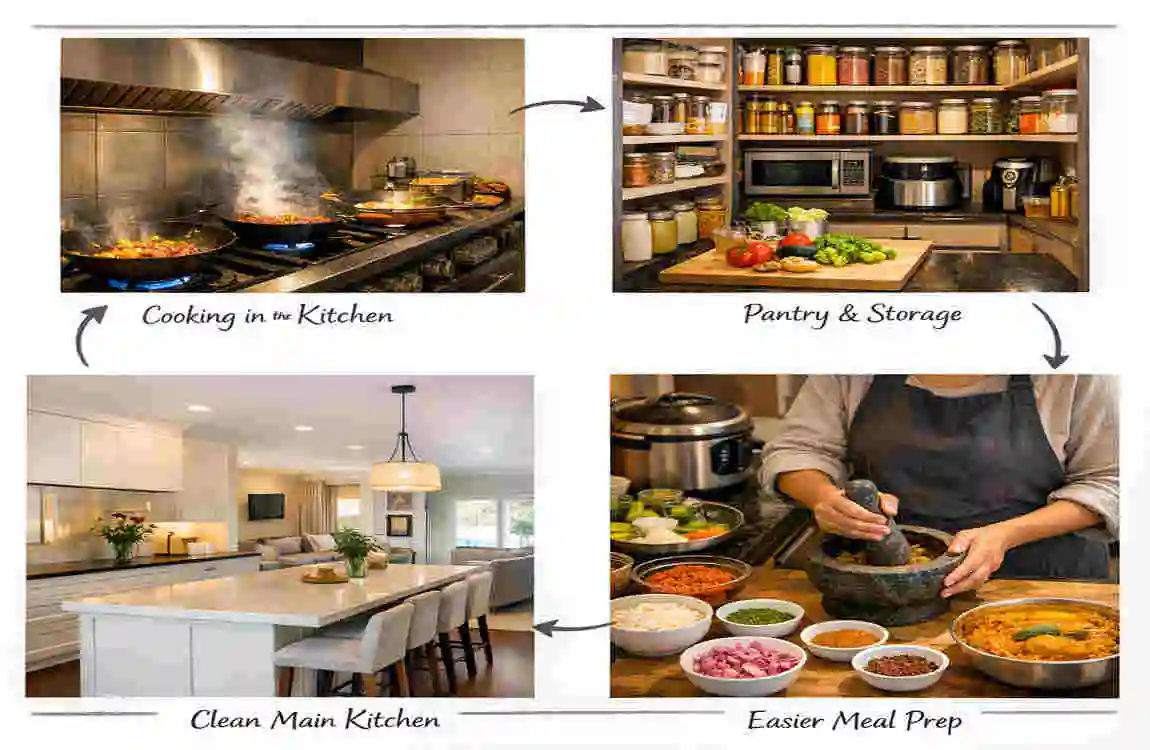
A spice kitchen elevates culinary experiences. It provides a dedicated space for experimenting with flavors and techniques. This separation from the central kitchen helps keep odors contained, allowing other areas of your home to remain fresh.
The design encourages creativity. With all spices organized and within reach, you can easily try new recipes or adjust familiar ones. The atmosphere becomes inviting for both cooking and entertaining.
Another benefit lies in cultural expression. Spice kitchens allow you to showcase diverse culinary traditions at home while celebrating the rich histories of different cuisines through their ingredients.
You may also read (how to build a kitchen counter frame for your home).
Spice Kitchen — Short FAQ
What is a spice kitchen?
A spice kitchen is a small secondary kitchen used mainly for cooking strong-smelling or heavily spiced foods.
Why do homes have a spice kitchen?
It helps keep odors, smoke, and mess away from the main kitchen and living areas.
What do you find in a spice kitchen?
Usually a stove, sink, ventilation system, cabinets, and sometimes extra prep space.
Is a spice kitchen the same as a regular kitchen?
No. It’s smaller and used for heavy cooking, while the main kitchen is for everyday use and entertaining.
Who typically uses a spice kitchen?
It’s common in South Asian, Middle Eastern, and modern luxury homes where frequent cooking of aromatic dishes is done.
Does a spice kitchen increase home value?
In many markets, yes—especially in multicultural areas where cooking variety is important.
| Aspect | What It Is |
|---|---|
| Definition | A spice kitchen is a secondary, enclosed kitchen separate from the main kitchen, designed for cooking spicy, aromatic, or oily dishes |
| Also Called | Wok kitchen, Asian wok kitchen, or secondary kitchen |
| Primary Purpose | Contains strong odors, smoke, and grease from spice-heavy cooking (like curries, ethnic dishes, fried meats/fish) so they don’t spread to the main kitchen and home |
| Location | Typically adjacent to or behind the main kitchen, enclosed by a door |
| Size | Small—about the size of a pantry |
| Key Features | – Gas or electric range/stovetop – Single or double sink – Countertop prep area & cabinetry – Separate high-volume exhaust hood/ventilation system |
| Typical Appliances | Stove, oven, sink, ventilation; sometimes microwave (often no refrigerator/freezer) |
| Best For | Homeowners who frequently cook ethnic dishes, oily meats, fish, or curry-heavy meals |