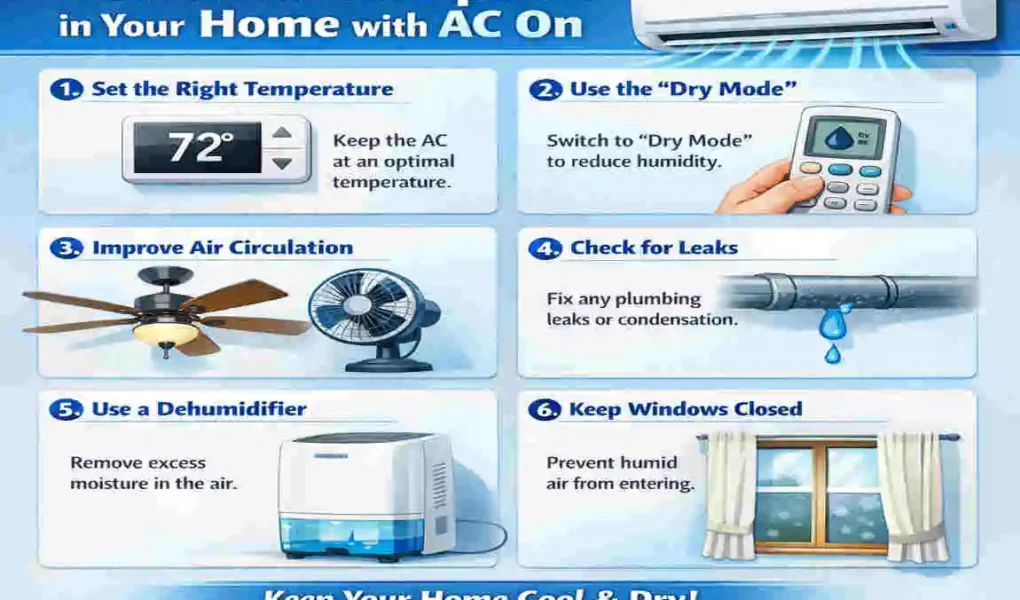
If your house feels sticky, heavy, or clammy even while the AC is running, you are not alone. Many homeowners ask, Why does my house feel damp with the AC on when the whole point of air conditioning is supposed to be comfort.
The answer is usually tied to humidity, airflow, or an AC system that is not removing moisture the way it should. Your home may still feel damp even when the temperature seems fine. That can happen when the AC cools the air but does not dry it enough.
You might notice condensation on windows, a musty smell, or rooms that never feel truly fresh. These signs matter because too much moisture can lead to discomfort, mold growth, and long-term damage.
Why Does My House Feel Damp With AC On?
Understanding Indoor Humidity
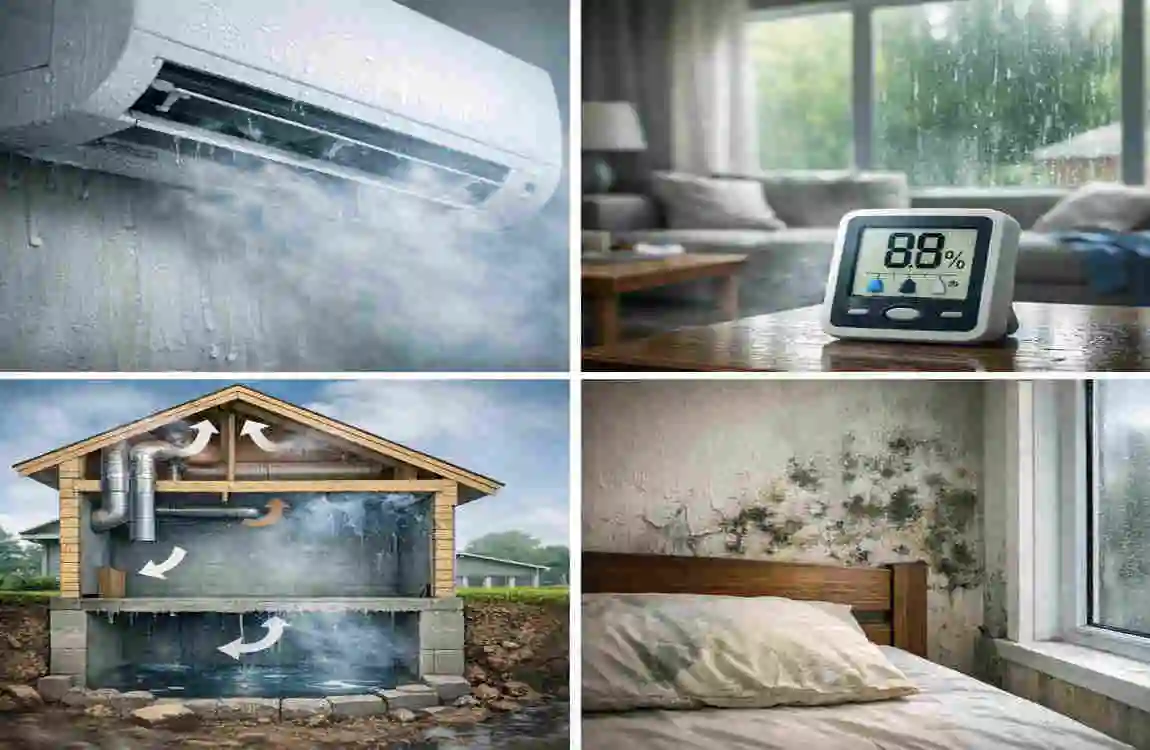
Indoor humidity is the amount of moisture in the air inside your luxury home. For most people, the best indoor humidity level is between 30% and 50%.
When humidity is too high, the air feels heavy and uncomfortable. Your skin may feel sticky, your clothes may cling a bit, and the house may never feel fully cool. Even if the temperature is low, high moisture can make the air feel warmer than it really is.
The Role of Air Conditioning
An air conditioner does more than cool the air. It also removes some moisture as air passes over the cold evaporator coil. That is why AC can help a room feel more comfortable, not just cooler.
But cooling and dehumidifying are not the same thing. A system can lower the temperature without removing enough humidity. If that happens, the house may still feel damp.
Common Reasons Your House Feels Damp
Several issues can keep your AC from doing its job properly:
- An oversized AC unit may cool too quickly and shut off before removing enough moisture.
- Dirty air filters can block airflow.
- Poor airflow can stop moist air from moving through the system correctly.
- High outdoor humidity can keep bringing moisture into the home.
- Leaky ductwork can allow humid air to enter or cooled air to escape.
Signs Your Home Has Excess Moisture
Sticky or Clammy Air
One of the first signs is simple: the air feels sticky. You may notice this most in bedrooms, hallways, or rooms that get little airflow.
This happens when the humidity level stays high. The AC may be running, but the air still feels heavy and uncomfortable.
Condensation on Windows
If you see water collecting on windows, that is a strong clue that indoor humidity is too high. Moisture in the air is reaching the cooler glass surface and turning into water droplets.
This is not just a small annoyance. Over time, it can damage window frames, walls, and paint.
Musty Odors
A musty smell often means moisture has been sitting somewhere for too long. It may come from carpets, closets, vents, or hidden corners.
If the odor returns repeatedly, the problem may be more than just trapped air. It could point to poor humidity control or hidden water buildup.
Mold and Mildew Growth
Mold and mildew love damp places. You may find them near windows, around bathrooms, in basements, or close to vents.
Even small spots should be taken seriously. Mold can spread fast when moisture stays in the modern home.
Main Causes of Dampness When the AC Is Running
Oversized Air Conditioner
An oversized AC unit cools the house too fast. That sounds helpful, but it can actually create a humidity problem.
When the system shuts off too quickly, it does not stay on long enough to remove moisture. This is called short cycling. The result is cool air that still feels damp.
Clogged Evaporator Coils
The evaporator coil is one of the key parts that helps remove moisture. If it becomes dirty or clogged, it cannot work properly.
That means less dehumidification and more sticky air in the house. A dirty coil can also reduce overall cooling performance.
Dirty Air Filters
Air filters catch dust and debris. When they get clogged, airflow drops.
Low airflow makes it harder for the AC to pull moisture from the air. It can also make the whole system work harder than it should.
Drain Line Problems
As the AC removes moisture, that water must go somewhere. It normally drains away through a condensate line.
If the drain line is blocked, water can back up and cause trouble. In some cases, you may even see water near the indoor unit.
Air Leaks Around the Home
Leaks around windows, doors, vents, and attic spaces can let humid air into your home. That makes it harder for the AC to keep humidity under control.
Even small leaks can add up. Your system may run more often, but the house still feels damp.
How to Fix Dampness in Your Home
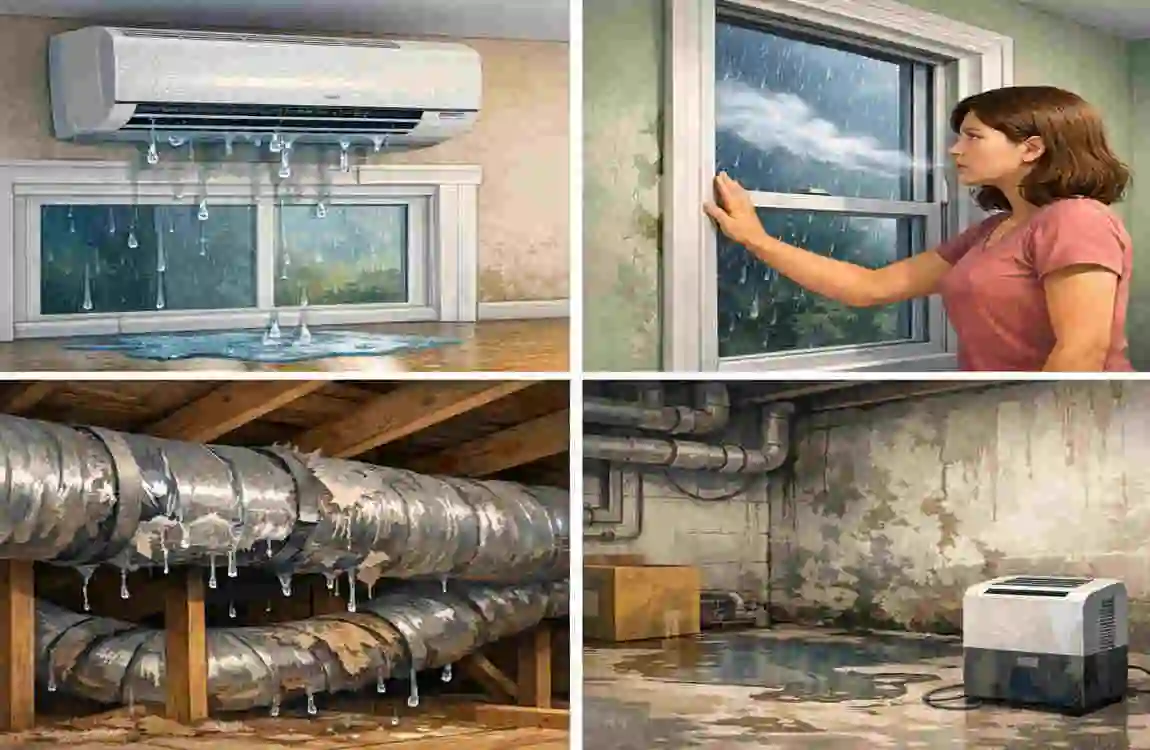
Replace or Clean Air Filters Regularly
This is one of the easiest fixes. Check your air filter every month and replace it when needed.
A clean filter helps airflow stay strong. That improves both cooling and moisture removal.
Check the AC Drain Line
Look for signs of blockage, like water pooling near the indoor unit or a dripping sound that does not seem normal.
If the drain line is clogged, it may need to be cleared. Keeping it clean helps prevent water backup and moisture problems.
Seal Air Leaks
Check around windows, doors, attic hatches, and duct connections. If you feel air coming through, moisture may be getting in too.
Weatherstripping and caulk can help seal many of these problem areas. This can make your home feel more stable and comfortable.
Improve Ventilation
Good ventilation helps move moist air out of the home. Bathroom exhaust fans are especially important after showers.
Kitchen fans also help remove cooking steam. If these fans are weak or unused, moisture can build up quickly.
Install a Whole-Home Dehumidifier
If your luxury home naturally stays humid, a dehumidifier may be the best solution. It can work with your AC to remove extra moisture from the air.
This is especially useful in damp climates, basements, or older homes. It can make a big difference in comfort.
Best Humidity Level for a Comfortable Home
Recommended Indoor Humidity Range
A good target for most homes is 30% to 50% humidity. This range helps keep the air comfortable while also lowering the risk of mold.
If humidity goes much higher, the home may feel sticky. If it goes too low, the air can feel dry and irritating.
How to Measure Humidity
You can measure indoor humidity with a hygrometer. Some smart home devices also show humidity levels.
This is a simple way to know whether the problem is real or just a feeling. Once you know the number, you can choose the right fix.
Seasonal Humidity Adjustments
Humidity needs change by season. In summer, moisture levels often rise, so dehumidifying is more important.
In winter, indoor air can become too dry. The goal is balance, not just dryness at any cost.
Preventing Dampness Problems in the Future
Schedule Routine HVAC Maintenance
Regular maintenance keeps your AC system in better shape. A yearly inspection can catch dirty coils, drain problems, and airflow issues early.
This helps the system cool properly and remove moisture more effectively. It can also extend the unit’s lifespan.
Keep Air Vents Open and Clean
Blocked vents can disrupt airflow. Make sure furniture, rugs, and curtains are not covering them.
Also, dust around vents regularly. Clean airflow helps your AC work better throughout the house.
Monitor Indoor Humidity Year-Round
Do not wait until the house feels damp. Check humidity levels across different seasons to spot changes early.
A smart humidity monitor can help you track patterns over time. That makes it easier to prevent problems before they grow.
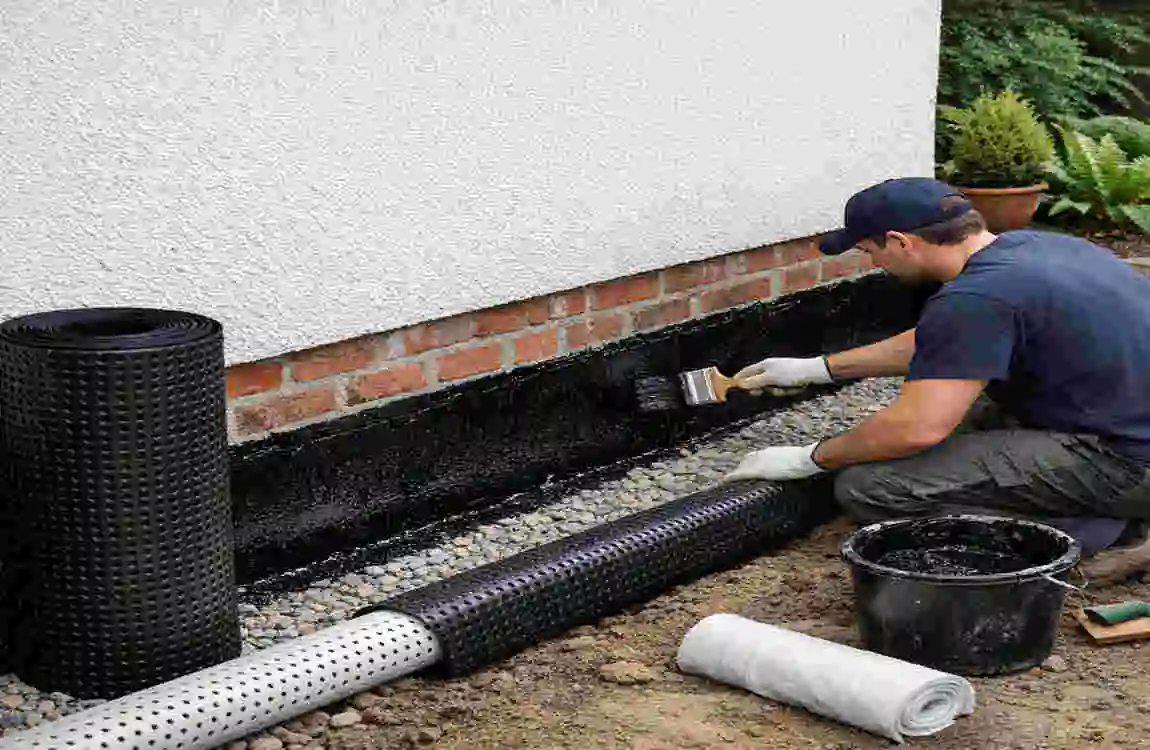
Insulate Problem Areas
Basements, crawl spaces, and attics can all bring moisture into the home if they are poorly insulated. These areas often create hidden dampness.
Better insulation can reduce heat transfer and moisture buildup. It also helps your AC system work more efficiently.
Frequently Asked Questions
Why does my house feel damp with the AC on?
Your home may feel damp because of high humidity, poor airflow, dirty filters, a clogged drain line, or an oversized AC unit.
What humidity level should my home be?
Most homes should maintain a humidity level between 30% and 50% for comfort and mold prevention.
Can an air conditioner cause humidity problems?
Yes. If the system is not sized or maintained properly, it may cool the air without removing enough moisture.
Will a dehumidifier help if my house feels damp?
Yes. A dehumidifier can remove extra moisture and make the home feel more comfortable.
How do I know if my AC is not removing humidity?
Common signs include sticky air, window condensation, musty smells, and mold growth.
Can dirty AC filters make a house feel humid?
Yes. Dirty filters block airflow and reduce the system’s ability to remove moisture.
Should I call a professional for persistent dampness?
Yes. If the problem keeps recurring after basic fixes, an HVAC professional should inspect the system and the home.
| How to Fix Dampness (AC On) | |
|---|---|
| Run AC in cooling mode (not heating) — AC removes moisture as air passes over cold coils | |
| Set AC to Dry mode if available, and avoid setting temperature too low (prevents condensation from extreme temperature difference) | |
| Clean the AC coil and change/clean the air filter per manufacturer instructions to maintain humidity removal | |
| Adjust fan speed to ~350 CFM per ton for optimal humidity removal in humid climates | |
| Use exhaust fans in bathrooms/kitchens vented outside to remove moisture sources | |
| Add a dehumidifier (whole-house or portable) if AC alone isn’t enough | |
| Seal air leaks (attic, crawl space, ducts) and add insulation to prevent humidity entering | |
| Ventilate briefly but vigorously — open windows wide for 5–10 minutes during dry weather |