
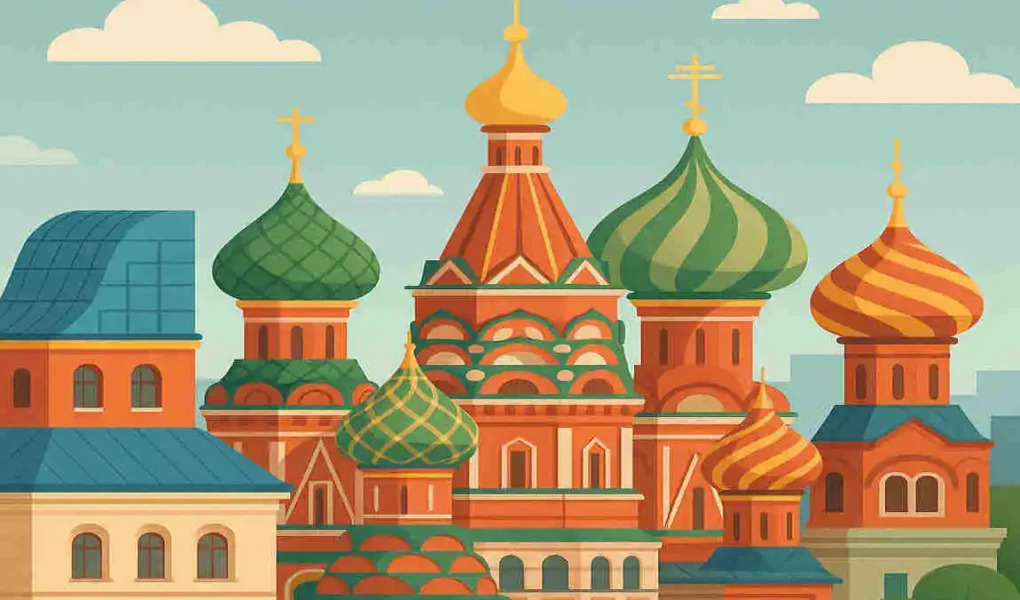
Moscow’s skyline is one of the most recognizable in the world, blending centuries-old architectural heritage with contemporary innovation. Its roofs, in particular, stand out as a defining feature, sparking curiosity among travelers, architecture enthusiasts, and historians alike. But one question prevails: what shape are the roofs in Moscow?
From the iconic onion domes of its historic churches to the sleek, practical designs of modern buildings, Moscow’s rooftops reflect a fascinating interplay between tradition and progress. Let’s take a deep dive into their evolution, symbolism, and enduring global appeal.
History of Roof Shapes in Moscow
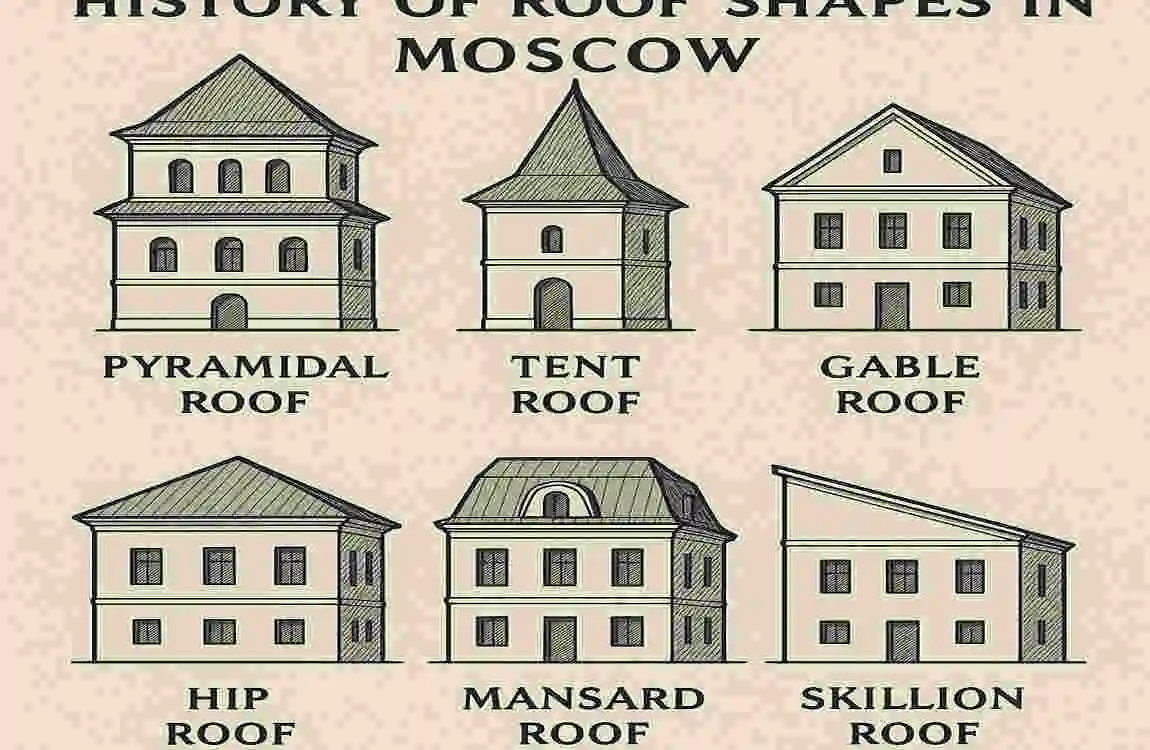
Origins of Onion Domes
The onion dome is one of the most distinctive features of Russian architecture, with roots dating back to the 16th century. While its exact origins remain debated, historians believe the design evolved from earlier wooden tent roofs or was influenced by Tatar architecture after the conquest of Kazan in 1552.
The onion dome reached its pinnacle with landmarks such as St. Basil’s Cathedral, built from 1555 to 1561 under the reign of Ivan the Terrible. The cathedral’s nine domes, each a unique riot of color and pattern, symbolize flames rising to the heavens. This design diverged from the simpler, hemispheric domes of Byzantine tradition, reflecting Russia’s growing architectural independence.
Pre-Mongol to Soviet Shifts
Before the rise of onion domes, early Kievan Rus architecture favored helmet-shaped domes, which symbolized strength and protection. However, by the 13th to 17th centuries, the bulbous onion shape became dominant, partly due to its practicality in shedding snow—a crucial feature in Moscow’s harsh winters.
The Soviet era, however, marked a dramatic shift. Traditional roof shapes were often suppressed in favor of flat, utilitarian roofs, reflecting the regime’s emphasis on functionality and mass housing. Despite this, some iconic structures, such as the Seven Sisters skyscrapers, retained aesthetically striking spires that nod to Russia’s architectural heritage.
Iconic Onion Domes: Features and Symbolism
Anatomy of an Onion Dome
At first glance, the onion dome appears purely decorative, but its design is deeply functional. The dome’s wide midsection tapers to a point, creating a shape that allows snow to slide off easily—an essential adaptation for Moscow’s snowy climate. These domes are often mounted on cylindrical drums and are gilded, colorful, or patterned, making them a visual feast.
Unlike the hemispheric domes of Byzantine churches, onion domes are more elongated, resembling flames or candles. This distinctive shape makes them instantly recognizable in Moscow’s skyline.
Symbolic Meanings
The onion dome is more than just a practical solution—it’s steeped in symbolism. In the Orthodox Christian tradition, the dome is thought to represent:
- Burning candles that point toward heaven.
- The heavenly vault symbolizes the divine presence.
- Pentecostal flames, alluding to the descent of the Holy Spirit.
Here’s a quick breakdown of onion dome symbolism in Moscow’s architecture:
Dome Element Symbolism Moscow Example
Bulbous Base Earth’s foundation Kremlin Cathedrals
Tapered Peak Soul ascending to heaven , St. Basil’s Cathedral
Colors Apostles or feast days Nine hues of St. Basil’s domes
Must-See Onion Dome Sites
If you’re visiting Moscow, there are several must-see examples of onion domes:
- St. Basil’s Cathedral: Located in Red Square, this cathedral is a masterpiece of color, pattern, and design.
- The Kremlin Cathedrals: The Annunciation Cathedral’s domes represent Moscow’s religious and political heart.
- Novodevichy Convent: A UNESCO World Heritage Site, its onion domes are a serene reflection of Russian Orthodoxy.
Modern Twists on Moscow Roofs
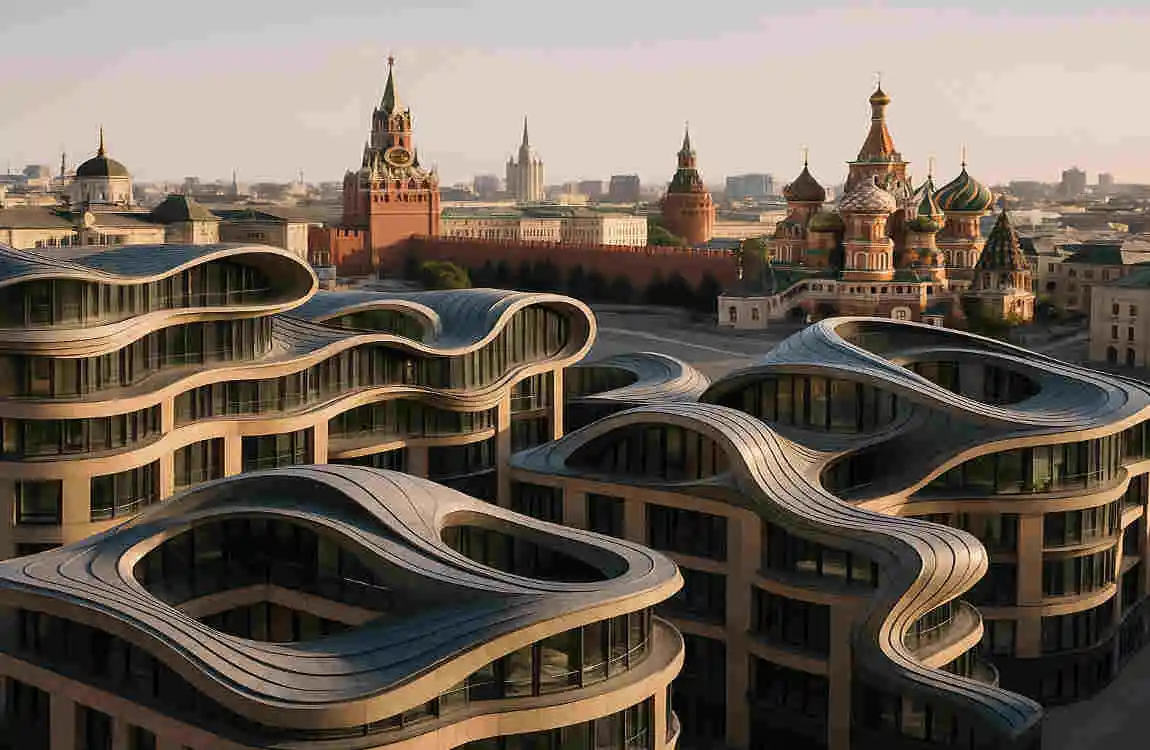
Soviet Era Flat Roofs
The 20th century brought a radical departure from traditional roof shapes. During the Soviet era, Moscow’s architecture prioritized functionality over form, resulting in the widespread use of flat or low-pitched roofs. These designs, common in Khrushchev-era housing (Khrushchevkas), were easy to construct and maintain but lacked the flair of earlier architectural styles.
While practical, these flat roofs were less suited to Moscow’s snowy climate, often requiring additional maintenance to clear accumulating snow.
Post-1990s Revivals and Innovations
Since the fall of the Soviet Union, Moscow has embraced architectural diversity, blending traditional and modern styles. Some notable trends include:
- Neo-Onion Domes: Many newly constructed Orthodox churches feature updated versions of traditional onion domes, reconnecting with Russian heritage.
- Sustainable Green Roofs: Modern buildings, such as the Skolkovo Innovation Center, incorporate eco-friendly green roofs.
- Curved Steel and Glass Roofs: Skyscrapers such as the Mercury city Tower and Federation Tower showcase sleek, futuristic designs that reflect Moscow’s global aspirations.
Here’s a comparison of traditional and modern roof styles in Moscow:
Aspect Onion Domes (Historic)Modern Roofs
Shape Bulbous, pointed, Flat, sloped, curved
Materials : Wood, gold leaf , Concrete, glass, steel
Purpose Symbolic, snow-proof , Energy-efficient, urban
Examples: St. Basil’s Cathedral, Federation Tower
Why Moscow Roofs Fascinate Globally
Moscow’s roofs are more than just architectural features—they’re cultural icons. The unique design of onion domes has captured global attention through photographs, films, and social media. For example, Red Square’s colorful rooftops frequently appear in travel blogs and viral Instagram posts, inspiring countless visitors to explore Moscow.
In 2025 alone, Moscow saw a surge in tourism, with millions visiting Red Square, drawn by its architectural splendor. Search trends for terms like “Moscow onion domes” and “Russian roof shapes“ reflect this growing interest.
Practical Tips for Moscow Visitors
If you’re planning a trip to Moscow, here are some tips to make the most of your experience:
- Best Viewpoints: Red Square at dusk offers breathtaking views of St. Basil’s Cathedral. For modern architecture, head to Moscow city.
- Weather Considerations: Winter snow enhances the beauty of onion domes but can make navigating the city challenging—dress warmly and wear sturdy boots.
- Virtual Tours: If you can’t visit in person, many landmarks offer virtual tours that provide a close-up look at Moscow’s stunning rooftops.