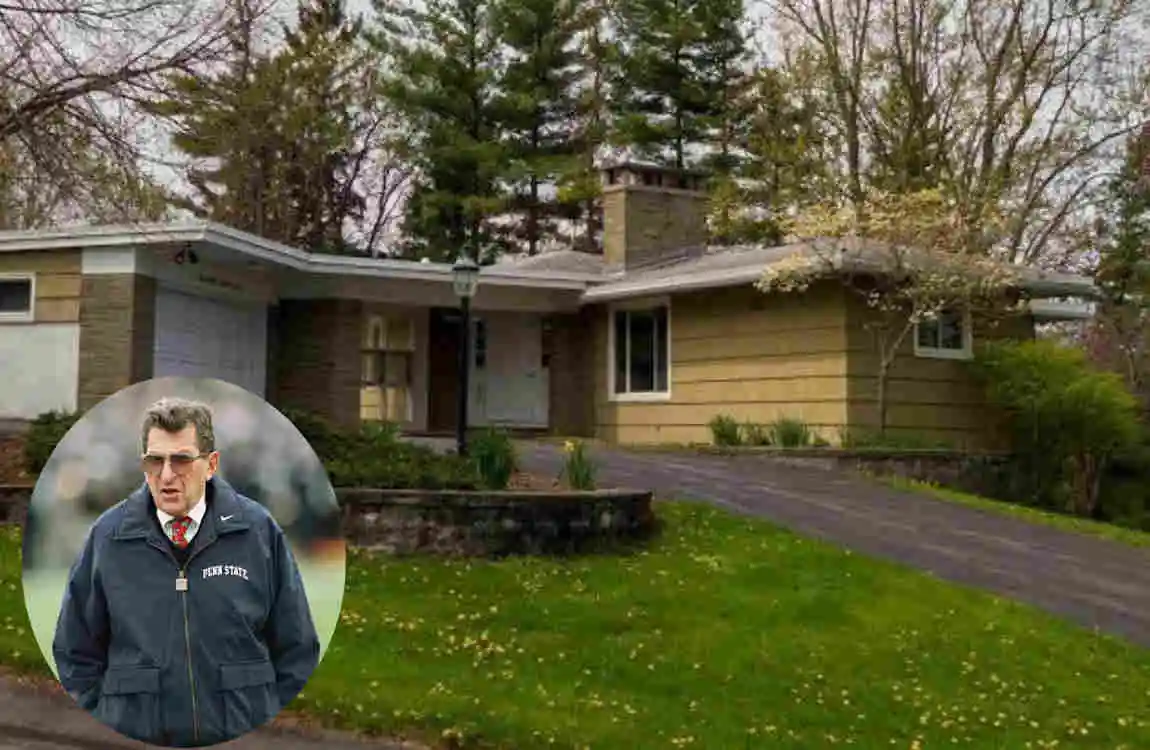
Joe Paterno’s house is more than just a private residence. For many people, it represents a long chapter in the life of one of the most recognized names in Penn State football history. Because Paterno spent so many years connected to State College, his home became part of the public story around him, even though it remained a family residence first and foremost.
When people search for Joe Paterno’s house, they usually want more than a building. They want to understand the home’s location, style, history, and meaning. They want to know how the residence fit into Paterno’s daily life and what it says about the era he lived in.
| Category | Details |
|---|---|
| Full Name | Joseph Vincent Paterno |
| Known As | Joe Paterno, “JoePa” |
| Date of Birth | December 21, 1926 |
| Birthplace | Brooklyn, New York City, United States |
| Date of Death | January 22, 2012 |
| Age at Death | 85 years old |
| Cause of Death | Complications related to lung cancer |
| Nationality | American |
| Profession | College Football Coach, Player, Athletic Director |
| Famous For | Longtime head coach of the Penn State Nittany Lions football team |
| Coaching Career | Penn State assistant coach (1950–1965), Head Coach (1966–2011) |
| College Education | Brown University |
| Playing Position | Quarterback and defensive back at Brown University |
Joe Paterno’s House Architecture and Design
Exterior appearance
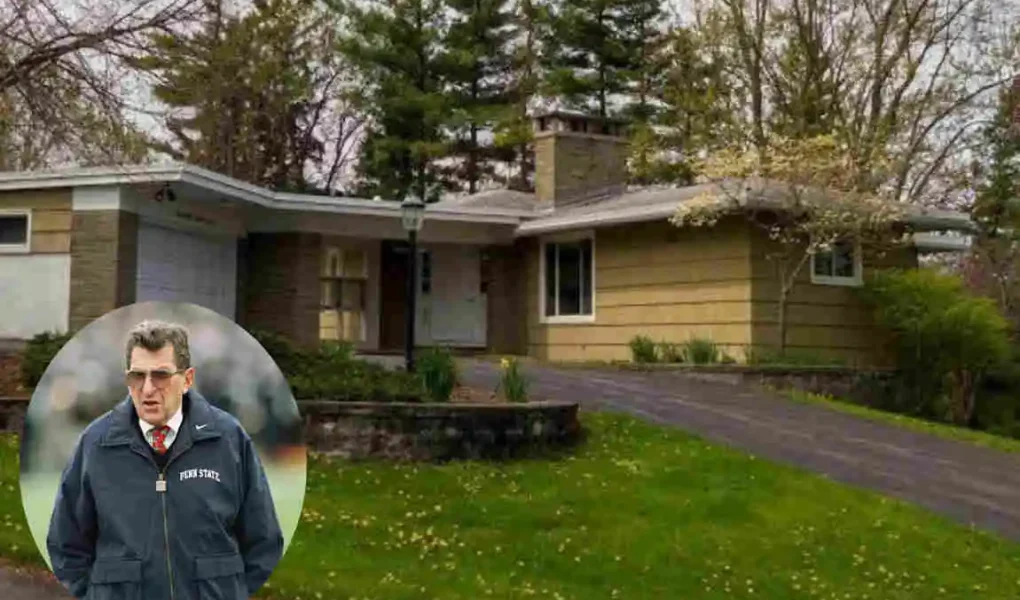
The architectural style of Joe Paterno’s home fits a traditional residential character rather than a flashy celebrity look. That is part of its charm. It feels like the kind of home built for long-term living, not for display.
The exterior likely reflects common features found in established Pennsylvania homes, such as:
- Simple, durable building materials
- Balanced rooflines
- Modest but solid curb appeal
- Landscaping that fits a neighborhood setting
This kind of design usually feels calm and familiar. It does not try too hard. Instead, it supports a normal family life.
Landscaping and surrounding setting
A home like this often feels grounded by its environment. Trees, lawn space, and a quiet neighborhood setting help create privacy and a more personal atmosphere.
That matters because homes connected to public figures often become interesting only when they balance visibility with comfort. In this case, the setting likely supported a quieter and more private lifestyle.
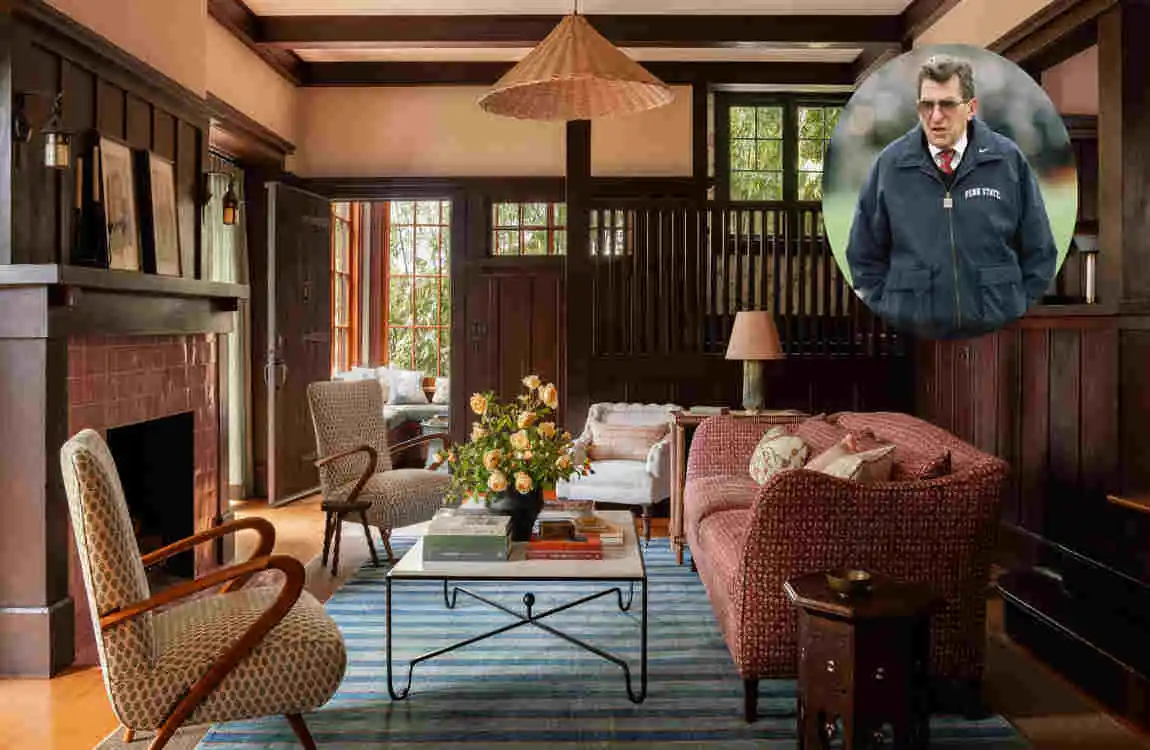
Interior layout and features
Public information about the exact interior is limited, which is normal for a private home. Still, it is fair to assume the layout was practical and family-focused.
A residence like this would likely include:
- Living spaces for family gatherings
- Dining areas for everyday meals
- Private bedrooms
- Functional rooms for routine life
This kind of design makes sense for someone who spent much of his life focused on work, family, and community. The home would have needed to support that rhythm.
Traditional vs. modern elements
The house does not appear to be known for dramatic modern architecture. Instead, its value comes from traditional design and lived-in comfort.
That makes it different from celebrity mansions that focus on bold design statements. Joe Paterno’s house seems more connected to practicality, stability, and everyday use.
History of Joe Paterno’s House
Paterno’s years in State College
Joe Paterno’s life and career were deeply tied to Penn State, making his residence part of a larger historical story. His years in State College were about more than football. They were also about family life, local reputation, and long-term community presence.
The home became one of the places where that history unfolded. It stood as a personal base during decades of public life.
Family life at the property
A home matters most when it supports daily life. For Paterno, the residence likely served as a space for his family away from the pressures of his public role.
That matters because it reminds us that Joe Paterno’s home history is not only about fame. It is also about the ordinary parts of life: meals, conversation, routines, and private time.
Public attention over the years
Because Paterno was such a prominent figure, people naturally became interested in where he lived. That interest grew over time, especially as his name remained tied to Penn State and to the broader conversation about college football.
Still, it helps to remember that public attention doesn’t change the fact that it was a private home. The interest comes from his legacy, not from the house being built for display.
What Made Joe Paterno’s House Significant?
A home linked to a major football figure
One of the main reasons the home matters is simple: it belonged to Joe Paterno, one of the most recognizable names in college football. That connection gives the property historical importance.
People who study celebrity homes often look for a link between the person and the place. In this case, the home helps tell part of Paterno’s story.
A reflection of his community identity
Paterno was closely tied to State College in a way that went beyond the football field. His house was part of that identity. It represented a long-standing connection to the same place over many years.
That kind of continuity makes a home feel meaningful. It becomes a symbol of stability, not just property.
Architectural and historical interest
The house is also interesting because it represents a traditional Pennsylvania residence connected to a major public figure. That gives it a place in both local history and architectural curiosity.
For readers interested in historic houses in Pennsylvania, this home offers a useful example of how everyday design can become historically significant when it is tied to a notable life.
Joe Paterno’s House and His Legacy
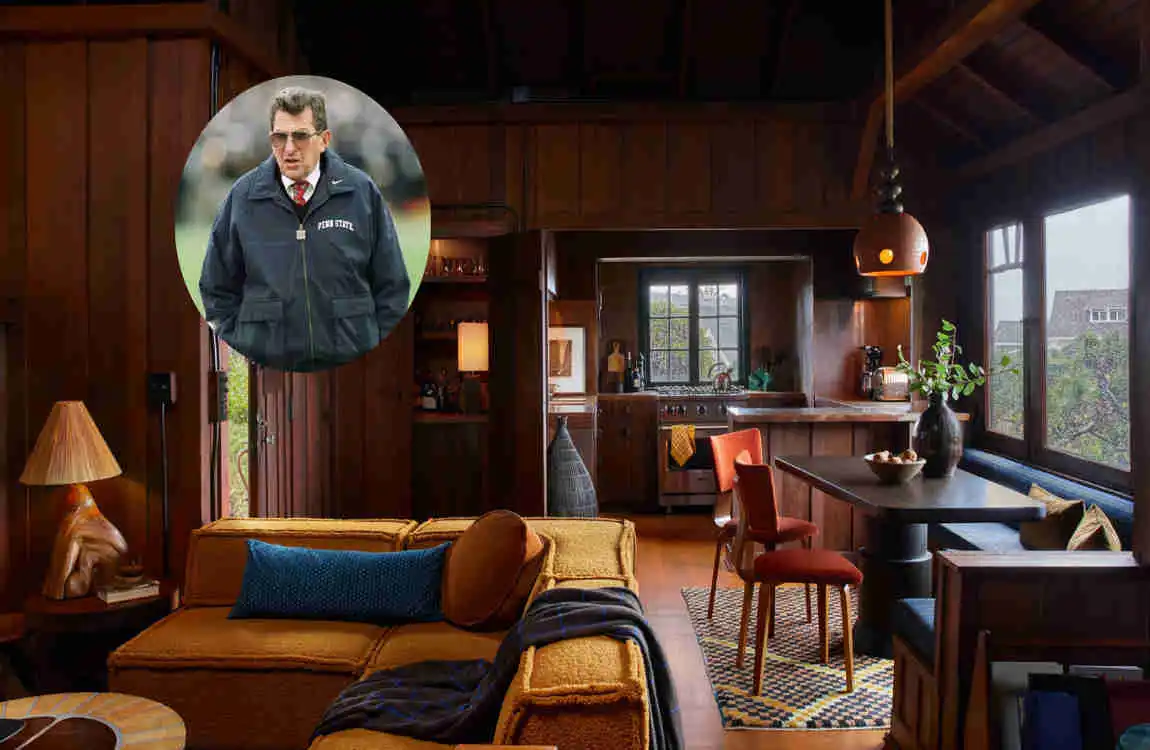
His long Penn State connection
Joe Paterno’s legacy is closely tied to Penn State, and his home forms part of that larger story. When people think about his life, they often think about the football program. Still, the residence helps show the personal side of that long career.
It reminds readers that public figures also have private spaces where their daily lives unfold.
The house as part of his story
A home can say a lot about a person. In this case, the house seems to reflect a man whose life was rooted in routine, family, and local connection.
That makes it especially interesting to people who want to understand Paterno beyond the headlines.
Why the property still draws attention
Even now, the home remains a topic of interest because it sits at the intersection of sports history, personal legacy, and residential architecture. That combination is what gives the property lasting relevance.
It is not just a house. It is a part of a larger historical narrative.
Frequently Asked Questions About Joe Paterno’s House
Where was Joe Paterno’s house located?
It was located in State College, Pennsylvania. Exact private address details are not necessary and should remain private.
What architectural style was Joe Paterno’s house?
It had a traditional residential style with a practical and family-friendly character.
Did Joe Paterno live in the house for many years?
Yes, his long connection to State College suggests the home was part of his life for a significant period.
Is Joe Paterno’s house still standing?
The current status can depend on the specific property and available historical records. For the most accurate update, rely on verified information.
Why is Joe Paterno’s house famous?
It is famous because of its connection to Joe Paterno, Penn State football, and his long history in State College.
Can the public visit Joe Paterno’s house?
It is a private residence, so public access is limited. Privacy should always be respected.
What can we learn from Joe Paterno’s house?
It shows how a home can reflect family life, personal history, and a long connection to one place. It also offers insight into the quieter side of a public life.
| House / Property | Location / Address | Architecture & Design Style | Specifications & Features | Estimated Worth | History & Significance |
|---|---|---|---|---|---|
| Joe Paterno Family Home (Park Forest Residence) | 1909 Norwood Lane, State College, Pennsylvania, USA | Traditional suburban split-level home with a practical mid-century residential design | Modest family home with multiple living areas, family room, bedrooms, kitchen, backyard deck, and open neighborhood surroundings | Purchased for $25,700 in 1963; modern estimated value is not officially available but comparable State College properties suggest a significantly higher market value today | Joe Paterno purchased this home shortly after marrying Sue Paterno. The house became the first major family residence where they raised their children. It reflected Paterno’s simple lifestyle rather than a luxury celebrity mansion. |
| Paterno Family Home (Later Residence) | State College, Pennsylvania, near Penn State University (McKee Street area) | Traditional residential architecture with a comfortable, family-focused layout | Private home designed for family living; known for its connection to Penn State’s football community | Exact value not publicly disclosed |
Where Does Joe Paterno’s Currently Live?
Joe Paterno does not currently live anywhere—he died on January 22, 2012, at age 85, in State College, Pennsylvania, after complications from lung cancer.
Joe Paterno’s House Photos