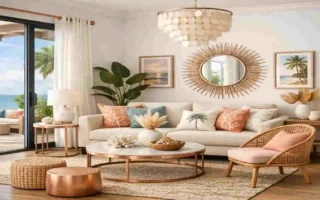
Home decoration is often seen as a way to make a room look nice. A fresh coat of paint, a stylish sofa, a few plants, and some framed art can certainly improve a home’s look.
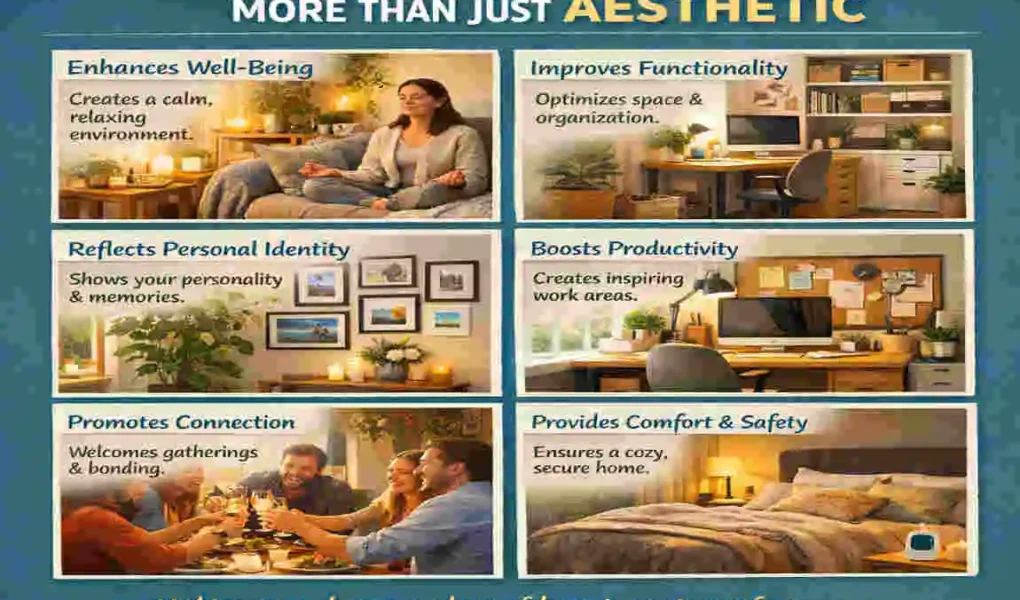
A well-decorated home does much more than please the eye. It affects how you feel, how you live, how you work, and even how you connect with your personal story. It can bring comfort after a long day, support your routine, and reflect who you are in a very real way.
The True Meaning of Home Decoration
Home decoration encompasses all the choices that shape a space’s look and feel. This can be the colors on the walls, the type of furniture you choose, the way a room is arranged, the lighting, the textures, the artwork, and even the small items on a shelf.
At first glance, these choices may seem purely visual. But they are not.
It’s more than just home decoration because every choice says something about you. A calm, minimal room may show that you value peace and simplicity. A bright, colorful room may show that you enjoy energy and creativity. A cozy space filled with personal items may show that family and comfort matter most to you.
Decoration also changes a house into a home. A house becomes a home when it feels lived in, loved, and personal. That feeling does not come from furniture alone. It comes from the way every item and every corner works together to support your lifestyle.
Your home should not only look good. It should feel right.
Emotional and Psychological Impact of Home Decoration
Home decoration has a strong effect on the mind. The space around you can calm you, lift your mood, or make you feel stressed. That is why design choices matter so much.
The Role of Colors and Lighting
Color is one of the first things people notice in a room. It can change the mood almost instantly.
Soft blue tones often feel peaceful and relaxing. Warm yellow can feel cheerful and full of life. Green can bring a sense of balance and freshness. Neutral colors can create a calm, clean, and timeless feeling.
Lighting matters as much. Natural light can make a room feel open and lively. It can help people feel more awake and positive during the day. On the other hand, soft artificial lighting can make a room feel warm and restful in the evening.
When colors and lighting work well together, a room feels more inviting. It becomes easier to relax, focus, or enjoy time with others.
Personal Connection to Space
A decorated home feels more personal when it includes items that hold meaning for you. This can be family photos, souvenirs, handmade pieces, books, or objects collected over time.
These personal touches create a sense of belonging. They remind you that the space is yours. That feeling is important because people do better in environments where they feel safe and comfortable.
A personalized home can also support mental well-being. When your surroundings feel familiar and warm, daily stress can feel lighter. You may sleep better, think more clearly, and feel more at ease in your own space.
Boosting Productivity and Creativity
Home decoration also plays a role in how well you work and think. This matters especially if you have a home office, study area, or creative corner.
A messy or poorly arranged space can make it harder to concentrate. But a thoughtful workspace can improve focus. A comfortable chair, enough light, neat storage, and inspiring details can help you stay productive.
Creative people often benefit from spaces that feel open, bright, and motivating. Even simple decor changes can spark ideas and make work feel less tiring.
So yes, decoration can help a room look beautiful. But it can also help your mind work better.
Home Decoration as a Reflection of Culture and Identity
Every home tells a story. Sometimes that story is about personal taste. Other times, it reflects family history, cultural roots, or shared traditions.
Culture Shapes Style
Different cultures often influence how people decorate their homes. For example, Scandinavian design typically emphasizes clean lines, light colors, and minimal clutter. It often feels simple and peaceful.
Asian Zen-inspired spaces may focus on balance, natural materials, and calm energy. These rooms are often designed to reduce stress and encourage stillness.
Other styles may feature rich patterns, bold colors, handmade objects, or traditional textiles. These choices are not random. They often carry meaning and memory.
Identity Shows Up in Small Details
Your home can reflect your identity in many ways. You may choose decor that reminds you of your childhood, your travels, or your family traditions. You may display art that speaks to your beliefs or your values.
Even a single object can hold meaning. A handmade vase from a local market, a quilt passed down from a grandparent, or a painting made by a friend can all add depth to a room.
That is why home decoration is not just about matching colors. It is about telling your story in a way that feels honest and personal.
Traditions and Symbols in Design
Many people include cultural symbols in their homes without even thinking of them as decoration. A prayer corner, a family heirloom, a festival item, or traditional craftwork can all become part of the home’s character.
These items do more than decorate a space. They connect the present with the past. They keep memories alive and help families feel rooted.
Functionality Meets Aesthetics in Home Decoration
A beautiful home is great. But a home that is also useful is even better. Good decoration should support daily life, not just impress visitors.
Multi-Purpose Furniture and Space Optimization
Today, many homes need to do more with less space. That is why multi-purpose furniture has become so popular.
A sofa bed can turn a living room into a guest room. A storage ottoman can serve as both seating and storage. A foldable table can help a small apartment feel more flexible. These pieces make life easier while still looking attractive.
Small-space living requires smart choices. When space is limited, every item should have a purpose. That does not mean the room has to feel plain or crowded. It means choosing furniture and decor that work hard without taking over the space.
Here are a few practical ideas:
- Use shelves that go upward instead of spreading out.
- Choose furniture with hidden storage.
- Keep surfaces clean and uncluttered.
- Pick light colors to make the room feel larger.
- Use mirrors to reflect light and open up the space.
These simple steps can make a small home feel both stylish and comfortable.
Ergonomic Design for Comfort
Comfort is a major part of home decoration, especially in places where you spend a lot of time. This is where ergonomic design comes in.
Ergonomic furniture is made to support your body well. A chair with proper back support, a desk at the right height, or a sofa that supports good posture can reduce strain and discomfort.
This matters more than many people think. If a chair looks beautiful but makes your back hurt, it is not truly good design. The same is true for a bed, a desk, or even a dining table.
A home should help your body feel at ease. Comfort is not a luxury. It is part of a healthy living space.
A Simple Comparison of Style and Purpose
Decoration ChoiceAesthetic ValuePractical BenefitEmotional Effect
Soft lighting creates a warm look, makes evenings easier on the eyes, and feels calm and cozy
The storage ottoman: looks neat and modern. ; Hides clutter. Reduces stress
Indoor plants add natural beauty and improve air quality and freshness. They feel peaceful
Ergonomic chair, Clean, modern style, Supports posture and comfort, Makes work less tiring
Wall art personalizes the room, adds character without taking space, and feels inspiring
This table shows a simple truth: good home decoration often does two jobs at once. It looks appealing and makes life easier.
Sustainability and Eco-Friendly Home Decoration
More and more people are thinking about how their choices affect the planet. Home decoration is part of that conversation, too.
Why Sustainable Decor Matters
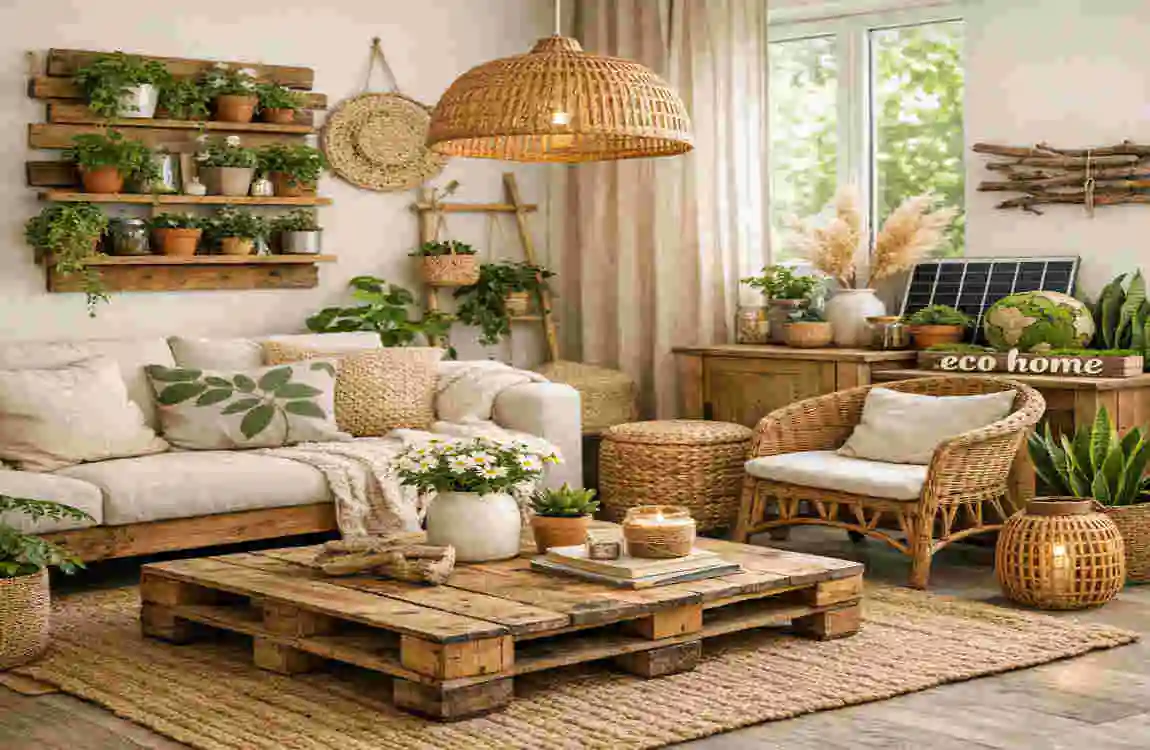
Sustainable decoration means choosing items and materials that are better for the environment. This may include recycled pieces, natural materials, long-lasting furniture, or secondhand finds.
There are many reasons to choose this path. It reduces waste. It lowers the demand for disposable products. It can also support ethical brands and local makers.
This kind of decorating is not just about being responsible. It often creates homes that feel warmer and more personal, too.
Easy Ways to Decorate Sustainably
You do not need to redesign your whole home to make better choices. Small steps can make a real difference.
- Use plants to bring life into the room.
- Reuse or repaint old furniture rather than replace it.
- Choose wood, cotton, bamboo, or other natural materials.
- Buy secondhand items with character and history.
- Use energy-saving lighting such as LED bulbs.
- Pick quality items that last longer rather than cheap ones that wear out quickly.
These choices help the planet and also help you build a home with meaning. A sustainable home often feels thoughtful and grounded.
The Role of Technology in Modern Home Decoration
Technology has changed the way homes look and function. Today, decor is not only about fabric, paint, and furniture. It can also include smart tools that improve comfort and convenience.
Smart Features That Blend In
Smart lighting systems let you adjust brightness and color with ease. Automated blinds can control sunlight during the day. Smart speakers and home assistants can help manage music, reminders, and routines.
These features are useful because they combine function with style. Many smart devices are designed to blend into the room rather than stand out too much.
A More Convenient Home Life
Technology makes home life smoother. You can create different moods with one touch. You can save energy by controlling lights and temperature more carefully. You can also make your home feel more secure and efficient.
This is another reason it’s more than just home decoration. A modern home is often designed for comfort, speed, and ease, not only appearance.
Technology may not feel like traditional decoration, but it shapes how the home works every day.
Financial Considerations in Home Decoration
Many people assume that good home decoration must be expensive. That is not true.
A beautiful home can be built on a budget. What matters most is thought, planning, and smart choices.
Budget-Friendly Decoration Ideas
If you are decorating on a limited budget, start small. You do not need to buy everything at once.
Some helpful ideas include:
- DIY wall art or photo frames
- Thrifted furniture and vintage finds
- Rearranging existing pieces for a fresh look
- Using throw pillows or rugs to change a room’s feel
- Painting one wall for a quick update
- Repurposing old jars, baskets, or boxes for storage
Creativity often matters more than money. A room can feel special because of the care behind it, not because of the price tag.
Long-Term Investment in Quality Decor
Sometimes it is worth spending more on a few key pieces. A strong dining table, a comfortable bed, or a durable sofa can last for years.
Quality items may cost more at first, but they often save money over time. You do not have to replace them as often. They also tend to look and feel better in daily use.
The smart approach is balance. Save where you can, but invest where it matters most. That is one of the best ways to build a home that feels good and works well.
How to Get Started with Purposeful Home Decoration
If you want to decorate with purpose, begin with your real life. Do not start with trends. Start with your needs.
Assess Your Needs and Lifestyle
Ask yourself simple questions.
Do you want a calm space to relax?
Do you need a productive workspace?
Do you often host guests?
Do you have children or pets?
Your answers will shape your choices. A family home, for example, may need durable materials and open space. A solo apartment may need flexibility and comfort. A work-from-home setup may need better lighting and organization.
Choose a Style That Reflects You
Pick a style that feels natural, not forced. You may enjoy modern, rustic, minimal, cozy, colorful, or traditional looks.
The best style is the one you can live with every day. It should reflect your personality and fit your routine.
Focus on Function, Comfort, and Sustainability
Choose items that serve more than one purpose. Look for furniture that feels comfortable. Select strong, durable materials and, when possible, eco-friendly ones.
This helps you build a space that is both practical and thoughtful.
Add Personal Touches
This is where your home becomes truly yours. Add family photos, books you love, art you enjoy, or handmade objects that carry meaning.
These details may seem small, but they make a big difference. They give your home soul.
Real-Life Examples of Home Decoration Beyond Aesthetics
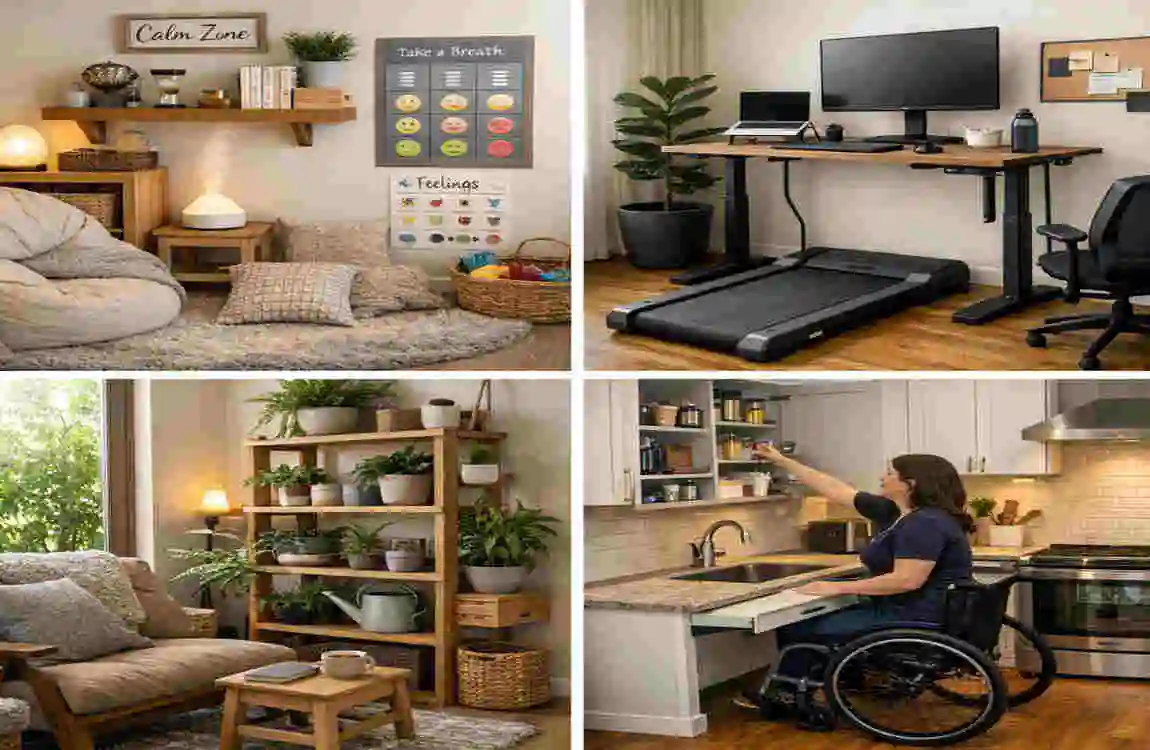
To really understand why home decoration matters, it helps to think about how it changes daily life.
A Small Apartment Made More Useful
Imagine someone living in a small city apartment. At first, the space feels cramped and messy. But after adding storage furniture, a foldable desk, and warm lighting, the room becomes much easier to use.
Now the apartment is not just prettier. It is more livable. The person can work better, relax more easily, and keep the space organized.
A Family Home Filled with Meaning
Now think about a family home with framed photos, handmade crafts, and furniture passed down through generations. The home may not look like a showroom, but it feels rich with memory.
Every item tells part of the family story. That is what makes the space meaningful.
A Work-from-Home Corner That Supports Focus
A person working from home may transform one corner into a simple office. With a clean desk, supportive chair, natural light, and a few inspiring details, the area becomes a place for focus.
This small change can improve productivity and reduce stress. Again, decoration is doing more than making a space look good. It is improving daily life.
Frequently Asked Questions
Why is home decoration important?
Home decoration is important because it affects mood, comfort, productivity, and well-being. It also helps turn a house into a home that feels personal and welcoming.
How can I decorate my home on a budget?
You can decorate on a budget by using DIY ideas, buying secondhand items, rearranging furniture, and adding small updates like pillows, plants, or wall art.
What is the most sustainable way to decorate a home?
The most sustainable way is to use eco-friendly materials, buy durable items, reuse what you already have, and include natural touches, such as plants.
How do I choose a home decoration style?
Choose a style that aligns with your personality, lifestyle, and cultural background. The best style is one that feels comfortable and practical for your daily life.
| SEO Element | Details |
|---|---|
| Topic | What Makes Home Decoration More Than Just Aesthetic? |
| Focus Keyword | its-more than just home decoration |
| Search Intent | Informational |
| Primary Idea | Home decoration affects comfort, mood, identity, and daily life—not just appearance. |
| Main Benefits | Better well-being, improved function, personal expression, and a more meaningful living space. |
| Target Audience | Homeowners, renters, and anyone interested in interior styling |
| Key Takeaway | It’s more than just home decoration because it shapes how a home feels and works. |