

Have you ever walked into your bathroom, ready for a relaxing shower, only to be greeted by a crusty, green-looking faucet? Or you’ve noticed those stubborn orange rust spots creeping up the base of your showerhead. It is incredibly frustrating. You spend time cleaning the mirrors and scrubbing the tiles, but those corroded fixtures make the whole room look dated and, frankly, a bit dirty.
What Causes Corrosion on Bathroom Fixtures
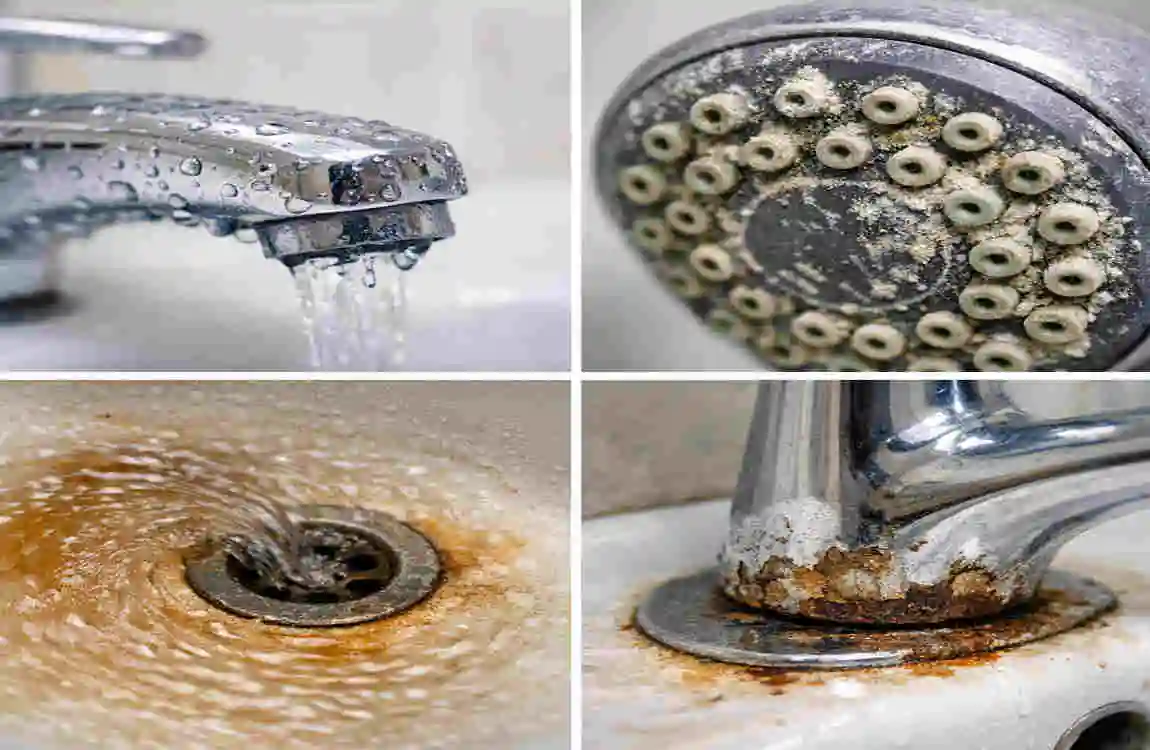
Before we start scrubbing, it helps to understand what we are fighting. Why do these beautiful, shiny handles turn into a crusty mess in the first place? It usually comes down to the bathroom‘s environment.
The Role of Hard Water
Did you know that about 80% of U.S. homes have hard water? According to USGS data, hard water is rich in minerals like calcium and magnesium. Every time you turn on the tap, these minerals hitch a ride on the water droplets. When the water evaporates, the minerals stay behind. Over time, these deposits (often called limescale) can erode the protective coating on your fixtures, leading to metal corrosion.
Humidity and Lack of Airflow
The bathroom is the most humid room in your house. Every hot shower creates steam that settles on your cold metal fixtures. If your bathroom doesn’t have a strong exhaust fan or a window to let the moisture out, the water can sit on the metal for hours. This constant moisture is the perfect fuel for rust and oxidation.
Chemical Damage
Sometimes, we are our own worst enemies. If you use harsh chemical cleaners (like bleach or strong acids) on delicate finishes like brushed nickel or oil-rubbed bronze, you might actually strip away the finish. Once that protective layer is gone, the raw metal underneath is exposed to the air and begins to corrode almost immediately.
Tools and Safety Tips Before You Start
You don’t need a heavy-duty hazmat suit, but a little preparation goes a long way. Before you tackle the grime, let’s make sure you have everything you need and that you stay safe while doing it.
Your Cleaning Kit Checklist:
- White vinegar (the MVP of cleaning).
- Baking soda (for gentle scrubbing).
- Fresh lemons (natural acid).
- An old toothbrush (perfect for tight corners).
- Microfiber cloths (for a scratch-free polish).
- Aluminium foil (you’ll be surprised by this one!).
- Rubber gloves (to protect your skin).
Safety First:
- Ventilation: Even natural cleaners like vinegar can have a strong smell. Keep the door open or the fan on.
- Spot Test: Always try a cleaning method on a small, hidden part of the fixture first. You want to make sure the cleaner doesn’t discolour the metal finish.
- No Steel Wool: Unless you have heavy iron rust, avoid steel wool. It can leave tiny scratches on chrome and nickel that will eventually lead to even more rust.
7 Easy Home Fixes to Clean Corrosion Off Bathroom Fixtures
Now, let’s get into the step-by-step methods. I’ve organised these from the simplest to the most heavy-duty, so you can choose the one that best fits your situation.
White Vinegar Soak: The Simplest Acid Fix
If you’re looking for the most effective “set it and forget it” method, white vinegar is your best friend. Vinegar contains acetic acid, which is just strong enough to dissolve mineral buildup and light corrosion without damaging the metal.
Why Vinegar Works for Faucets
Vinegar is a natural descaler. It eats through the “crust” that forms around the base of faucets. If your water flow has become weak or spray-y, it’s likely because the tiny holes in your faucet or showerhead are clogged with corrosion. Vinegar melts that away.
How to Do It (The Baggy Trick)
- Fill a small plastic bag with a mixture of half white vinegar and half warm water.
- Submerge the fixture. Place the bag over the faucet or showerhead so the corroded parts are completely underwater.
- Secure it. Use a rubber band or a zip tie to hold the bag in place.
- Wait. Let it soak for at least one hour. For heavy buildup, leave it overnight.
- Scrub and Rinse. Remove the bag, scrub the loosened gunk with your toothbrush, and rinse with clean water.
Baking Soda Paste: Gentle Abrasive Power
Sometimes you need a little “elbow grease,” but you don’t want to scratch your expensive hardware. This is where baking soda shines. It is a mild abrasive that neutralises acidic odours and lifts stains.
The Magic of the Paste
Baking soda is terrific because it’s a base. When you mix it with a bit of water, it creates a thick paste that stays precisely where you put it. This is perfect for vertical surfaces like shower handles or the sides of drains, where liquid cleaners would slide off.
Steps for a Perfect Clean
- Mix the paste. Combine 3 parts baking soda with 1 part water in a small bowl. It should look like toothpaste.
- Apply. Spread a thick layer over the corroded spots.
- Let it sit. Give it about 30 minutes to penetrate the rust.
- The Circular Scrub. Use a soft cloth or a damp sponge to rub the paste in circular motions. You’ll see the brown or green stains start to lift into the white paste.
- Rinse and Dry. Rinse thoroughly. This is the most critical part—dry the fixture completely with a microfiber cloth to prevent new water spots.
Lemon Juice and Salt: Natural Citrus Scrub
If you have brass fixtures or light green corrosion, the combination of lemon and salt is a classic remedy. It’s like a spa treatment for your bathroom hardware!
Why the Duo Works
Lemons are high in citric acid, which acts as a natural bleaching agent and rust remover. The salt acts as a “scrubber,” helping the acid penetrate deeper into the metal’s pitted areas. Plus, your bathroom will smell amazing afterwards.
How to Apply the Citrus Fix
- Cut a lemon in half.
- Dip the cut side into a bowl of table salt.
- Rub the lemon directly onto the fixture. Use the lemon half like a sponge, squeezing slightly to release the juice as you scrub.
- Let it dwell. Leave the juice on the metal for about 10 minutes. Don’t let it dry completely, as the salt can be hard to remove if it hardens.
- Wipe and Buff. Wipe it off with a damp cloth and buff it dry.
A Secret for Extra Shine
If you want that “showroom” look, put a tiny drop of olive oil on a clean cloth and wipe it over the fixture after cleaning. It creates a thin barrier that repels water!
Coca-Cola Drip: Surprising Soda Solution
This might sound like an urban legend, but it’s actually backed by science. Coca-Cola (or any generic cola) contains phosphoric acid. This is the same ingredient found in many industrial rust removers, just in a much lower, safer concentration.
Target Heavy Rust on Drains
This method is fantastic for the metal rings around the drain of your sink or bathtub. Since these areas are constantly underwater, they tend to rust the most.
How to Use Soda for Cleaning
- Plug the drain.
- Pour the cola. Fill the sink or tub just enough to cover the metal drain ring.
- The “Fizz” Factor. Let it sit for at least an hour. You might see tiny bubbles—that’s the acid reacting with the rust.
- Scrub. Use your trusty toothbrush to scrub the drain. The rust should flake right off.
- Rinse. Wash the sticky soda away with warm, soapy water.
Aluminium Foil and Vinegar: Electrolysis Hack
If you have chrome faucets, this is the “magic” trick you’ve been looking for. Chrome is a rigid metal, but it can develop “pitting” or small rust spots.
The Science of the Transfer
When you rub aluminium foil against a rusted chrome surface, a chemical reaction occurs. The aluminium is a “softer” metal, and through a process of friction and acidity (from the vinegar), the rust actually transfers from the chrome onto the foil. It’s incredibly satisfying to watch.
Step-by-Step Instructions
- Get your foil. Tear off a small square of standard kitchen aluminium foil.
- Crumple it. Crumple it into a loose ball. You want some edges, but not a hard rock.
- Dip in vinegar. Dip the foil ball into a bowl of white vinegar.
- Gently rub. Rub the foil over the rusted spots on your chrome faucet. You don’t need to press hard.
- Watch the magic. You will notice a blackish paste forming—this is the rust leaving your fixture!
- Wipe clean. Use a damp cloth to wipe away the residue.
Toothpaste Scrub: Everyday Polish
Did you know your toothpaste is designed to be a very fine abrasive to clean enamel without scratching it? That same logic applies perfectly to your bathroom hardware. This is the best method for “maintenance” cleaning or for tiny hardware items like cabinet knobs.
Which Toothpaste to Use?
Make sure you use standard white paste toothpaste. Avoid the “gel” types or those with colourful stripes, as they don’t have the same scrubbing power.
How to Polish with Paste
- Dab some paste onto an old toothbrush or a soft cloth.
- Work it in. Scrub the corroded or dull areas of your handles and knobs.
- Add a drop of water. If the paste gets too dry, add a tiny bit of water to keep it moving.
- Rinse and Shine. Rinse it off and dry it. Your fixtures will not only be clean but will have a high-gloss shine.
CLR or Commercial Cleaner: When DIY Needs Backup
Sometimes, the corrosion is just too far gone for lemons and vinegar. If you’ve moved into a luxury house that hasn’t been cleaned in years, or if your water is tough, you might need a commercial cleaner like CLR (Calcium, Lime, and Rust Remover).
When to Step Up Your Game
If you see thick, stony white buildup that won’t budge with vinegar, it’s time for the heavy hitters. These chemicals are designed to break the molecular bonds of mineral deposits.
How to Use Safely
- Dilute. Most commercial cleaners recommend a 1:1 water ratio for general cleaning.
- Apply with a sponge. Wear gloves! These chemicals can be harsh on your skin.
- Limit contact time. Never leave these cleaners on for more than 2 minutes unless the bottle says otherwise. They are strong enough to eat the finish if left too long.
- Rinse thoroughly. Make sure every trace of the chemical is gone.
Comparing the Methods: Which One Should You Choose?
To help you decide which method is right for your specific bathroom problem, I’ve put together this handy comparison table.
MethodBest ForEffort LevelCost
White Vinegar Faucets & Showerheads Low (Soak) Very Low
Baking Soda Handles & Vertical Surfaces Medium (Scrub) Very Low
Lemon & Salt Brass & Green Corrosion Medium Low
Coca-Cola Heavy Rust on Drains Low (Wait) Low
Aluminium Foil Chrome Pitting/Rust Medium Very Low
Toothpaste Small Hardware/Polishing Low Low
CLR/Commercial Extreme Limescale High (Careful!) Medium
Prevention Tips: Keep Corrosion Away Long-Term

Cleaning the corrosion off is a significant first step, but wouldn’t it be better if it never came back? You don’t have to spend all your weekends scrubbing if you follow these simple prevention habits.
Dry After Use
This is the most critical thing you can do. Keep a small microfiber cloth under the sink. After you finish your morning routine or step out of the shower, take 30 seconds to wipe the water off the fixtures. If there is no standing water, there are no minerals left behind to cause corrosion.
Improve Your Airflow
If your bathroom stays “steamy” for more than 10 minutes after a shower, your ventilation isn’t working well enough.
- Clean your fan. Dust buildup makes fans less efficient.
- Leave the door cracked. This allows fresh, dry air to circulate.
- Use a dehumidifier. If you have a tiny, windowless bathroom, a small plug-in dehumidifier can be a lifesaver for your metal hardware.
Consider a Water Softener
If you find yourself fighting corrosion every single month, the problem is your water. A whole-house water softener removes calcium and magnesium before they ever reach your pipes. It’s an investment, but it saves your fixtures, your appliances, and even your skin and hair!
Quick Prevention Habits:
- Wipe down faucets daily.
- Apply a car wax or specialised metal wax to fixtures once a year to create a water-repellent seal.
- Check for leaks. A slow drip from a faucet can quickly form a “trail” of corrosion.
- Avoid bleach on metal finishes.
- Use a squeegee on shower handles after every use.
Frequently Asked Questions (FAQs)
How long does it take to clean corrosion off bathroom fixtures?
For most home remedies, like vinegar or baking soda, you are looking at about 30 to 60 minutes of “waiting time” and maybe 5 to 10 minutes of actual scrubbing. If the corrosion is very thick, an overnight soak is usually the best bet.
Is vinegar safe for all metal finishes?
Generally, yes, vinegar is safe for chrome and stainless steel. However, be very careful with matte black, oil-rubbed bronze, or gold finishes. These are often “living finishes” or thin coatings that can be sensitive to acids. Always test a tiny spot first!
Can I use a wire brush to remove rust?
I would strongly recommend against using a wire brush. It is far too abrasive and will leave deep scratches in the metal. Once the surface is scratched, rust will form inside those scratches even faster than before. Stick to a toothbrush or a soft nylon brush.
Why did my faucet turn green?
That green crust is usually a result of copper oxidation. Many faucets have a brass or copper base underneath the chrome plating. When the plating wears down, the copper reacts with oxygen and water, creating “verdigris”—that green stuff you see on the Statue of Liberty!
Will cleaning corrosion fix a leaky faucet?
Not usually. Corrosion on the outside is an aesthetic issue. If your faucet is leaking, the problem is likely an internal washer or cartridge that has worn out. However, cleaning the corrosion off can make it easier to take the faucet apart to fix the leak!