When it comes to building or renovating a house, one question keeps popping up among homeowners and builders alike: how far can you span a 2×6 for a house roof? It’s a crucial consideration because the span length directly affects the strength and safety of your roof.
What Does Spanning a 2×6 Mean?
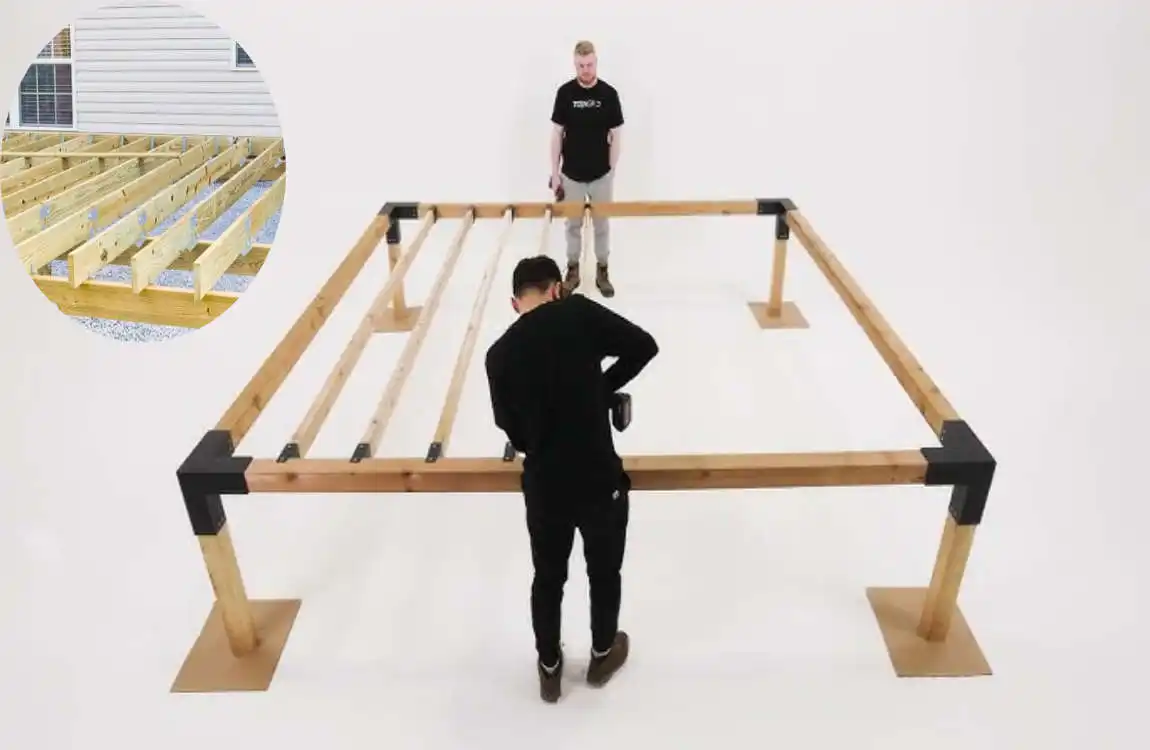
Before diving into numbers and charts. The span is the distance a piece of lumber stretches without any support underneath it. Imagine a 2×6 board resting on two walls or beams — the distance between these supports is the span.
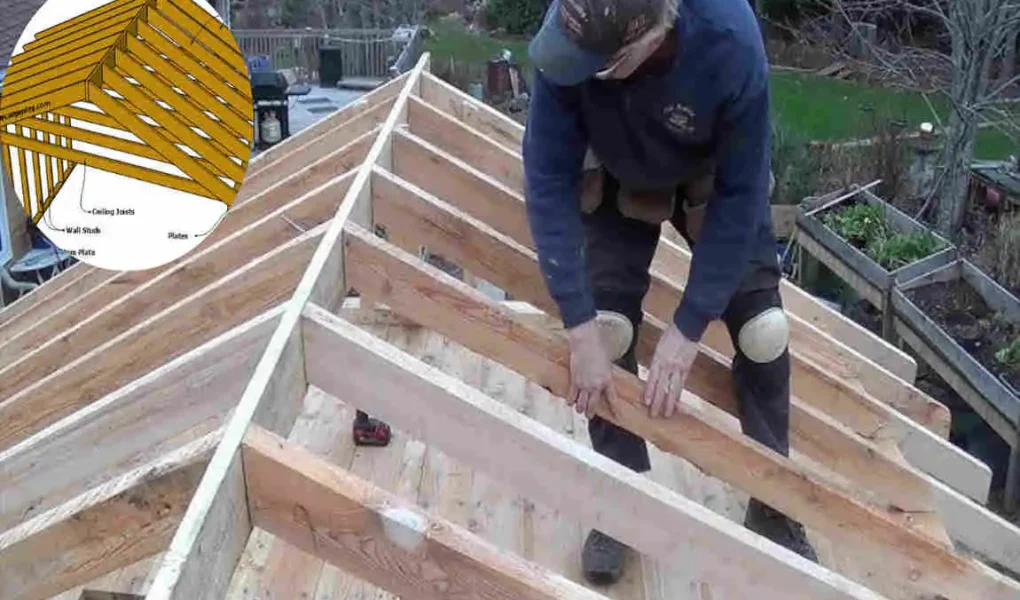
In roofing, 2×6 lumber is commonly used as:
- Rafters: The slanted beams that support your roof deck and shingles.
- Ceiling Joists: Horizontal beams holding up the ceiling below the roof.
- Floor Joists: Sometimes used in floors, but less common for heavy loads.
Types of Loads Affecting Spans
Different loads influence how far a 2×6 can safely span:
- Dead Load: The weight of the roof materials themselves (shingles, plywood, insulation).
- Live Load: Temporary weights such as people walking on the roof during maintenance.
- Snow Load: Extra weight from snow accumulation in colder climates.
- Wind Load: Forces acting horizontally on the roof structure.
Understanding these loads helps determine safe span lengths and prevents structural issues.
Factors Affecting How Far a 2×6 Can Span for a Roof
Not all 2×6 boards are created equal, and several factors influence their maximum span:
Wood Species and Grade
Different wood species have varying strength levels. For example:
- Douglas Fir and Southern Pine are among the strongest and most common.
- Hem-Fir is a softer option with less span capability.
Grades also matter—higher-grade lumber has fewer knots and defects, allowing longer spans.
Lumber Quality and Treatment
Pressure-treated or kiln-dried lumber might perform differently. Quality control during production impacts how much load a board can handle.
Spacing Between Rafters or Joists
Spacing refers to the distance between each rafter or joist, measured “on center” (from the center of one board to the center of the next). Common spacings are:
- 12 inches
- 16 inches (most common)
- 24 inches
Closer spacing means each board carries less load, enabling longer spans.
Roof Pitch or Slope
Steeper roofs distribute loads differently. A low slope can mean more load on rafters, reducing the allowable span.
Load Considerations
Heavier roofing materials (like tile or slate) add to the dead load, reducing span length. Snow-heavy regions require more substantial rafters or shorter spans.
Building Codes and Local Regulations
Local building codes establish minimum requirements for lumber spans, taking into account climate and safety considerations. Always check your region’s code before building.
Typical Span Limits for 2×6 in Roof Applications
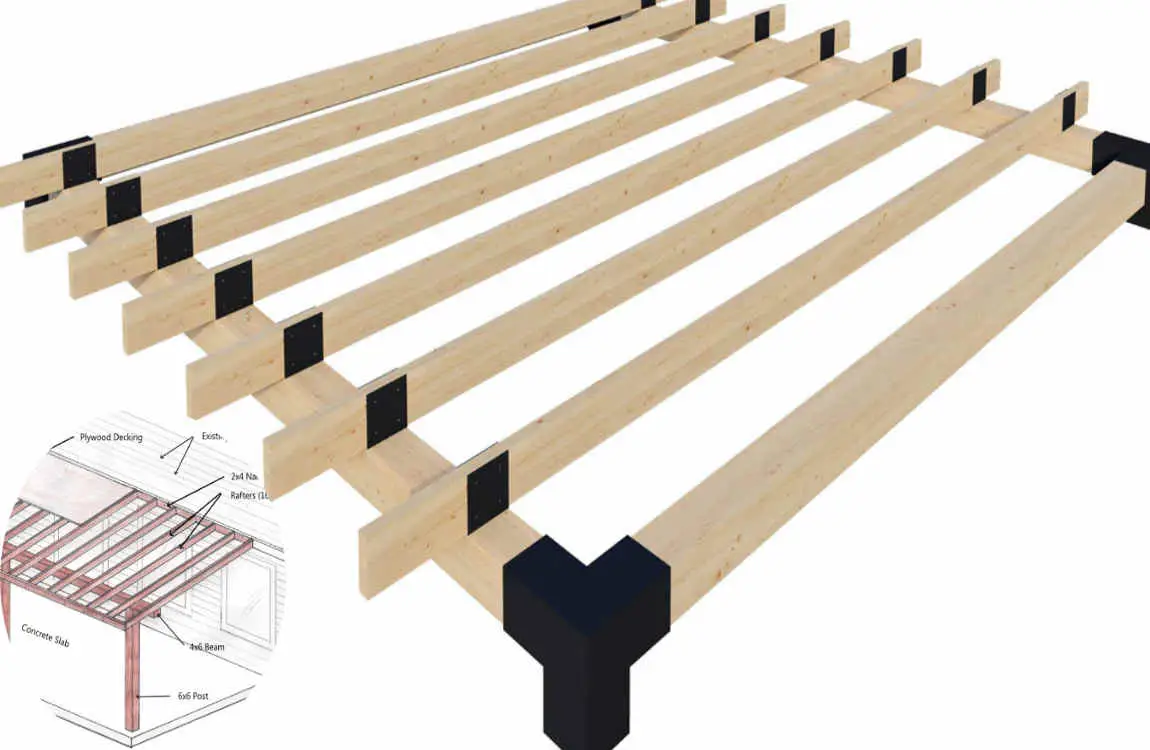
Generally, 2×6 rafters can safely span between 10 and 13 feet, depending on the factors above. For ceiling joists or floor joists, spans might be slightly different due to varying load types.
Span Table for 2×6 Rafters (Douglas Fir-Larch, No. 2 Grade, 16″ OC spacing)
Roof Pitch Live Load (psf)Dead Load (psf)Maximum Span (ft)
4/12 20 10 10′ 6″
6/12 20 10 11′ 6″
8/12 20 10 12′ 0″
12/12 20 10 13′ 0″
Note: psf = pounds per square foot; spacing = 16 inches on center
This table illustrates the effect of roof pitch and load on span length. Increasing spacing to 24″ generally reduces the allowable span by 1-2 feet.
How to Calculate the Maximum Span for a 2×6 Rafter
You don’t always have to rely on tables. Here’s a simple way to estimate the maximum span:
Basic formula for allowable span:
Span (ft) ≈ (Strength Factor × Board Depth²) / Load Factor
Since this can get technical, most builders use span charts or apps based on local building codes to find exact numbers.
Example Calculation
Suppose you have a 2×6 rafter spaced 16″ apart with a 20 psf live load and 10 psf dead load, and a roof features pitch of 6/12.
- From the span charts, you find the max span is about 11.5 feet.
- If your actual span is 12 feet, you should either reduce spacing or use stronger lumber.
When to Consult a Structural Engineer
If your roof design involves unusual loads, long spans, or non-standard materials, getting professional advice is critical. Engineers use advanced software and codes to ensure safety.
Practical Examples of 2×6 Roof Spans
Example 1: Residential Home, 16″ Spacing, Typical Load
- Roof pitch: 6/12
- Live load: 20 psf
- Dead load: 10 psf
- Span: 11 feet
This is a typical setup where 2×6 rafters work well without sagging.
Example 2: 24″ Spacing, Lightweight Roof
- Roof pitch: 8/12
- Live load: 15 psf (lighter materials)
- Dead load: 8 psf
- Span: 9 feet
Increasing spacing reduces span capacity, so keep spans shorter or use stronger boards.
Example 3: Steep Roof Pitch Effect
- Roof pitch: 12/12
- Loads as above
- Span allowed: up to 13 feet
Steeper roofs can support longer spans due to their load distribution.
Risks of Exceeding Recommended Span Lengths
Going beyond recommended spans might seem like a cost-saving shortcut, but it comes with serious risks:
- Sagging or Bowing: Overstressed rafters bend over time, causing uneven roof lines.
- Structural Failure: In extreme cases, rafters can crack or collapse.
- Roof Damage: Sagging stresses shingles and can cause leaks.
- Code Violations: Non-compliance leads to failed inspections and costly repairs.
- Increased Maintenance: Repairs or reinforcement add to long-term expenses.
Your roof protects your house design — don’t risk it by ignoring span limits.
Alternatives When Longer Spans Are Needed
If your design calls for spans longer than 13 feet, consider these options:
Larger Dimension Lumber
- 2×8 or 2×10 boards provide more strength and can span longer distances.
Engineered Wood Products
- LVL (Laminated Veneer Lumber) or Glulam beams are stronger and more stable.
Adding Supports
- Introducing beams or posts reduces unsupported span length.
Roof Trusses
- Pre-fabricated trusses can span large distances efficiently and safely.
Each alternative has trade-offs in terms of cost and installation complexity, but ensures safety.
How Building Codes Regulate 2×6 Span Limits
Building codes exist to ensure the safety of structures. They include:
- Span Tables: Detailed charts specifying max spans for various lumber sizes, species, and loads.
- Load Requirements: Minimum live and dead loads must be accounted for.
- Inspection Rules: Ensuring Compliance During Construction.
You can find these tables in resources such as the International Residential Code (IRC) or your local building department’s publications.
Tips for Homeowners and Builders
To keep your roof design safe and sound:
- Inspect Existing Roofs: Look for sagging, cracks, or unevenness.
- Confirm Spacing: Use a tape measure to check rafter spacing.
- Consult Professionals: When in doubt, consider consulting with structural engineers or licensed contractors to assess your roof.
- Follow Codes: Always build to or above code requirements.
- Use Quality Materials: Don’t skimp on lumber grade or treatment.
- Maintain Roof Health: Keep gutters clean and check for leaks.