The story of the Don Shirley House is more than the story of a building. It is the story of a man who used music to rise above barriers, challenge expectations, and leave a mark on American culture.
Don Shirley was not just a gifted pianist. He was a bold artist, a disciplined performer, and a trailblazer who carried himself with grace in a world that often refused to give Black artists the respect they deserved. His home, in many ways, reflects that same spirit. It stands as a quiet reminder of his intelligence, taste, and determination.
When people think about Don Shirley, they often remember the music first. That makes sense. His performances were rich, layered, and full of feeling. It gives us a way to connect his private life, his cultural identity, and his lasting influence.
| Category | Details |
|---|---|
| Full Name | Don Shirley |
| Date of Birth | January 29, 1927 |
| Date of Death | April 6, 2013 |
| Profession | Pianist, Composer, Classical and Jazz Musician |
| Net Worth | Estimated around $2 million (at time of death) |
| Current Residence | N/A (Don Shirley passed away in 2013) |
| Notable Facts | Broke racial barriers in classical music; subject of the movie Green Book |
The Don Shirley House: A Testament to His Genius
Location and Description
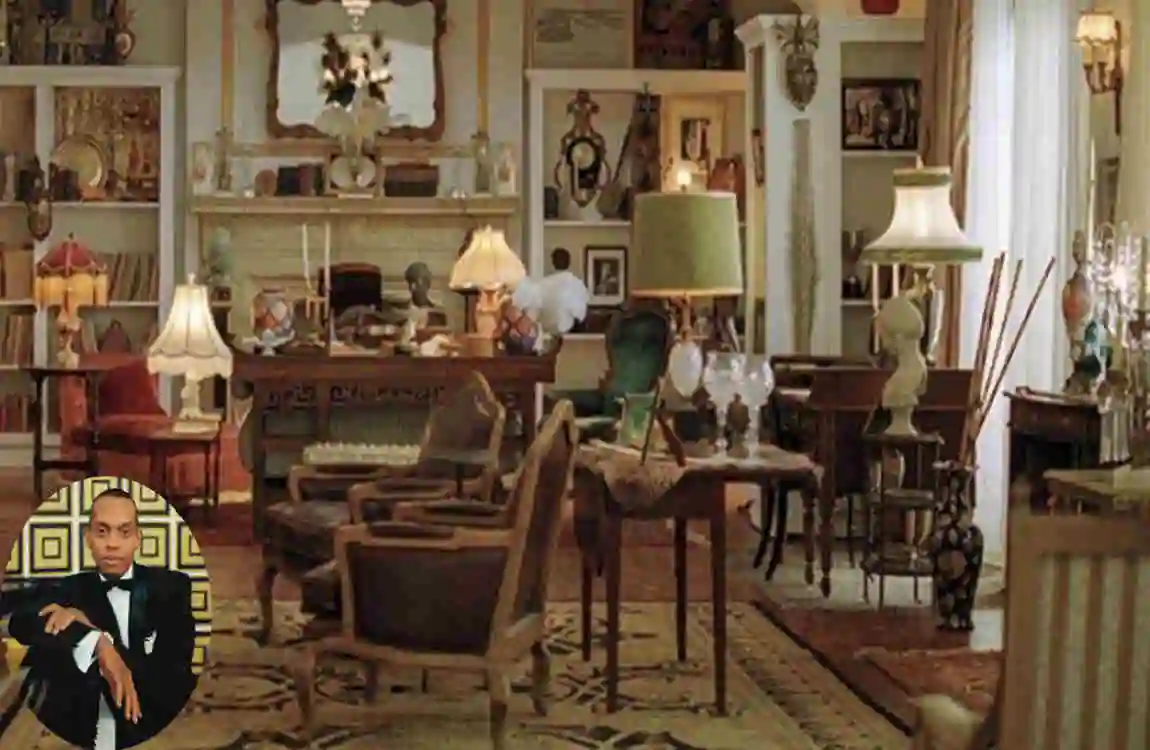
The Don Shirley House is most often discussed as the private luxury home associated with Don Shirley’s life and career in New York. While public details about the exact property vary by source, the house is remembered as a deeply personal space that reflected his world.
It was not just a place to sleep. It was a place to think, practice, create, and host. For an artist like Shirley, home was part of the work. It needed to support focus, beauty, and calm.
That matters because homes often tell stories that public achievements cannot. A stage shows us the polished performance. A home shows us the life behind it. The Don Shirley House gives us that quieter picture.
Architecture and Design
A home connected to Don Shirley would naturally reflect taste, intention, and a sense of order. Shirley was known for being precise and elegant, and those qualities likely influenced the way he lived.
Even without a public museum-style display, the idea of the Don Shirley House suggests a space where design mattered. Such a home would not feel random. It would likely feel arranged, thoughtful, and refined.
That kind of environment fits an artist who values structure and beauty. It also fits a man who built a life around discipline. A musician who spent hours studying sound would likely care about his surroundings, too.
The design of a home like this can tell us several things:
- It shows personal identity. A luxury home often reflects the tastes and habits of the person who lives there.
- It creates a working space. For a musician, the home must support practice and reflection.
- It preserves mood and memory. The way a home feels can carry emotional meaning long after the person is gone.
Why the House Matters Beyond Its Walls
The Don Shirley House matters because it represents more than architecture. It represents a life shaped by excellence and pressure, beauty and struggle.
Shirley lived in a time when Black artists often had to work harder to receive the same respect given to white artists. He met that reality with style and skill. His luxury home becomes part of that story because it reflects the kind of life he built for himself.
It is also important because homes can protect memory. A concert may last an hour. A recording can be played again and again. But a house holds the daily rhythm of a life. It reminds us of the human being behind the public figure.
Cultural Significance of the Don Shirley House
The Don Shirley House is culturally important because it helps preserve the memory of a Black artist who expanded what was possible.
It symbolizes:
- Creativity
- Resilience
- Discipline
- Cultural pride
- Historical memory
That is why people care about it. They are not only preserving a house. They are preserving a story of achievement in the face of limitation.
The Role of the Don Shirley House in the Civil Rights Movement

Music as a Form of Resistance
Don Shirley did not always speak in the language of protest, but his career carried a powerful message. Every time he performed with excellence, he challenged the idea that Black artists had to stay in narrow roles.
His music crossed social lines. It reached audiences that may not have expected to hear such depth and sophistication from a Black pianist. That alone had cultural power.
The Don Shirley House becomes part of that larger story because homes are where artists prepare for the work that changes public life. A quiet room, a piano, a stack of scores, and the discipline to keep going all matter.
A Safe and Steady Space
For Black artists and intellectuals, a private luxury home could be more than personal property. It could be a refuge. It could be a place to gather, rest, and think without performing for the outside world.
The Don Shirley House may be understood in that light. It represents a space of control and comfort in a world that often tries to limit both.
During the civil rights era, having a private, dignified space mattered deeply. It offered room to recover from the stress of public life. It also gave artists a place to build ideas, share conversation, and hold onto their sense of self.
Visitors, Ideas, and Cultural Exchange
Homes connected to important figures often become gathering places for ideas. While every detail of the Don Shirley House is not publicly documented, homes like it are often where conversations take place that shape art and history.
A musician’s home can become a meeting point for:
- Fellow artists
- Thinkers and writers
- Students and admirers
- Friends and collaborators
These kinds of exchanges help build cultural memory. They turn a private place into part of a larger public story.
Restoring and Preserving the Don Shirley House
Why Preservation Matters
Preserving the Don Shirley House matters because places tied to Black history are too often overlooked, neglected, or lost. When that happens, communities lose more than a building. They lose a piece of memory.
A house can teach history in a way that books sometimes cannot. It gives history a shape you can see and feel. That is especially important for younger generations who may be learning about Don Shirley for the first time.
Preservation also shows respect. It says that his life mattered. His luxury home mattered. His contribution to American culture mattered.
The Current State of the House
The public status of the Don Shirley House is not always easy to define in simple terms, and that is part of why preservation conversations matter so much. Historic homes associated with artists can go through different stages over time, including private ownership, public attention, and discussions of restoration.
What remains important is the idea behind the house. Whether it is fully restored, privately held, or still awaiting wider recognition, the need to protect its legacy remains strong.
Efforts to Preserve Historical Meaning
Preservation does not always begin with major construction. Sometimes it starts with awareness. Sometimes it starts with local history groups, music fans, scholars, or community members who understand the value of a place before it disappears.
Efforts connected to the Don Shirley house may include:
- Documenting the property’s history
- Sharing Don Shirley’s story with the public
- Supporting landmark recognition
- Raising awareness through education
- Encouraging careful restoration when possible
Even small steps can make a difference. History survives when people choose to notice it.
Why Future Generations Need This House
Future generations need places like the Don Shirley House because history feels more real when it has a home. Young people can learn about Don Shirley’s music in a classroom, but seeing the space associated with his life makes the story feel more human.
That is especially true for Black history. Too often, Black achievements are celebrated in theory but not protected in practice. Preserving meaningful homes helps correct that imbalance.
What Readers Can Do to Help
If you care about historic preservation, you can help in simple ways:
- Learn more about Don Shirley and share his story.
- Support local preservation efforts in your community.
- Advocate for landmark protection when historic luxury home are at risk.
- Value Black history sites as part of American history.
- Encourage education around artists whose stories deserve wider attention.
The goal is not only to remember the Don Shirley House. The goal is to keep its meaning alive.
Preservation Priorities at a Glance
Preservation Focus: Why It Matters: What It Protects
Historical documentation keeps the story accurate, in memory, and in public knowledge.
Landmark recognition helps prevent loss of physical structure and legacy
Community awareness builds support, public interest, and education
Careful restoration preserves original character, authenticity, and cultural value
The Don Shirley House as a Cultural Landmark

A Place That Inspires Artists
The Don Shirley House continues to inspire because it represents a life devoted to craft. Artists often look at places like this and see more than walls. They see discipline. They see ambition. They see proof that a serious life in art is possible.
That kind of inspiration matters. It tells musicians, writers, and creators that their spaces shape their work. A home can become part of an artistic identity.
Shirley’s story also reminds artists that excellence can be a form of resistance. His legacy encourages people to keep creating even when the world is slow to understand them.
Education Through Place
Historic homes are powerful teaching tools. They help people learn history in a grounded way. The Don Shirley House can help teach about music, race, class, and the changing role of Black artists in America.
It also helps people understand that cultural history is not abstract. It happened in real rooms, real neighborhoods, and real luxury home.
A house like this can support lessons about:
- American music history
- Black cultural achievement
- Civil rights-era life
- The value of artistic spaces
- The importance of preservation
Public Memory and Lasting Influence
The more people learn about Don Shirley, the more the house becomes part of his broader public memory. It reminds us that a person’s influence does not end with their lifetime.
Music can travel far. So can memory. And so can a house, when people choose to protect its meaning.
The Don Shirley House stands as a cultural landmark because it bridges private life and public history. It helps us remember Don Shirley not only as a performer, but as a person who lived with purpose.
Lessons We Can Learn from Don Shirley and His Home
Resilience Can Be Quiet but Powerful
One of the strongest lessons from Don Shirley’s life is that resilience does not always look loud. Sometimes it looks like practice. Sometimes it looks like discipline. Sometimes it looks like showing up with dignity when the world expects less.
The Don Shirley House reflects the same idea. A luxury home does not need to be famous to matter. It can still hold the story of persistence and excellence.
Spaces Carry Meaning
We often think of history in terms of people, dates, and events. But places matter too. A home can store memory in a way that facts alone cannot.
The Don Shirley House reminds us that physical spaces can hold emotion, identity, and legacy. They can teach us about the lives lived inside them.
That is why preservation is not just about buildings. It is about meaning.
Black History Must Be Protected
Don Shirley’s legacy is part of Black history, American history, and music history all at once. His home reminds us that these histories deserve care.
Too many important places connected to Black life have been ignored or erased. Preserving luxury home like this is one way to push back against that loss.
It tells future generations that Black achievement should not only be celebrated after the fact. It should be protected while it still stands.
The House Teaches Us to Look Deeper
The Don Shirley House also teaches us to look beyond the surface. A public figure’s story is never just about the spotlight. It is also about the private places where the work happened.
If we only remember performances, we miss the preparation. If we only remember fame, we miss the human being. The house helps fill in that picture.
Frequently Asked Questions About the Don Shirley House
Where is the Don Shirley House located?
The Don Shirley house is generally associated with Don Shirley’s private residence in New York. However, public descriptions of the exact property can vary. Many people know it as the home connected to his life and work rather than as a widely promoted tourist site.
Can you visit the Don Shirley House?
In most cases, the Don Shirley House is not known as a public museum open to regular visits. Access depends on the property’s current status, ownership, and preservation efforts. If it ever becomes more publicly available, that would likely depend on local historical or restoration plans.
What makes the Don Shirley House significant?
The Don Shirley House is significant because it represents the life of a groundbreaking musician and a civil rights-era figure. It stands for creativity, dignity, and the importance of preserving Black cultural history.
What efforts are being made to preserve the house?
Preservation efforts usually focus on awareness, historical documentation, and advocacy for landmark protection. In some cases, community interest and public attention are the first steps toward protecting a historic home like the Don Shirley House.
Why do people care about the Don Shirley House today?
People care because the house helps keep Don Shirley’s story alive. It gives his legacy a place in the physical world and reminds us that history lives not just in books, but in the spaces people called home.
| Category | Details |
|---|---|
| Address | Exact address not publicly disclosed for privacy reasons |
| Location | Likely in Manhattan, New York (where Don Shirley resided most of his life) |
| Architecture Style | Mid-century modern with artistic influences |
| Interior Design | Elegant, sophisticated, reflecting Shirley’s artistic and musical genius |
| Unique Features | Grand piano, art collections, custom furniture showcasing his refined taste |
| Historical Value | Significant as a cultural hub for artists and intellectuals during his time |
| Estimated Worth | Value unknown; dependent on location and current real estate trends |
| Historical Info | • Served as a personal residence and creative space for Don Shirley |
| • Likely a meeting spot for musicians, artists, and civil rights activists | |
| Preservation Status | Unknown; efforts for preservation not widely documented |
Where Does Don Shirley Currently Live?
Don Shirley House Photos