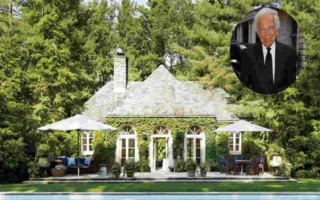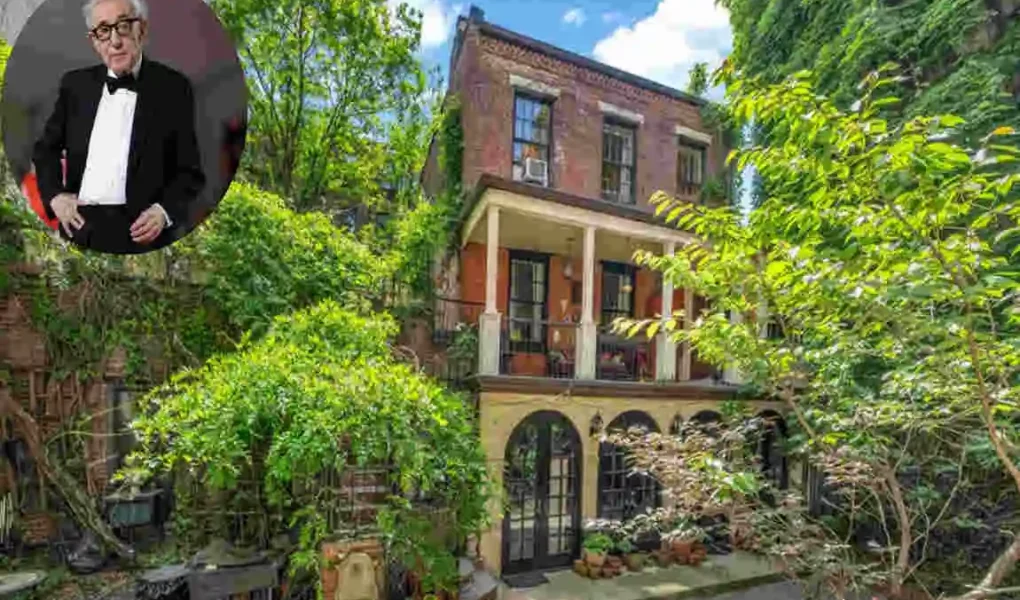
Woody Allen’s house in New York has long attracted attention because it connects one of America’s most recognizable filmmakers with the city that shaped much of his work. Woody Allen is strongly linked to Manhattan, and that connection has made people curious about the kind of home he lives in, the neighborhood around it, and the style of the residence itself.
What makes this home interesting is not just its name. It is also the New York setting, the classic city architecture, and the private, upscale feel that many celebrities prefer. Fans often want to know whether the home reflects Allen’s personality, taste, and creative world.
| Category | Details |
|---|---|
| Full Name | Allan Stewart Konigsberg (professionally known as Woody Allen) |
| Birth Date | November 30, 1935 |
| Age | 90 (as of 2026) |
| Birthplace | New York City, United States |
| Nationality | American |
| Profession | Filmmaker, Director, Screenwriter, Actor, Comedian, Author, Musician |
| Years Active | 1950–Present |
| Height | Approximately 5 ft 5 in (1.65 m) |
| Education | Attended Midwood High School in Brooklyn |
| Spouse | Soon-Yi Previn (married since 1997) |
| Previous Spouses | Harlene Rosen (1956–1959), Louise Lasser (1966–1970) |
| Children | 5 |
| Sister | Letty Aronson |
| Religion / Heritage | Jewish family background |
| Famous Movies | Annie Hall, Manhattan, Hannah and Her Sisters, Midnight in Paris |
| Awards | 4 Academy Awards, 10 BAFTA Awards, 2 Golden Globe Awards, 1 Grammy Award |
| Estimated Net Worth | Approximately $140 Million USD (widely reported estimate) |
| Current Residence | Allen has long maintained a residence in New York City, particularly in Manhattan. For privacy and security reasons, his exact current home address is not publicly disclosed. |
| Official Website | Woody Allen Official Website |
Where Is Woody Allen’s House in New York Located?
Prestigious Manhattan Neighborhood
Woody Allen’s residence is generally associated with an upscale Manhattan neighborhood. Public discussion often places celebrity homes like his in areas known for privacy, luxury, and convenience. While the exact details of private residences are not the focus here, the home is tied to the kind of Manhattan location many high-profile figures prefer.
This matters because Manhattan itself carries a special status. It offers culture, walkability, and quick access to some of the city’s best dining, museums, and theaters. For someone like Allen, that kind of environment fits both lifestyle and career.
Why This Area Is Highly Desirable
A Manhattan home in this category is desirable for several clear reasons:
- Luxury real estate value remains strong
- Cultural landmarks are close by
- Fine dining and shopping are nearby
- Transportation access is convenient
- The neighborhood feel is elegant and established
People want to live in these areas not only because they are expensive, but because they offer a balanced lifestyle. You get city energy without losing comfort or privacy.
Privacy and Security Features
For celebrities, privacy is essential. A well-placed Manhattan residence often includes features that help keep attention low and security high. That can mean controlled building access, quiet entrances, and layouts that limit public visibility.
For someone as well-known as Woody Allen, these details matter a lot. They allow him to enjoy city life while protecting his personal space.
Architectural Style of Woody Allen’s New York Residence
Exterior Design
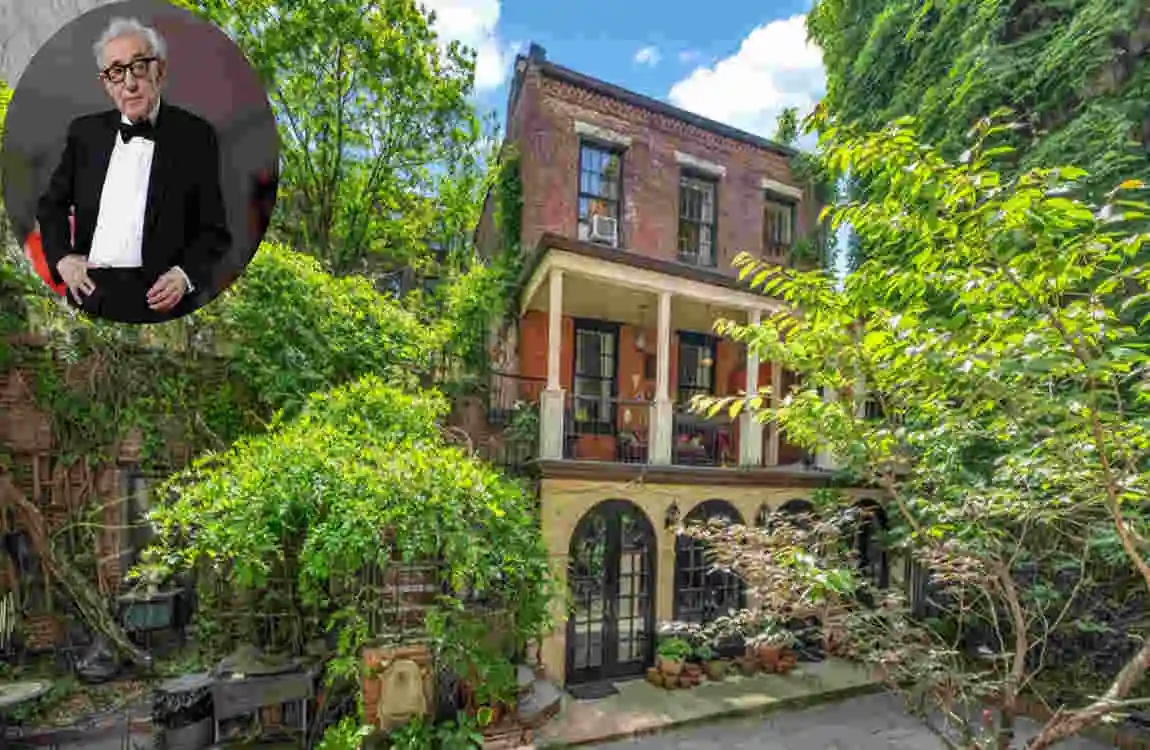
Woody Allen’s house in New York is often imagined as a classic Manhattan property with timeless appeal. In a city full of historic buildings and elegant residences, a home like this usually fits into its surroundings instead of standing out in a flashy way.
The exterior is likely to reflect traditional New York luxury rather than bold modern design. That means clean lines, refined materials, and a look that feels permanent and sophisticated. The style may be understated, but that is part of the charm.
Interior Design Elements
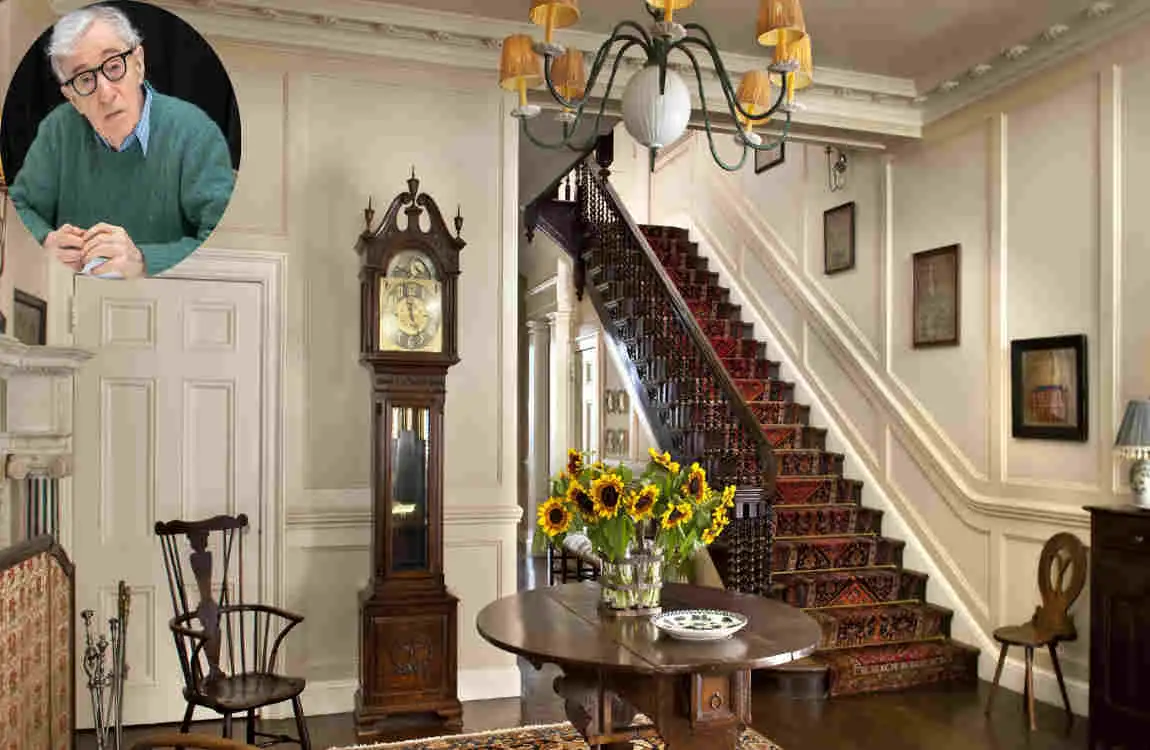
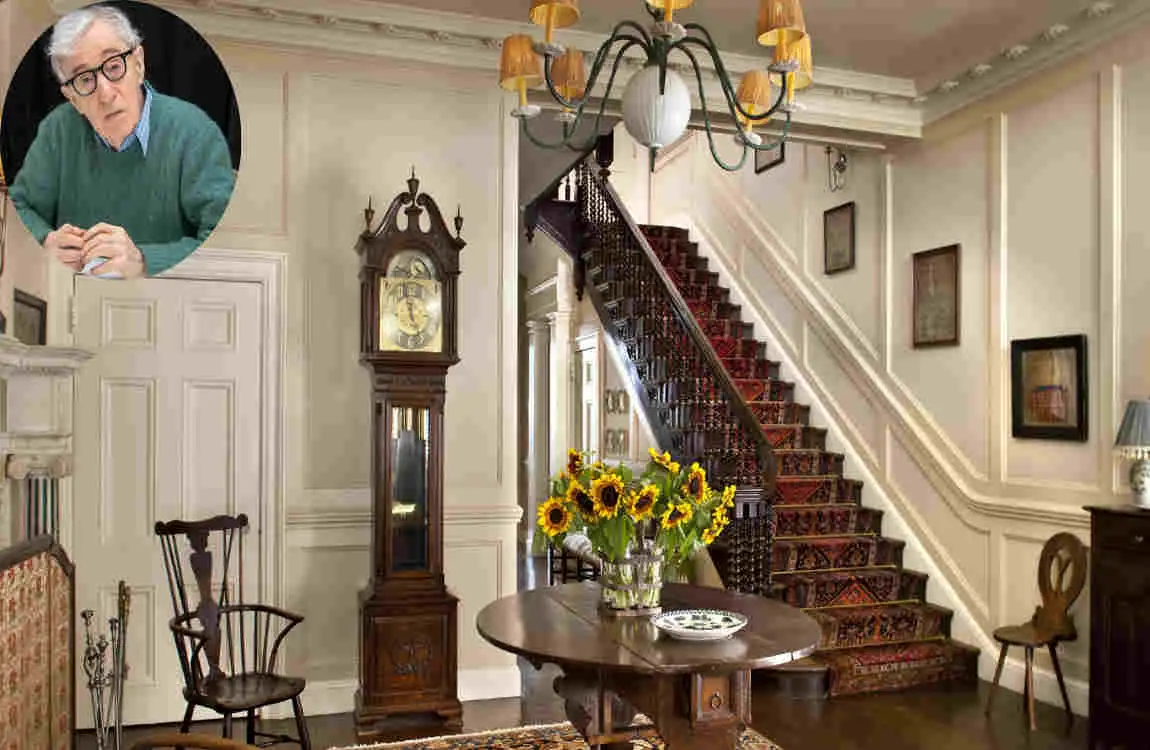
Inside, the home would be expected to show classic New York elegance. That usually means polished finishes, warm textures, tasteful furniture, and a layout that feels both comfortable and cultured.
The interior style may include:
- Neutral colors and soft lighting
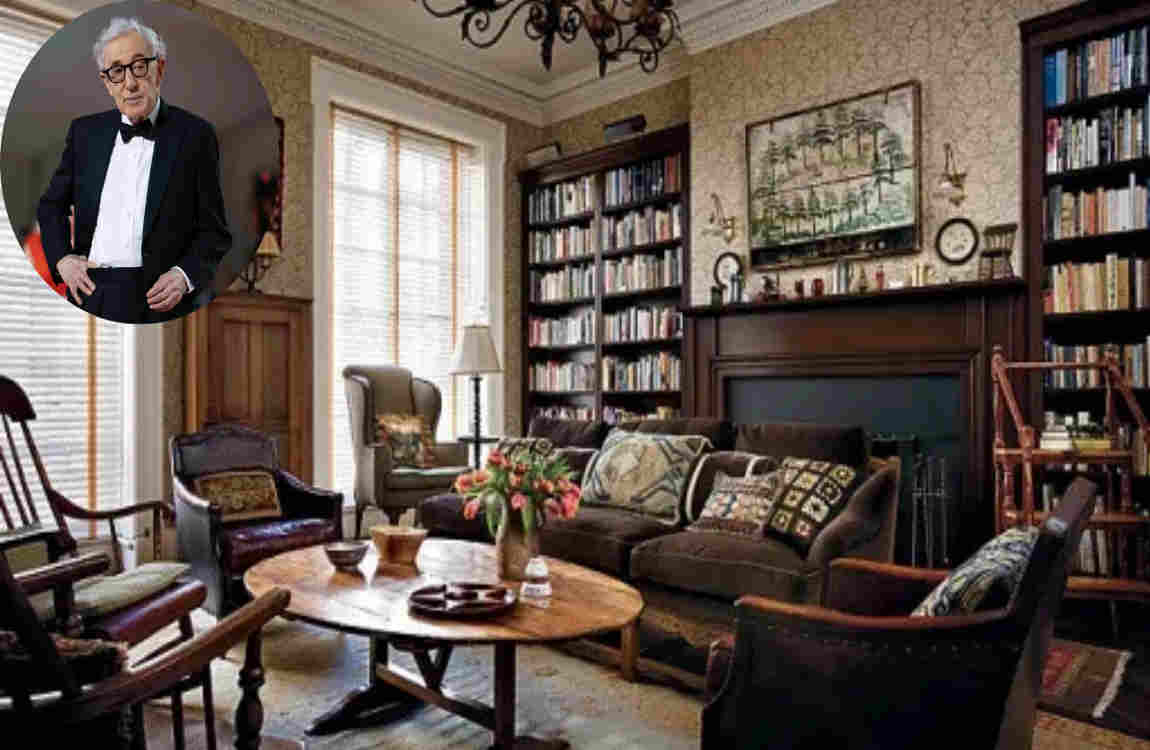
- Bookshelves and framed artwork
- Comfortable but refined seating
- Elegant wood, stone, or metal accents
This kind of design feels lived-in, not showy. It suits a creative figure who values atmosphere and character.
Unique Features
Several features often make this type of residence especially appealing:
FeatureWhy It Matters
High ceilings Make rooms feel open and airy
Large windows Bring in natural light and city views
Spacious living areas Support comfort and entertaining
Classic finishes Add timeless beauty
Quiet private spaces Offer calm in a busy city
These elements help the home feel both luxurious and practical.
Inside Woody Allen’s House: Room-by-Room Tour
Grand Living Room
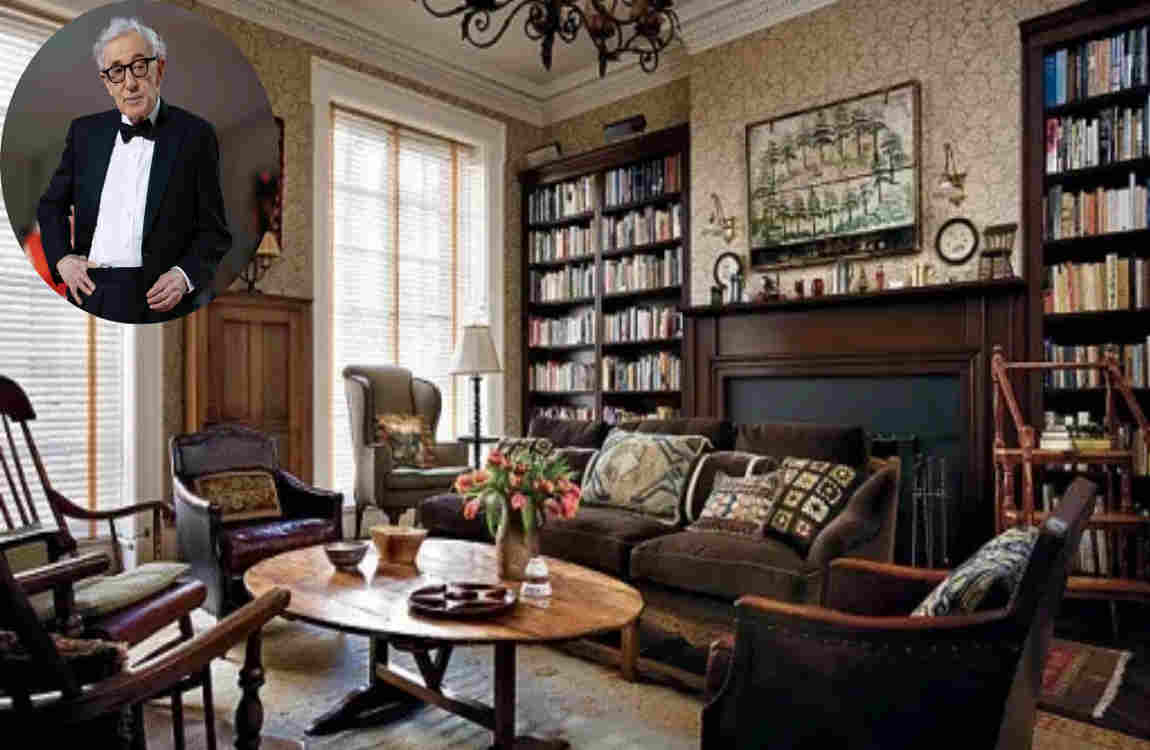
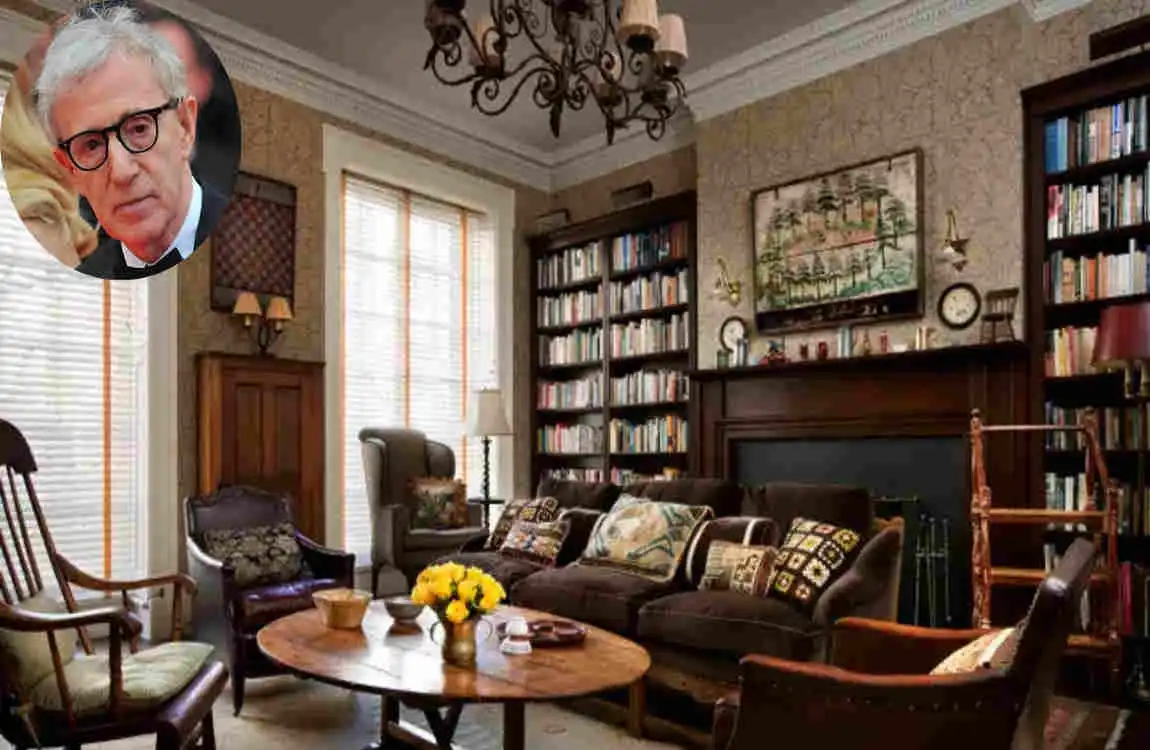
The living room is likely the most important gathering space in the home. In a residence like this, it would probably be designed for comfort, conversation, and style. You can imagine a room filled with soft seating, art, books, and natural light.
The atmosphere would be relaxed but thoughtful. It would not feel overly decorated. Instead, it would likely look like a place where someone reads, talks, and spends time in quiet.
Private Library and Study
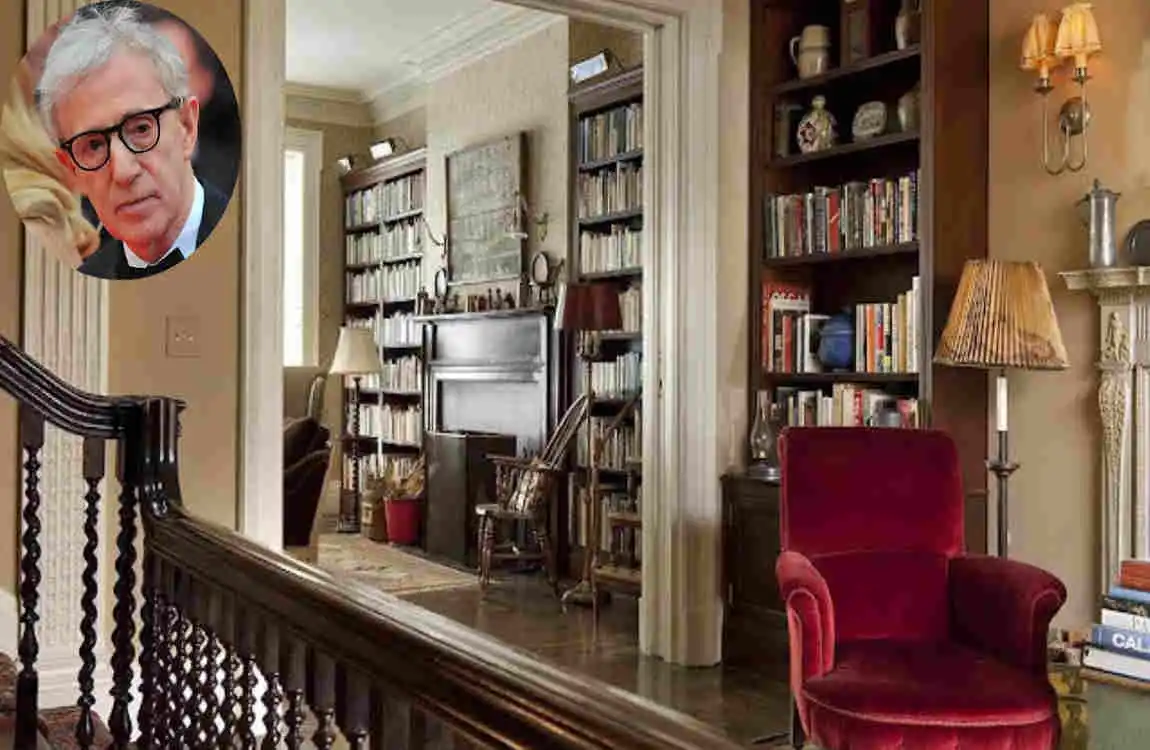
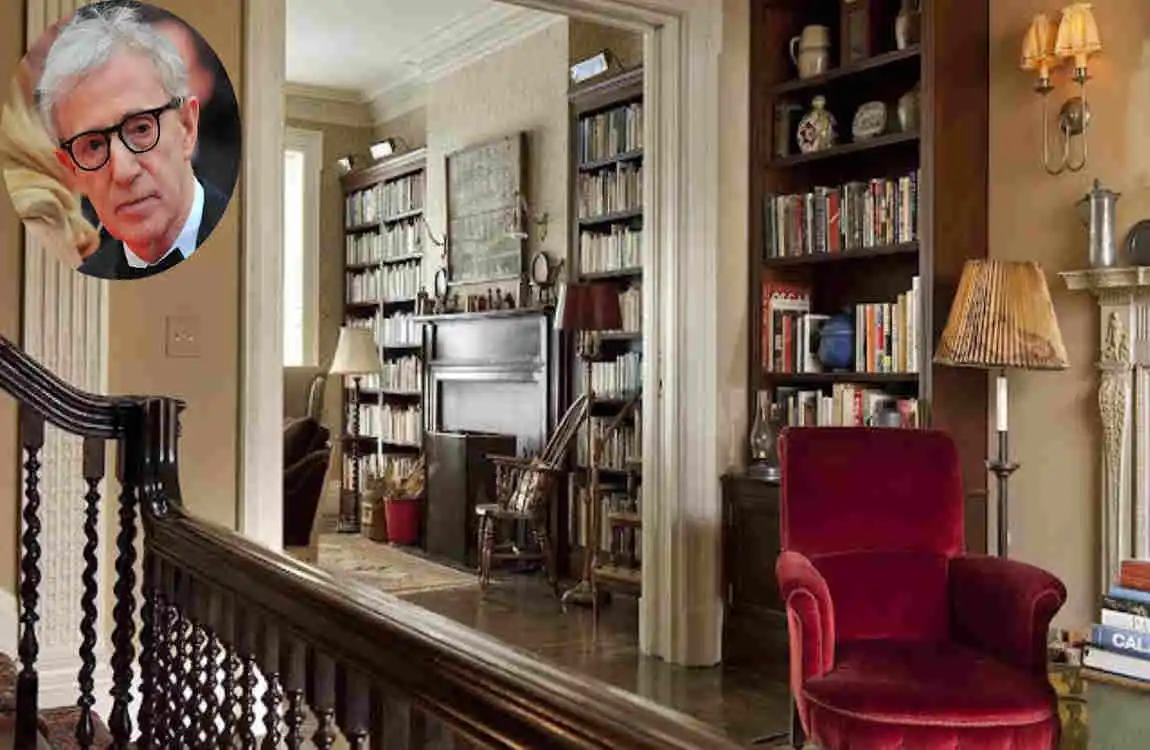
A private library or study would make perfect sense in the woody allen house new york. Woody Allen is known for being intellectual and creative. Hence, a room filled with books, scripts, and writing materials fits his public image well.
This space would likely serve as a personal workspace. It may include a desk, reading chairs, and shelves filled with books or film-related materials. For a writer and filmmaker, this room would be one of the most meaningful areas in the house.
Gourmet Kitchen
A luxury Manhattan home often includes a well-designed kitchen that is both beautiful and useful. Even if the kitchen is not the center of the home, it still plays a major role in daily life.
The kitchen would likely feature modern appliances, quality counters, and a layout that supports easy movement. The design would balance style and function, a common approach in high-end city homes.
Bedrooms and Suites
The bedrooms would be expected to focus on comfort and privacy. In a private residence like this, the main bedroom might include a large bed, soft lighting, and a calm color palette.
Guest rooms or additional suites would likely feel equally refined. The aim would be to create restful spaces that support quiet living in the middle of a busy city.
Entertainment Areas
A home associated with a filmmaker often includes spaces for entertaining guests, watching films, or hosting small gatherings. These spaces might be modest rather than dramatic, but they would still feel carefully arranged.
The entertainment areas would likely reflect a love of conversation, culture, and storytelling. That fits Woody Allen’s public image very well.
Estimated Value of Woody Allen’s New York Home
Current Real Estate Market Trends
Luxury property in Manhattan continues to command strong prices. The market stays active because demand for premium space in prime neighborhoods remains high. Homes linked to famous owners often gain added interest, even when the exact details stay private.
Factors Affecting Property Worth
Several things shape the value of a home like this:
- Location in Manhattan
- Size and layout
- Building quality
- Privacy and security
- Historical or celebrity association
- Interior finishes and amenities
These features can significantly increase value, especially in neighborhoods where luxury homes are scarce.
Estimated Price Range
The exact price of Woody Allen’s residence is private. However, comparable Manhattan luxury properties often reach several million dollars, and in some cases much more, depending on the building and location. The combination of prestige and privacy adds to the appeal.
How the Residence Reflects Woody Allen’s Personality
Intellectual Atmosphere
The home likely reflects a bookish, thoughtful, and artistic personality. A room full of books, quiet corners, and classic furnishings suggests someone who values ideas over flash.
That kind of atmosphere matches Woody Allen’s public image as a writer and observer of city life.
Classic New York Elegance
The design likely avoids trends that fade quickly. Instead, it favors timeless choices. That says a lot about the person living there. It suggests someone who prefers depth, familiarity, and old-school style.
Connection to His Creative Work
Woody Allen’s films often capture city moods, personal relationships, and intellectual humor. A home in New York supports that creative world. The residence feels like an extension of the stories he tells on screen.
Celebrity Homes Near Woody Allen’s Residence
Why Celebrities Prefer Manhattan
Celebrities often choose Manhattan because it offers privacy, convenience, and prestige. They can live near work, culture, and top-tier services without sacrificing comfort.
It is also a place where luxury living is normal. That makes it easier for public figures to blend in.
Other Notable Residents
Manhattan has long attracted actors, artists, authors, and business leaders. While every celebrity chooses a different building or block, the broader trend is clear: high-end city living remains deeply attractive.
Interesting Facts About Woody Allen’s House in New York
Lesser-Known Details
A few things make the home interesting even without public tours or detailed floor plans:
- It is tied to a major New York creative figure
- It reflects classic urban luxury
- It fits a private, low-profile lifestyle
- It connects strongly to his artistic identity
Media Coverage and Public Interest
The woody allen house new york draws attention because people are naturally curious about celebrity homes. They want to know how famous people live, what kind of spaces inspire them, and how their homes reflect their work.
What Makes This New York Residence Iconic?
Prime Location
Its Manhattan setting gives it lasting appeal.
Elegant Design
The luxury home’s likely style is refined, private, and timeless.
Connection to a Famous Filmmaker
The house is linked to a name that is deeply tied to New York culture.
Enduring Cultural Appeal
It remains interesting because it sits at the meeting point of film, architecture, and city life.
FAQs
Where is Woody Allen’s house in New York?
Woody Allen’s residence is generally associated with an upscale Manhattan neighborhood known for luxury and privacy.
How much is Woody Allen’s New York house worth?
The exact value is private, but comparable luxury homes in Manhattan often sell for several million dollars.
What style is Woody Allen’s home?
It is known for classic New York elegance, timeless interiors, and a refined look.
Does Woody Allen still live in New York?
Woody Allen has long remained closely connected to New York City, especially Manhattan.
Why is Woody Allen’s house famous?
It is famous for its prime location, luxurious appeal, and connection to the filmmaker.
Can the public visit Woody Allen’s house?
No, it is a private residence and not open for public tours.
| Category | Details |
|---|---|
| Owner | Woody Allen |
| Location | Upper East Side, Manhattan, New York City |
| Exact Address | Not publicly disclosed for privacy and security reasons. Public reports identify the property only as being on East 70th Street in Manhattan. |
| Property Type | Historic Manhattan townhouse |
| Estimated Value | Approximately $20–25 million+ based on reported purchase price and Manhattan luxury market estimates. |
| Purchase Price | Reportedly purchased for $22.625 million in 2006. |
| Size | Approximately 17 rooms across multiple floors. |
| Stories | Five-story townhouse. |
| Architectural Style | Traditional Upper East Side townhouse blending American and English country-house influences. |
| Interior Design | Designed by interior designer Stephen Shadley with classic furnishings, antiques, warm fabrics, and traditional detailing. |
| Notable Features | Library, formal living areas, updated chef’s kitchen, antique décor, original architectural details, family living spaces. |
| Previous Residence | Allen previously owned a 22-room Georgian-style Carnegie Hill townhouse on East 92nd Street before selling it in 2004. |
| Neighborhood | Prestigious Upper East Side area near Central Park, museums, and historic Carnegie Hill landmarks. |
| Historical Significance | The residence reflects Allen’s long association with New York City and his preference for classic Manhattan architecture over modern luxury developments. |
| Feature | Information |
|---|---|
| Home Style | Historic luxury townhouse |
| Design Theme | English country elegance with traditional New York sophistication |
| Construction Era | Early 20th-century architecture (approximately 100+ years old) |
| Famous For | Being the longtime family residence of filmmaker Woody Allen and featured by Architectural Digest. |
Where Does Woody Allen Currently Live?
Woody Allen currently lives in New York City. His primary residence is a luxurious townhouse in Manhattan’s Upper East Side.
Woody Allen House Photos