Futuristic modern homes blend style, comfort, and smart living into a single, clean design. They look sleek, feel open, and use technology to make daily life easier. More homeowners want this style because it feels fresh, practical, and ready for the future.
A futuristic home is not only about looking advanced. It is also about smart planning, energy savings, and simple living. The best designs mix modern architecture with useful technology and eco-friendly materials. That means your home can look beautiful while also working better for your lifestyle.
What Are Futuristic Modern Homes?
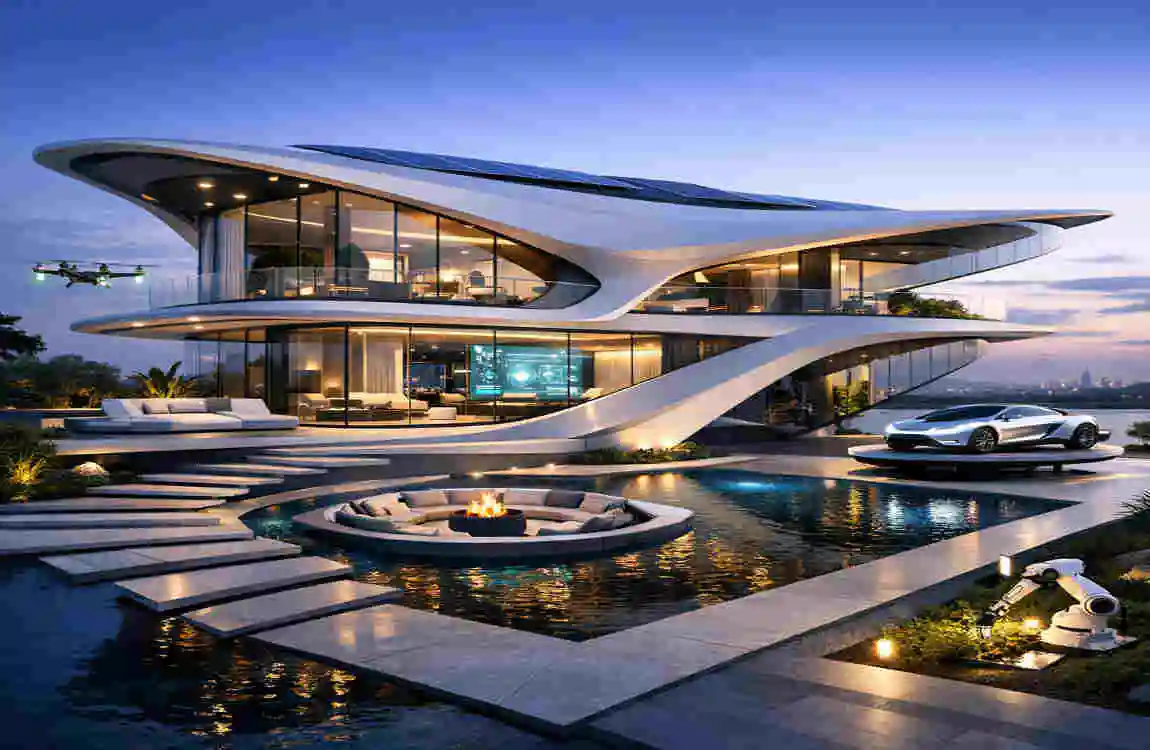
Defining Futuristic Architecture
Futuristic architecture uses clean lines, bold shapes, and simple layouts. It often avoids heavy decoration and focuses on form and function. The goal is to make the house look modern, open, and efficient.
These homes may include curved walls, sharp angles, large glass areas, and floating design elements. The design feels unique but remains practical for everyday living.
Core Features of Modern Futuristic Homes
The most common features include:
- Open spaces
- Smart automation
- Energy efficiency
- Sustainable materials
These features work together to create a home that is easy to live in and simple to maintain. You get comfort without clutter, and style without wasting space.
Why Homeowners Prefer Future-Ready Designs
People like futuristic modern homes because they often offer greater comfort, lower energy bills, and greater value over time. They also allow more control through smart devices and better use of natural light.
Start with a Smart Architectural Layout
Open Floor Concepts
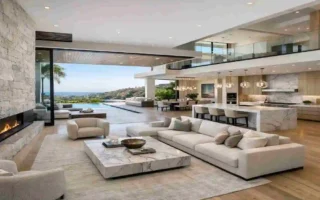
An open layout makes the home feel larger and brighter. It also helps rooms flow into each other without hard boundaries. This works well in modern homes because it keeps the space flexible and easy to use.
Geometric and Unique Exterior Shapes
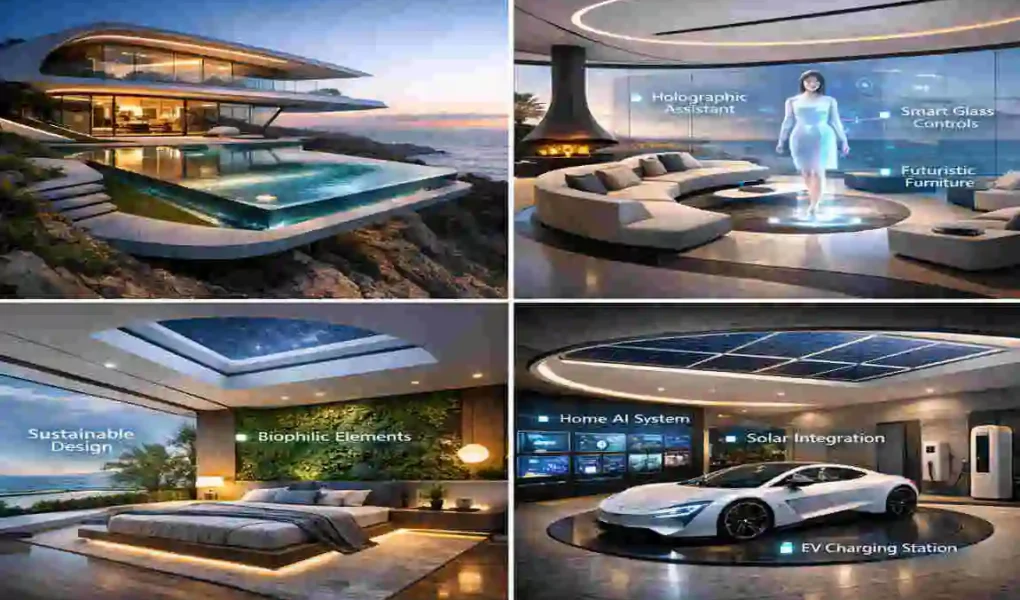
Futuristic homes often feature bold shapes, such as angular roofs, curved walls, and wide glass fronts. These details give the house a strong visual identity. They also help the home stand out without looking crowded.
Multi-Functional Living Spaces
A smart home should support more than one purpose in each area. For example, a guest room can also work as a home office. Hidden storage and foldable furniture can make the space more useful without adding clutter.
Indoor-Outdoor Integration
Modern futuristic homes often connect the inside and outside with sliding walls, large doors, rooftop gardens, or outdoor lounges. This creates a more natural and relaxing living experience.
Use Sustainable and Innovative Building Materials
Eco-Friendly Materials
A future-ready home should be built with strong, environmentally friendly materials. Good choices include bamboo, recycled steel, and engineered wood. These materials can look stylish while also reducing waste.
Smart Glass Technology
Smart glass is a popular feature in futuristic modern homes. It can change from clear to private with a simple switch. It also helps control heat and sunlight, which supports comfort and energy savings.
Concrete and Steel Trends
Concrete and steel give homes a strong industrial look. They are durable, long-lasting, and well-suited to futuristic design. When used well, they create a bold and modern feel.
Energy-Efficient Insulation
Good insulation keeps the house warm in winter and cool in summer. This lowers energy use and makes the home more comfortable. Solar-friendly roofing materials can also support long-term savings.
Integrate Smart Home Technology
Home Automation Systems
Smart homes feel futuristic because they respond to your needs. You can use smart lighting, motion sensors, and voice assistants to make daily tasks easier. This creates a smoother and more comfortable lifestyle.
AI-Powered security Features
Security is a big part of modern living. Smart locks, facial recognition, and surveillance systems can help protect the home while giving you peace of mind. These tools are especially useful in futuristic modern homes.
Climate Control Systems
Smart thermostats and automated temperature control help keep the house comfortable all day. They adjust heating and cooling based on use, reducing waste and improving energy efficiency.
Entertainment and Connectivity
A modern, future-ready home should support wireless sound systems, smart TVs, and connected devices. This makes entertainment easy and keeps your home organized without visible clutter.
Focus on Futuristic Exterior Design
Minimalist Exterior Finishes
A futuristic exterior usually uses neutral colors, matte textures, and clean lines. The idea is to keep the design simple but powerful.
Large Glass Windows and Skylights
Big windows and skylights bring in natural light, making the home feel open. They also reduce the need for artificial lighting during the day.
Solar Integration
Solar panels and energy storage systems are common in futuristic homes. They support clean energy use and help lower electricity costs.
Landscaping for Modern Appeal
A modern home looks even better with simple landscaping. Vertical gardens, clean pathways, and small water features can give the outside a polished look.
Design a Modern Futuristic Interior
Minimalist Furniture
Furniture should be clean, useful, and not overly heavy. Simple shapes help the room feel open and calm. Choose pieces that serve a clear purpose.
Hidden Technology
Built-in charging stations, hidden speakers, and concealed wires keep the home neat. This lets technology support the space without detracting from the design.
Neutral Color Schemes
The best interior colors for futuristic modern homes are white, grey, black, and metallic shades. These tones create a clean base and let lighting or furniture stand out.
Smart Lighting Concepts
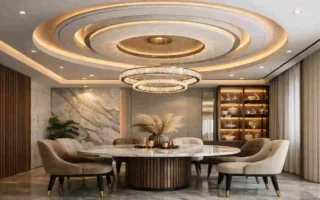
Lighting plays a big role in a home’s mood. LED strips, sensor lights, and soft ambient lighting can make rooms feel more advanced and welcoming.
Energy Efficiency and Sustainability Matter
A futuristic home should do more than look modern. It should also save energy and support long-term living. Solar energy, water-saving systems, and passive design can all make a big difference.
Eco-friendly appliances also help. Choose products that use less power and water. Over time, these choices can lower costs and reduce waste.
Best Color Schemes for Futuristic Modern Homes
The best colors are often simple and clean. White, grey, charcoal, silver, chrome, and matte black all work well in futuristic spaces. These shades create a modern feel without making the home look busy.
You can also use small accent colors. Soft blue LED lights, warm white lighting, or purple ambient lights can add a stylish, futuristic touch.
Common Mistakes to Avoid
Do not overload the house with technology. A smart home should still feel easy to live in. Too many devices can make the space confusing.
Also, do not forget comfort. A beautiful home still needs good seating, natural light, and a layout that works in daily life. Finally, always think about sustainability so the home stays practical for years to come.
Cost of Designing Futuristic Modern Homes
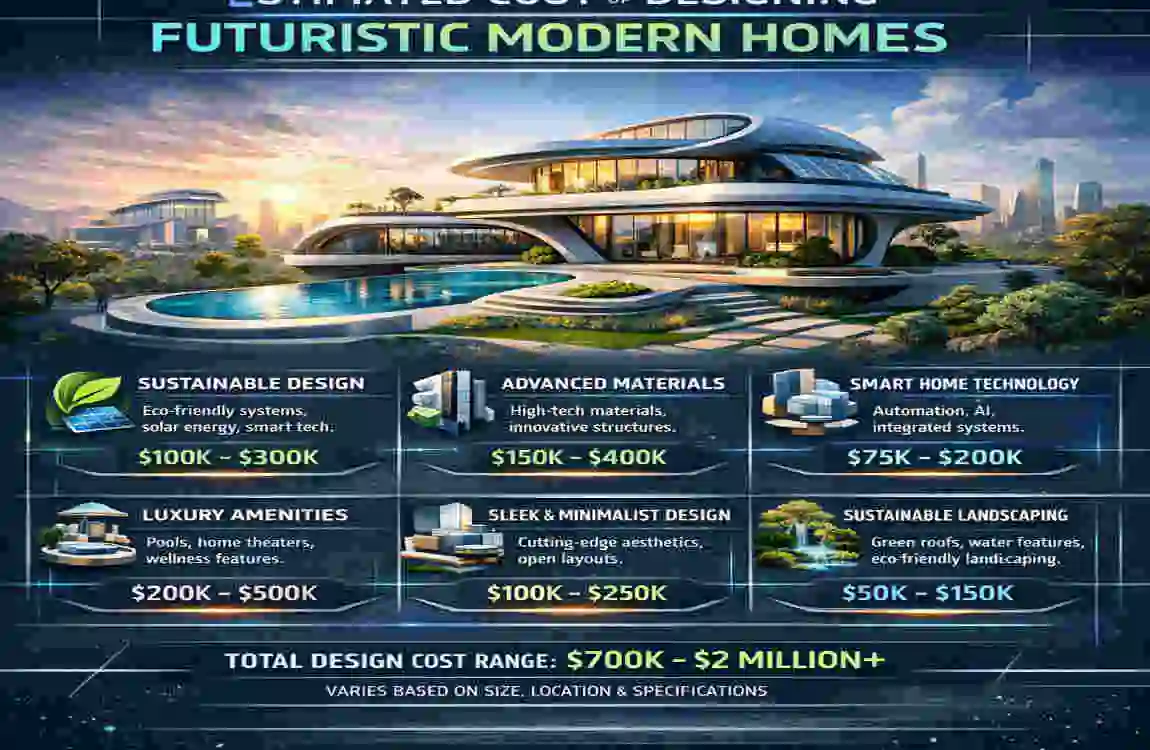
The cost depends on the home’s size, the materials used, and the level of smart technology. Custom architecture and advanced features usually cost more upfront.
Simple Cost Guide
- Architectural design: Higher for custom layouts
- Smart tech: Varies by automation level
- Sustainable materials: Often cost more upfront
- Budget-friendly start: Upgrade lighting, locks, and furniture first
A smart way to begin is to make small improvements over time. This keeps the project affordable while still moving toward a futuristic look.
Future Trends in Futuristic Modern Homes
Future homes will likely become even smarter and more efficient. AI-controlled systems may learn your habits and automatically adjust the house. Net-zero energy homes will also become more common as people look for cleaner living.
3D printed housing and modular smart homes may also shape the future. These ideas can make building faster, more flexible, and more affordable.
FAQ
What makes a home futuristic and modern?
A futuristic modern home uses smart technology, clean design, open spaces, and sustainable features.
Are futuristic modern homes expensive?
They can be, but the cost depends on the materials and technology you choose. You can start small and upgrade over time.
Can small houses be designed as futuristic modern homes?
Yes. Small homes can still look futuristic with smart layouts, space-saving furniture, and simple technology.
What colors work best for futuristic modern homes?
Neutral colors like white, grey, black, and silver work best. You can add soft lighting for a more stylish look.
Are futuristic homes eco-friendly?
Many are. They often use energy-saving systems, smart insulation, and sustainable materials.
| Design Element | How to Implement |
|---|---|
| Color Palette | Start with a neutral base (white, black, gray, beige) and add vibrant pops like neon green, bright purple, metallic silver, or medium blue |
| Materials | Mix human-made and natural materials: carbon fiber, acrylic, glass, chrome, engineered woods, leather, and marble |
| Furniture | Choose large statement pieces with oblong/abstract shapes, low-profile designs, and integrated LED lighting |
| Lighting | Use abstract/geometric fixtures: linear pendants, mushroom-shaped lamps, and mid-century sputnik-style chandeliers |
| Walls & Floors | Install curved or angular walls, glossy floors, and geometric wall panels; keep décor minimal and uncluttered |
| Technology | Integrate smart automation, built-in LED lighting in furniture, and interactive features like touch-screen coffee tables |
| Accents | Add silver tones, mirrored surfaces, abstract sculptures, 3D-effect rugs, and retro-futuristic wall decor |