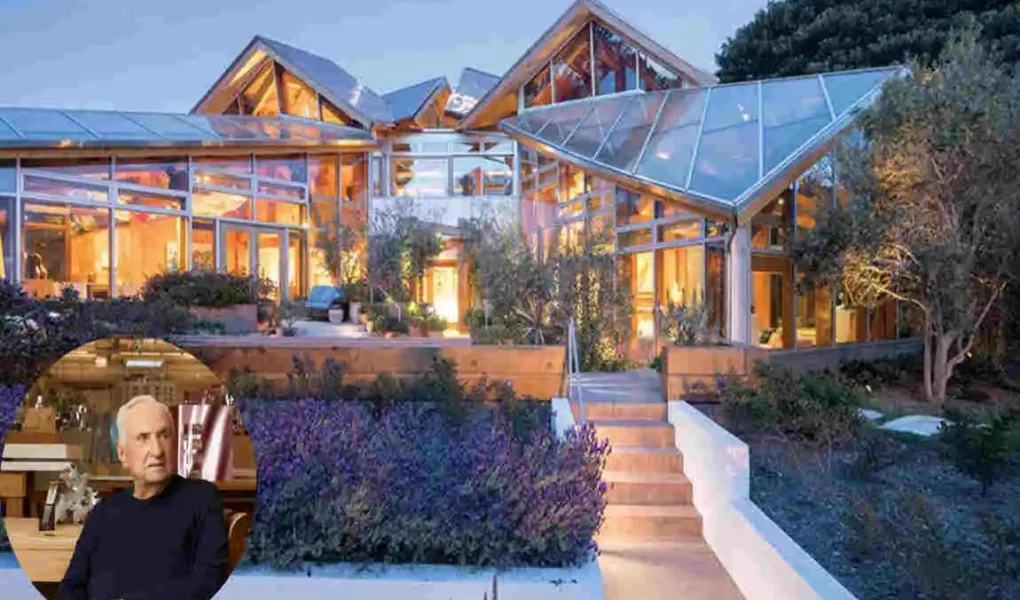
When you think about revolutionary architecture that challenges every convention, one name stands out: Frank Gehry. This visionary architect didn’t just design buildings; he sculpted emotions, bent reality, and transformed our understanding of what structures could be. But perhaps nowhere is his creative genius more intimately revealed than in his own home—the Frank Gehry House.
| Information | Details |
|---|---|
| Full Name | Frank Owen Gehry |
| Date of Birth | February 28, 1929 |
| Nationality | Canadian-American |
| Profession | Architect |
| Net Worth | $100 million |
| Current Residence | Santa Monica, California, United States |
| Notable Facts | Naturalized U.S. citizen; avid ice hockey fan; owns the Gehry Residence, a distinctive home in Santa Monica; also owns a newer sustainable home in Santa Monica |
Imagine walking through a neighborhood in Santa Monica and suddenly encountering a house that looks like it’s been deconstructed and reassembled by an artist’s wild imagination. That’s precisely what you’ll find at Gehry’s personal residence. This isn’t just another architectural marvel; it’s a deeply personal statement that revolutionized modern design.
Who is Frank Gehry? An Overview of the Architect’s Legacy
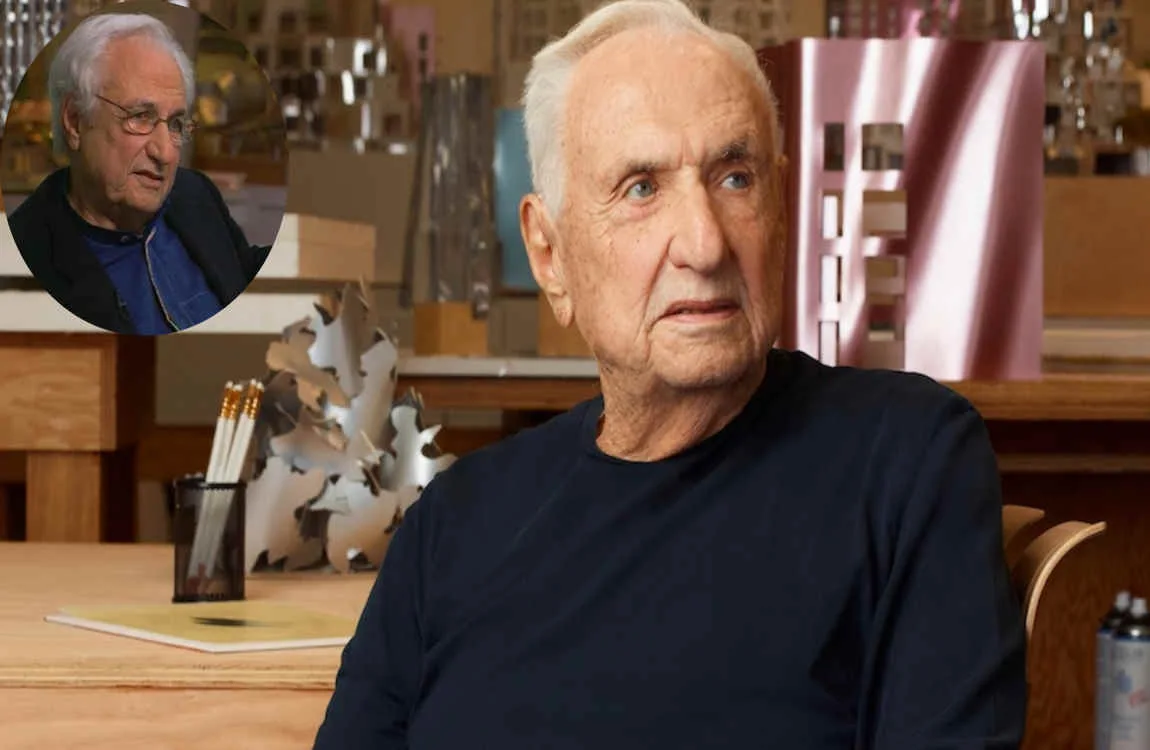
Born Frank Owen Goldberg in 1929 in Toronto, Canada, Frank Gehry grew up surrounded by his grandmother’s hardware store materials. This early influence would later manifest in his unconventional architectural choices. Can you imagine a young boy playing with corrugated metal and chain-link fencing, not knowing these humble materials would one day define architectural history?
Gehry’s journey to becoming architecture’s most celebrated rebel wasn’t straightforward. After moving to Los Angeles in 1947, he studied at USC and Harvard’s Graduate School of house Design. But here’s what makes Gehry special: he never let formal education constrain his imagination.
His career milestones read like a greatest hits album of architectural innovation:
- The Guggenheim Museum Bilbao (1997)
- Walt Disney Concert Hall in Los Angeles (2003)
- The Dancing House in Prague (1996)
What sets Gehry apart? He treats buildings like sculptures. While other architects focused on straight lines and rigid forms, Gehry asked, “Why can’t buildings dance?” His signature Style—often called deconstructivism—breaks apart traditional forms and reassembles them in ways that seem to defy gravity and logic.
The Frank Gehry House holds a special place in this portfolio. It’s where Gehry first fully expressed his architectural philosophy without client constraints. This house became his laboratory, his canvas, and ultimately, his most personal architectural statement.
The Concept Behind the Frank Gehry House
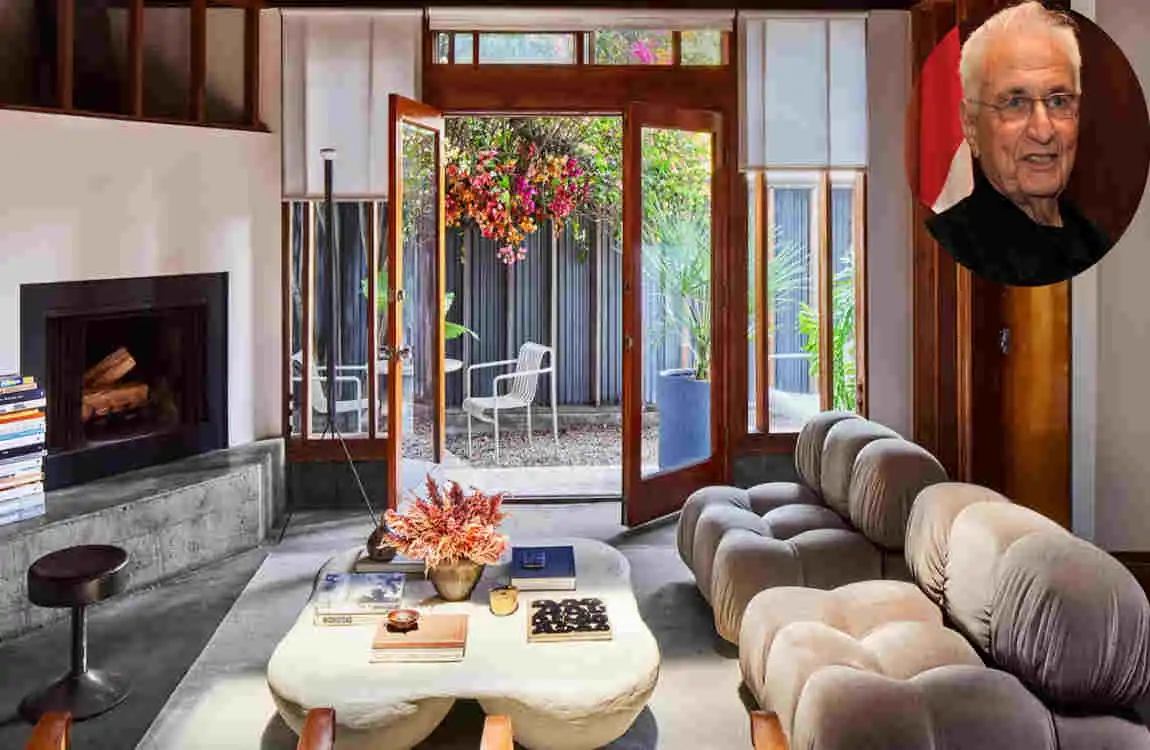
Picture this: It’s 1977, and Frank Gehry has just purchased a modest pink colonial bungalow in Santa Monica for his growing family. Most architects would have torn it down or given it a conventional renovation. But Gehry? He saw an opportunity for radical transformation.
| Aspect | Details |
|---|---|
| Name | Gehry Residence |
| Architect | Frank Gehry |
| Location / Address | Santa Monica, California, USA; Coordinates: 34°2′6.62″N 118°29′5.13″W (approximate location) |
| Original Structure | Originally a pink Dutch colonial style bungalow built around 1920 |
| Year Purchased | 1977 |
| Architectural Design | An experimental extension around the original house using unconventional materials like chain-link fence, corrugated steel, plywood, glass cubes |
| Style | Often considered an early example of deconstructivist architecture (though Gehry denies this) |
| Renovations | First major renovation in 1977-1978; second renovation around 1991-1992 adding guest rooms, a pool, and other modifications |
| Design Features | Old house left visible with new exterior layers added; tilted glass cubes; exposed wooden framing; industrial materials used; asymmetrical and dynamic forms |
| Significance | Gehry’s first project to attract wide attention; served as his architectural laboratory |
| Neighborhood Reaction | Mixed, with several neighbors unhappy and even legal complaints initially |
| Current Ownership | As of 2016, still owned by Gehry and intended to stay in the family |
| Estimated Worth | Specific current market value not publicly detailed, but considered architecturally significant and valuable |
| Historical Note | Considered Gehry’s personal residence and early bold expression of his architectural philosophy |
The location wasn’t random. Santa Monica represented the perfect blend of artistic freedom and suburban normalcy—a canvas where Gehry could challenge architectural conventions while still creating a family home. The neighborhood’s eclectic character welcomed experimentation, making it ideal for what would become one of architecture’s most famous residential experiments.
Gehry’s initial vision was both revolutionary and straightforward: wrap the existing house in a new skin. But this wasn’t about hiding the old structure. Instead, he wanted to create a dialogue between past and present, conventional and radical, finished and unfinished.
“I was trying to make it look like it was still in process,” Gehry once explained. This philosophy of perpetual becoming defines the Frank Gehry House. Rather than presenting a finished product, the house suggests ongoing transformation—architecture as a living, breathing entity.
The design intent went beyond aesthetics. Gehry wanted to challenge our preconceptions about what makes a house beautiful, comfortable, or even complete. By exposing structural elements typically hidden, using industrial materials in domestic settings, and creating spaces that blur inside and outside, he transformed his home into a three-dimensional question mark.
This experimental approach reflected Gehry’s broader architectural philosophy: buildings should provoke, inspire, and engage. The Frank Gehry House became his most personal expression of these ideals, a place where creativity and daily life intersected in unexpected ways.
Architectural Features of the Frank Gehry House
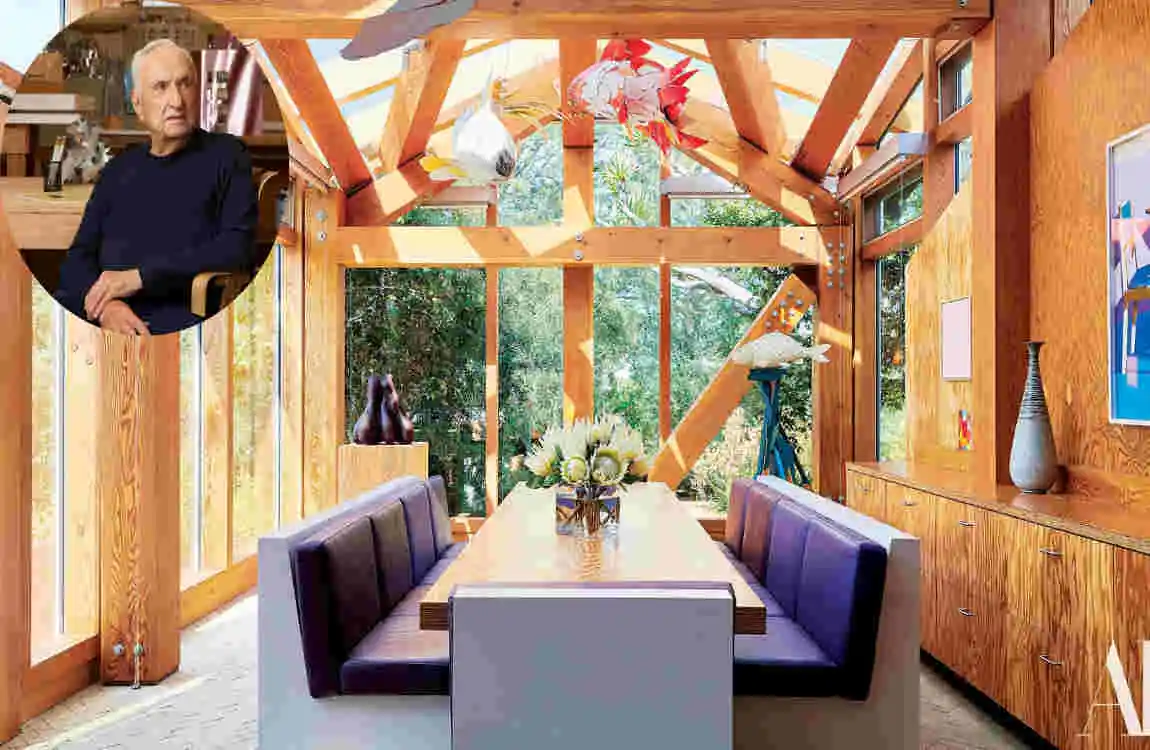
Step up to the Frank Gehry house, and your first reaction might be confusion. Is this a construction site? An art installation? A home? The answer is wonderfully complex: it’s all three and more.
The exterior immediately challenges expectations. Corrugated metal sheets wrap around portions of the original pink bungalow like a metallic embrace. Chain-link fencing—yes, the same material used in schoolyards—creates translucent walls that blur boundaries between private and public space. Exposed wooden studs stand naked against the sky, suggesting a building caught mid-construction.
But here’s where it gets fascinating: these aren’t random choices. Each material serves multiple purposes:
Material Traditional Use Gehry’s Application, Effect Created
Corrugated Metal Industrial roofing , Exterior cladding, Dynamic light play, industrial aesthetic
Chain-link Fence Security barriers Architectural screens Transparency, layering, texture
Plywood , Temporary construction , Permanent walls , Raw, honest expression
Glass Windows, Tilted skylights , Dramatic light angles, spatial confusion
The constructivist elements create visual tension. Walls tilt at unexpected angles. The kitchen skylight appears to tumble through the ceiling. Traditional rectangular windows compete with angular glass insertions that fracture light into prismatic patterns.
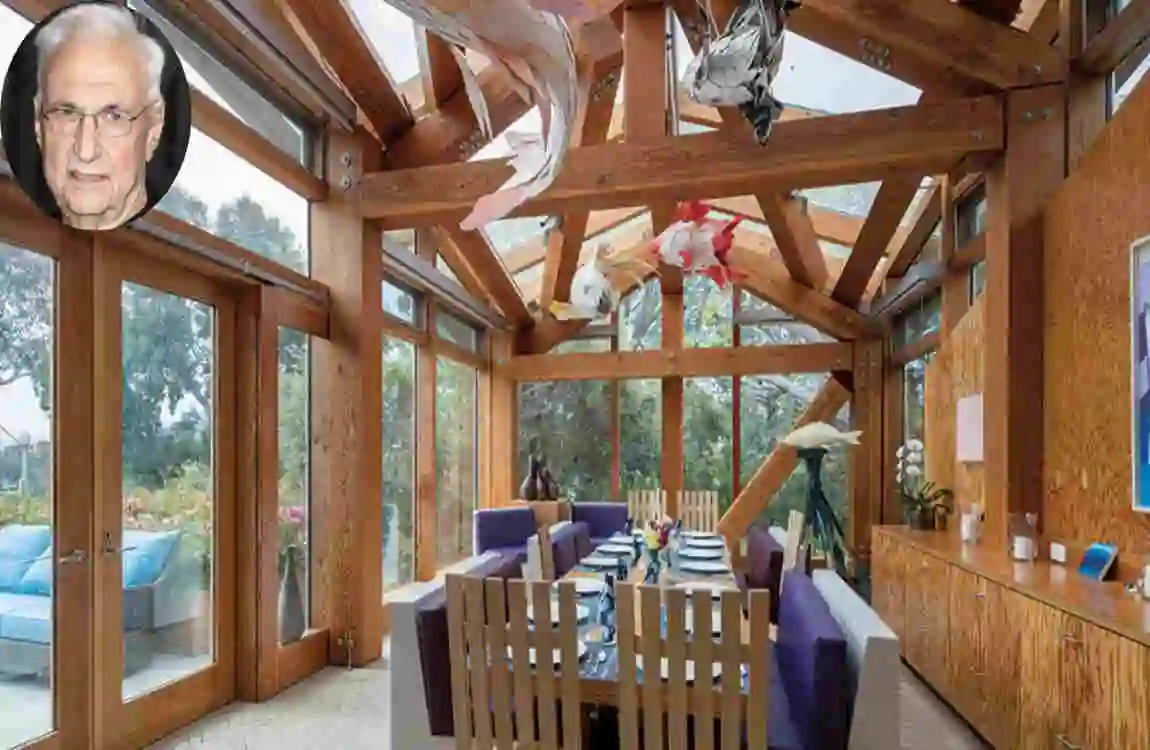
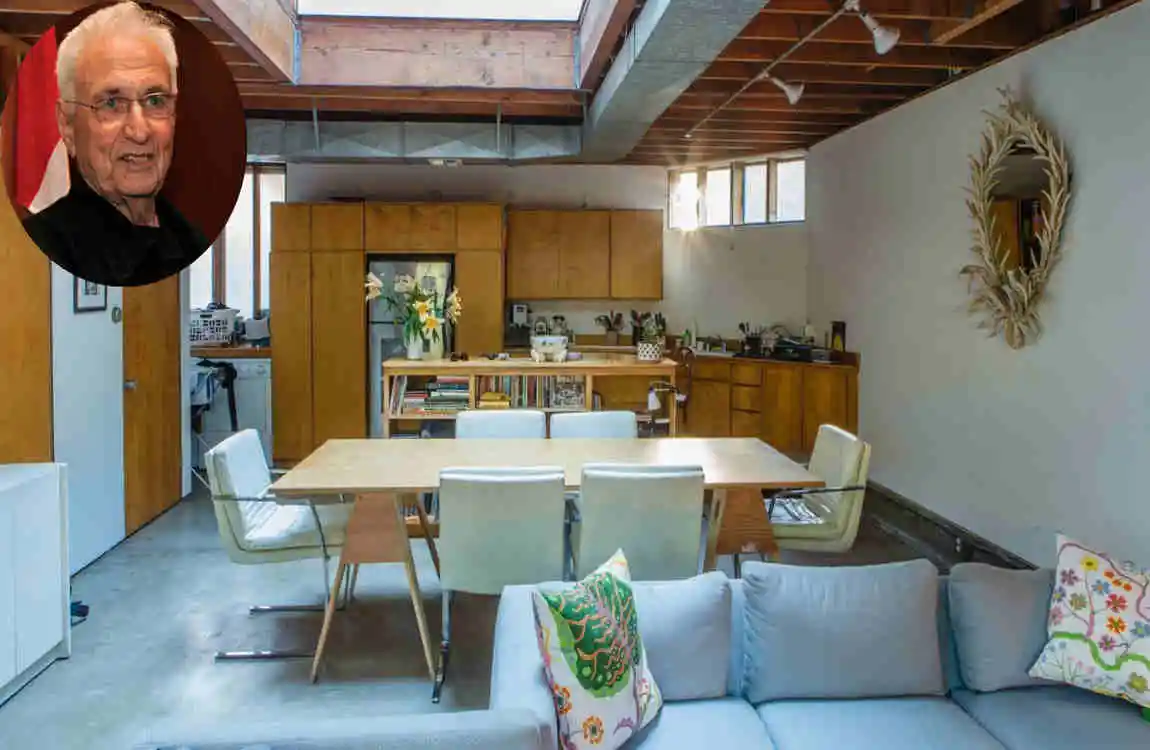
Inside, the spatial magic continues. The original house remains largely intact, but Gehry’s additions create dynamic spatial experiences. You might find yourself in the old dining room, looking through a glass wall into a new kitchen that seems to float in its corrugated metal shell. The boundaries between old and new are deliberately blurred, creating architectural conversations across time.
Natural light becomes a building material itself. Skylights positioned at unusual angles cast ever-changing shadows that animate the interior throughout the day. Morning light filters through chain-link fencing, creating delicate patterns on interior walls. Afternoon sun bounces off corrugated metal, filling spaces with warm, reflected glow.
The house breaks every rule of traditional residential architecture:
- Exposed structural elements celebrate rather than hide construction
- Industrial materials bring urban roughness to suburban comfort
- Fragmented forms reject classical symmetry and proportion
- Transparent and translucent barriers question privacy conventions
The Creative Process: How Frank Gehry Designed His Own Home
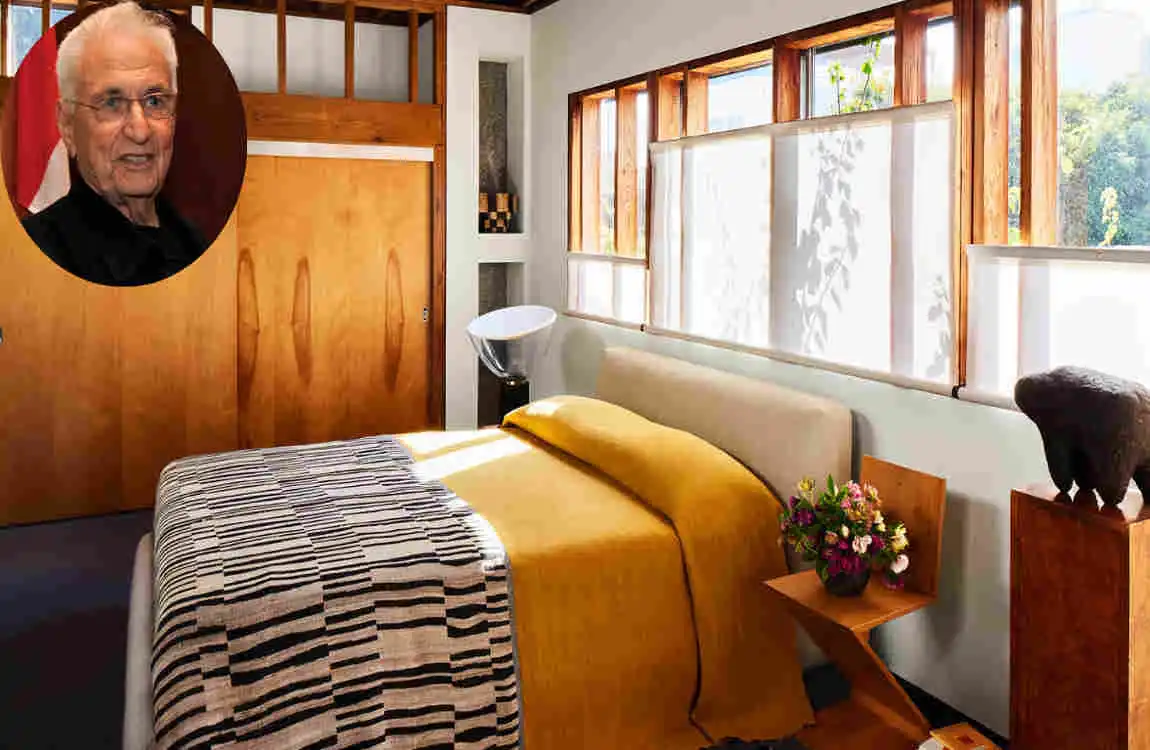
Creating the Frank Gehry House wasn’t a typical architectural project. Without client constraints, Gehry embarked on an intensely personal creative journey that would define his future methodology.
The process began with obsessive sketching. Gehry filled notebooks with fluid, gestural drawings—quick captures of spatial ideas that looked more like abstract art than architectural plans. These sketches revealed his thinking: not in terms of fixed forms but as dynamic movements and intersecting energies.
“I’d draw and draw, trying to find the feeling,” Gehry recalled. Each sketch pushed boundaries further, exploring how far he could deconstruct the traditional luxury home while maintaining livability.
Next came the models. Gehry’s studio became a workshop where countless iterations took shape in cardboard, wood, and metal. He’d build, tear apart, and rebuild, treating architecture like sculpture. Staff members remember him crumpling paper and saying, “This is what I want it to feel like.”
The challenges were significant:
- Building codes weren’t written for chain-link walls
- Contractors struggled to understand drawings that defied conventional construction logic
- Neighbors worried about property values
- Budget constraints demanded creative material solutions
But each challenge sparked innovation. When traditional skylights proved too expensive, Gehry tilted standard windows at angles, creating dramatic light effects at a fraction of the cost. When contractors couldn’t visualize his ideas, he built detailed models they could follow, similar to three-dimensional blueprints.
The construction phase blurred the line between architecture and performance art. Gehry often made decisions on-site, responding to how materials behaved in real conditions. A wall might shift angles because morning light revealed new possibilities. A window might appear where an interesting view emerges during framing.
This hands-on approach established Gehry’s signature methodology: architecture as improvisation within structure. The Frank Gehry House became his testing ground for techniques later refined in world-famous projects. Here, he learned to trust instinct, embrace accident, and find beauty in the unfinished.
Why the Frank Gehry House is a Game-Changer in Modern Architecture
The Frank Gehry House didn’t just challenge architectural norms—it shattered them completely. When architecture critics first encountered this radical reimagining of suburban living, reactions ranged from outrage to awe. But love it or hate it, everyone agreed: architecture would never be the same.
Before Gehry’s house, residential architecture followed predictable patterns. Modernism preached simplicity, traditional styles emphasized symmetry, and even radical designers worked within established material vocabularies. Gehry’s house said “no” to all of this. Instead, it proposed architecture as an ongoing dialogue—between materials, between old and new, between inside and outside.
The influence rippled outward immediately. Young architects began questioning everything:
- Why hide construction materials?
- Who decides what’s beautiful?
- Can homes be art?
- Must architecture be “finished”?
Architecture schools started teaching the Frank Gehry House as a pivotal case study. Students analyzed how industrial materials could create warmth, how deconstruction could enhance rather than diminish livability, and how personal expression could drive architectural innovation.
Critics initially divided into camps. Progressive reviewers celebrated Gehry’s courage to live his principles. Conservative voices worried about architecture becoming too personal, too chaotic. But as years passed, even skeptics recognized the house’s profound impact on architectural thinking.
The house became a launching pad for Gehry’s most celebrated works. The material experiments in Santa Monica directly influenced the titanium curves of Bilbao’s Guggenheim. The spatial complexities explored in his kitchen informed the flowing interiors of Disney Concert Hall. Every major Gehry project carries DNA from this residential laboratory.
Perhaps most importantly, the Frank Gehry House democratized architectural innovation. By using affordable, everyday materials in extraordinary ways, Gehry showed that architectural excellence didn’t require massive budgets—just enormous imagination.
Visiting or Experiencing the Frank Gehry House Today
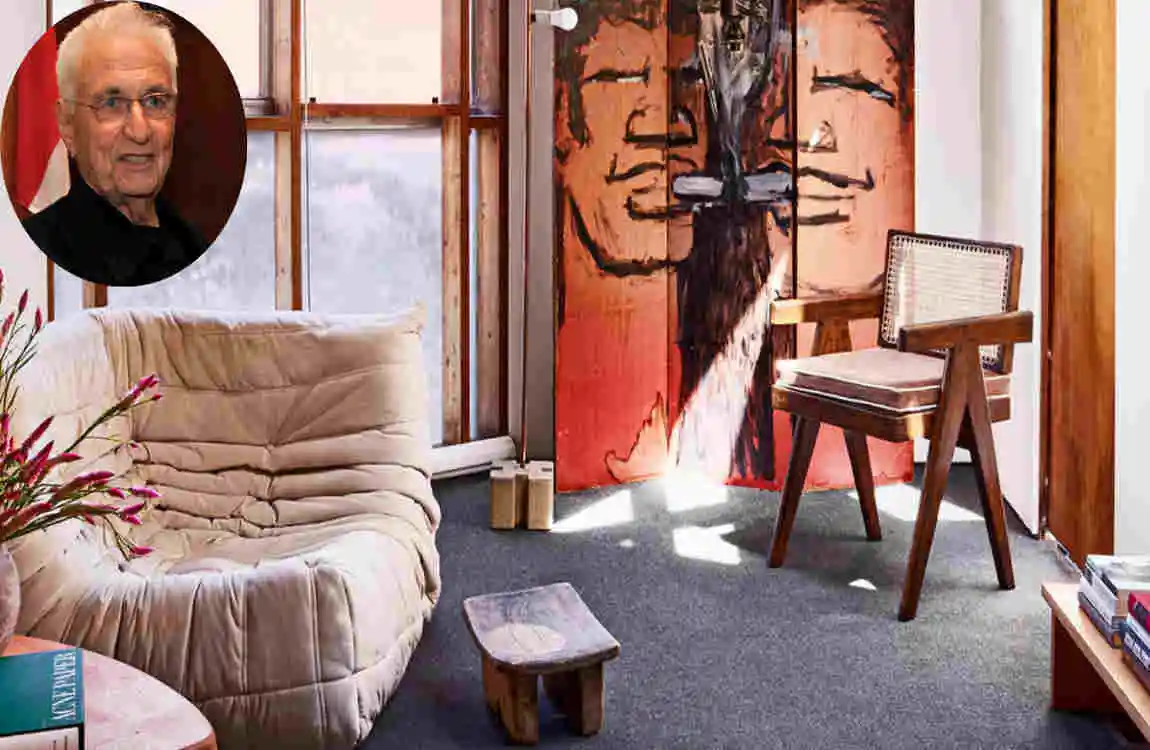
For architecture enthusiasts, the Frank Gehry House represents a pilgrimage site. However, as a private residence still occupied by the Gehry family, public access remains limited. But don’t let that discourage you—there are still ways to experience this architectural icon.
The house stands in a quiet Santa Monica neighborhood, and while you can’t tour the interior, viewing it from the street offers valuable insights. The best times for photography are early morning when soft light plays across the corrugated metal surfaces, or late afternoon when the chain-link fencing creates intricate shadow patterns.
Virtual experiences have made the house more accessible than ever:
- Documentary films feature extensive interior footage
- Architecture websites offer 360-degree virtual tours
- Academic databases contain detailed architectural drawings
- Photography books showcase the house from every angle
For those visiting Los Angeles, consider this Gehry-focused itinerary:
- Start at the Frank Gehry House (exterior viewing)
- Visit the Walt Disney Concert Hall downtown
- Explore the Binoculars Building in Venice
- Stop by the Loyola Law School campus
- End at the Museum of Contemporary Art
Architecture students can access the house through academic programs. Several universities arrange special visits for architecture classes, offering rare glimpses inside this revolutionary home. Contact architecture departments at USC, UCLA, or SCI-Arc for potential opportunities.
The house’s influence extends beyond physical visits. Architecture firms worldwide study Gehry’s residential experiment as they push their own boundaries. Design students analyze the material innovations. Even homeowners find inspiration in its fearless creativity.
Frank Gehry’s House: FAQ
What is Frank Gehry’s most famous house?
Frank Gehry is best known for his Santa Monica home, widely referred to as the Gehry Residence. He and his wife bought the original 1920 pink bungalow in 1977 and transformed it into an experimental architectural landmark .
What makes the Gehry Residence unique?
Gehry “wrapped the house” with new materials—corrugated metal, plywood, glass, and chain‑link fencing—while leaving the old bungalow visible inside the new exterior. This created a sculptural, deconstructed look that became iconic in architecture .
When was the house remodeled?
The initial transformation took place in 1978, and Gehry renovated and updated the home again in the early 1990s, further refining the design that helped build his international reputation .
What are some notable interior features?
Inside, the home includes:
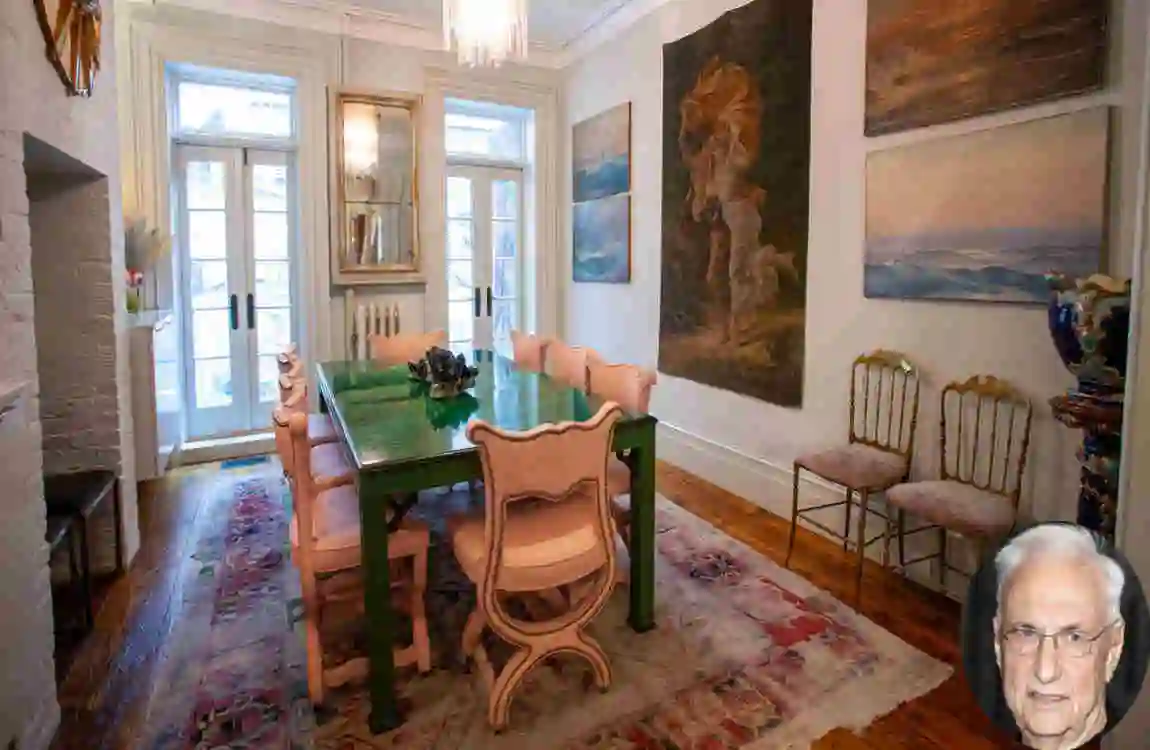
- Gehry’s famous fish lamps displayed in the dining room
- Numerous artworks gifted by artist friends and his son Alejo
- A 60‑foot lap pool separating two sections of the home
- A guest suite, gym, and a concert room requested by Gehry and his wife Berta
Did Gehry build another personal home?
Yes. More recently, Gehry unveiled a new residence designed for aging in place, complete with an elevator and space for live‑in help—highlighting practicality alongside creativity .
Can the public visit Frank Gehry’s house?
No. The Santa Monica residence is a private home, although it is well‑known and easily recognizable from the street due to its striking exterior.
Where Does Frank Gehry Currently Live?
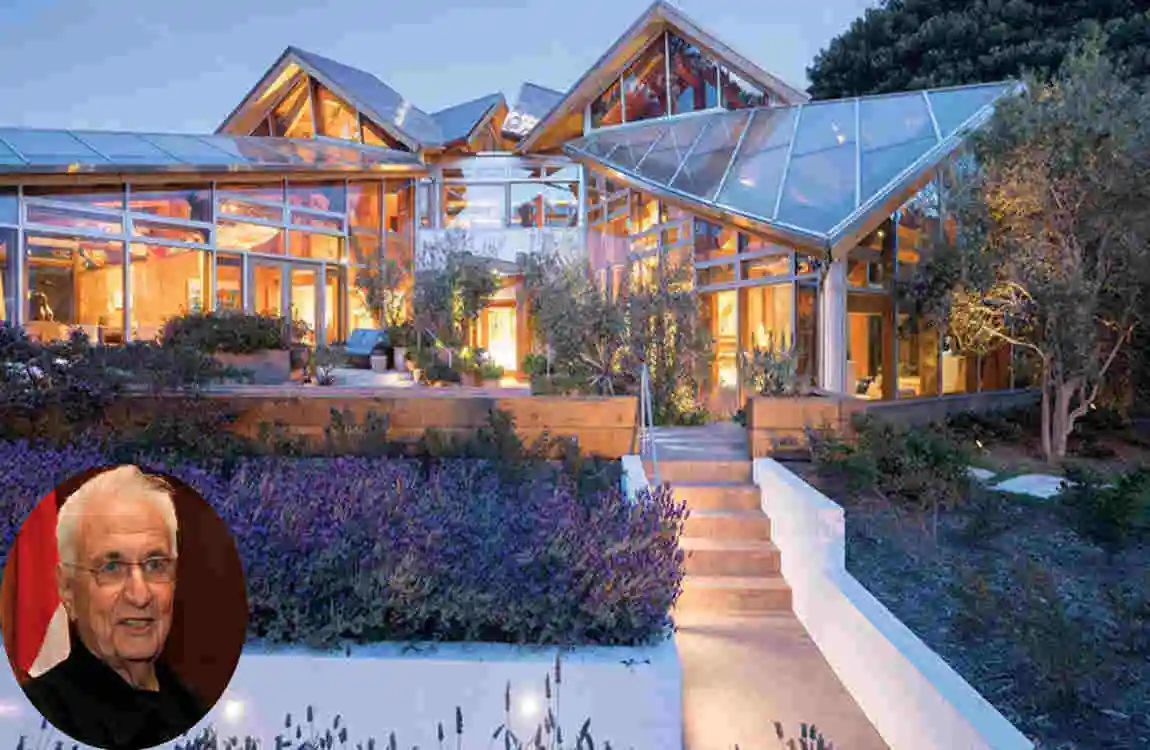
Frank Gehry currently lives in Santa Monica, California. He and his wife, Berta, originally bought a pink bungalow there in 1977, which Gehry famously transformed into the Gehry Residence using unconventional materials. In recent years, Gehry completed and moved into a new private home also in Santa Monica, designed with a focus on sustainability and natural ventilation, aiming to be the first zero-energy house in the city. This new residence is on a 0.8-acre property Gehry acquired around 2009 and was designed in collaboration with his son, Sam Gehry. Gehry plans to keep the original Santa Monica house in the family while residing in the newer home.
Frank Gehry’s House Photos