

When you’re working on a painting project, buying the right paint is crucial. But what happens if you buy the wrong color or the paint doesn’t meet your expectations? Knowing Home Depot’s paint return policies can save you time, money, and a lot of frustration.
Interestingly, while we talk about paint returns, there’s also another area where consumers often ask about privacy and protection – home inspection reports. These reports are essential documents in real estate, and many wonder, “Are home inspection reports confidential?” We’ll explore this question later in the article, drawing some parallels between protecting consumer information in retail and real estate.
Understanding Home Depot Paint Returns
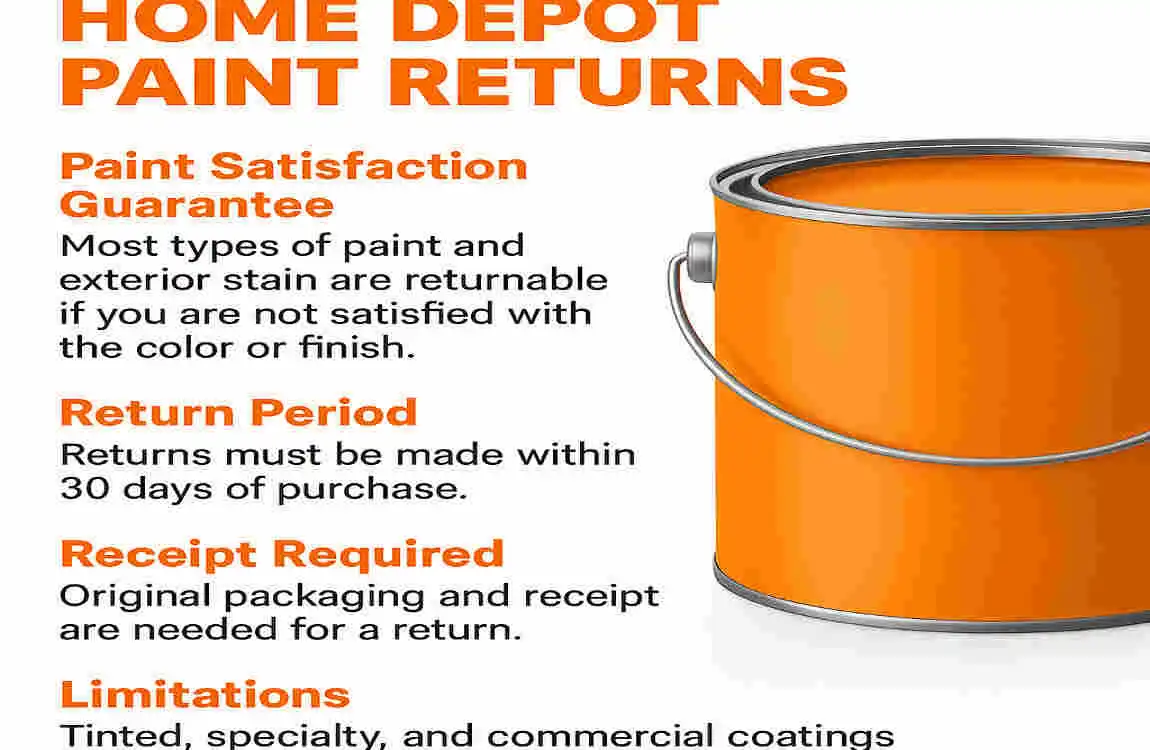
What is Home Depot’s Paint Return Policy?
Home Depot is known for being customer-friendly, but paint can be tricky. The store allows returns on paint, but there are specific rules to follow. Generally, you can return paint if it’s unused and in its original container. This helps Home Depot ensure the paint remains sellable and safe for other customers.
Conditions for Returning Paint
- Unused Paint: The paint must be unopened or unused. If you’ve opened the can and used some paint, returning it can be not easy.
- Original Container: Paint should be in its original container with the label intact.
- Return Timeframe: Most returns must happen within 90 days of purchase. Keep an eye on the date!
- Receipt Needed: Always save your receipt. It’s the easiest way to prove your purchase and speed up the return process.
Exceptions and Special Cases
Custom mixed paints are treated differently. Since these paints are mixed specifically for you, they usually cannot be returned unless there is a manufacturer’s defect or Home Depot’s mistake. This policy helps avoid waste and ensures fairness.
Color matching services are another special case. If you’ve had paint color-matched and it’s not quite right, Home Depot often encourages you to bring it back, but again, returns may be limited. They might offer a credit or exchange, depending on the situation.
How to Prepare Your Paint for Return
To increase your chances of a smooth return:
- Check that the paint can is sealed tight.
- Avoid any spills or damage to the container.
- Bring the original receipt or order confirmation.
- Keep the paint in a cool, dry place to prevent spoilage before returning.
Tips for Keeping Records
Keeping detailed records can make a big difference:
- Keep your receipt in a safe place.
- Take a photo of the paint can, especially if there are any defects.
- If you bought paint online, keep your email confirmation and shipping details.
Step-by-Step Process to Return Paint at Home Depot
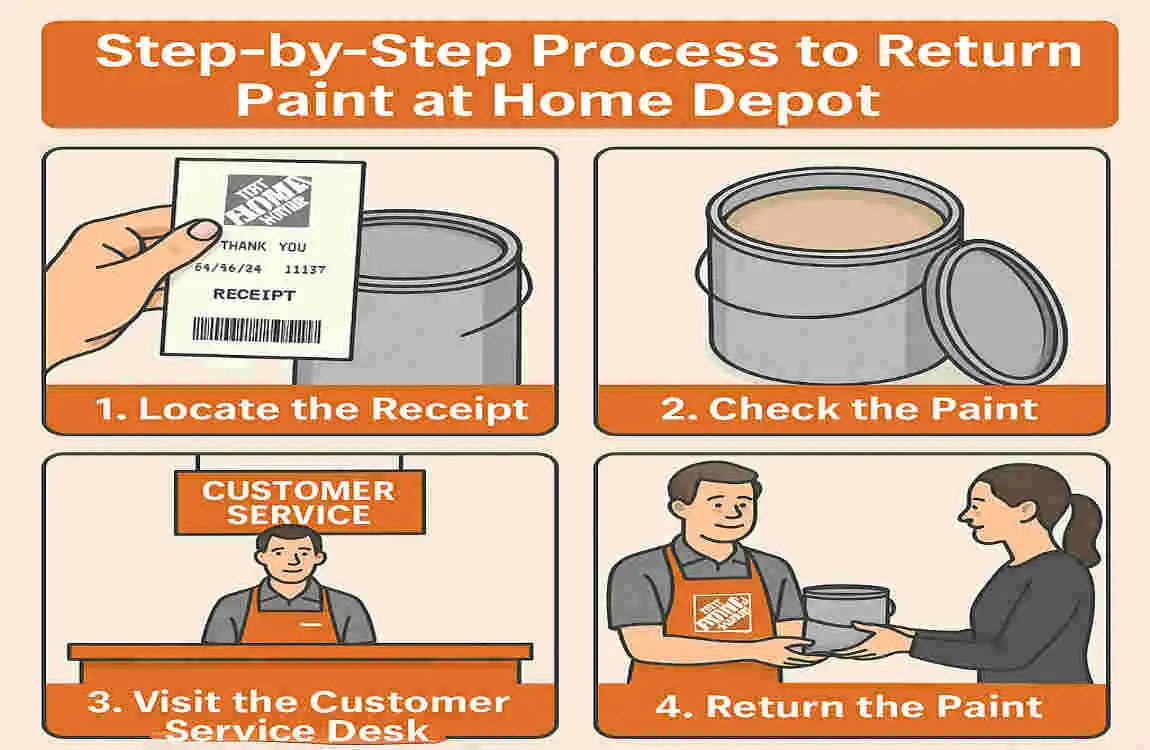
Returning Paint In-Store
Returning paint in person is simple if you follow these steps:
- Bring the paint can and your receipt to the customer service desk.
- Explain why you want to return the paint.
- The staff will inspect the paint can to ensure it meets return conditions.
- If approved, you’ll receive a refund, exchange, or store credit based on your preference.
Returning Paint Purchased Online
If you bought paint through Home Depot’s website, you have two options:
- Return the paint to a physical store with the original packaging and receipt.
- Request a mail-in return by contacting customer service for instructions.
Expect refunds to be processed back to your original payment method within several business days.
What to Expect During the Return
- Refunds: Usually issued to the original form of payment.
- Exchanges: You can swap paint colors or sizes.
- Store Credit: If you don’t have a receipt, Home Depot might offer store credit at its discretion.
Contact and Customer Service Tips
If you run into issues:
- Call Home Depot’s customer service at their official number.
- Have your order number, receipt, and paint details ready.
- Stay polite and clear about your situation — it helps the process go smoothly.
Common Challenges With Paint Returns and How to Avoid Them
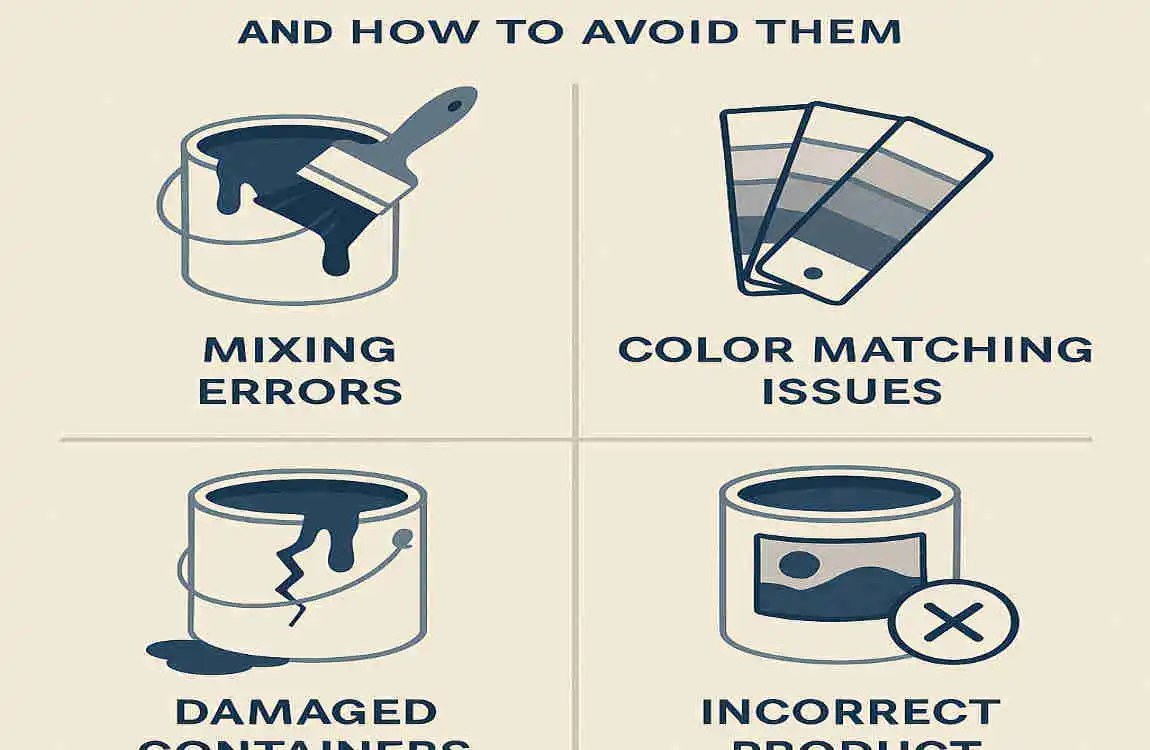
Opened or Partially Used Paint
Home Depot often refuses returns on paint that has been opened or partially used. This is because paint can dry out or become contaminated, making it unsellable.
How to avoid this: Test a small amount first or use sample sizes before committing to a large can.
Missing Receipts or Proof of Purchase
Without a receipt, returning paint becomes tougher. Home Depot may offer store credit or deny the return entirely.
Pro tip: Always save your receipt, or if you shop online, keep your email confirmation handy.
Color Matching Mistakes
Mistakes happen with color matching. Sometimes the paint looks different once it dries.
Solution: Scrutinize samples before buying large quantities, and ask Home Depot about color adjustment options.
Resolving Return Disputes
If you face resistance, try:
- Calmly explaining your issue.
- Requesting to speak to a manager.
- Referencing Home Depot’s official return policy.
Often, clear communication resolves most conflicts.
Why Paint Return Policies Matter for Homeowners and Contractors

Financial Benefits
Knowing return policies lets you avoid wasting money on unusable paint. Returning unwanted paint can free up budget for other project needs.
Impact on Project Planning
Understanding paint returns helps with planning and budgeting. You can buy smaller amounts or test colors before committing.
Sustainability and Waste Reduction
Returning unused paint helps reduce waste. Home Depot also participates in paint recycling programs, contributing to greener practices.
Importance for DIYers and Professionals
Whether you’re a weekend DIYer or a professional contractor, knowing return rules saves headaches and ensures smooth project execution.
Are Home Inspection Reports Confidential?

What Are Home Inspection Reports?
A home inspection report is a detailed document that outlines the condition of a property, often used during real estate transactions. It covers the state of the building’s structure, systems, and potential issues.
Who Receives These Reports?
Typically, the buyer and sometimes the seller get copies. Real estate agents and lenders may also review the reports.
Confidentiality Laws and Regulations
Home inspection reports are generally not legally confidential in most states, but they are treated with discretion by professionals. The report’s purpose is to inform buyers and sellers, not to be shared publicly without permission.
Why Confidentiality Matters
Confidentiality protects the interests of both parties—preventing sensitive information from spreading that could affect negotiations or property value.
Comparing to Retail Consumer Privacy
Just like Home Depot keeps your purchase information secure during returns, real estate professionals respect the privacy of inspection reports. Both represent consumer trust and data protection in different contexts.
Can I Return Paint to Home Depot? FAQ
What is Home Depot’s Paint Return Policy?
Yes, Home Depot allows you to return paint under their Paint Satisfaction Guarantee within 30 days of purchase if you’re not satisfied with the color or quality.
Can I Return Used or Custom-Tinted Paint?
- Used Paint: You can return partially used paint if it’s within 30 days and you’re unhappy with the result.
- Custom-Tinted Paint: Refunds may not be available, but Home Depot can remix the paint to fix the color.
What Do I Need for a Paint Return?
- Original receipt or proof of purchase.
- The paint container (make sure it’s not empty).
If you don’t have a receipt, Home Depot may issue store credit or look up your purchase if it was made with a card or account.
How Do I Start a Paint Return?
- Visit the Customer Service Desk at any Home Depot store.
- Explain the issue, and they’ll offer a refund, exchange, or remix.
Are There Exceptions?
Custom-tinted paint may not qualify for a full refund but can be adjusted. Non-defective paint is typically exchange-only.