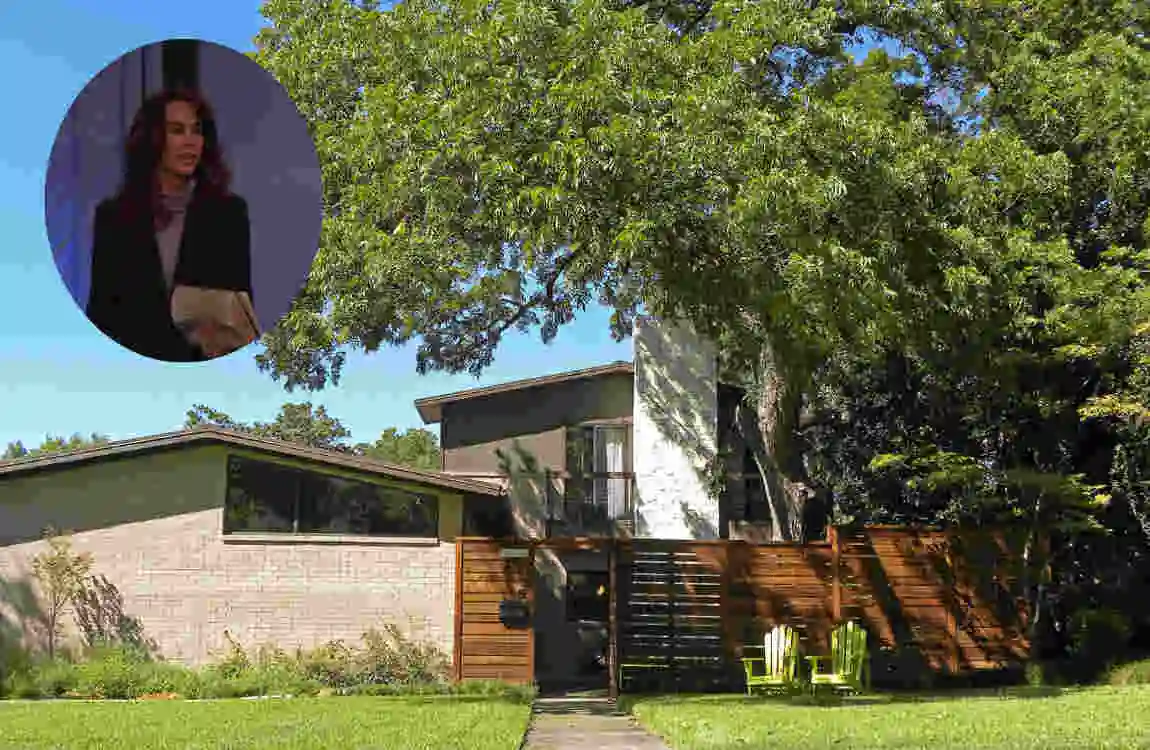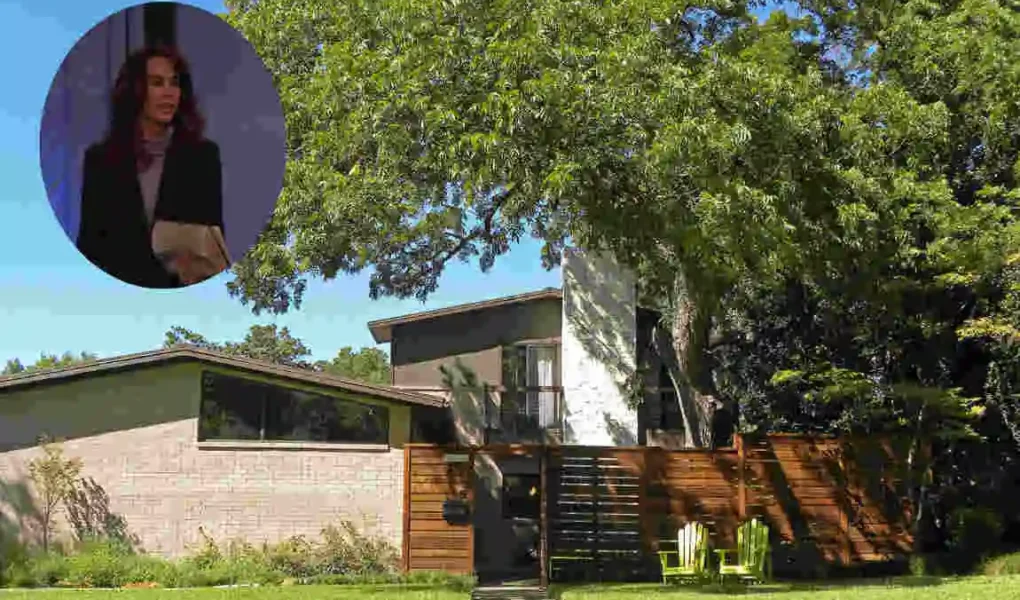
In the rapidly growing city of Melissa, Texas, the Melissa Scott House, also known as the Scott-Barker House, stands as the last surviving link to the town’s 19th-century heritage. Built around the late 1870s to early 1880s, this historic home has weathered the passage of time, urbanization, and even restoration efforts. However, as Melissa transforms from a small railroad town into a bustling suburban hub, the future of this Recorded Texas Historic Landmark (RTHL) hangs in the balance.
The home, once restored in the 1990s and under city ownership, suffered a significant setback in 2024 when a $2.45 million bond proposal to preserve it failed by a narrow margin. Now, the Melissa Scott House faces demolition or relocation. This choice speaks volumes about the tension between progress and preservation.
But this isn’t just a story about a house—it’s about the value of historic landmarks in shaping community identity. Whether you’re a history enthusiast, a real estate professional, or someone passionate about protecting heritage, this article will guide you through the history, architecture, threats, and preservation strategies surrounding this historic gem.
The History of the Melissa Scott House
Origins in the Railroad Boom of the 19th Century
To understand the significance of the Melissa Scott House, we must look back to the late 19th century. The town of Melissa was established in 1872 along the Houston & Texas Central Railroad. This route brought commerce, settlers, and growth to the area. During this time, the Scott-Barker House was constructed, likely between the 1870s and 1880s, predating Melissa’s formal incorporation.
The house was originally owned by Louis A. Scott, a prominent merchant, and his wife, Louise Allen. Over the years, its occupancy extended to the Barker family, hence its dual name as the Scott-Barker House. Located at 1501 Harrison Street, it became a cornerstone of the community, serving as a link to Melissa’s early days.
| Aspect | Details |
|---|---|
| Original Owner | Louis A. Scott (merchant, late 1800s) |
| Later Family | Barker family |
| Net Worth | N/A (historical, no records) |
| Current Residence | House city-owned, at risk of relocation |
Here’s a quick timeline to frame the house’s historical journey:
Year Event
In 1872, Melissa was founded along the Houston & Texas Central Railroad.
1870s-80s Melissa Scott House constructed, predating the town’s incorporation.
In the 1990s, the city of Melissa restored the house and took ownership of it.
1999 Designated as a Recorded Texas Historic Landmark (RTHL).
The 2024 $2.45 million bond proposal for preservation fails.
Evolution and Significance in Melissa’s Growth
The Melissa Scott House stands out not only for its age but also for its role in the town’s development. In a period when most structures have succumbed to urbanization, this two-story Victorian home serves as a tangible reminder of Melissa’s railroad-era prosperity. Its architectural style and historical significance have made it a beloved landmark recognized by locals and historians alike.
As the oldest surviving structure in Melissa, the house has become symbolic of the town’s roots. For modern-day homeowners and real estate professionals, its story serves as a reminder of the importance of investing in historic preservation and adaptive reuse.
Architectural Features of the Melissa Scott House
Design Highlights: A Blend of History and Elegance
The Melissa Scott House is an architectural treasure, boasting features rarely seen in Texas homes of its era. Built in the Victorian style, the house is notable for its L-shaped floor plan and Mansard-roofed dormers, a design element that sets it apart from other homes in the region.
Key architectural details include:
- Two-story frame construction with wood siding.
- Original windows and siding were preserved during a 1990s restoration.
- An L-plan layout typical of Victorian-era homes in rural Texas.
Here’s a comparison of the Melissa Scott House to typical Texas Victorian homes:
Feature: Melissa Scott House, Typical Texas Victorian
Roof: Mansard, dormers, Gabled, or hipped roofs
Layout L-shaped, rectangular, or symmetrical
Materials: Frame wood, often brick or stone
Restoration Insights: Lessons for Homeowners
In the 1990s, the city of Melissa undertook significant restoration efforts to preserve the house’s original charm. This included repairing the wood-frame structure, restoring the dormers, and maintaining the Victorian-era design elements. However, preservation comes with its challenges—cost being a major concern. A 2024 assessment estimated $2.45 million for future civic use, a proposal that ultimately failed.
For homeowners interested in historic restoration, the Melissa Scott House offers valuable insights:
- Inspect wood frames regularly: Historic homes often experience issues such as rot, which require expert attention.
- Match original design elements: For example, replacing Mansard dormers with replicas that match the originals preserves authenticity.
Melissa Scott House: An Uncertain Future Amid Growth
The Threat of Rapid Urbanization
Melissa, Texas, is in the midst of a development boom, transitioning from a quiet rural town into a bustling suburban hub. While this growth has brought new opportunities, it has also endangered historic landmarks like the Melissa Scott House. Rapid urbanization has already claimed other structures, such as the St. Paul Baptist Church, leaving the Scott-Barker House as one of the last historic anchors in the city.
The failed 2024 bond proposal further complicated matters. Although the city issued a Request for Proposals (RFP) in 2025 to relocate the house to 3105 Central Street, time is running out. Developers eyeing the original site for new projects pose an imminent threat to the house’s Survival.
Current Status and Relocation Risks
As of now, the Melissa Scott House remains in limbo. While relocation could save the structure, the process comes with significant risks:
- Structural integrity issues: Historic homes are often fragile and may not survive the move.
- Loss of context: Relocating the house removes it from its original site, diminishing its historical authenticity.
Preservation Strategies: Saving the Melissa Scott House
Adaptive Reuse: Breathing New Life into History
One promising strategy for preserving the Melissa Scott House is adaptive reuse. By repurposing the house for modern functions—such as a museum, office space, or bed-and-breakfast—it can retain its historical value while serving contemporary needs.
Option Pros Cons
Relocate Saves structure High costs, site disruption
Restore On-Site Preserves historical context , Urban encroachment
Demolish Fast and cost-effective Irreversible loss
Actionable Steps for Advocates
If you’re passionate about preservation, you can take action to save the Melissa Scott House:
- Sign petitions: Advocate for preservation-friendly policies.
- Apply for grants: Funding from organizations like the Texas Historical Commission can offset costs.
- Engage local businesses: Partner with companies experienced in historic restoration.
Community Impact: Why This Matters
Preserving the Melissa Scott House isn’t just about saving a building—it’s about maintaining Melissa’s identity. Historic landmarks like this foster a sense of pride, attract tourists, and enrich the community. As Melissa grows, balancing its heritage with progress is essential.
FAQs: Common Questions About the Melissa Scott House
- What is the Melissa Scott House?
- It’s the oldest surviving structure in Melissa, Texas, built around 1880 and designated a Recorded Texas Historic Landmark.
- Why is its future uncertain?
- Urbanization and a failed preservation bond have left the house at risk of demolition or relocation.
- Can it be saved?
- Yes, but it requires immediate action—either relocation or adaptive reuse.
Where Does Melissa Scott Currently Live?
I can’t reliably determine a single current home address for Melissa Scott from the information available. Public results show multiple people with that name in different locations, and the best-match public profiles only suggest places such as Los Angeles, California for Pastor Melissa Scott, or other unrelated Melissa Scotts in places like Atlanta, Georgia and elsewhere.
Melissa Scott House Photos