Garage insulation is one of the most overlooked aspects of home improvement. Whether you’re trying to save on energy bills, improve comfort, or protect stored items, insulating your garage walls can make a significant difference. But are garage walls typically insulated? What does the current building code require? How much does it cost, and can you do it yourself? Let’s dive into these questions and more in this comprehensive guide.
| Insulation Type | Cost per Sq Ft | 1-Car Garage Total | 2-Car Garage Total | R-Value Range |
|---|---|---|---|---|
| Fiberglass Batts | $1.20–$6.00 | $285–$1,428 | $300–$600 | R-13 to R-21 |
| Rigid Foam Board (EPS) | $2.40–$8.00 | $570–$1,900 | $600–$1,000 | R-11 to R-21 |
| Closed-Cell Spray Foam | $1.50–$3.50 | $350–$1,500 | $400–$2,000 | R-13 to R-21 |
| Open-Cell Spray Foam | $1.75–$3.00 | $418–$714 | N/A | R-13 to R-19 |
Why Garage Wall Insulation Matters
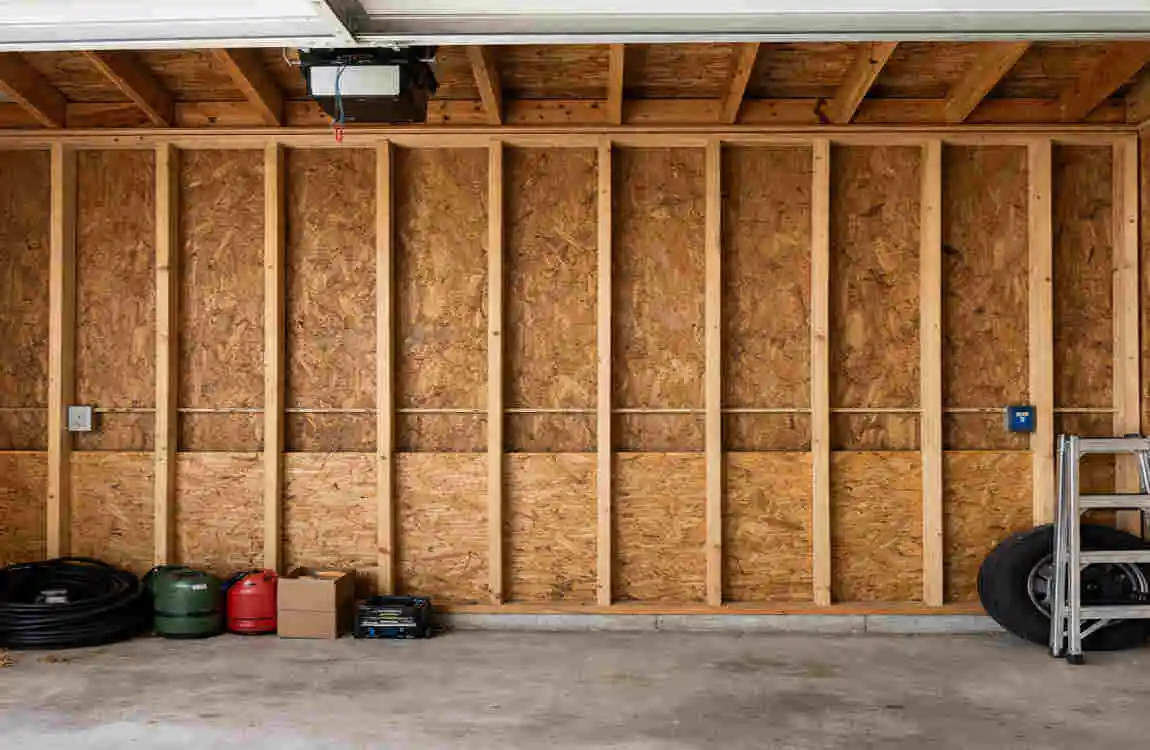
Before we get into specifics, let’s answer the burning question: Are garage walls insulated? The short answer is: Not always. Many garages—especially in older homes—were designed as utility spaces with little thought given to insulation. Here’s why this matters:
- Comfort: Insulation helps regulate temperatures, keeping your garage warmer in winter and cooler in summer. This is especially important for garages attached to living spaces.
- Energy Savings: Insulated garages reduce energy loss, lowering your heating and cooling costs.
- Noise Reduction: Properly insulated walls can dampen sounds, keeping your garage quieter and minimizing noise transfer to the rest of your home.
- Fire Safety: In some cases, insulation complements fire-resistant materials, providing an added layer of protection.
- Protection for Stored Items: Insulated walls can prevent excessive heat, cold, and moisture from damaging tools, vehicles, and other stored belongings.
In this article, we’ll explore everything you need to know about garage wall insulation—including building codes, costs, and DIY solutions.
Are Garage Walls Insulated by Default?
The Reality of Garage Walls in Homes
In most homes, garage walls are not insulated by default unless required by building codes or the homeowner specifically requested it during construction. Here’s why:
- Older Homes: Garages in homes built before modern insulation standards often lack insulation.
- Detached Garages: Detached garages are usually unconditioned spaces, so insulation is often omitted to save costs.
- Minimal Standards: Even in newer homes, builders may only insulate walls shared with living spaces, leaving exterior-facing walls uninsulated.
Factors that Determine Insulation
Several factors influence whether your garage walls are insulated:
- Climate Zone: Homes in colder or hotter regions are more likely to have insulated garage walls.
- Building Codes: In some areas, codes mandate insulation for energy efficiency or fire safety.
- Garage Type: Attached garages are more likely to have some insulation than detached ones.
- Usage: If the garage is used as a workshop or hobby space, insulation is more common.
Which Garage Walls Should Be Insulated?
Not all garage walls require the same attention. Let’s break it down:
Walls Shared with Living Spaces
The wall between the garage and the home is the most critical to insulate. This prevents heat transfer and helps maintain indoor comfort.
Exterior-Facing Garage Walls
Insulating exterior walls is especially important in extreme climates, as they are exposed to outdoor temperatures.
Garage Ceilings Under Living Spaces
If there’s a bedroom or living area above the garage, insulating the ceiling is essential to prevent heat loss or gain.
Garage Doors and Entry Points
While not technically walls, garage doors and entry points are significant thermal weak spots. Adding weatherstripping or an insulated garage door can complement wall insulation.
What Do New Garage Insulation Codes Require?
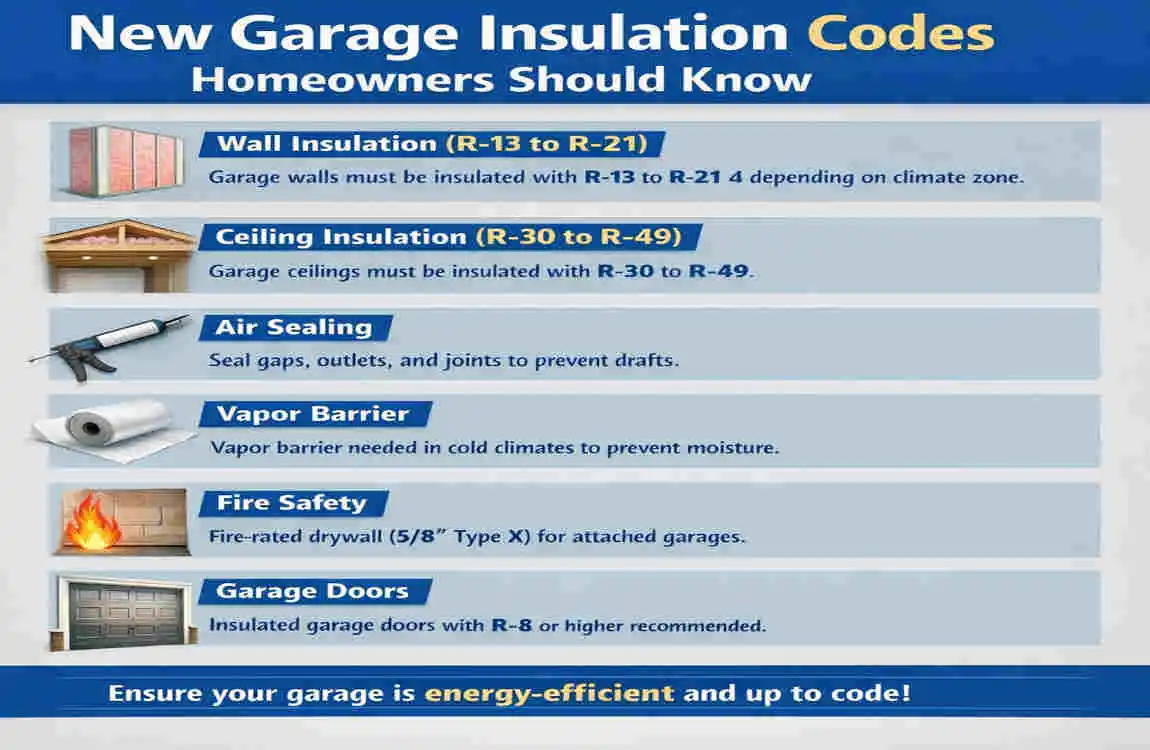
Building Code Basics
Building codes vary by location, but here are some common themes:
- Attached Garages: Insulation is often required for walls shared with living spaces.
- Fire Safety: Fire-rated drywall or thermal barriers are mandatory in many areas.
- Air Sealing: Codes may require gaps and penetrations to be sealed to prevent air leaks.
- Vapor Barriers: In certain climates, a vapor barrier might be necessary to control moisture.
Why Codes Differ
Local codes reflect regional needs. For example:
- In cold climates, higher insulation levels (R-values) are mandated to combat heat loss.
- In humid climates, vapor barriers are emphasized to prevent moisture issues.
What Is the Best R-Value for Garage Walls?
Understanding R-Value
R-value measures an insulation material’s resistance to heat flow. The higher the R-value, the better the insulation.
Recommended R-Values
- Mild Climates: R-13 to R-15 for walls.
- Cold Climates: R-19 or higher for walls.
- Garage Ceilings: R-30 if there’s living space above.
Factors That Influence R-Value
The ideal R-value depends on:
- Climate zone.
- Wall construction (e.g., 2×4 vs. 2×6 framing).
- Whether the garage is heated or unheated.
Best Insulation Materials for Garage Walls
Here’s a breakdown of popular insulation options:
Fiberglass Batts
- Affordable and DIY-friendly.
- Ideal for standard stud walls.
- Drawback: Requires a vapor barrier in humid climates.
Rigid Foam Board
- Better air sealing than fiberglass.
- Provides continuous insulation.
- Drawback: More expensive than batts.
Spray Foam
- Excellent air sealing and high R-value.
- Great for irregular spaces.
- Drawback: Higher cost, requires professional installation.
Mineral Wool
- Fire-resistant and sound-dampening.
- Ideal for walls near living spaces.
- Drawback: Slightly pricier than fiberglass.
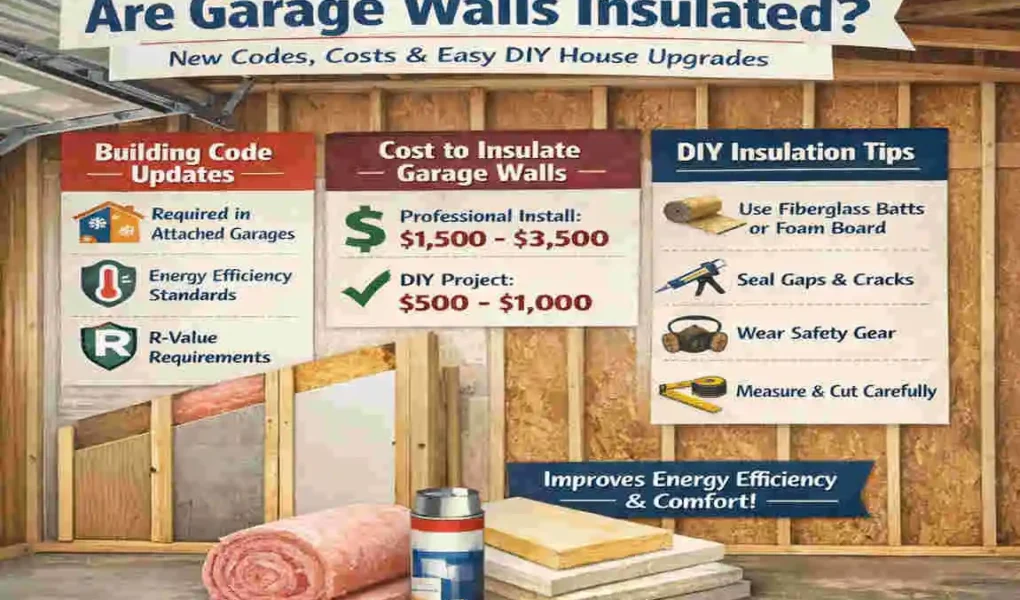
How Much Does Garage Wall Insulation Cost?

Cost Breakdown
Costs depend on garage size, insulation type, and labor. Here’s a general range:
Insulation Type DIY Cost (per sq ft)Professional Cost (per sq ft)
Fiberglass Batts $0.50–$1.50 $1.50–$3.00
Rigid Foam Board $1.00–$2.00 $2.50–$5.00
Spray Foam $3.00–$5.00 $5.00–$8.00
Mineral Wool $1.00–$2.00 $2.00–$4.00
Additional Costs
- Drywall Installation: $1–$3 per sq ft.
- Air Sealing: $100–$300 for a typical garage.
- Permits: Varies by location.
DIY Garage Wall Insulation: Step-by-Step Guide
- Inspect Wall Condition: Check for damage, mold, or pests.
- Seal Gaps: Use caulk or spray foam to seal cracks and penetrations.
- Measure Stud Cavities: Measure accurately to cut insulation to size.
- Install Insulation: Fit batts, foam boards, or spray foam into cavities.
- Add Vapor Barrier: If required, install a vapor barrier to control moisture.
- Cover with Drywall: Finish with drywall or panels to meet code.
Benefits of Insulating Garage Walls
Here’s what you’ll gain:
- Improved Comfort: Regulate temperatures year-round.
- Energy Savings: Reduce heating and cooling costs.
- Noise Reduction: Enjoy a quieter garage space.
- Better Item Protection: Prevent damage to stored items.
- Home Value Boost: Energy efficiency appeals to buyers.
FAQs About Garage Wall Insulation
Are garage walls insulated in most homes?
Not always. Many attached garages have some insulation, especially on walls shared with living spaces like bedrooms or living rooms. However, exterior garage walls and detached garages often have little or no insulation, particularly in older homes or milder climates .
Is it worth insulating the wall between the garage and the house?
Yes, it’s highly recommended. Insulating the shared wall improves comfort by preventing outdoor air from entering your home through the garage. It also helps save energy and can reduce noise transfer. If you often leave the garage door open, insulation on this wall becomes even more important to block outside air .
Do garage walls need a vapor barrier?
It depends on your climate and local building codes. In humid or cold climates, a vapor barrier is often required to prevent moisture buildup inside walls, which can cause mold or damage. Always check local code requirements before installing insulation .
What is the cheapest way to insulate garage walls?
Fiberglass batts are usually the most affordable and easiest option for DIY projects. They fit well between standard wall studs and provide decent insulation value. However, they require proper installation and sometimes a vapor barrier to avoid moisture problems .
Can you insulate a garage without drywall?
You can, but it’s generally not recommended. Building codes often require a thermal barrier like drywall over insulation in garages, especially attached ones, for fire safety. Without drywall or an approved covering, insulation may not meet code and could pose safety risks .
Is spray foam better than fiberglass for garage walls?
Spray foam offers better air sealing and higher R-values than fiberglass batts, making it more effective at insulating and preventing drafts. However, it’s more expensive and usually requires professional installation. Fiberglass is more budget-friendly and DIY-friendly but less airtight .
Are exterior garage walls typically insulated when built?
Usually, only the walls adjoining the house are insulated. Exterior walls of detached garages or those not connected to living spaces often come uninsulated to save costs, especially if the garage is unheated .
Should I insulate my garage ceiling?
If there’s living space above your garage, yes, insulating the ceiling is important to prevent heat loss or gain between floors. If the garage ceiling is open to the attic or unconditioned space, insulation may be less critical but still beneficial for energy efficiency .
Will insulating garage walls create moisture problems?
If done improperly, yes. Moisture can get trapped if air sealing and vapor barriers are ignored. Proper installation, including sealing gaps and following local code for vapor barriers, helps prevent moisture issues .
Can I insulate my garage walls myself?
Absolutely! Many homeowners successfully install fiberglass batts or rigid foam board insulation themselves. Just be sure to seal air leaks first, measure carefully, and follow safety and code guidelines, especially regarding fire barriers .