Modern mountain homes have a special kind of appeal. They feel calm, grounded, and stylish all at once. They often sit in stunning natural settings, where tall trees, rocky slopes, and wide-open views become part of the home’s story. Because of that, the exterior design matters just as much as the interior.
When people think of modern mountain home exteriors, they often picture a mix of clean lines, natural textures, and strong materials built to withstand changing weather. That is exactly what makes this style so attractive. It blends modern design with the warmth of nature. It feels fresh but never out of place in the landscape.
Designing this kind of home exterior is not just about making it look beautiful. It is also about making it practical, durable, and environmentally friendly. You want the home to feel inviting, protect against snow, wind, and rain, and still showcase the unique setting around it. That balance is what gives modern mountain homes their charm.
What Makes Modern Mountain Home Exteriors Unique?
A Style That Blends Old and New
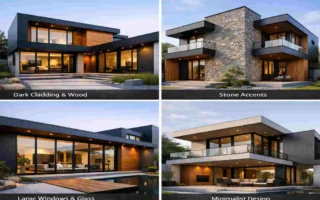
Modern mountain homes are not about copying a traditional cabin look exactly. Instead, they take the natural warmth of mountain architecture and pair it with a more refined, updated feel. Think clean geometry, large glass areas, simple shapes, and natural surfaces.
This style works so well because it respects the setting. A mountain home should feel like it belongs there. At the same time, it should also feel current and comfortable. The best modern mountain homes’ exteriors do both at once.
A traditional mountain home might lean heavily on rustic wood and decorative details. A modern one usually keeps things simpler. It uses fewer visual elements, but each one serves a greater purpose. The result is a home that feels calm, thoughtful, and elegant.
The Main Design Goals
When designing a modern mountain exterior, there are usually three major goals:
- Blend with the natural surroundings
- Handle mountain weather well
- Create a clean and modern look
These goals should work together. If the home looks beautiful but struggles with snow or moisture, the design has failed in practice. If it works well but looks too plain or disconnected, it misses the emotional appeal.
The strongest designs use materials and shapes that feel natural in the landscape. They also keep the home visually balanced, so it looks welcoming rather than heavy or harsh.
Why This Style Works So Well
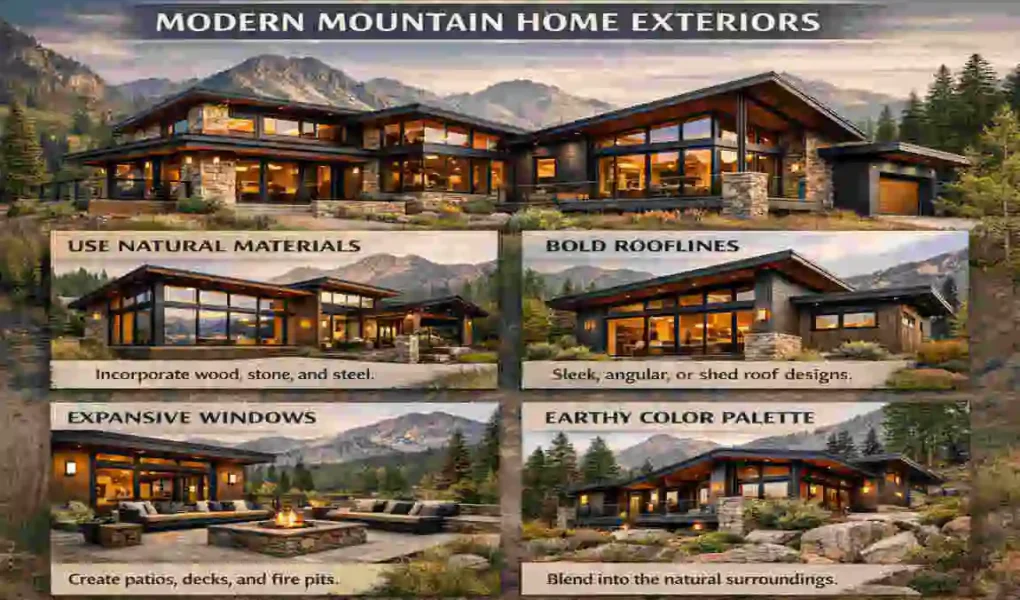
Mountain settings naturally invite a design that feels organic and strong. Wood, stone, and metal all work beautifully in this type of environment. Large windows bring the outdoors inside. Rooflines can echo the shape of the land. Outdoor living spaces allow people to enjoy the scenery year-round.
That is why modern mountain homes’ exteriors have become so popular. They are not only beautiful, but also practical and deeply connected to place.
Key Design Elements of Modern Mountain Home Exteriors
Use of Natural Materials
Natural materials are among the most important elements of this design style. They help the home feel grounded and connected to the landscape.
Stone
Stone is often used on lower walls, entry features, chimney areas, or as an accent around the home. It adds weight and texture. It also gives the house a sense of strength, which is especially fitting for mountain settings.
You do not need to cover the whole home in stone. In fact, that can make it feel too heavy. A smaller, well-placed stone element is often more effective. It adds visual interest without overwhelming the rest of the exterior.
Wood
Wood brings warmth to modern mountain homes’ exteriors. It softens the harder edges of stone and metal. It can be used in siding, soffits, porch ceilings, beams, or accent panels.
Many homeowners choose wood stains in natural tones such as walnut, cedar, or weathered grey. These colours help the home blend into the environment while still feeling rich and inviting.
Metal
Metal is another important material, especially for roofing, trim, railings, and accents. It gives the home a modern edge. It also performs well in snowy or wet climates when properly installed.
Dark metal finishes, such as charcoal, black, or bronze, are especially popular in mountain homes because they add contrast and sophistication.
Why Mixing Materials Works
A mountain home often looks best when it uses more than one material. The mix creates depth and helps break up large surfaces. For example, stone at the base, wood on the main siding, and metal for the roof can create a balanced and attractive look.
The key is to keep the palette consistent. Too many materials or colours can make the home feel busy. A few well-chosen elements are usually enough.
Large Windows and Open Views
One of the most loved features of modern mountain homes is the use of large windows. These homes are often built in locations with incredible scenery, so the exteriors should help frame those views.
Natural Light Matters
Large windows let in more daylight, making the home feel brighter and more open. In mountain areas, this is especially helpful because the weather can be cloudy, snowy, or shaded by trees.
Natural light also helps reduce the need for artificial lighting during the day. That makes the home feel more comfortable and can also improve energy use.
Framing the Landscape
Windows are not just for light. They are also part of the home’s design language. Tall windows, corner windows, and wide glass walls can turn the outdoors into a living backdrop.
When planning the exteriors of modern mountain homes, consider what the windows will capture. Do they face mountains, a forest, a lake, or a valley? The placement should support those views.
Window Styles That Work Well
Some popular window styles for mountain homes include:
- Large fixed windows for uninterrupted views
- Floor-to-ceiling windows for dramatic light
- Corner windows for a more open feel
- Tall, narrow windows for a sleek, modern look
- Sliding glass doors that connect indoor and outdoor spaces
The goal is not to add windows everywhere. It is to place them with intention so they feel part of the architecture.
Roof Design for Mountain Weather
The roof is one of the most important parts of a mountain home’s exterior. It affects appearance, performance, and safety.
Sloped Roofs
Sloped roofs are very common in mountain homes because they help snow and rain slide off more easily. This reduces buildup and lowers the risk of damage.
They also create a strong visual line. In many mountain homes, the roof shape helps the house feel more in sync with the land’s slope.
Flat or Low-Slope Roofs
Flat roofs can work in modern mountain design, but they need careful planning. They can create a sleek look that many homeowners love. However, they must be built to properly manage snow, drainage, and moisture.
In areas with heavy snowfall, a completely flat roof is often not the best choice unless the structure is specifically engineered for it. A low-slope roof can be a better compromise.
Best Roofing Materials
Metal roofing is one of the most practical choices for mountain homes. It is durable, long-lasting, and well-suited for snow and rain. It also fits nicely with modern design.
Other roofing materials may also work depending on the climate and budget. Still, metal is often the top pick for modern mountain homes’ exteriors because it balances style and performance.
Outdoor Living Spaces
Modern mountain living is not limited to the inside of the home. Outdoor spaces are a major part of the experience.
Decks and Patios
A deck or patio helps the home feel more connected to the land. It creates a place to enjoy the views, breathe fresh air, and gather with family or guests.
Wood decking, stone patios, and composite materials all work well, depending on the desired look and maintenance level. The key is to design these spaces so they feel like a natural extension of the house.
Fire Pits and Seating Areas
Mountain weather can be cool, even in warmer seasons. That makes fire pits and outdoor seating areas especially appealing. They create a cosy atmosphere and extend the use of the outdoor space.
A well-designed fire feature also serves as a strong focal point on the exterior.
Seamless Indoor-Outdoor Flow
When doors open directly onto a deck or patio, the home feels more spacious. This kind of flow is a major feature in modern design. It helps the exterior and the interior work together rather than feel separate.
Colour Palettes and Finishes That Work Best
Choosing the Right Colours
Colour plays a huge role in the overall feel of modern mountain homes’ exteriors. The best colour choices usually reflect the natural environment.
Earthy and Neutral Tones
Some of the most effective colours include:
- Warm browns
- Deep grays
- Soft taupes
- Forest greens
- Charcoal black
- Creamy off-whites
These tones feel calm and timeless. They also help the home blend with trees, rocks, and mountain backdrops.
Using Contrast Wisely
A modern mountain home does not have to be a single colour. In fact, contrast often makes the design stronger. For example, dark window frames against lighter siding can create a crisp and modern look.
You can also pair wood tones with black metal accents to create a balanced mix of warmth and structure.
Popular Finishes
The finish of each material matters just as much as the colour.
Matte Finishes
Matte finishes are often best for mountain homes because they feel natural and understated. They reduce glare and help materials look more grounded.
Glossy Finishes
Glossy finishes can sometimes feel too polished for a mountain setting. That does not mean they should never be used, but they are usually better as small accents rather than main surfaces.
Wood Stains and Metal Accents
Wood stains should preserve the grain’s character rather than hide it. Metal accents, especially in dark tones, add a modern edge and can help the home feel more refined.
The goal is to create an exterior that feels polished but never forced.
Balancing Form and Function in Mountain Home Exteriors
Weather Resistance
A mountain home must stand up to changing weather. That means the exterior needs to be both beautiful and tough.
Snow and Ice
In snowy regions, roof shape, drainage, and material selection matter a lot. Surfaces should allow snow to shed safely, and gutters should be designed to manage melting and runoff.
Rain and Moisture
Moisture control is essential in mountain climates. Water can cause damage over time if the exterior is not properly sealed or drained. Good flashing, proper grading, and smart material choices all help protect the home.
Wind and Temperature Changes
Mountain areas often experience strong winds and large temperature swings. Exterior materials should be durable enough to withstand expansion and contraction, as well as exposure.
Energy Efficiency
A strong exterior can also help improve energy use inside the home.
Efficient Windows
Energy-efficient windows help keep heat in during the winter and reduce unwanted heat during warmer months. This is important in mountain homes, where temperatures can change quickly.
Solar Features
Some modern mountain homes incorporate solar panels in a way that feels integrated rather than added on. When carefully placed, solar elements can support sustainability without compromising the visual design.
Better Insulation
A good exterior is not just what you see. It is also what happens behind the walls. Strong insulation helps maintain comfort and reduces energy waste.
Low-Maintenance Design
Many homeowners want a mountain home that looks great without demanding constant upkeep.
Material Choices Matter
Some materials age better than others. Metal, stone, fibre cement, and high-quality treated wood can all reduce maintenance needs.
Simple Shapes Help
Complex rooflines and too many decorative details can create more maintenance work. A simpler exterior is often easier to care for and looks more modern.
Planning for Longevity
If you want your modern mountain homes’ exteriors to age well, choose materials and finishes that stay strong over time. Good design should save time and money in the long run.
Landscaping and Surroundings That Support the Design
Let the Landscape Work With the Home
A mountain home should never feel like it was dropped into the land without thought. The landscape should support the architecture.
Native Plants
Native plants are one of the smartest landscaping choices. They are already suited to the climate, which means they often need less water and less care. They also help the home feel like part of the natural environment.
Rocks and Stone Pathways
Using stones, gravel paths, and natural boulders can strengthen the visual connection to the surrounding land. These elements feel organic and low-key, which fits the style very well.
Simple Planting Beds
Keep planting beds clean and natural-looking. Avoid overly formal arrangements. In mountain settings, a more relaxed layout usually feels more authentic.
Outdoor Lighting
Lighting should highlight the home, not overpower it.
Soft and Strategic Lighting
Use lighting to emphasise walkways, entry points, and architectural details. Warm light tends to feel more welcoming than harsh white light.
Highlighting Key Features
You may want to light stone walls, timber beams, or a front porch subtly. This helps the home stand out at night while keeping the mood calm and natural.
Safety and Comfort
Outdoor lighting is also important for safety. Well-lit paths, steps, and entrances make the home easier to use and more secure.
Examples of Stunning Modern Mountain Home Exteriors
The Wood-and-Stone Retreat
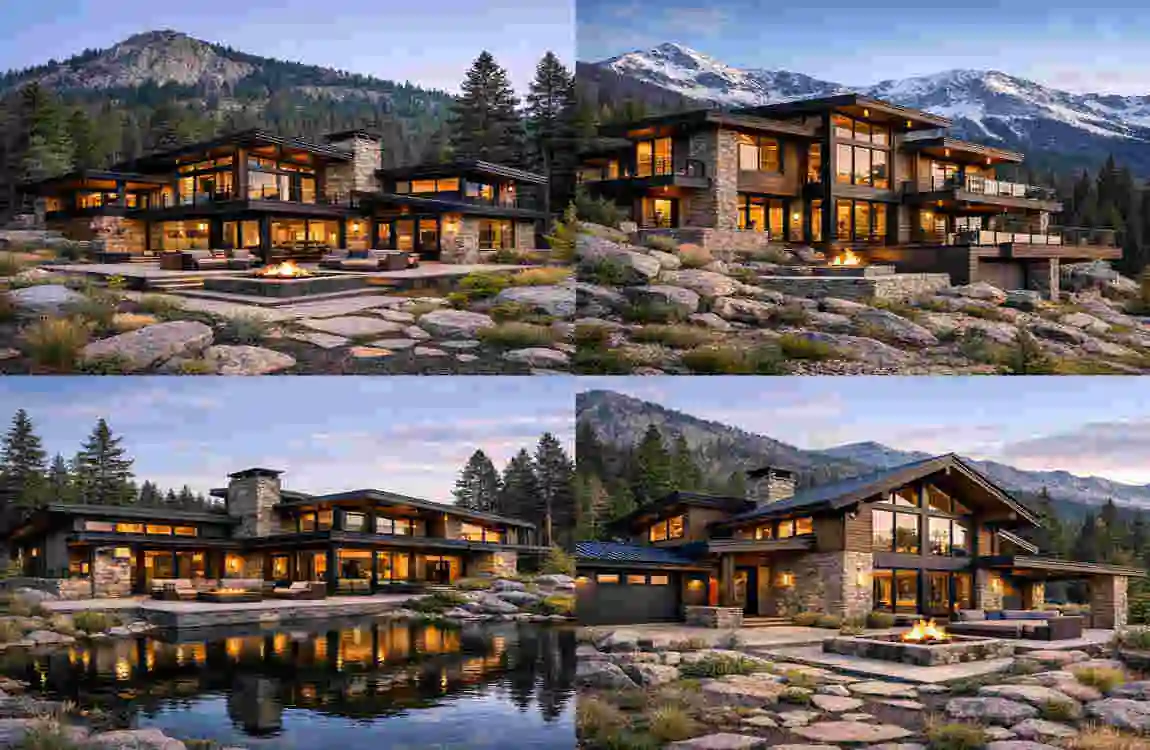
Imagine a home with a low-sloped roof, dark metal framing, and a mix of cedar siding and stone at the base. The stone grounds the home, while the wood adds warmth. Large glass panels face the view, bringing natural light deep into the living space.
This kind of design works because it is simple, strong, and deeply tied to the landscape. It does not try too hard. It just feels right.
The Sharp Modern Cabin
This style features a more angular shape, black trim, smooth siding, and a few wood accents. It feels more contemporary but still works beautifully in a mountain location.
The success of this design comes from balance. The home is bold, but the natural materials keep it from feeling cold or harsh. The exterior feels modern, yet still welcoming.
The Warm Contemporary Lodge
A more lodge-inspired modern mountain home may include wider roof overhangs, a welcoming front entry, and a mix of timber beams, stone cladding, and glass walls. It feels spacious and luxurious without losing its rustic soul.
This style is popular because it brings together comfort and elegance. It shows how modern mountain homes’ exteriors can feel both current and timeless.
What These Examples Teach Us
All of these examples share a few important traits:
- They use natural materials with intention
- They keep the shape clean and clear
- They connect indoor and outdoor spaces
- They respect the mountain setting
- They use contrast in a controlled and thoughtful way
If you remember anything from these examples, remember this: good design is never random. Every material, shape, and colour should have a reason.
Tips for Hiring the Right Professionals
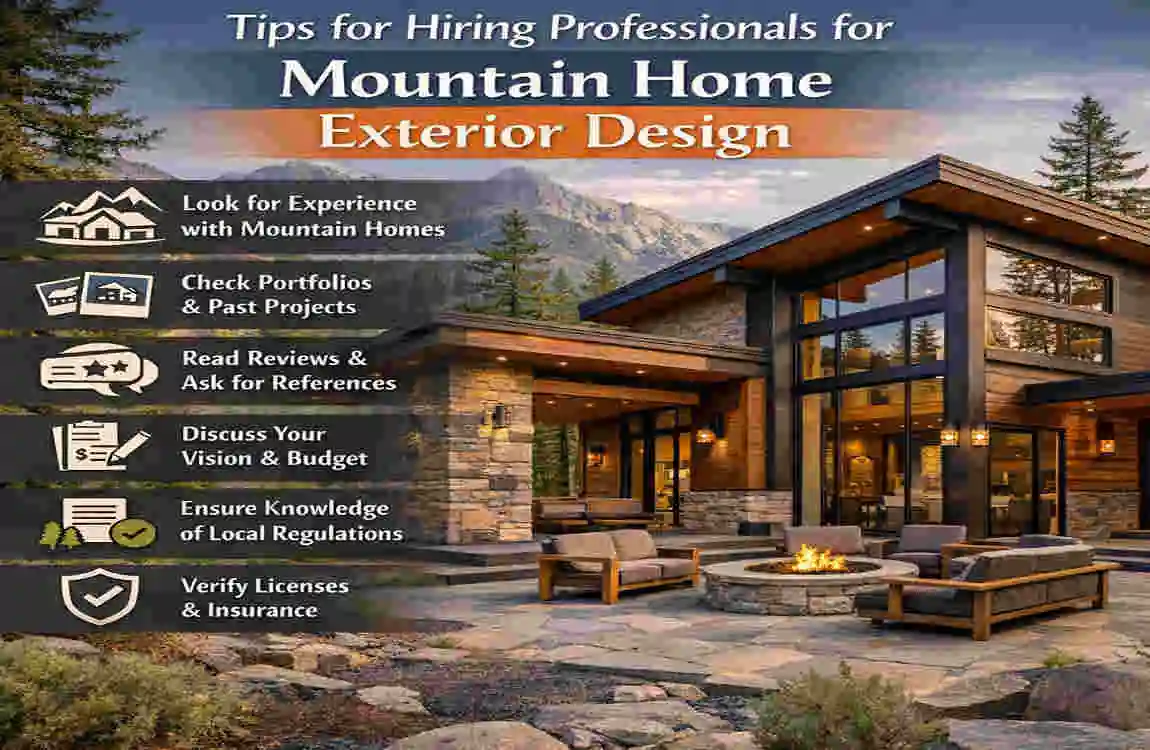
Find the Right Architect or Designer
A mountain home exterior is a specialised project. You want someone who understands both style and climate.
Questions to Ask
When speaking with a designer or architect, ask:
- Have you worked on mountain homes before?
- How do you handle snow, drainage, and moisture concerns?
- What materials do you recommend for this climate?
- How do you balance style with maintenance?
- Can you design around the site’s natural views?
These questions help you understand whether the person has the right experience.
Work With a Team
The best results usually come from collaboration. Architects, builders, landscapers, and designers should all work together from the start.
If one person designs the home without considering the land or climate, problems can appear later. A team-based approach helps create a better final result.
Keep Budget in Mind
Budget matters, of course, but it should be used wisely.
Spend Where It Matters Most
It is often wise to invest more in components that affect performance and longevity, such as roofing, windows, and siding. These choices shape both the home’s look and its life.
Save by Simplifying
You may be able to save money by keeping the exterior shape simple or by limiting the number of materials used. A thoughtful design does not need to be complicated to be beautiful.
Plan for the Long Term
When budgeting for modern mountain home exteriors, think beyond the first build. Cheaper materials may cost less now, but require more repairs later.
Practical Design Checklist for Modern Mountain Home Exteriors
Before you finalise your design, it’s helpful to step back and review the big picture. Use this simple checklist to guide your planning:
- Choose durable, natural materials
- Plan for snow, rain, wind, and temperature changes
- Use windows to frame the best views
- Keep the colour palette earthy and balanced
- Add outdoor living areas that feel connected to the home
- Design landscaping that works with the land
- Choose low-maintenance finishes whenever possible
This kind of checklist helps you stay focused and avoid decisions that may look good on paper but fail in real life.
Material Comparison Table
Here is a simple table that compares some common exterior materials used in mountain homes:
MaterialVisual FeelBest UseMain BenefitMaintenance Level
Stone Natural, strong, grounded. Accent walls, base sections, and chimneys. Adds durability and texture. Low
Wood Warm, inviting, organic Siding, beams, soffits, accents Brings warmth and character Medium
Metal Sleek, modern, clean Roofs, trim, railings, details. Great for weather resistance. Low
Fibre Cement Smooth, versatile Siding and cladding, Durable and adaptable, Low
Glass Open, bright, modern Large windows, doors, view walls Maximises light and scenery Medium
This table shows why many of the best modern mountain homes feature exteriors combining several materials rather than relying on a single material.
Common Mistakes to Avoid
Ignoring the Climate
A beautiful home exterior is not enough if it cannot handle the weather. Always design for the environment first.
Using Too Many Materials
Too much variety can make the home look scattered. It is better to choose a few strong materials and use them consistently.
Blocking the View
In mountain settings, the view is part of the design. Window placement and outdoor space planning should always support the scenery.
Overcomplicating the Shape
A home with too many angles, roof changes, or decorative features can feel busy. Clean lines usually work better for this style.
Forgetting Maintenance
Every material needs care. Even low-maintenance options should be chosen with long-term upkeep in mind.
FAQ About Modern Mountain Home Exteriors
What materials are best for mountain homes?
The best materials are usually stone, wood, metal, and fibre cement. These materials work well because they are durable, visually appealing, and suited to mountain weather. Many homeowners combine them to create a balanced look.
How can I make my mountain home more energy-efficient?
You can improve energy efficiency by installing high-quality windows, installing strong insulation, and using weather-resistant construction. Solar features may also help, depending on the location and roof design.
What colours work best for mountain exteriors?
Earthy and neutral shades usually work best. Think grey, brown, black, deep green, taupe, and soft cream. These colours help the home blend into the landscape while still looking modern.
Can modern mountain homes still feel cosy?
Absolutely. In fact, that is one of their biggest strengths. The right mix of wood, warm lighting, outdoor living spaces, and natural textures can make the home feel both modern and inviting.
Are flat roofs a good idea for mountain homes?
Sometimes, but not always. Flat roofs can look very modern, but they need proper engineering for snow and water drainage. In many mountain areas, a sloped roof is the safer and more practical choice.
| Design Tip | Key Benefit |
|---|---|
| Use large panoramic windows | Maximizes stunning mountain views and natural light. |
| Incorporate natural materials like wood and stone | Blends seamlessly with rugged terrain for durability and warmth. |
| Choose clean, geometric lines and low-profile roofs | Creates a sleek, contemporary look that withstands harsh weather. |
| Add metal accents and siding in grays or blacks | Provides modern contrast and fire/moisture resistance. |
| Emphasize indoor-outdoor flow with decks | Enhances connection to nature while protecting from elements. |
| Select durable fiber cement or composite siding | Ensures longevity against snow, wind, and pests. |