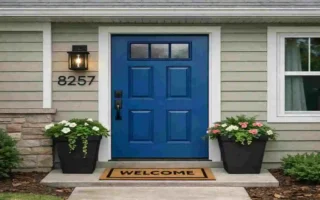
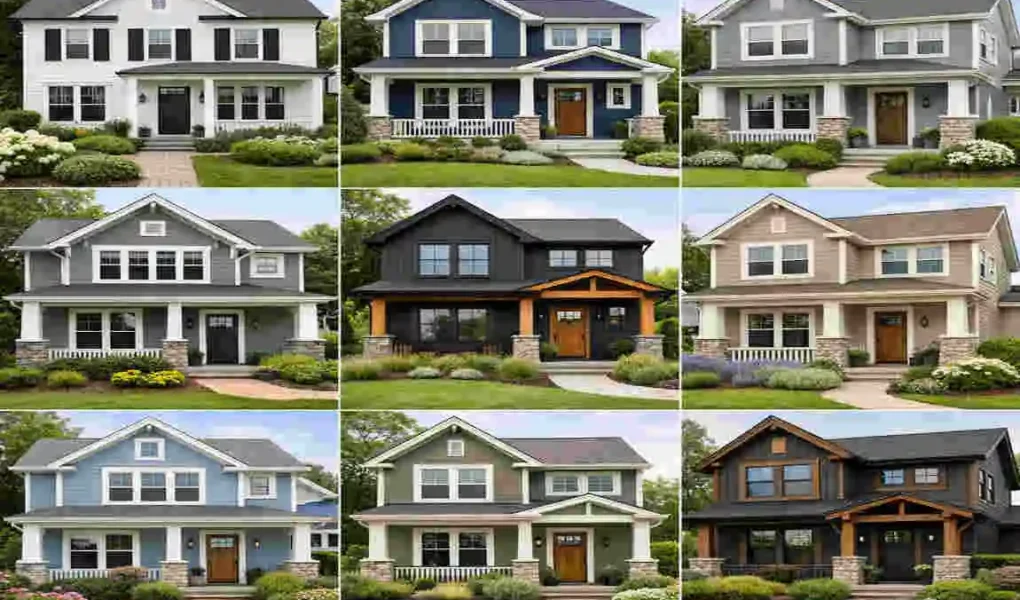
Are you standing on your sidewalk, staring at your home, and wondering which colour is best for the exterior of your house to make your neighbors just a little bit jealous? You are definitely not alone. Choosing the perfect shade for the outside of your home is one of the biggest design decisions you will ever make. It is the first thing people see when they pull into your driveway, and it sets the tone for your entire property.
Let’s be completely honest with each other: curb appeal matters. It is not just about making your house look pretty for the neighborhood block party. Upgrading your exterior paint can have a massive impact on your wallet. In fact, numerous real estate studies show that a fresh, well-chosen exterior paint job can increase your home’s total value by up to 7%. That is a massive return on a relatively simple investment!
As we move deeper into 2026’s design trends, we are seeing a beautiful shift in what homeowners want. The stark, cold colors of the past are fading away. Instead, people are embracing warm neutrals, grounding earth tones, and nature-inspired greens. These shades make a house feel like a welcoming home before you even step through the front door.
Why Exterior Color Matters More Than You Think
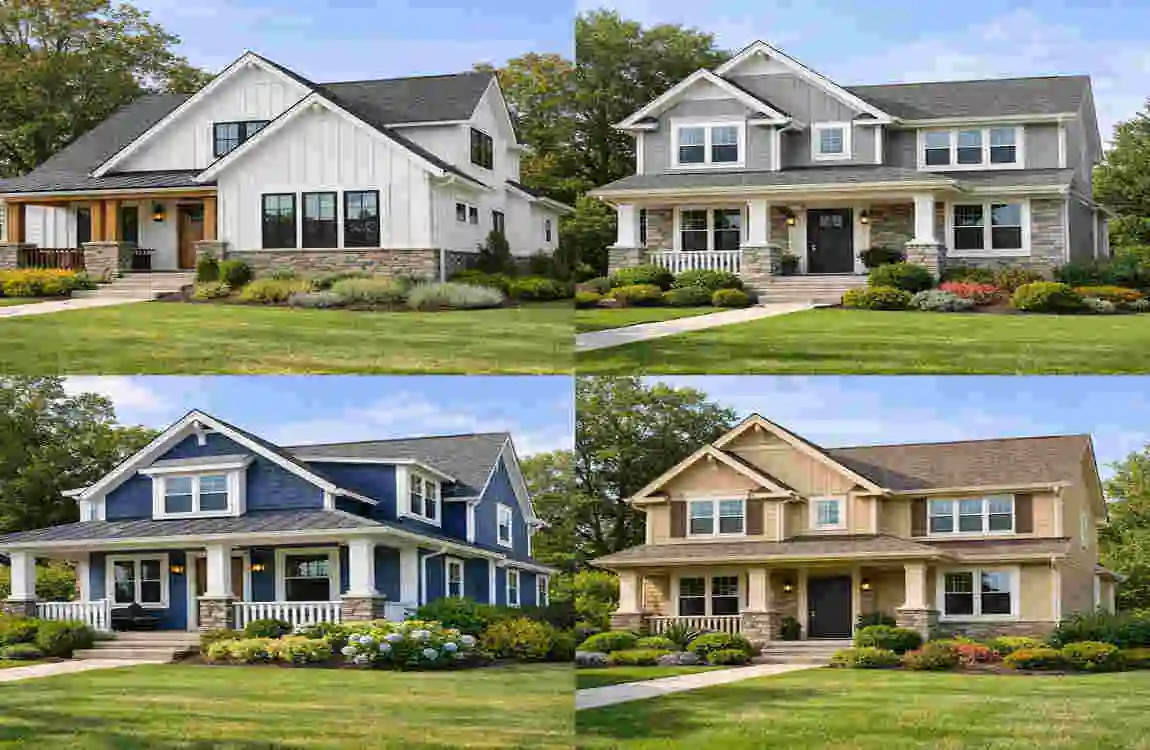
Have you ever walked past a bright, sunshine-yellow house and instantly felt a little more cheerful? Or perhaps you have driven past a deep, dark mansion and felt a sense of mystery or elegance? That is the undeniable psychology of color at work. The shades you choose for your home subtly communicate feelings and moods to everyone who sees them.
For example, blue tones are universally known to evoke feelings of calm, peace, and serenity. Whites create an illusion of spaciousness, cleanliness, and fresh beginnings. Earth tones, on the other hand, make a property feel grounded, stable, and deeply welcoming. When you choose a color, you are choosing your home’s personality.
However, picking a color is not just about your personal favorite shade. You have to consider several practical factors. You must consider your local climate, your home’s architectural style (because modern homes wear color differently than traditional ones), and your ultimate resale value.
The 2026 design trends are heavily focused on sustainability and bringing the outside in. We are seeing a massive shift toward warm neutrals and soft greens amid a growing eco-focus in home design. People want their homes to look like a natural extension of the landscape.
To help you visualize how different color families impact both the mood of your home and its potential market value, take a look at this handy breakdown:
Color Family Mood Effect Resale Boost
Neutrals Timeless, Safe, Clean + 5% to 7%
Earth Tones Welcoming, Grounded, Cozy + 4% to 6%
Bold Accents Modern, Edgy, Confident + 3% to 5%
Matching Your Home Architecture
You cannot simply pick a color from a magazine and slap it on any house. Your home’s architecture dictates what colors will look best. You need to work with the bones of your house, not against them.
If you have a sleek, contemporary home with sharp lines and flat roofs, you will want to lean toward modern shades. A smooth greige or a stark charcoal gray perfectly highlights the minimalist geometry of modern architecture.
On the flip side, if you own a classic Craftsman-style home with intricate woodwork and a large porch, those modern grays might look completely out of place. Instead, a warm sage green or a rich earth tone will beautifully highlight the natural wood beams and stone accents typical of that style.
You also need to consider your region. Let’s take specific regional tips for places like Lahore, Pakistan, or other sun-drenched regions. In these areas, the summer heat is intense and unrelenting. If you live in a climate like this, you should absolutely prioritize light colors like whites, creams, and soft beiges. These lighter shades reflect the sun’s harsh rays rather than absorbing them. This smart choice naturally keeps your interior spaces cooler, ultimately saving you a significant amount of money on your air conditioning bills!
Climate and Paint Durability
Speaking of the weather, your local climate plays a major role in determining which colour is best for the exterior of the house. Paint is your home’s first line of defense against Mother Nature, so you need to choose wisely.
If you live in a notoriously hot climate, dark colors are generally a bad idea. Dark blues, blacks, and deep grays absorb massive amounts of solar heat. Not only does this heat your house, but the intense heat causes dark paint to blister, peel, and fade much faster than lighter shades. You will find yourself repainting years sooner than you planned.
This is where you need to look for paints with high UV resistance. Think of UV-resistant paint as a heavy-duty sunblock for your house. It prevents the color from bleaching out and turning chalky over time.
Additionally, think about the maintenance. Light colors reflect heat, but bright whites show dirt, dust, and mud splatters very easily. If you live in a dusty area or one with heavy rainfall that splashes mud against your foundation, you should consider a mid-tone neutral that offers a low-maintenance lifestyle while still deflecting the worst of the sun’s heat.
Achieving Neighborhood Harmony
We all want our homes to look unique, but there is a very fine line between standing out and sticking out like a sore thumb. Neighborhood harmony is a crucial factor to consider when planning your curb appeal project.
Take a walk down your street and really look at your neighbors’ houses. What is the general color palette? If every house on your block is painted in soft earth tones and muted pastels, painting your home a shocking neon blue might make you the talk of the town—and not in a good way! You want your home to complement the surrounding properties, creating a cohesive and pleasant street view.
Furthermore, you might not even have complete freedom over your color choices. If you live in a community governed by a Homeowner Association (HOA), you must check its guidelines before you buy a single drop of paint. Most HOAs have a strict list of pre-approved colors, and breaking their rules can result in hefty fines and a mandate to repaint your house at your own expense.
Imagine the before-and-after of a well-planned home. Before: A tired, peeling yellow house that clashes with the elegant brick homes next door. After: A sophisticated, soft taupe house that beautifully bridges the gap between the neighboring properties, elevating the look of the entire street. That is the power of neighborhood harmony.
The Top 8 Best Exterior House Colors
Now that we have covered the essential rules of exterior painting, let’s dive into the fun part! If you are still asking yourself, “Which colour is best for the exterior of the house?”, look no further. Here is our expertly curated list of the top 8 shades dominating the market in 2026.
Timeless Greige
Let’s kick things off with the absolute champion of modern home design: Greige. A brilliant blend of gray and beige, greige offers the best of both worlds. It provides the cool, sleek sophistication of gray while maintaining the warm, welcoming undertones of beige.
Why is it the best? Because it is incredibly versatile. It works as a brilliant neutral backdrop, allowing your landscaping and architectural details to truly shine.
- Best Combinations: Greige looks absolutely stunning when paired with crisp white trim, making the architectural lines pop. Add classic black shutters for a high-end, custom look.
- Pros: It is fantastic at hiding everyday dirt and dust. It also miraculously suits almost all architectural styles, from modern farmhouses to traditional colonials.
- Cons: If you don’t use contrasting trim, a greige house can sometimes feel a little flat or bland.
Warm Sage Green
If you want your home to feel like a peaceful retreat, Warm Sage Green is your ultimate choice. This color has skyrocketed to the top of the 2026 trends because it perfectly captures the modern desire for eco-friendly, nature-inspired vibes.
Sage green is earthy, muted, and incredibly calming. It makes a house look as if it naturally sprouted from the earth, blending beautifully with front-yard gardens, large trees, and lush lawns.
- Best Combinations: Pair sage green with creamy beige accents and warm wood tones (like a natural mahogany front door) for a truly organic look.
- Ideal For: This shade is ideal for suburban homes, especially Craftsman styles, bungalows, and cottages, where blending with nature is the main goal.
- Pros: It feels fresh and inviting without being overly loud or aggressive.
- Cons: Finding the exact right undertone can be tricky; too much yellow can make it look sickly.
Crisp White
You cannot go wrong with a classic. Crisp White remains one of the most highly sought-after exterior house paint colors year after year. It provides an undeniably clean, sharp, and traditional look that instantly refreshes an older home.
One of the biggest advantages of crisp white is its ability to reflect light. This makes your house appear physically larger and more imposing from the street. It also provides the perfect blank canvas, allowing you to have fun with your doors and shutters.
- Best Combinations: A crisp white house with a bold, glossy navy blue front door and matching navy shutters is a timeless, nautical-inspired look that screams elegance.
- Best For: White is the absolute go-to for traditional Colonial styles, Cape Cod homes, and modern farmhouse designs.
- Pros: High resale value and excellent at keeping the house cool in summer.
- Cons: It shows dirt, mildew, and mud splashes faster than any other color.
Soft Beige or Taupe
If you want a house that radiates warmth and hospitality, consider Soft Beige or Taupe. While some might dismiss beige as boring, 2026 is seeing a massive resurgence of these rich, earthy neutrals.
Soft beige provides an earthy warmth that instantly makes a house feel like a home. It is safe, yes, but it is also deeply comforting. Because it is universally liked, painting your home taupe or beige is one of the smartest moves you can make if you plan to sell your home in the near future. It boasts an incredibly high resale value.
- Best Combinations: Soft taupe siding looks incredibly sophisticated when paired with a dark charcoal gray roof and crisp white window trims.
- Best For: Traditional homes, split-levels, and homes with brick or stone foundations.
- Pros: Highly appealing to potential home buyers and hides dust beautifully.
- Cons: Can easily look dated if paired with the wrong accent colors (avoid pairing it with browns).
Charcoal Gray
For those who want to make a bold, confident statement, Charcoal Gray is the ultimate choice. This deep, moody hue brings a sleek, urban edge to any property. It completely transforms a standard, boring house into a modern architectural masterpiece.
Charcoal gray is commanding and sophisticated. It absorbs the light, making the home feel solid, anchored, and incredibly striking against a bright blue sky or green grass.
- Best Combinations: To prevent charcoal gray from feeling too heavy or gloomy, you must pair it with warm wooden accents. Think natural cedar pillars, a stained wood front door, and bright, metallic modern house numbers.
- Best For: Contemporary homes, mid-century modern revivals, and modern farmhouses.
- Pros: Creates a highly dramatic, expensive-looking facade.
- Cons: As a dark color, it absorbs solar heat, making it less ideal for scorching hot climates. It is also prone to fading if not painted with high-quality, UV-resistant paint.
Muted Blue
Bring the calming essence of the ocean right to your front door with a beautiful Muted Blue. We are not talking about bright primary blue or loud baby blue. We are talking about soft, dusty blues with gray undertones.
Muted blue offers a serene coastal feel that instantly relaxes anyone who walks up your driveway. It is colorful enough to show personality, yet muted enough to function almost like a neutral.
- Best Combinations: Muted blue sings when paired with bright white trim. For a fun, unexpected pop of personality, paint your front door a soft coral or buttery yellow!
- Best For: Coastal properties, charming cottages, and Victorian homes.
- Pros: Extremely calming and unique without breaking neighborhood harmony.
- Cons: Can look a bit cold or chilly if you live in an area with long, dreary, gray winters.
Terracotta Red
Do you want your home to radiate warmth, energy, and passion? Enter Terracotta Red. This is not a bright fire-engine red; rather, it is a baked, earthy, clay-inspired red that screams character.
Terracotta red instantly gives your home a bold Mediterranean or Spanish revival vibe. It is rich, rustic, and incredibly inviting.
- Best Combinations: This color looks phenomenal alongside dark brown woodwork, wrought-iron light fixtures, and lush, green, tropical landscaping.
- Best For: Stucco homes, Spanish-style architecture, and homes in sunny, arid regions like the Punjab province, Arizona, or Southern California.
- Pros: Highly unique and embraces the natural colors of the earth and sun.
- Cons: It is a very specific look that might deter traditional home buyers, potentially affecting your quick resale value.
Universal Khaki
Rounding out our list is the reliable, beautiful Universal Khaki. Major paint brands like Sherwin-Williams have highlighted this as a massive favorite for 2026.
Why is it so popular? Because it is the ultimate balanced neutral. Khaki is slightly darker and greener than beige, giving it a rich depth that changes beautifully as the sun moves across the sky throughout the day. It bridges the gap between classic traditionalism and modern earthiness.
- Best Combinations: Universal khaki looks incredibly sharp when accented with glossy black shutters and surrounded by manicured greenery and landscaping.
- Best For: Traditional homes, suburban estates, and homes sitting on large, wooded lots.
- Pros: Extremely low maintenance when it comes to showing dirt, and highly favored by HOAs.
- Cons: It is a safe choice, so it won’t necessarily make your house the “statement piece” of the neighborhood.
Comparison Table: The Top 8 At A Glance
RankColorBest ForDurabilityCurb Appeal Score (1-10)
Greige Modern & Traditional High 9.5
Sage Green Eco-friendly/Craftsman Medium 9.0
Crisp White Colonial/Farmhouse Low (Shows dirt) 9.2
Soft Beige High Resale Value High 8.8
Charcoal Gray Urban & Contemporary Medium (Fading risk) 9.3
Muted Blue Coastal & Cottages High 8.5
Terracotta Red Mediterranean/Sunny High 8.0
Universal Khaki Forested Lots/HOAs High 8.5
Winning Color Combinations & Pro Tips
Choosing the main body color of your house is only half the battle. The real magic of curb appeal happens when you nail your color combinations. The right accents will make your primary color sing.
Here are 5 winning pairings you can steal for your own home:
- Greige Body + Crisp White Trim + Black Door: The ultimate modern classic.
- Sage Green Body + Cream Trim + Natural Wood Door: Perfect for a cozy, rustic vibe.
- Charcoal Gray Body + Light Gray Trim + Mustard Yellow Door: Edgy, modern, and fun.
- Crisp White Body + Navy Shutters + Red Brick Steps: A traditional, patriotic masterpiece.
- Muted Blue Body + White Trim + Coral Door: A breezy, coastal dream.
Before you buy a single brush, you must visualize the final product. Utilize the free digital paint visualizer tools available on the websites of major paint brands like Behr or Sherwin-Williams. You upload a photo of your house and digitally “paint” it to see how the combinations look in real life!
How to Choose & Apply Your Exterior Paint
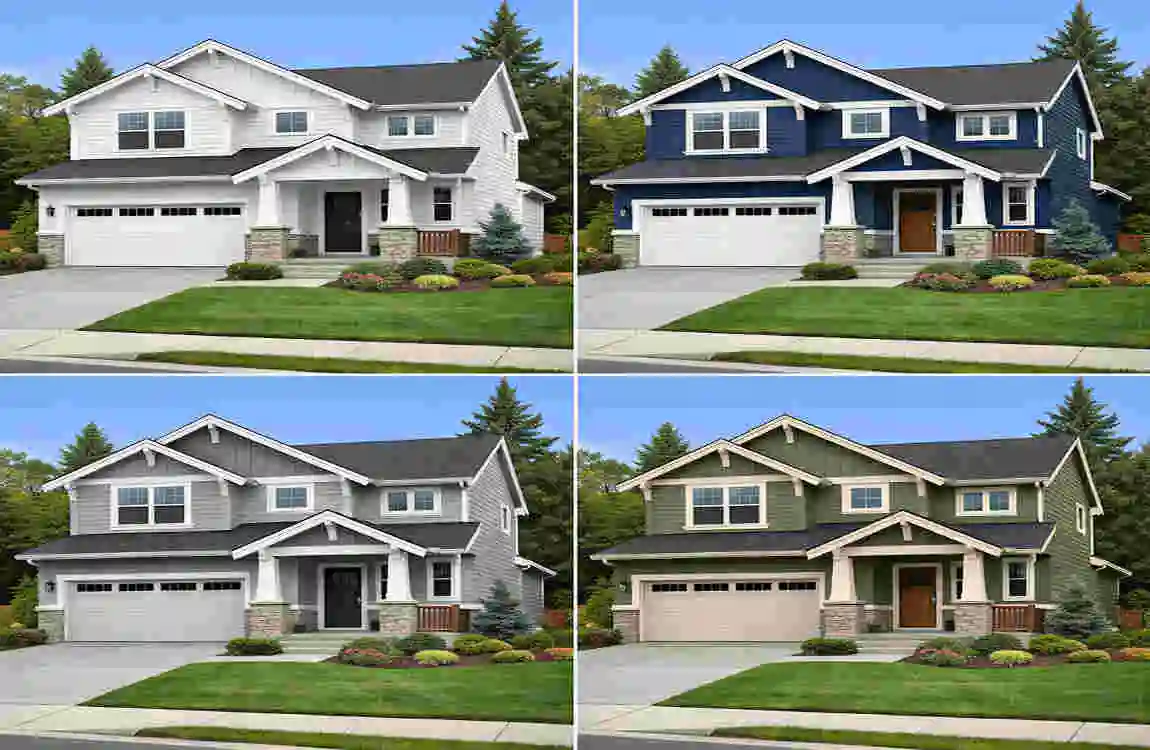
You have your colors picked out. Now, how do you bring this vision to life? Follow this step-by-step guide to ensure flawless execution.
Test Your Samples. You should never buy gallons of paint based on a tiny paper swatch. Go to the store, buy sample quarts of your top three choices, and paint large squares directly onto your house’s exterior siding. Look at these squares in the morning light, the harsh afternoon sun, and the evening shadows. You will be amazed at how much the color changes throughout the day.
Hire the Pros (or Prep Like One). While painting a house is a possible DIY project, hiring professionals is usually worth the investment for a flawless, long-lasting finish. A professional crew knows how to scrape, sand, caulk, and prime your home perfectly. If you do it yourself, remember that 80% of a good paint job is in the prep work.
Understand the Costs. Be prepared for the financial investment. For an average-sized house, a professional exterior paint job will cost anywhere between $3,000 and $10,000, depending on your location, the size of your home, and the quality of paint you choose.
Commit to Maintenance. Once your house is beautifully painted, you need to maintain it. Plan to gently power wash your home’s exterior once a year to remove dirt, pollen, and spider webs. This simple step can add years to your paint job’s lifespan.
Frequently Asked Questions FAQs
Still have a few lingering questions? We have you covered with answers to the most common homeowner queries.
Which colour is best for the exterior of a house in a hot climate? Light colors are absolutely your best bet. Whites, creams, light greiges, and soft pastels reflect the sun’s UV rays and heat. This prevents the paint from fading quickly and actually helps keep the inside of your home cooler, saving you money on air conditioning.
What is the most popular exterior house color for 2026? Warm, earthy neutrals are dominating 2026. Greige (a blend of gray and beige) and Warm Sage Green are currently the top two most-requested colors among homeowners and exterior designers.
Does exterior paint color really affect my resale value? Yes, significantly! Studies show that homes painted in appealing, universally liked colors (like greige or soft taupe) can sell for up to 7% more than homes with outdated or highly polarizing exterior colors.
Should my front door perfectly match my window trim? No, it does not have to! In fact, your front door is the perfect opportunity to create a focal point. While your trim should frame the house (often in white or a contrasting neutral), your door can be a fun pop of color like red, yellow, or navy blue.
How often should I realistically repaint my house exterior? This depends heavily on your climate and the siding material. However, a general rule of thumb is that wood siding needs repainting every 3 to 7 years. In comparison, stucco or aluminum siding can last 5 to 10 years before needing a fresh coat.