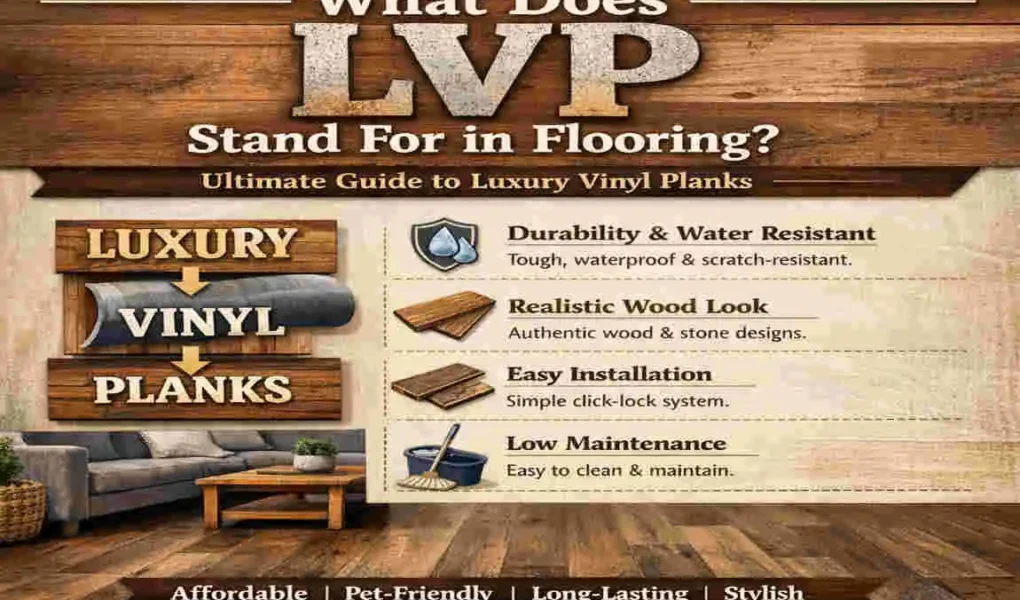
The world of home renovation is full of acronyms that can make your head spin. But there is one specific term that has been taking the interior design world by storm, popping up in conversations from contractor meetings to dinner parties. That term is LVP.
But that is just the surface. LVP is currently one of the fastest-growing flooring categories worldwide. In fact, recent market data suggests that the popularity of this material has surged by over 8% in the last year alone. Why? because it promises the holy grail of home design: the rich, warm look of hardwood without the high maintenance or fear of water damage.
What Does LVP Stand for in Flooring? Breaking Down the Acronym
Let’s start with the basics and clear up the mystery immediately.
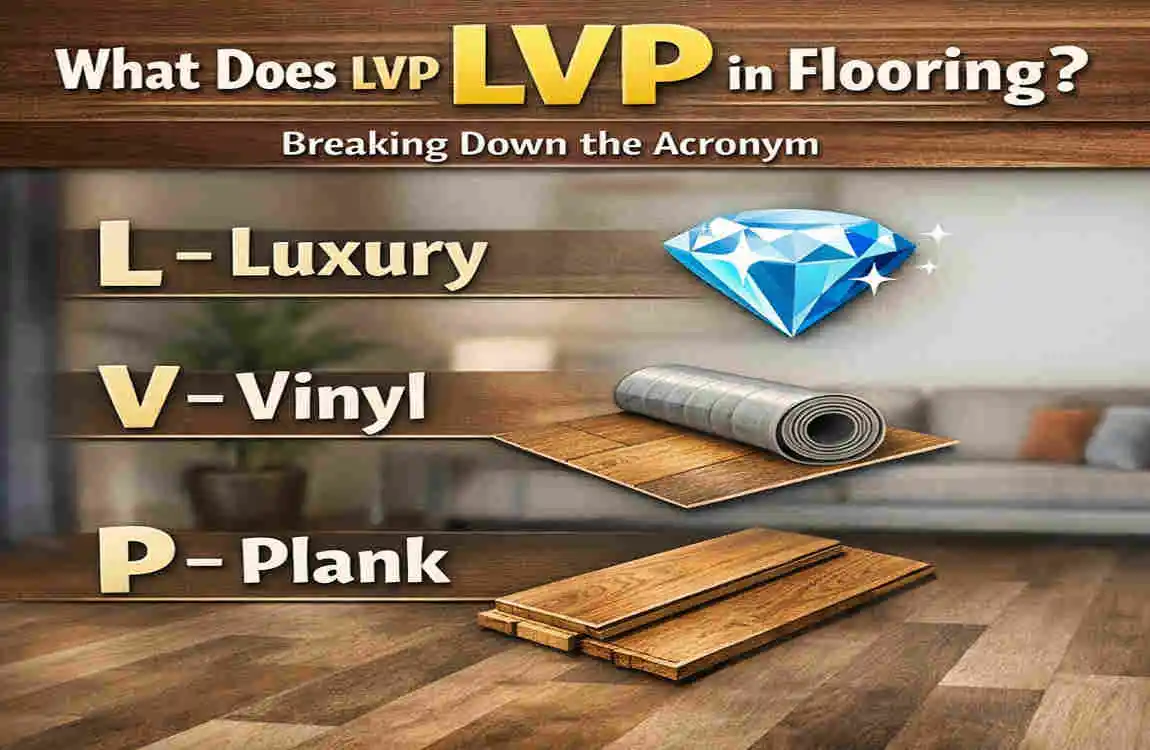
LVP = Luxury Vinyl Plank.
It sounds fancy, doesn’t it? But what do those three words actually mean when put together? To understand this flooring, we need to break it down word by word.
The “Vinyl” Component
At its heart, this flooring is made of vinyl (PVC). Now, before you recoil and think of the cheap, peeling sheet vinyl from your grandmother’s kitchen in the 1980s, you need to know that technology has changed. Modern vinyl is a robust, engineered synthetic material designed to handle heavy foot traffic and resist moisture.
The “Plank” Format
This is where the design magic happens. Unlike old-school vinyl that came in big, clumsy rolls, LVP comes in individual planks. These are cut to resemble real hardwood boards. They are usually 36 to 48 inches long and roughly 6 to 9 inches wide. Because they are installed plank-by-plank, they mimic the natural variation and layout of a genuine timber floor.
The “Luxury” Factor
This is the marketing term, but it is earned. The “Luxury” part refers to the high-fidelity visuals and the multi-layer construction. We aren’t just printing a brown stripe on plastic here. High-end LVP uses 3D printing technology to replicate the grain, knots, and texture of wood species like oak, hickory, and maple.
The Anatomy of a Plank
To really answer “what does LVP stand for in flooring,” you have to look inside the plank. It isn’t just one piece of plastic; it is a sandwich of high-tech layers:
- The Wear Layer: This is the invisible bodyguard on top. It is a clear coating that protects the floor from scratches, scuffs, and stains.
- The Image Layer: This is the photograph. Manufacturers use high-definition photography of real wood to create the visual layer.
- The Core: The backbone. It is a rigid, waterproof center that gives the plank its stability.
- The Attached Underlayment: Many modern LVP options come with a cork or foam backing already attached for sound absorption and comfort.
Common Confusion: LVP vs. LVT You might also hear the term LVT (Luxury Vinyl Tile). They are the same technology. The only difference is the shape. LVP is cut into long planks to resemble wood, while LVT is cut into squares or rectangles to resemble stone or ceramic tile.
Why Choose LVP Flooring? Key Benefits and Features
Now that we know what it is, the next logical question is: Why is everyone buying it?
Homeowners are swapping out carpet, laminate, and even real wood for LVP. Here is a detailed look at why this material is winning the flooring war.
Durability and Water Resistance
This is the number one selling point. LVP is 100% waterproof.
Unlike laminate (which swells when wet) or hardwood (which warps), LVP can handle water without flinching. You can install it in:
- Bathrooms: Create a spa-like wood look right up to the tub.
- Basements: Perfect for areas prone to moisture or humidity.
- Kitchens: Spilled milk or a leaky dishwasher won’t ruin your floor.
In addition to being waterproof, the wear layer makes it incredibly tough. This layer is measured in “mils” (not millimeters). A standard residential floor might have a 12-mil wear layer, while a commercial-grade floor might have a 20-mil or 22-mil wear layer. This means it resists your dog’s claws, toy cars driven by your toddler, and the scraping of dining chairs.
Aesthetic Appeal
Gone are the days of fake-looking plastic floors. The visuals on modern LVP are stunning. Manufacturers use embossed-in-register (EIR) technology. This means if you see a knot in the wood grain image, you can actually feel the indentation of that knot with your hand.
Whether you want a rustic, hand-scraped barn wood look or a sleek, modern gray wash, there are thousands of styles available.
Affordability and Easy Maintenance
Let’s talk money. Hardwood flooring is an investment, costing anywhere from $8 to $15 per square foot (or more). LVP usually costs between $2 and $7 per square foot.
Maintenance is also a breeze. You don’t need to wax, sand, or refinish it.
- Daily: A quick sweep or vacuum.
- Weekly: A damp mop with a pH-neutral cleaner.
That’s it. It frees up your weekends for things you actually enjoy, rather than polishing floors.
Comfort and Health
Have you ever stood on ceramic tile for an hour cooking dinner? Your back and knees feel it. Tile is hard and cold. LVP is softer and warmer underfoot. The vinyl material retains heat better than stone, making it much more pleasant to walk on barefoot in the morning.
For allergy sufferers, LVP is a great choice. It doesn’t trap dust, pollen, or pet dander the way carpet does. Plus, most reputable brands are FloorScore Certified, meaning they have low VOC (Volatile Organic Compound) levels and are safe for your indoor air quality.
LVP Flooring Types and Styles
When you go shopping for LVP, you’ll encounter a few more acronyms. Don’t worry; they are easy to understand once you know the code. The biggest difference usually lies in the plank’s core.
Rigid Core (The New Standard)
Most modern LVP is “Rigid Core.” This means the plank doesn’t flop around; it is stiff. There are two main types of rigid cores:
WPC (Wood Plastic Composite)
Think of WPC as the “comfortable” option. The core is made with wood pulp and plastic foaming agents. It is slightly softer, quieter, and warmer. It feels the most like real wood underfoot. However, because it is softer, it can dent if you drop something very heavy on it.
SPC (Stone Plastic Composite)
Think of SPC as the “tough” option. The core is made of limestone powder and plastic. It is incredibly dense and virtually indestructible. It is thinner than WPC but much more dent-resistant. This is the top choice for commercial spaces or busy homes with big dogs.
Flexible vs. Glue-Down
- Floating/Click-Lock: These planks snap together and “float” over your subfloor. This is the most common type for homeowners.
- Glue-Down: These are flexible planks that must be glued directly to the subfloor. This is usually reserved for high-traffic commercial areas or for places with rolling loads (such as wheelbarrows or hospital beds).
Comparison of LVP Types
To help you decide, here is a quick breakdown:
Type Best For Thickness Price Range
WPC (Wood Core) Living rooms, bedrooms (Comfort) 5mm – 8mm $3.50 – $6.00 / sq ft
SPC (Stone Core) Kitchens, hallways, commercial (Durability) 4mm – 6mm $2.50 – $5.00 / sq ft
Traditional Glue-Down Budget projects, very large rooms 2mm – 4mm $1.00 – $3.00 / sq ft
LVP vs. Other Flooring: Head-to-Head Comparison
You might still be on the fence. How does LVP actually stack up against the other big contenders? Let’s put them in the ring together.
LVP vs. Laminate
For years, laminate was the king of wood alternatives. But LVP has largely dethroned it.
- The Difference: Laminate has a core made of fiberboard (essentially compressed sawdust). LVP has a vinyl core.
- The Verdict: If you spill water on laminate and don’t wipe it up fast, it absorbs the water, swells, and bubbles. You cannot fix that; you have to replace it. LVP wins this battle easily because it is waterproof. Laminate is slightly cheaper, but the risk of water damage makes LVP a better long-term value.
LVP vs. Hardwood
This is the classic battle of “Real vs. Replica.”
- The Difference: Hardwood is natural timber. It adds resale value to a home and is undeniable luxury. LVP is synthetic.
- The Verdict: Hardwood scratches easily and hates water. It requires humidity control in your home. LVP is “life-proof.” If you have three dogs and two kids, LVP will look new in 5 years, while hardwood will look distressed. However, hardwood can be refinished; LVP cannot.
LVP vs. Tile (Ceramic/Porcelain)
- The Difference: Tile is fired clay. It is hard, cold, and brittle.
- The Verdict: Both are waterproof. However, tile is much harder to install (requires mortar and grout) and can crack if you drop a heavy pot. LVP is easier to install, warmer, and doesn’t require scrubbing grout lines.
Quick Comparison Chart
Flooring Type Water-Resistant? DIY Friendly? Maintenance Lifespan
LVP Yes (100%) High Low 15-25 Years
Laminate No (mostly) High Medium 10-15 Years
Hardwood No Low High 50+ Years
Tile Yes Low Medium 50+ Years
How to install LVP Flooring: Step-by-Step Guide
One of the biggest reasons homeowners love LVP is that it is very DIY-friendly. You do not need power saws (though they help) or messy glue. Most LVP uses a click-lock system, similar to a puzzle.
Here is a simplified overview of the installation process.
Tools You Will Need
- Utility knife (for scoring and snapping planks)
- Rubber mallet and tapping block
- Spacers (to keep a gap at the wall)
- Measuring tape and pencil
- Jigsaw (optional, for cutting around tricky vents)
The Prep Work (Crucial!)
Before you start, you must acclimate your flooring. Bring the boxes into the room where they will be installed and let them sit for 48 hours. This allows the planks to adjust to the temperature and humidity in your home, preventing later shrinkage or expansion.
Also, check your subfloor. It doesn’t have to be perfect, but it must be flat. If you have big dips in your concrete or plywood, the planks will flex and eventually break the locking mechanism.
The Installation Steps
- Lay the Underlayment: If your planks don’t have attached padding, roll out a vapor barrier or underlayment first.
- Start in a Corner: Place your first plank in the left corner of the room. Use spacers to leave a 1/4-inch gap between the plank and the wall (floors expand and contract with the weather, so they need room to breathe).
- Click and Lock: Take the second plank, angle it into the short end of the first plank, and fold it down until it clicks.
- Stagger the Seams: When you start the second row, cut the first plank so that the seams don’t line up with the row before it. This makes the floor stronger and look more natural.
- Cut to Fit: When you reach the end of a row, measure the gap. Score the plank with your utility knife and snap it. It’s that easy.
- The Finish Line: Once the floor is down, remove the spacers and install baseboards or quarter-round molding to cover the expansion gap.
DIY vs. Pro? If you have a square room, you can absolutely do this yourself in a weekend and save 50% of the cost. However, if you have a lot of weird angles, stairs, or an uneven subfloor that needs leveling, hiring a professional might be worth the investment to ensure it lasts.
Cost Breakdown: How Much Does LVP Flooring Cost?
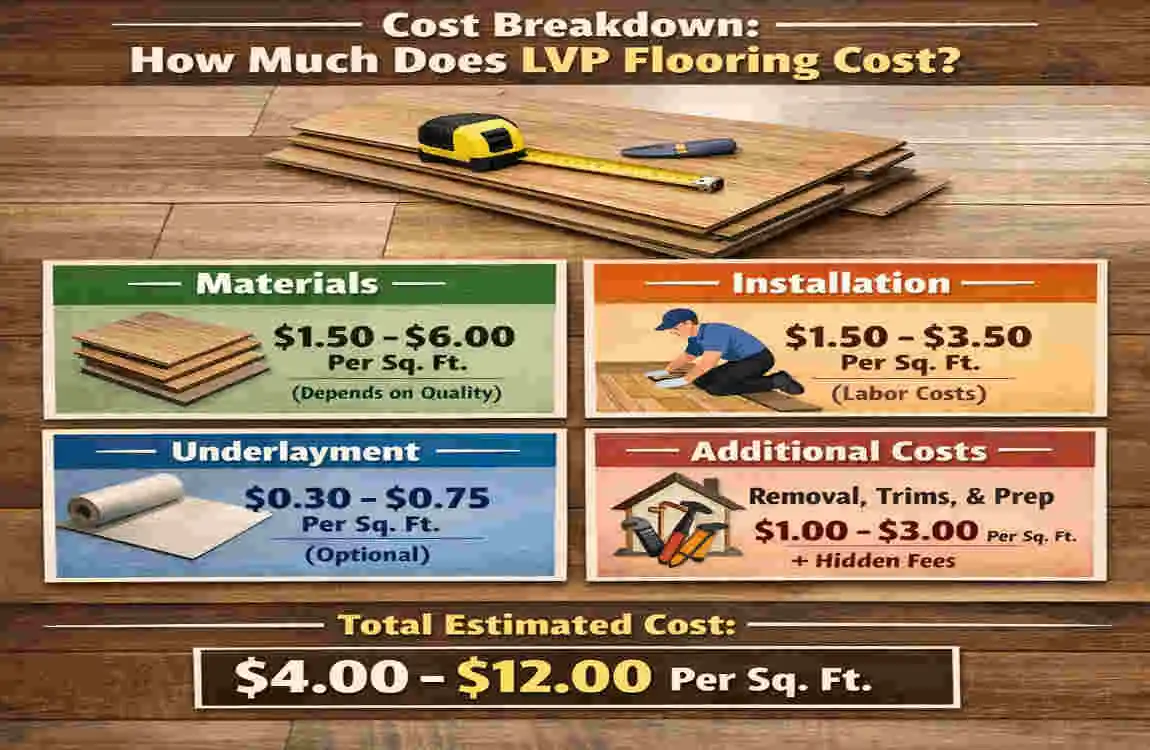
Budget is often the deciding factor in any renovation. So, let’s break down the real costs of installing Luxury Vinyl Planks.
Material Costs
As mentioned earlier, the price of the planks themselves varies based on thickness and quality:
- Budget LVP: $1.50-$2.50 per sq ft (Thinner wear layer, fewer patterns).
- Mid-Range LVP: $3.00-$5.00 per sq ft (Better wear layer, usually an SPC core).
- High-End LVP: $5.50-$8.00+ per sq ft (Premium visuals, thickest wear layer, WPC core).
Installation Labor
If you choose to hire a pro, expect to pay between $1.50 and $3.00 per square foot for labor. This can vary depending on where you live. For example, labor rates in major metropolitan cities will be higher than in rural areas.
If you have existing carpet or tile that needs to be ripped up, contractors will charge extra for demolition and disposal, usually around $0.50 to $1.00 per sq ft.
The Total Project Cost
Let’s say you want to re-floor a 500-square-foot living room with a nice mid-range SPC product ($4/sq ft).
- Materials: $2,000
- Supplies (Transitions, molding): $200
- Labor (Optional): $1,000
- Total DIY Cost: ~$2,200
- Total Pro Cost: ~$3,200
Top LVP Brands and Where to Buy in 2026
Not all vinyl is created equal. Because the market is booming, hundreds of cheap knockoff brands are flooding the market. To ensure you get a floor that lasts, stick to reputable manufacturers.
Here are a few of the industry leaders known for quality and innovation:
COREtec (by Shaw)
COREtec is widely considered the pioneer of waterproof rigid core flooring. They hold the original WPC patents. Their floors are famous for being incredibly comfortable, stylish, and durable. They are on the pricier side, but you get what you pay for.
LifeProof (Home Depot Exclusive)
If you browse the aisles of Home Depot, you will see LifeProof everywhere. It is a fan favorite for DIYers because it is readily available, affordable, and comes with the underlayment attached. It offers a great balance of price and performance.
Shaw Floors (Floorté Collection)
Shaw is a giant in the flooring industry. Their Floorté collection offers stunning visuals that are almost indistinguishable from real wood. They have excellent warranty coverage and a massive variety of colors.
Mohawk (SolidTech)
Mohawk is another trusted American brand. Their SolidTech line is known for its stain resistance and extreme toughness. They specialize in realistic textures and modern wide-plank designs.
Buying Tip: Always order a sample box before you buy the whole floor. Colors can look drastically different in your home’s lighting than on a computer screen or in a showroom.
Maintenance, Care, and Common Mistakes
You have installed your beautiful new LVP floors. Now, how do you keep them looking brand new for the next 20 years?
The good news is that LVP is low maintenance. The bad news is that you can ruin it if you use the wrong tools.
The Golden Rules of LVP Care
- NO Steam Mops: This is the most common mistake. The intense heat and pressure from a steam mop can push moisture between the seams, damaging the adhesive or the core. Stick to traditional mops.
- Avoid Harsh Chemicals: Do not use ammonia, bleach, or wax-based polishes. These can dull the wear layer over time. A simple mix of water and a drop of dish soap, or a pH-neutral vinyl floor cleaner, is all you need.
- Use Felt Pads: Even though LVP is scratch-resistant, heavy furniture can still cause damage over time. Put felt pads under the legs of your sofas, tables, and chairs.
- Watch the Sun: Direct, intense sunlight over many years can fade almost any flooring. If you have large glass doors, consider using curtains or UV-blocking window film to protect the floor in that specific spot.
If a plank does get damaged—say, you drag a refrigerator across it and gouge it—the beauty of LVP is that you can often unclick the floor back to that spot and replace just the damaged plank.
Frequently Asked Questions (FAQ)
Q: What does LVP stand for in flooring exactly?A: LVP stands for Luxury Vinyl Plank. It is a type of hard-surface flooring designed to mimic the look and texture of real hardwood while offering superior water resistance and durability.
Q: Can LVP flooring get wet?A: Yes! One of the main benefits of LVP is that it is 100% waterproof. It is an excellent choice for wet areas like basements, bathrooms, laundry rooms, and kitchens where real wood would warp.
Q: Is LVP flooring good for dogs and pets?A: Absolutely. LVP is widely considered the best flooring for pet owners. The tough wear layer resists scratches from claws, and the waterproof nature makes cleanup after accidents easy, without leaving odors or stains.
Q: Does LVP flooring need underlayment?A: It depends on the specific product. Many modern rigid core LVP options come with a cork or foam underlayment already attached to the bottom. If yours does not, you will likely need to purchase a separate vapor barrier or underlayment for comfort and sound reduction.
Q: How long does Luxury Vinyl Plank flooring last?A: With proper installation and care, a high-quality LVP floor can last anywhere from 15 to 25 years. Commercial-grade versions can last even longer.
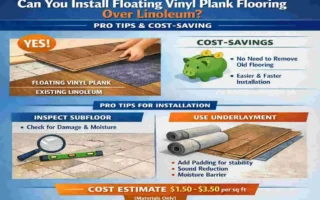
Q: Can I put LVP over my existing tile or hardwood?A: In most cases, yes. LVP can be installed over most existing hard surfaces as long as they are flat, smooth, and dry. You usually cannot install it over carpet or heavily cushioned floors.