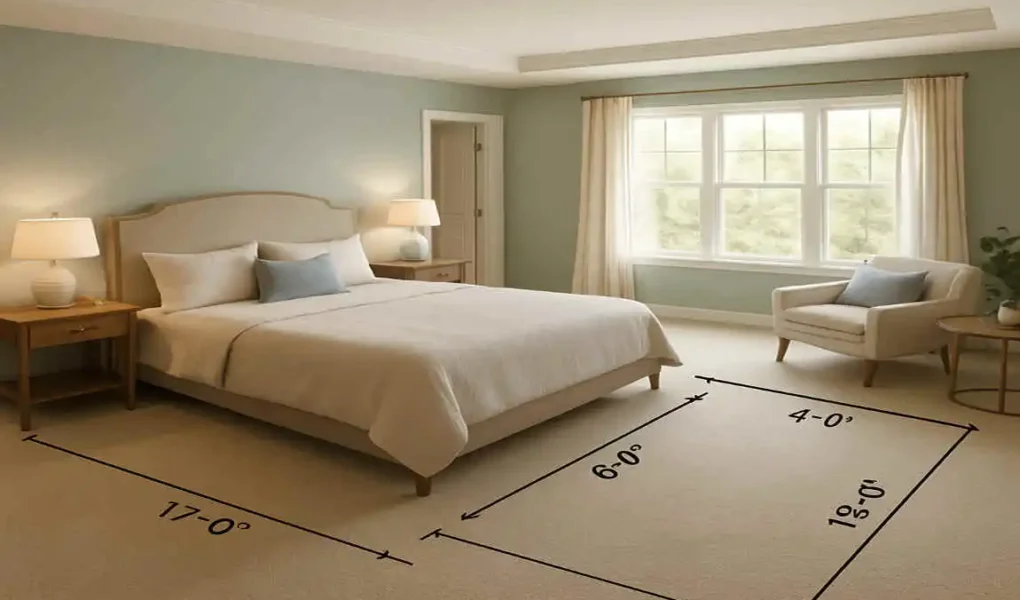
Are you dreaming of a main bedroom that feels like a luxurious retreat? A space where you can unwind, relax, and recharge after a long day? The size of your main bedroom plays a crucial role in creating that perfect sanctuary.
Understanding Master Bedroom Size: Definitions and Standards
Before we dive into the specifics of what constitutes a good size for a main bedroom, let’s first define what a main bedroom is. A main bedroom is typically the largest bedroom in a home, often reserved for the primary residents. It may include an en-suite bathroom, a walk-in closet, or other additional features.
When it comes to size, master bedrooms can vary greatly depending on the type of home. In small houses, a main bedroom might be around 10×12 feet, while in larger homes, it could be 16×20 feet or more. According to the National Association of Home Builders, the average size of a main bedroom in the United States is approximately 14×16 feet, or 224 square feet.
What Is a Good Size for a Main Bedroom?
What is a suitable size for a main bedroom? Industry experts recommend a minimum size of 12×14 feet, or 168 square feet, as a baseline for a comfortable main bedroom. However, the ideal size will depend on your lifestyle needs and the type of house you have.
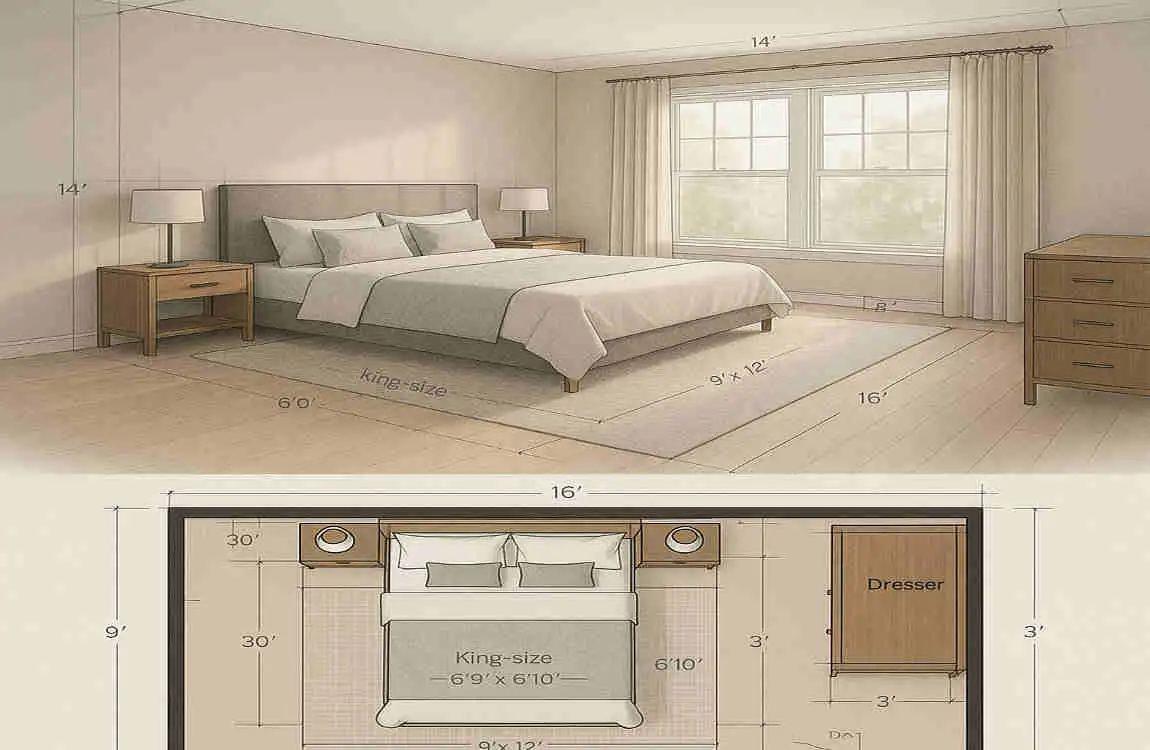
For example, if you want a luxurious main bedroom with space for a king-size bed, a seating area, and a walk-in closet, aim for a size of 14×16 feet or larger. On the other hand, if you have a smaller home and need a comfortable space for sleeping, a 12×12-foot room may be sufficient.
The size of your main bedroom will directly impact its functionality and comfort. A larger room will allow for more furniture and additional features, while a smaller room may require more careful planning to maximize space.
Factors Influencing the Optimal Main Bedroom Size
When determining the optimal size for your main bedroom, there are several factors to consider:
Lifestyle and Daily Use
How do you plan to use your main bedroom? Will it be solely for sleeping, or do you want to create a multi-functional space with a seating area, workspace, or exercise corner? Your daily use of the room will influence the size you need.
Furniture Needs
What type of furniture do you want in your main bedroom? A king-size bed will require more space than a queen-size bed, and you’ll need to factor in space for bedside tables, dressers, and other pieces. If you want a seating area or workspace, you’ll need even more room.
Additional Spaces
Do you want an en-suite bathroom, a walk-in closet, or other additional spaces connected to your main bedroom? These features will require extra square footage and may impact the overall size of your room.
Architectural Constraints and Overall House Size
The size of your main bedroom will also be influenced by the overall size and layout of your home. If you have a smaller house, you may need to work within certain architectural constraints to create a comfortable main bedroom.
Future-Proofing and Resale Value Considerations
When planning the size of your main bedroom, it’s also important to consider future needs and potential resale value. Will you need more space in the future for a growing family or a changing lifestyle? Will a larger master bedroom appeal to potential buyers if you decide to sell your home?
Practical Examples and Size Breakdown
Let’s take a look at some practical examples of main bedroom sizes and how they can be used effectively:
Small Main Bedroom Example
A small main bedroom might be around 12×12 feet, or 144 square feet. In a room of this size, you’ll want to focus on maximizing space and creating a comfortable sleeping area. Consider using a queen-size bed, built-in storage solutions, and a minimalist design to keep the room feeling open and airy.
Medium Main Bedroom Example
A medium-sized main bedroom typically measures around 14 feet by 16 feet, or approximately 224 square feet. In this size room, you’ll have more flexibility to add additional features like a seating area or workspace. Consider using a king-size bed, a dresser or armoire, and a comfortable chair or small sofa to create a cozy retreat.
Large Main Bedroom Example
A large main bedroom, measuring 16 feet by 20 feet or larger, provides ample space to create a luxurious retreat. In this size room, you can include all the features you desire, such as a king-size bed, a seating area, a walk-in closet, and an en-suite bathroom. Consider using a mix of furniture styles and textures to create a warm and inviting space.
Designing Your Main Bedroom Based on Size

Once you’ve determined the optimal size for your main bedroom, it’s time to start planning the layout and design. Here are some tips to help you create a functional and beautiful space:
How to Plan Furniture Layout with Room Dimensions
Start by measuring your room and creating a scale drawing of the space. Then, use furniture templates or cutouts to experiment with different layouts and arrangements. Consider the flow of the room and how you’ll move around the space, and ensure that you leave enough clearance around furniture for easy access.
Importance of Circulation Space and Clearance Around Furniture
Speaking of clearance, it’s essential to leave enough space around furniture to move through the room comfortably. Aim for at least 2-3 feet of clearance around the bed and other large pieces, and ensure that you leave enough space for doors to open and close freely.
Tips to Maximize Small Master Bedroom Spaces
If you have a smaller main bedroom, there are several strategies you can use to maximize the space:
- Use multi-functional furniture, like a storage bed or a dresser with a built-in desk
- Opt for a minimalist design and keep the room clutter-free
- Use light colors and mirrors to create the illusion of more space
- Consider using vertical space with tall bookshelves or hanging storage solutions
Ideas to Enhance Comfort and Aesthetics in Large Master Bedrooms
If you have a larger main bedroom, you have more freedom to create a luxurious and inviting space. Here are some ideas to enhance comfort and aesthetics:
- Use plush bedding and soft textiles to create a cozy atmosphere
- Add a seating area with comfortable chairs or a small sofa
- Incorporate a fireplace or other architectural features for added warmth and charm
- Use a mix of lighting sources, like table lamps, floor lamps, and overhead lighting, to create a warm and inviting ambiance
Master Bedroom Size and Home Value
The size of your main bedroom can also impact the overall value of your home. A larger main bedroom may appeal to potential buyers and increase the property’s appraisal value. However, the impact of the main bedroom size on home value can vary depending on regional preferences and other factors.
In some areas, buyers may prioritize a large main bedroom over other features. In contrast, in different regions, they may place more value on amenities such as a spacious kitchen or outdoor living space. It’s important to consider your local market and work with a real estate professional to determine the best size for your main bedroom.
Common Size Mistakes to Avoid When Designing a Main Bedroom
When designing your main bedroom, there are several common size-related mistakes to avoid:
Over-Sizing Leading to Wasted Space or High Cost
While a larger main bedroom may seem appealing, it’s important to consider the overall cost and whether you’ll actually use the extra space. Oversizing your main bedroom can lead to wasted space and higher construction or renovation costs.
Under-Sizing Causing Cramped and Uncomfortable Space
On the other hand, undersizing your main bedroom can result in a cramped and uncomfortable space. Ensure there is sufficient room for essential furniture and adequate circulation space to avoid feeling cramped or claustrophobic.
Ignoring Future Needs or Additional Room Functions
When planning the size of your main bedroom, it’s essential to consider your future needs and any additional functions you may want to incorporate. For example, if you plan to have children or need a space for a home office, prepare for a larger room or additional features.
Tips for Measuring and Planning Your Main Bedroom
Measuring and planning your main bedroom is an important step in the design process. Here are some tips to help you get started:
Step-by-Step Guide to Measuring Your Space
- Start by measuring the length and width of your room, noting any alcoves, nooks, or other architectural features that may be present.
- Measure the height of your ceilings, as this can impact furniture placement and overall design.
- Note the location and size of any windows, doors, or other openings.
- Create a scale drawing of your room, using graph paper or a digital tool, to help you visualize the space and plan furniture placement.
Tools and Apps That Can Help Visualize Room Dimensions and Furniture Placement
Several tools and apps are available to help you visualize your main bedroom and plan furniture placement. Some popular options include:
- RoomSketcher: A digital tool that allows you to create 2D and 3D floor plans and visualize furniture placement.
- HomeByMe: A free online tool that lets you design and decorate your main bedroom in 3D.
- MagicPlan: A mobile app that uses your phone’s camera to create a floor plan and visualize furniture placement.
Working with Architects and Interior Designers to Optimize Size
If you’re feeling overwhelmed by the process of measuring and planning your main bedroom, consider working with a professional architect or interior designer. They can help you optimize the size and layout of your space, taking into account your lifestyle needs, budget, and personal style.
Incorporating Comfort and Style Regardless of Size
No matter the size of your main bedroom, you can create a comfortable and stylish space with the right design choices. Here are some tips to help you incorporate comfort and style:
Flooring, Lighting, and Color Choices That Complement Room Size
The right flooring, lighting, and color choices can help enhance the perceived size and comfort of your main bedroom. For smaller rooms, consider using light-colored flooring and walls to create a sense of openness. In larger rooms, you can experiment with darker colors and textures to create a cozy and inviting atmosphere.
When it comes to lighting, aim for a mix of natural and artificial sources to create a warm and inviting ambiance. Consider using table lamps, floor lamps, and overhead lighting to create different moods and levels of brightness.
Using Mirrors and Décor to Enhance Perceived Space
Mirrors and décor can also help enhance the perceived size of your main bedroom. Use large mirrors to reflect light and create the illusion of more space. Incorporate decorative items, such as artwork, plants, and textiles, to add personality and warmth to the room.
Importance of Ventilation and Natural Light for Bedroom Comfort
Finally, don’t overlook the importance of ventilation and natural light when designing your main bedroom. Good ventilation can help keep the room feeling fresh and comfortable, while natural light can boost your mood and energy levels. Consider incorporating windows, skylights, or other features to bring in plenty of natural light and fresh air.