Home security is a big concern for many people today. More homeowners are installing alarm systems, cameras, smart locks, and monitoring services to protect their property and family. That makes sense, because security brings peace of mind.
But one common question keeps coming up: Are home security systems tax-deductible?
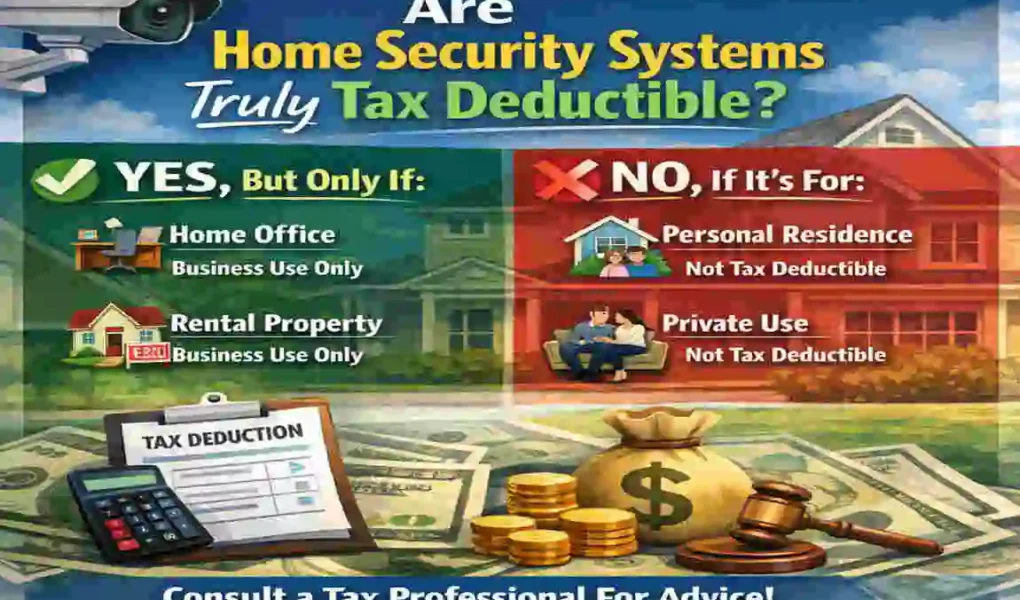
The short answer is: sometimes, but not usually for a personal home. The tax rules depend on how the system is used, whether the property is a primary home, a home office, or a rental, and how the expense is classified by tax law.
Understanding Home security Systems and Their Costs
What Is a Home security System?
A home security system can include many devices and services, such as:
- Alarm systems
- Motion sensors
- CCTV or security cameras
- Smart locks
- Video doorbells
- 24/7 monitoring services
These tools help protect a home from theft, break-ins, fire, and other risks.
Common Costs Involved
Security does not come free. Typical costs may include:
- Installation fees
- Equipment purchases
- Monthly monitoring subscriptions
- Repairs and upgrades
- Cloud storage for video recordings
Why Homeowners Invest in security
People install security systems for simple reasons:
- To prevent theft
- To detect fire or emergencies
- To monitor the property when away
- To qualify for possible insurance discounts
Are Home security Systems Tax Deductible for Personal Homes?
General IRS Rule for Personal Expenses
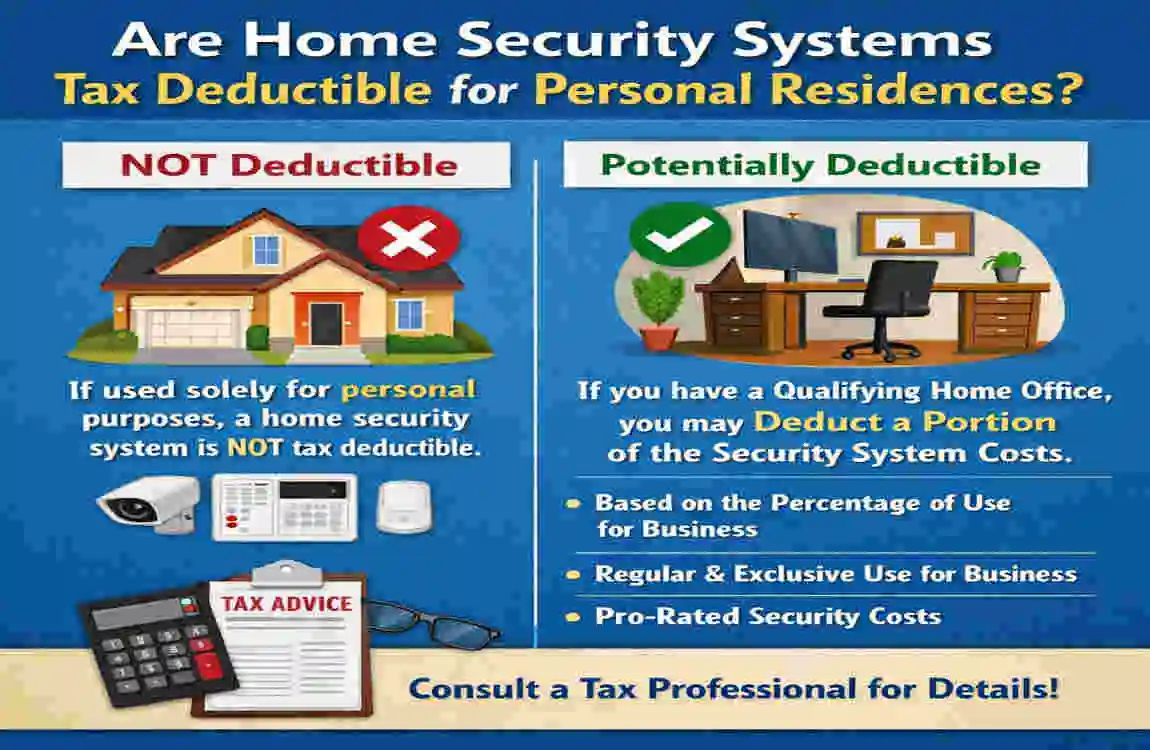
In most cases, personal home expenses are not tax-deductible. A security system installed for your own safety at your primary residence is usually considered a personal, not a business, expense.
That means if you buy a camera system to protect your family home, the cost is generally not deductible.
When They Are Usually Not Deductible
Home security systems are usually not deductible when they are used for:
- A primary residence
- Personal safety
- General household protection
- Standard homeowner installations
So,,,, if you are asking whetherwhether home security systems are tax-deductibleare for a typical family home, the answer is usually no.
Difference Between a Deduction and a Tax Credit
Many people confuse these two terms:
- A tax deduction lowers the amount of income that gets taxed.
- A tax credit directly lowers the tax you owe.
A home security system usually does not create either one for a personal home. That is why the rules can feel confusing.
When Can Home security Systems Be Tax Deductible?
Home Office Business Use
If you use part of your home exclusively and regularly for business, some security costs may be deductible. This is more likely when the security system protects:
- Business equipment
- Confidential documents
- Inventory
- A dedicated home office area
Self-Employed Professionals
This may apply to people such as:
- Consultants
- Freelancers
- Remote business owners
- Accountants
- Online store owners
If your home security system protects your business space, part of the cost may qualify for the credit.
Partial Deduction Based on Business Percentage
You may only deduct the business-use portion.
For example, if 20% of your home is used for business, then 20% of eligible security expenses may be deductible.
Important Documentation Needed
Keep clear records, including:
- Installation invoices
- Monthly service bills
- Service agreements
- Proof of business use
- Photos or layout of the business area
Without records, it becomes much harder to support your claim.
Are Home security Systems Tax Deductible for Rental Properties?
Landlords and Rental security Expenses
For rental properties, the answer is often yes. Security systems installed for tenant safety or property protection may be treated as rental expenses.
Deductible security Features
Common rental-related security costs may include:
- Exterior cameras
- Alarm systems
- Access control systems
- Security lighting
- Tenant safety upgrades
Capital Improvement vs. Expense
This part matters a lot.
- A repair is usually deductible in the year it occurs.
- A major improvement may need to be depreciated over time.
For example, replacing a broken camera may be a repair. Installing a comprehensive security system for a rental property may qualify as a capital improvement.
Tax Deduction Rules for Home-Based Businesses
Exclusive Use Requirement
To claim home office deductions, the business space usually must be used only for business. A room that doubles as a guest room may not qualify.
Security Systems for Equipment Protection
A security system may be more likely to qualify if it protects:
- Computers
- Inventory
- Customer files
- Business records
Shared Household security
If the same system protects both your personal home and your business area, the full cost usually cannot be claimed.
Percentage Allocation Methods
Common ways to split the cost include:
- Square footage method
- Actual expense method
Here is a simple comparison:
SituationDeduction Likely?Notes
Primary home, personal use only. No, usually a personal expense
Home office used exclusively for business. Possibly, a partial deduction may apply
Rental property security system. Often, yes. May be deductible or depreciated
Smart camera for personal use. Usually not deductible
Monitoring for business space. Possibly depends on usage and records
Are Smart Home security Devices Tax Deductible?
Smart security Equipment Examples
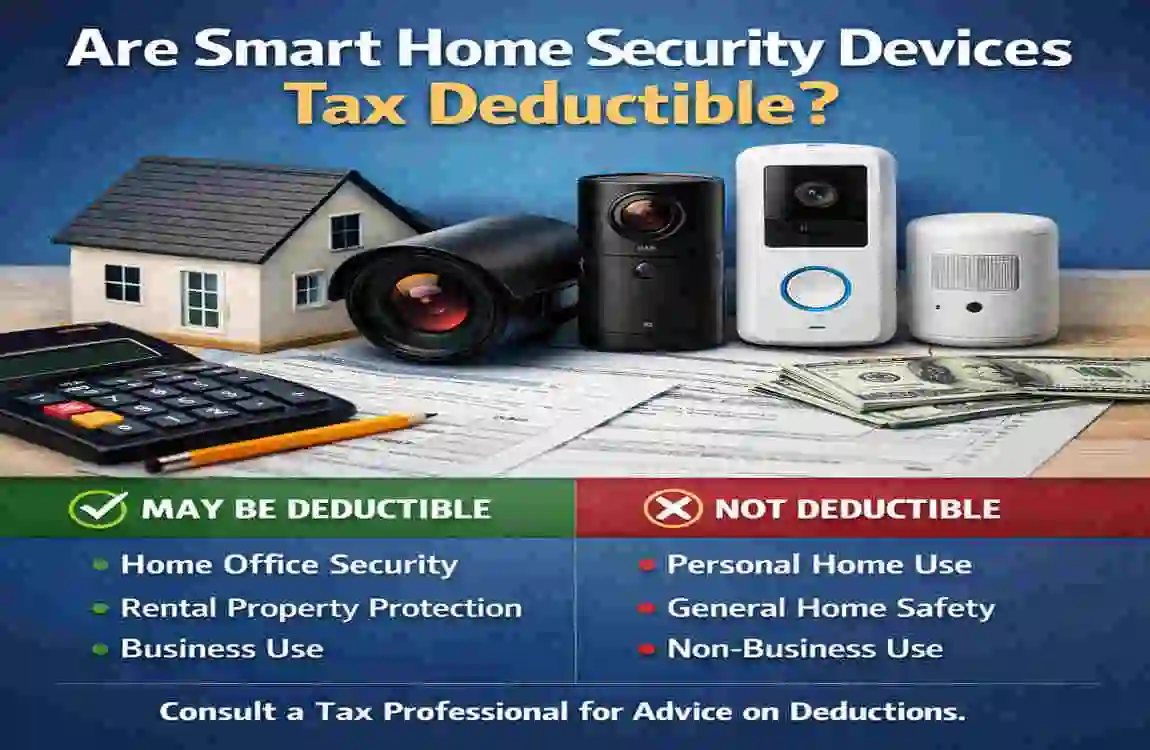
Smart devices are popular, but the tax rule still depends on use. Examples include:
- Ring-style cameras
- Smart locks
- Wireless alarms
- Automated gates
- Motion-triggered sensors
Deductibility Rules
If the device is for personal use, it is usually not deductible.
If it is used for business or rental property protection, part or all of the cost may qualify for tax benefits.
Subscription Services
Monthly monitoring fees and cloud recording plans may also count in some cases, but again, only when tied to a business or rental purpose.
Home security Systems and Insurance Savings
Can security Systems Lower Home Insurance?
Yes, they sometimes can. Some insurers offer lower premiums because a security system may reduce risk.
Tax vs Financial Savings
This is important to understand:
- Insurance savings lower your ongoing costs.
- Tax deductions lower taxable income.
These are not the same thing. Even if your Premium drops, that does not automatically mean the system is tax-deductible.
Common Tax Mistakes Homeowners Make
Claiming Personal security Costs Incorrectly
One of the biggest mistakes is trying to deduct a personal home security system when it clearly has no business use.
Mixing Business and Personal Expenses
If a system protects both your family home and your business, you need to separate the costs properly.
Missing Documentation
No receipts, no service bills, and no proof of business use can create problems later.
Assuming Every Smart Device Is Deductible
Just because a device is smart home does not mean it is tax-deductible. Use matters more than the device itself.
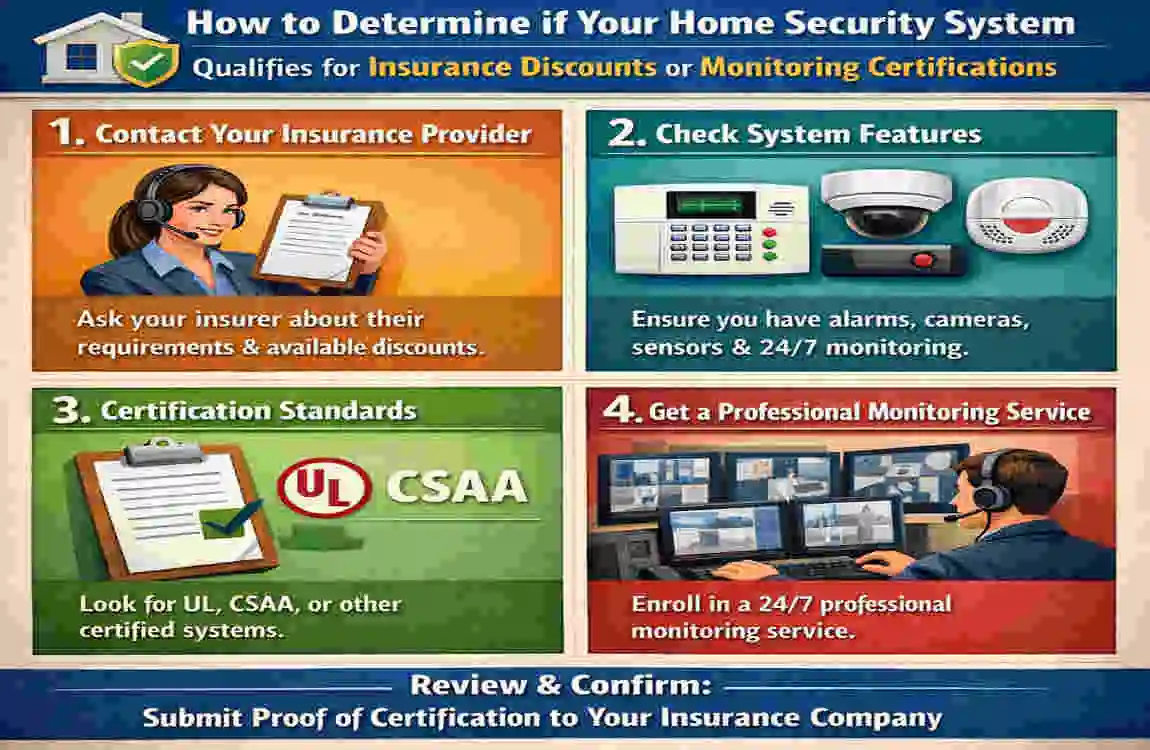
How to Determine If Your security System Qualifies
Ask These Questions
Before you claim anything, ask yourself:
- Is this my primary residence?
- Is part of the home used for business?
- Is the property a rental?
- Does the system protect income-producing space?
- Is the cost a repair or a major upgrade?
Consult a Tax Professional
Tax rules can change, and every situation is different. A tax professional can help you decide what is allowed and what is not.
FAQ
Are home security systems tax-deductible for homeowners?
Usually, no, if the system is installed for personal use in a primary home.
Can landlords deduct home security systems?
Often, yes, if the system is tied to rental property protection or maintenance.
Are smart cameras tax-deductible?
Only if they are used for business or rental purposes.
Can I deduct monthly monitoring fees?
Possibly, if the fees are connected to a business or rental property.
Is a home office security system tax-deductible?
Sometimes partially, if it protects a dedicated business area.
Are repairs to security systems deductible?
They may be deductible for business or rental use, depending on the situation.