Did you know that graphic design isn’t just for logos or marketing campaigns? It’s quietly revolutionizing architecture and interior design—transforming spaces in ways you might never have imagined. From skyscrapers to cozy living rooms, graphic design has become an integral part of shaping how we experience the built environment.
At its core, graphic design is about visual communication. In architecture and interior design, this translates into creating patterns, enhancing functionality, and improving user experiences within physical spaces. Whether it’s a sleek corporate office or an inviting boutique hotel, graphic design helps elevate the aesthetic and practical appeal of these environments.
Why Graphic Design Matters in Architecture and Interior Design
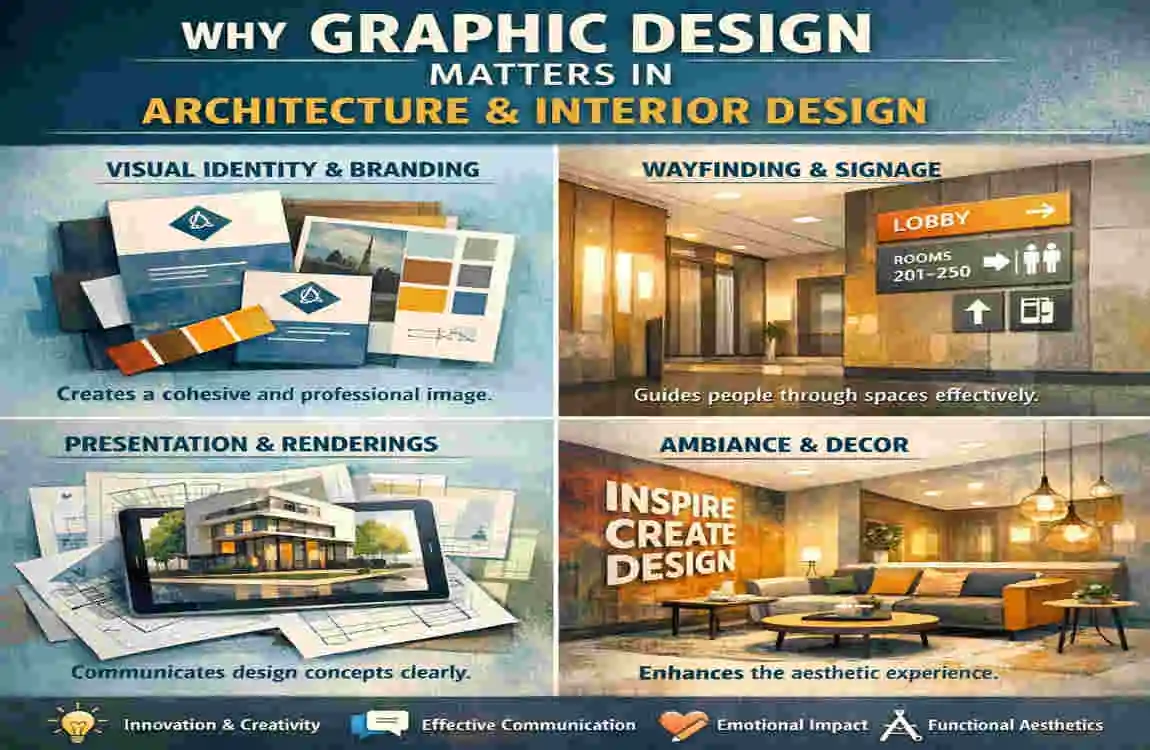
When we think of architecture and interior design, we often imagine structural blueprints or elegant furniture arrangements. But graphic design plays a vital role in enhancing these spaces in ways that are often overlooked. Let’s break down why this collaboration matters so much.
The Evolution of Graphic Design in Architecture
Graphic design in architecture is not a new phenomenon. Take ancient Egypt, for example, where hieroglyphics adorned temple walls, telling stories and guiding visitors. Fast forward to today, and we have digital tools like Adobe Illustrator or BIM (Building Information Modeling) software to create intricate designs and visualizations with unmatched precision.
This evolution has enabled architects and designers to collaborate with graphic designers, resulting in immersive experiences that are not only functional but also emotionally impactful.
The Benefits of Combining Graphic Design with Architecture
Graphic design enhances architecture and interior design in several ways:
- Improved Navigation: Wayfinding systems make navigating complex spaces, such as airports or hospitals, intuitive and stress-free.
- Memorable Branding: Branded spaces leave a lasting impression on visitors, reinforcing identity and values.
- Enhanced Aesthetics: Patterns, textures, and visuals elevate a space’s overall visual appeal.
- Increased ROI: Thoughtfully designed spaces attract more visitors, tenants, or customers, adding value to the investment.
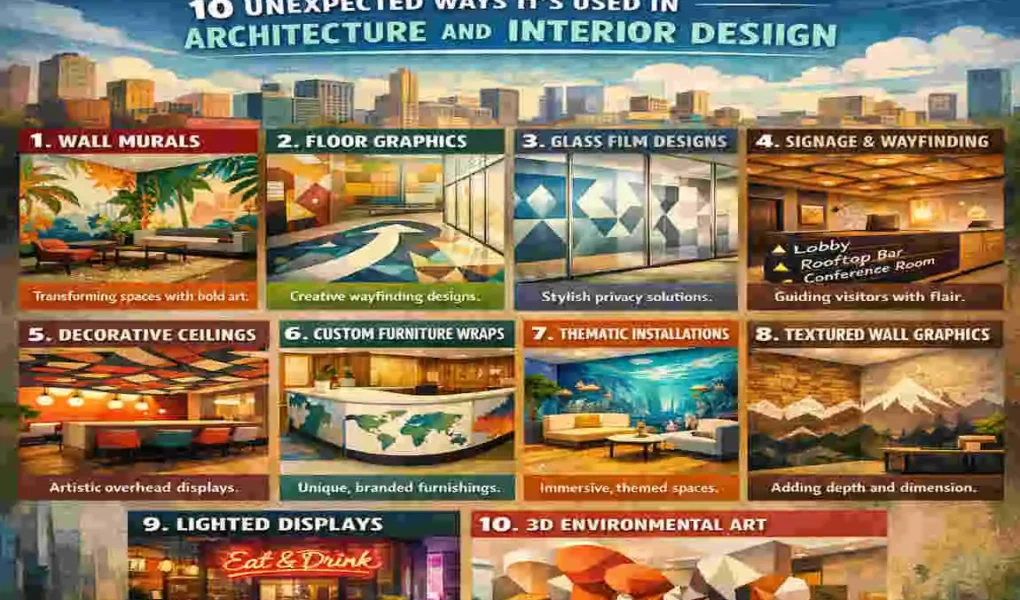
Now that we’ve set the stage, let’s dive into the 10 unexpected ways graphic design shines in architecture and interior design.
10 Unexpected Ways Graphic Design Shines
Wayfinding Systems in Complex Buildings
Imagine walking into a massive airport like Singapore Changi. What helps you find your gate amidst the labyrinth of terminals? Wayfinding systems are a perfect marriage of architecture and graphic design. These systems use color-coded signs, floor plans, and typographic hierarchies to make navigation effortless.
In hospitals, shopping malls, or corporate campuses, these systems are even more crucial. The strategic placement of arrows, maps, and symbols ensures that users feel guided rather than lost.
Branded Facades and Exterior Graphics
The exterior of a building often makes the first impression, and graphic design plays a huge role in shaping it. Take, for example, The Edge in Amsterdam, which uses perforated patterns and LED projections to create a dynamic visual identity.
Vinyl wraps, metal cladding, and even digital screens are among the media used to incorporate branding into facades. These designs not only grab attention but also communicate the brand or organization’s ethos.
Custom Wall Murals and Patterned Surfaces
Step into the lobby of 1 Hotel Brooklyn Bridge, and you’ll be greeted by stunning custom murals crafted with sustainable materials. This is where graphic design transforms walls into storytelling canvases.
From photorealistic murals to repeating patterns inspired by local culture, these designs create a unique sense of place. They’re particularly popular in hotels, restaurants, and residential spaces.
Digital Interactive Installations
With the rise of AR (augmented reality) and VR (virtual reality), graphic design has entered the realm of digital interactive installations. Museums like teamLab Borderless in Tokyo use responsive screens and projections to create immersive, ever-changing environments.
These installations aren’t just visually striking—they also engage visitors on a deeper level, making them active participants in the space.
Flooring and Surface Textures
Graphic design doesn’t stop at eye level. It extends to the floors beneath your feet and the surfaces you interact with. For example, Google’s NYC office uses linoleum prints that mimic natural materials like wood and stone, creating a warm, inviting atmosphere.
Etched concrete, patterned carpets, and even graphic vinyl tiles are other ways to bring design to unexpected surfaces.
Lighting and Shadow Play Graphics
Lighting plays a crucial role in architecture, but when combined with graphic design, it can create magical effects. Laser-cut screens or perforated panels cast intricate shadows that change throughout the day, adding depth and dimension to spaces.
This technique is popular in modernized Middle Eastern souks, where traditional patterns meet contemporary design.
Furniture and Fixture Branding
Incorporating graphic design into furniture and fixtures adds a layer of personalization. Starbucks Reserve Roasteries, for instance, feature custom engravings and logos on tables and counters, blending branding with functionality.
This approach works well for retail spaces, offices, and even residential interiors looking to make a statement.
Sustainable Material Graphics
Sustainability is no longer just a trend—it’s a necessity. Graphic design contributes by turning recycled materials into educational tools. For instance, the Bullitt Center uses recycled plastic panels etched with infographics about energy efficiency.
These designs not only look great but also educate visitors about the building’s eco-friendly features.
Virtual Renderings and Client Presentations
Before a single brick is laid, graphic design helps architects and interior designers communicate their vision through virtual renderings. Tools like Rhino and Adobe Illustrator create photorealistic images and animations that make presentations more compelling.
Clients can visualize the result, making it easier to secure approvals or funding.
Adaptive Re-Use Signage and Overlays
Revitalizing old buildings? Graphic design can help. Adaptive reuse projects often incorporate graphic overlays to blend modern elements with historic architecture. The High Line in NYC is a prime example, where new signage complements the space’s industrial heritage.
This approach breathes new life into old structures, making them relevant for contemporary use.
Real-World Case Studies: Graphic Design in Action
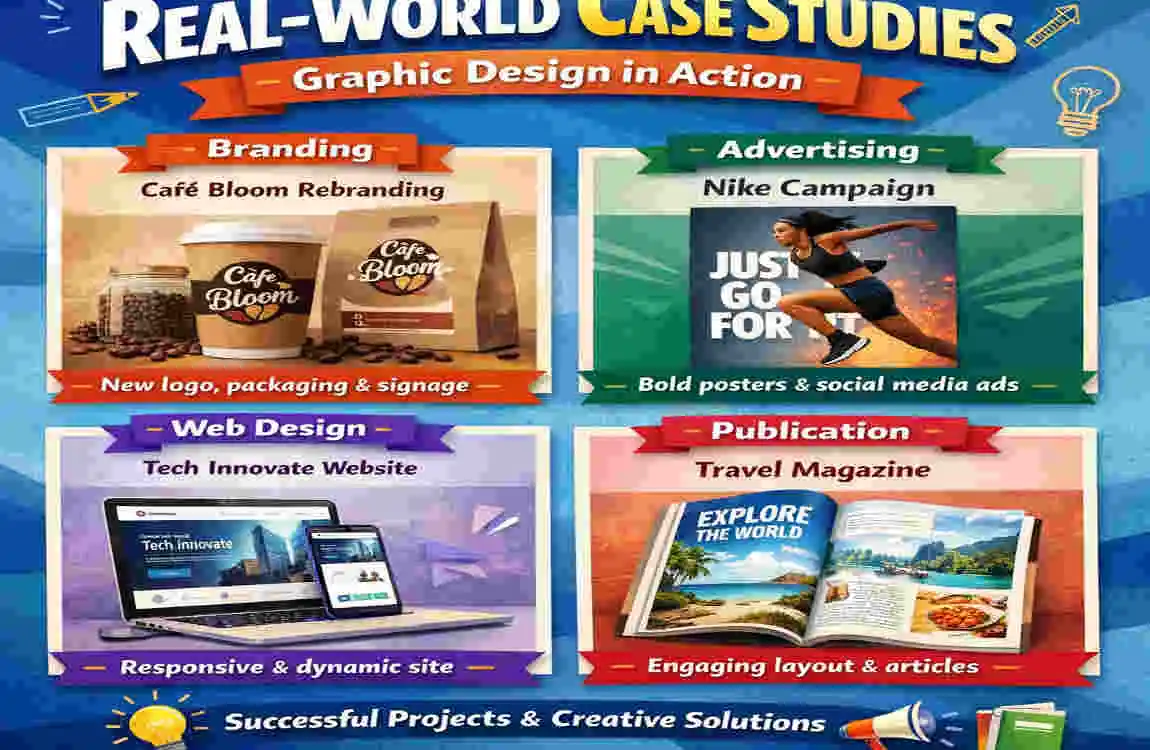
To see these concepts in action, let’s look at two real-world examples:
- Burj Khalifa Cladding: The world’s tallest building features integrated graphic cladding that reflects sunlight, reducing heat absorption and enhancing its iconic silhouette.
- Airbnb Interior Design Kits: Airbnb uses modular graphic design kits in its offices to create flexible, branded interiors that can be easily reconfigured.
These examples highlight just how versatile and impactful graphic design can be when integrated into architectural and interior projects.
Tools and Tips for Integrating Graphic Design
Want to start incorporating graphic design into your projects? Here are some practical tips:
- Software to Use: Adobe Suite, Figma, and SketchUp plugins are great for creating both 2D and 3D designs.
- Collaborate: Foster close collaboration between graphic designers, architects, and interior designers for seamless results.
- Start Small: Experiment with one or two elements, like custom murals or wayfinding signs, before scaling up.