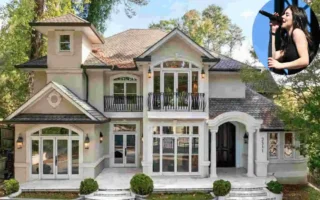
Have you ever wondered how Bollywood’s ultimate action hero lives? John Abraham, the fitness icon and environmental advocate, has created something truly extraordinary in Mumbai’s skyline. His penthouse isn’t just another celebrity mansion – it’s a revolutionary blend of luxury and sustainability that’s changing how we think about modern living.
Picture this: a sprawling villa floating high above the bustling streets of Bandra West, where cutting-edge eco-technology meets breathtaking opulence. The John Abraham house has become a benchmark for celebrities house who want to live lavishly while caring for our planet. It’s not just a home; it’s a statement about the future of urban living.
Location and Architectural Overview
The Crown Jewel of Bandra West
Let’s talk about Bandra West – Mumbai’s most coveted neighborhood, where Bollywood royalty calls home. This isn’t just any address; it’s where culture, luxury, and convenience converge in perfect harmony. The area pulses with creative energy, trendy cafes, and high-end boutiques that attract India’s elite.
What makes this location so special? First, you’ve got unbeatable connectivity to Mumbai’s business districts and entertainment hubs. Second, the Arabian Sea stretches endlessly before you, offering views that money usually can’t buy. Third, you’re surrounded by a lifestyle that blends traditional charm with modern sophistication.
The neighborhood offers everything from the iconic Bandstand Promenade to upscale dining experiences. It’s where Mumbai’s heart beats strongest, making it the perfect setting for John Abraham’s architectural marvel.
Understanding the Villa in the Sky Concept
Now, imagine taking a traditional villa and lifting it 20 stories into the air. That’s precisely what John Abraham’s penthouse achieves. This “villa in the sky” concept revolutionizes high-rise living by bringing the spaciousness and privacy of a ground-level mansion to the clouds.
The architectural style speaks volumes about the meeting of modern minimalism and environmental consciousness. Clean lines dominate the structure, while organic elements soften the contemporary edges. Floor-to-ceiling windows create a seamless connection between indoor luxury and outdoor vistas.
The house design philosophy centers on maximizing natural light and airflow. Every corner of this penthouse tells a story of thoughtful planning where aesthetics never compromise functionality. Curved balconies wrap around the structure like ribbons, creating private outdoor sanctuaries at every turn.
Unique Design Features That Set It Apart
The John Abraham House showcases several architectural innovations that have caught the attention of architects worldwide. The double-height ceilings in the main living areas create cathedral-like spaces that breathe with openness. Cantilevered sections extend dramatically from the main structure, defying gravity while providing shaded outdoor areas.
The use of locally sourced materials adds authenticity to the design. Indian marble, reclaimed teak, and handcrafted elements celebrate the country’s rich artisanal heritage while reducing the construction industry’s carbon footprint.
Exterior and Structural Details
Size and Scale of the Penthouse
Let’s dive into the impressive numbers behind this architectural wonder. The penthouse spans an incredible 5,500 square feet across two levels, making it one of the largest residential units in Bandra West. But here’s what’s really fascinating – it doesn’t feel overwhelming despite its size.
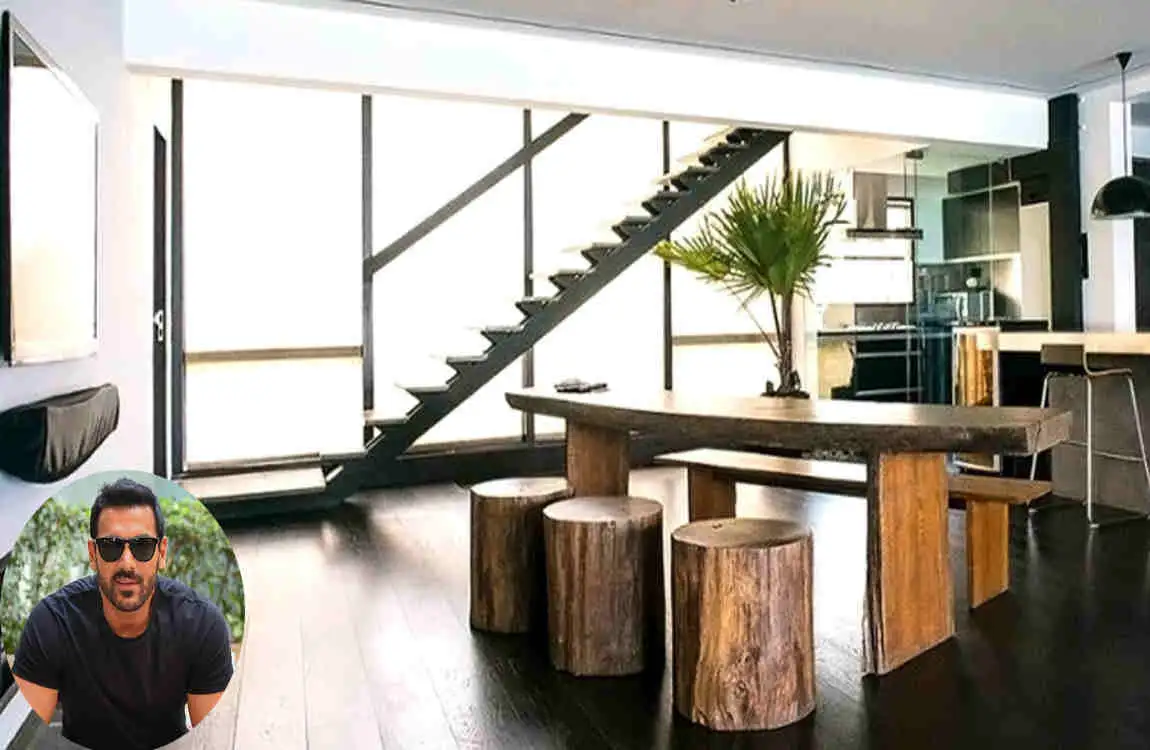
The duplex configuration creates distinct zones for different activities. The lower level houses the leading entertainment and living spaces, while the upper floor provides private retreats and personal sanctuaries. An internal staircase, crafted from sustainable bamboo and steel, connects these levels like a sculptural centerpiece.
The building itself rises 22 floors above street level, with John’s penthouse occupying the top two floors. This elevation provides unobstructed 360-degree views of Mumbai’s skyline, the Arabian Sea, and the distant Western Ghats on clear days.
Sustainable Materials in Construction
Here’s where things get really interesting. The construction of John Abraham’s house prioritizes eco-friendly materials at every step. The exterior walls feature specialized heat-reflective paint that reduces internal temperatures by up to 5 degrees Celsius. This isn’t just paint – it’s a high-tech coating that actively combats Mumbai’s tropical heat.
The structural framework incorporates fly ash concrete, a byproduct of thermal power plants that would otherwise pollute our environment. This material is stronger than traditional concrete and significantly reduces the building’s carbon footprint. The terraces use permeable paving that allows rainwater to seep through, preventing waterlogging and supporting the internal water recycling system.
Recycled steel reinforcements strengthen the structure without compromising safety standards. Even the exterior cladding uses compressed earth blocks in certain sections, providing natural insulation while maintaining a sophisticated appearance.
Eco-Friendly Technologies
The technological integration in this penthouse reads like a sustainability wishlist come true. Solar panels cover nearly 40% of the roof area, generating enough electricity to power common areas and reduce grid dependency by 30%. These aren’t your average panels – they’re cutting-edge photovoltaic cells that work efficiently even during Mumbai’s monsoon season.
The rainwater harvesting system is engineering poetry in motion. Every drop that falls on the penthouse is captured, filtered, and stored in underground tanks. This water then serves multiple purposes – irrigation, toilet flushing, and even cooling systems. During heavy monsoons, the system can collect up to 50,000 liters of water.
Thermal insulation takes multiple forms throughout the structure. Double-glazed windows with low-E coating block harmful UV rays while maintaining transparency. The walls feature specialized insulation materials made from recycled denim and newspaper, providing excellent temperature control without toxic chemicals.
Interior Design and Amenities
The Modern Minimalist Aesthetic
Step inside the John Abraham house, and you’re immediately struck by the harmonious blend of simplicity and sophistication. The interior design philosophy follows the “less is more” principle, but every “less” is carefully curated to deliver maximum impact.
The color palette draws inspiration from nature—warm earth tones, soft grays, and occasional splashes of green from living walls. This creates a calming environment that feels like a retreat from Mumbai’s chaotic energy. Natural textures dominate the space through exposed brick walls, wooden beam ceilings, and stone accent features.
The furniture selection emphasizes clean lines and functionality. Custom-made pieces from sustainable wood sources occupy strategic positions, creating conversation areas without cluttering the space. Every item serves a purpose, and many pieces incorporate hidden storage solutions that maintain the minimalist aesthetic.
Eco-Friendly Interior Materials
The commitment to sustainability extends deep into the interior choices. Reclaimed teak wood from old buildings and ships forms stunning feature walls and flooring in certain areas. This wood tells stories of its previous lives while adding warmth and character to the modern space.
The walls are painted with low-VOC paints that ensure pristine indoor air quality. These paints contain minimal volatile organic compounds, protecting residents from harmful chemicals that traditional paints release for years after application. The difference is noticeable—the air feels fresher, cleaner, almost therapeutic.
LED lighting systems illuminate every corner with precision and efficiency. But this isn’t just about energy saving. The lights are programmed to adjust color temperature throughout the day, mimicking natural sunlight patterns to support circadian rhythms. Motion sensors ensure lights only operate when needed, further reducing energy consumption.
Showcasing Key Living Spaces
The Living Room: Where Luxury Meets Nature
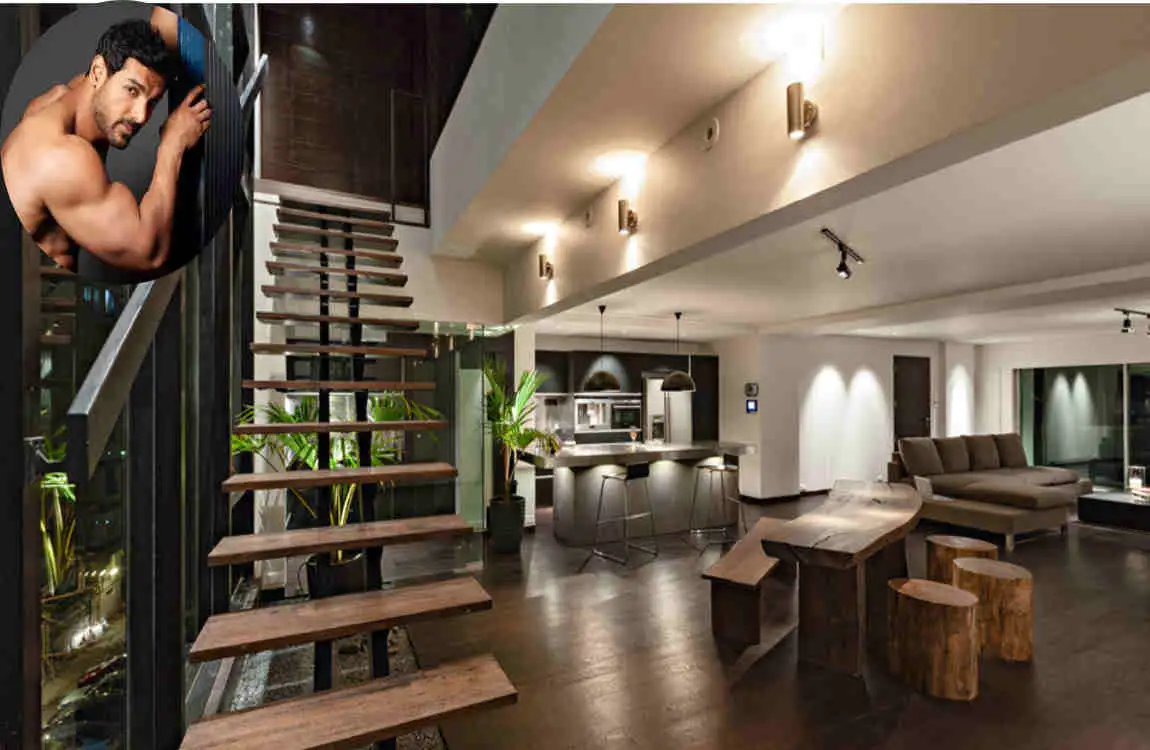
The main living room spans nearly 800 square feet and features a double-height ceiling that creates a sense of grandeur. Floor-to-ceiling windows on two sides flood the space with natural light while offering panoramic views of the Arabian Sea. A living wall of tropical plants acts as a natural air purifier while adding a vibrant green accent to the neutral palette.
The centerpiece? A custom-designed entertainment system that disappears into the wall when not in use, maintaining the clean aesthetic. Automated curtains adjust based on sunlight intensity, protecting furniture while optimizing natural lighting.
The Kitchen: A Culinary Paradise
John’s kitchen combines professional-grade functionality with sustainable design. Energy-efficient appliances from top European brands are hidden behind sleek bamboo cabinetry – a rapidly renewable resource. The countertops feature recycled-glass surfaces that sparkle like jewels while remaining incredibly durable.
A herb garden window provides fresh ingredients year-round, while a sophisticated composting system handles organic waste. The kitchen island doubles as a casual dining space, fostering social cooking.
The Main Bedroom: A Personal Sanctuary
The main bedroom is a study in tranquility. Automated climate control maintains perfect sleeping temperatures while minimizing energy use. The bed, crafted from FSC-certified wood, faces east to capture sunrise views over the city. A private balcony extends the living space outdoors, complete with a meditation corner surrounded by potted plants.
The walk-in closet features cedar lining—a natural moth repellent that eliminates the need for chemical treatments. Intelligent storage systems maximize space efficiency while keeping everything easily accessible.
The Private Gym: Fitness Meets Technology
No John Abraham home would be complete without a state-of-the-art gym. This 400-square-foot fitness paradise features rubberized flooring made from recycled tires. Mirror walls create an illusion of space while allowing perfect form checks during workouts.
The equipment selection reflects John’s commitment to functional fitness. From Olympic lifting platforms to suspension training systems, everything is chosen for maximum versatility. A sophisticated air purification system ensures optimal oxygen levels during intense training sessions.
Eco-Friendly Innovations in John Abraham House
Sustainable Systems in Detail
The John Abraham House operates like a self-sustaining ecosystem. Let’s explore how these systems work together to create an environmentally responsible living space.
The solar energy system deserves special attention. Beyond the rooftop panels, the penthouse incorporates building-integrated photovoltaics (BIPV) in the façade. These panels double as architectural elements while generating electricity. On sunny days, the system produces excess energy that is fed back into the building’s grid, offsetting everyday energy consumption.
Water recycling happens at multiple levels. Greywater from showers and washing machines undergoes biological treatment before being reused for toilet flushing and garden irrigation. This reduces freshwater consumption by approximately 40%. The system includes smart sensors that continuously monitor water quality, ensuring safety standards are consistently met.
The waste management system separates garbage at source into five categories: organic, recyclable, electronic, hazardous, and general waste. Organic waste feeds into an automated composting unit that produces nutrient-rich fertilizer for the terrace gardens. This approach has reduced landfill contribution by an impressive 70%.
Benefits and Cost Savings
Here’s a breakdown of the environmental and financial benefits:
System Annual Savings Environmental Impact
Solar Power ₹3.5 lakhs 12 tons CO2 reduced
Water Recycling ₹1.2 lakhs 500,000 liters saved
Waste Management ₹50,000 2 tons diverted from landfill
LED Lighting ₹80,000 3 tons CO2 reduced
Insulation ₹2 lakhs 8 tons CO2 reduced
These numbers tell a powerful story. The John Abraham House doesn’t just talk about sustainability – it delivers measurable results that benefit both the wallet and the planet.
Setting Trends in Celebrity Real Estate
John’s penthouse has sparked a revolution in how celebrities approach luxury living. It proves that environmental responsibility doesn’t mean compromising on comfort or style. In fact, it enhances both.
Other Bollywood stars have taken notice. We’re seeing a surge in eco-friendly features being incorporated into celebrity homes across Mumbai. From Akshay Kumar’s solar-powered bungalow to Dia Mirza’s rainwater harvesting system, the trend is clear – green is the new gold in luxury real estate.
The Lifestyle and Privacy Factor
Designing for Urban Privacy
Living in Mumbai’s most celebrity-dense neighborhood while maintaining privacy seems impossible. Wrong. The John Abraham House achieves this through intelligent design and strategic positioning.
The penthouse’s elevation provides natural privacy from street-level intrusions. But that’s just the beginning. Innovative glass technology on specific windows can turn opaque at the touch of a button, instantly creating private spaces when needed. The terraces feature living screens of bamboo and climbing plants that block sightlines while maintaining airflow.
Sound insulation receives equal attention. Triple-glazed windows and specialized acoustic panels ensure that Mumbai’s notorious noise pollution stays outside. You could host a party inside while someone meditates on the terrace – neither would disturb the other.
Entertainment and Relaxation Spaces
The penthouse caters to both intimate gatherings and larger celebrations. An outdoor entertainment deck features a retractable roof that opens to reveal stars on clear nights. Weather-resistant furniture and an outdoor kitchen make this space usable year-round, even during monsoon season.
The media room showcases cutting-edge technology with a conscience. The projection system uses laser technology that consumes 50% less energy than traditional projectors while delivering superior image quality. Acoustic treatments made from recycled materials ensure cinema-quality sound without disturbing neighbors.
A spa-inspired bathroom offers resort-style relaxation at home. The rain shower system uses aerating technology to provide a luxurious experience while reducing water consumption by 30%. Natural stone surfaces and living moss walls create a connection with nature even in this private sanctuary.
Integrating Nature with Urban Living
The boundary between indoor and outdoor living blurs throughout the penthouse. Vertical gardens climb interior walls, improving air quality while adding visual interest. These aren’t just decorative – they’re carefully selected plants that thrive in indoor conditions and actively filter pollutants.
The terraces transform into urban oases, home to indigenous plants that attract local birds and butterflies. A minor water feature creates soothing sounds while supporting the microclimate. Even the outdoor furniture is crafted from weather-resistant recycled materials that age beautifully.
Why John Abraham’s Penthouse Inspires Eco-Conscious Luxury Living
The Rising Trend of Sustainable Luxury
We’re witnessing a global shift in how affluent individuals define luxury. It’s no longer just about opulence – it’s about responsible opulence. The John Abraham House exemplifies this new paradigm perfectly.
In India, this trend is particularly significant. As our cities grapple with pollution and resource scarcity, homes like John’s offer solutions that don’t require lifestyle sacrifices. They show that you can live lavishly while leaving a lighter footprint on Earth.
Young entrepreneurs and professionals are especially drawn to this concept. They want homes that reflect their values without compromising their status. The sustainable luxury market in India is projected to grow by 25% annually over the next decade, driven by this demographic shift.
Setting New Benchmarks
John Abraham’s penthouse has become a case study for architects and developers. It demonstrates that eco-friendly features can actually enhance property values rather than being costly add-ons. Several new luxury projects in Mumbai now advertise green credentials as primary selling points.
The penthouse has won multiple awards for sustainable design, including the IGBC Platinum certification—the highest recognition for green buildings in India. This recognition validates the approach and encourages others to follow suit.
What makes this particularly inspiring is John’s personal involvement. He didn’t just hire designers and step back. He actively participated in every decision, ensuring the home truly reflects his commitment to fitness, wellness, and environmental stewardship.
Comparative Analysis with Other Celebrity Houses in Mumbai
How John’s Home Stands Apart
Let’s be honest – Mumbai has no shortage of stunning celebrity homes. From Shah Rukh Khan’s Mannat to Amitabh Bachchan’s Jalsa, each tells a unique story. But the John Abraham house occupies a special category.
While Mannat impresses with its seaside grandeur and Jalsa showcases traditional elegance, John’s penthouse represents the future. It’s not trying to be the biggest or the most ornate. Instead, it’s the smartest and most responsible.
Consider Hrithik Roshan’s apartment in Juhu, another modern luxury residence. While it features contemporary design and Premium amenities, it lacks the comprehensive sustainability focus that defines John’s home. The difference isn’t just in features – it’s in philosophy.
Unique Selling Points
Here’s what truly sets the John Abraham house apart from other celebrity residences:
- Energy Independence: While most luxury homes are energy guzzlers, John’s penthouse generates significant power independently
- Water security: In a city facing water crises, this home recycles and conserves every drop
- Air Quality: Advanced filtration systems ensure the indoor air is cleaner than most hill stations
- Future-Proof Design: Built to adapt to changing environmental regulations and technological advances
- Wellness Integration: Every design element supports physical and mental well-being
Market Value and Investment Perspective
Current Valuation and Market Trends
Real estate experts estimate the John Abraham house’s value at approximately ₹75-80 crores, making it one of the most valuable residential properties in Bandra West. But here’s the interesting part – this valuation continues to appreciate faster than conventional luxury properties.
The Bandra property market has shown remarkable resilience, with annual appreciation rates of 8-12% for Premium properties. Eco-friendly homes in this area command a Premium of 15-20% over standard luxury residences. This gap is widening as environmental awareness grows among affluent buyers.
The penthouse represents more than just a home – it’s an investment in the future. As environmental regulations tighten and resource costs rise, properties with built-in sustainability features will see exponential value growth.
The Growing Market for Green Luxury Homes
Mumbai’s luxury real estate market is undergoing a green revolution. Developers report that 70% of inquiries for high-end properties now include questions about sustainability features. This shift isn’t just trendy – it’s fundamental.
Banks and financial institutions offer preferential loan terms for green-certified properties. Insurance companies provide discounts for homes with disaster-resilient and eco-friendly features. These economic incentives make sustainable luxury homes increasingly attractive investments.
The rental market shows similar trends. Eco-friendly luxury properties command 25-30% higher rents and experience lower vacancy rates. Tenants are willing to pay premiums for lower utility bills, better air quality, and the prestige of living sustainably.
Why This Investment Makes Sense
Investing in properties like the John Abraham house offers multiple benefits:
Financial Returns: Beyond appreciation, operational savings from reduced utility costs significantly improve net returns. The payback period for most eco-features is under 5 years, after which they generate pure savings.
Regulatory Compliance: As governments introduce stricter environmental standards, these properties are already compliant, avoiding costly retrofitting requirements.
Market Positioning: The limited supply of truly sustainable luxury homes ensures strong demand and pricing power.
Legacy Value: These properties represent tangible contributions to environmental conservation, adding emotional and social value beyond financial returns.
Where Does John Abraham Currently Live?
John Abraham currently lives in a luxurious sea-facing duplex penthouse called “Villa in the Sky” located in Bandra West, Mumbai, Maharashtra. The penthouse occupies the 7th and 8th floors of a residential complex and spans approximately 4,000 square feet. It is known for its architectural brilliance and was designed by John’s architect brother, Alan Abraham. This residence serves as his primary home and features a personal gym, a peaceful atmosphere for creativity, and is situated in a posh neighborhood known for celebrity residents and vibrant surroundings.