When you think about techno music royalty, one name stands above the rest: Jeff Mills. Known worldwide as “The Wizard,” this Detroit-born artist has shaped electronic music for over three decades. But have you ever wondered what kind of home a techno legend calls their sanctuary?
The Jeff Mills house represents more than just a living space. It’s a carefully crafted environment where cutting-edge technology meets artistic expression. This remarkable modern home tells a story of innovation, creativity, and the seamless blend of music and lifestyle.
Location and Architectural Style of Jeff Mills’ House
The Jeff Mills house sits in a carefully chosen location that balances urban accessibility with creative isolation. While Mills maintains residences in multiple cities due to his international career, his primary home creates a perfect environment for both work and relaxation.
The neighborhood offers the kind of understated sophistication that appeals to creative professionals. It’s removed enough from the hustle and bustle to provide peace, yet connected sufficiently to remain plugged into cultural movements. This strategic positioning allows Mills to retreat from the demanding touring schedule while staying connected to the pulse of contemporary art and music.
Architectural Design Philosophy
The architecture of Mills’ residence embraces clean lines and geometric precision. The structure itself becomes a statement about the relationship between space and sound. Large windows flood the interior with natural light, creating an ever-changing canvas throughout the day. The exterior facade combines materials like concrete, glass, and steel – elements that echo the industrial roots of Detroit techno.
What makes this house truly special is how it responds to its environment. The building floats above the landscape, with cantilevered sections that create dramatic shadows and fascinating visual rhythms. These architectural choices aren’t just aesthetic; they reflect Mills’ understanding of space as a compositional element.
Sustainable Innovation
The house incorporates cutting-edge sustainable technologies that align with Mills’ forward-thinking approach. Solar panels integrate seamlessly into the roof design. Advanced insulation systems maintain perfect acoustic conditions while minimizing energy consumption. Intelligent climate control systems adjust automatically, creating optimal conditions for both living and music production.
Sustainable materials are used throughout the house structure. Reclaimed wood adds warmth to specific spaces, while recycled metals provide industrial accents. These choices demonstrate how modern luxury can coexist with environmental responsibility.
Interior Design: A Fusion of Modern Minimalism and Artistic Expression
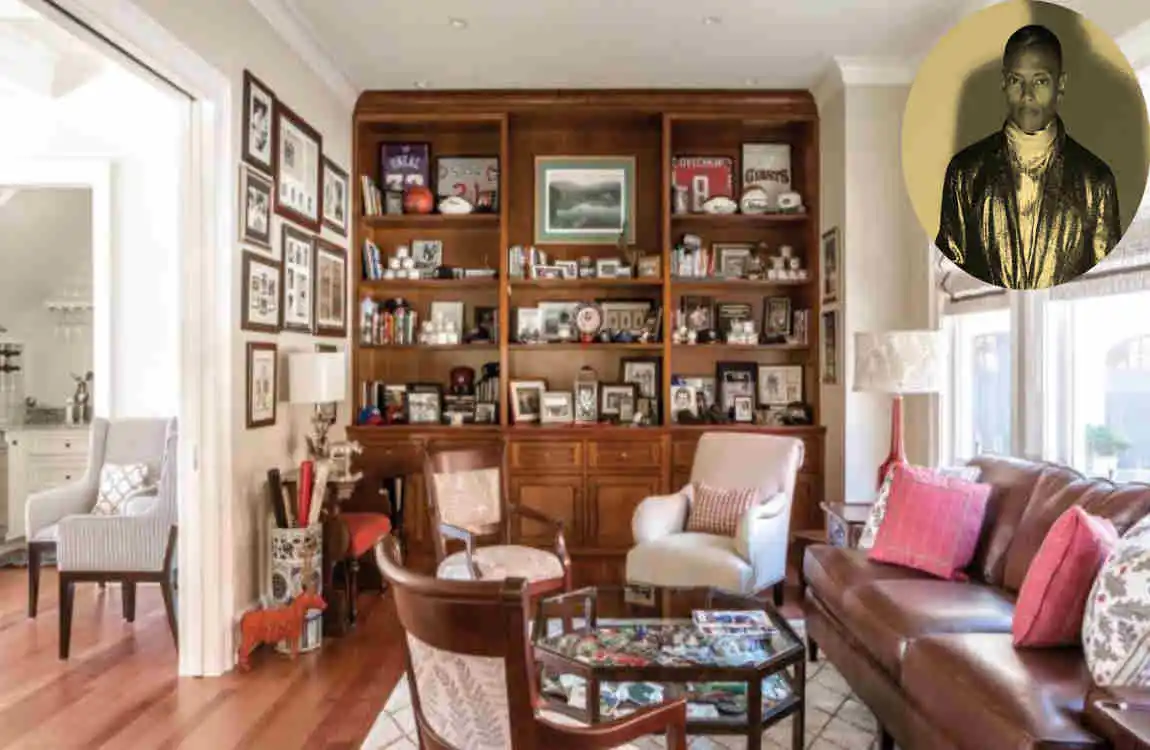
Step inside the Jeff Mills house, and you immediately sense the careful balance between emptiness and intention. The interior design philosophy revolves around creating spaces that inspire without overwhelming, that comfort without cluttering.
The Living Room: A Study in Contrasts
The main living area showcases Mills’s appreciation for modernist design principles. A low-profile modular sofa in charcoal gray anchors the space, its clean lines interrupted only by carefully chosen accent pillows in deep blues and blacks. The coffee table – a custom piece combining blackened steel and tempered glass – seems to hover above the polished concrete floor.
What catches your eye immediately is the lighting design. Custom LED installations create subtle geometric patterns on the walls, programmable to shift in intensity and color temperature. These aren’t just decorative; they’re functional art pieces that can instantly transform the room’s mood.
The walls remain largely bare, painted in varying shades of gray that shift subtly as you move through the space. When art does appear, it makes a statement. A large abstract piece by a Detroit artist dominates one wall, its explosive colors providing the room’s primary visual accent.
The Studio: Where Magic Happens
The heart of any electronic music producer’s home is the studio, and Mills’ workspace is nothing short of spectacular. Acoustic panels in matte black cover the walls, their angular arrangement creating both sonic perfection and visual interest. The room feels like stepping inside one of his tracks – precise, powerful, and slightly otherworldly.
Custom-built racks house an impressive array of synthesizers, drum machines, and effects units. Vintage Roland gear sits alongside cutting-edge digital interfaces. The mixing console – a pristine analog beauty – occupies the room’s focal point, positioned perfectly for optimal sound projection.
But it’s not all about the equipment. The studio includes a small lounge area with a minimalist daybed, providing moments of reflection between creative bursts. Natural light filters through specially designed windows that maintain acoustic integrity while preventing complete isolation from the outside world.
Kitchen and Dining: Functional Elegance
The kitchen embraces industrial-chic aesthetics, with professional-grade appliances hidden behind seamless cabinet faces. The island – a monolithic piece of black granite – serves as both a preparation space and a casual dining area. Bar stools with thin metal frames and leather seats provide seating without visual weight.
The dining area continues the minimalist theme. A long table made from a single piece of reclaimed wood seats eight comfortably. Above it, a linear LED fixture provides perfect task lighting while maintaining the room’s clean aesthetic. The space flows naturally into the living area, creating an open plan that encourages movement and interaction.
Personal Spaces: Bedrooms and Bathrooms
The main bedroom serves as a true retreat. The bed – a platform design in dark wood – sits low to the ground, emphasizing horizontal lines. Automated blackout shades ensure perfect darkness for rest, while hidden LED strips provide gentle illumination for nighttime navigation.
The ensuite bathroom feels more like a high-end spa than a typical residential space. A freestanding tub in matte black creates a sculptural element. The shower features multiple rain heads and body jets, all controlled by a digital interface that remembers personal preferences.
Unique Features and Functional Spaces in the Jeff Mills House
What sets the Jeff Mills house apart from typical luxury homes is its specialized features, specifically designed for a life dedicated to music and art. These unique elements transform the residence from a mere living space into a creative ecosystem.
The Integrated Sound System
Throughout the house, Mills has installed a state-of-the-art distributed Audio system that goes far beyond typical home automation. Each room features hidden speakers calibrated to deliver studio-quality sound. The system can play different music in different zones or synchronize the entire house for an immersive listening experience.
What makes this setup truly special is its integration with Mills’ production workflow. He can send tracks directly from his studio to any room in the house, testing mixes in different acoustic environments. The kitchen might become a makeshift club space, while the bathroom transforms into an echo chamber for experimental sounds.
Smart Home Technology
The house employs cutting-edge automation that responds to both voice commands and preset scenarios. When Mills enters “studio Mode,” the house automatically adjusts lighting to optimal levels, silences all notifications, and activates do-not-disturb protocols. “Entertainment Mode” dims lights, adjusts climate control, and prepares the audio-visual systems for guests.
The technology remains invisible when not needed. Touch panels blend seamlessly into walls. Sensors detect presence and adjust environments accordingly. Even the window treatments respond to sunlight levels and time of day, maintaining perfect conditions without manual intervention.
Outdoor Spaces: Gardens and Terraces
The exterior spaces of the Jeff Mills house deserve special attention. A Japanese-inspired garden provides a meditative counterpoint to the high-tech interior. Carefully placed stones create pathways through minimalist plantings. A minor water feature adds natural sound – the original ambient music.
The main terrace functions as an outdoor extension of the living space. Weather-resistant furniture maintains the interior’s aesthetic while providing comfort for outdoor gatherings. Integrated heating elements and retractable covering make this space usable year-round.
Here’s a breakdown of the key outdoor features:
Feature Purpose Design Element
Zen Garden Meditation/Reflection Minimalist landscaping with stone paths
Main Terrace Entertainment/Dining Modern furniture with weather protection
Rooftop Deck Private retreat 360-degree views with built-in seating
Sound Garden Acoustic experiments , Outdoor speakers for environmental testing
Design Inspirations and Sources
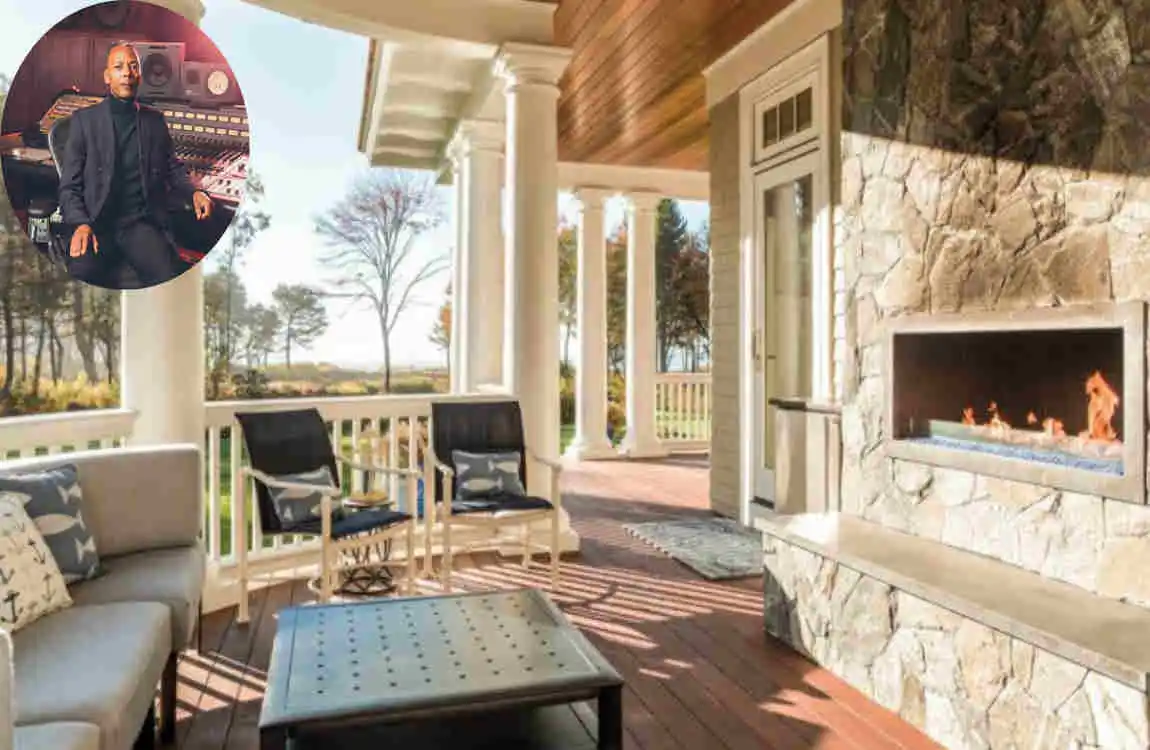
The aesthetic choices throughout the Jeff Mills house draw from multiple sources, creating a unique synthesis that reflects his diverse influences. Understanding these inspirations helps explain why the space feels both timeless and futuristic.
Futurism and Space Age Design
Mills’s fascination with space exploration and science fiction manifests throughout his home. Curved walls in certain areas echo the interiors of spacecraft. Lighting fixtures resemble celestial bodies. Even door handles take inspiration from aerospace engineering, combining form and function in unexpected ways.
The color palette – dominated by blacks, grays, and metallic finishes – creates an atmosphere reminiscent of a space station. But warm wood accents and strategic use of color prevent the space from feeling cold or sterile.
Detroit Industrial Heritage
Despite his international success, Mills never forgets his Detroit roots. Industrial elements pay homage to the city’s manufacturing past. Exposed steel beams remain visible in certain areas. Concrete surfaces celebrate rather than hide their raw texture. These choices connect the house to techno’s birthplace while maintaining sophisticated refinement.
The influence extends to furniture choices. Many pieces come from Detroit designers and craftspeople, supporting local artisans while maintaining aesthetic coherence. Custom metalwork from former auto industry fabricators adds authentic industrial character.
Minimalist Philosophy
The house embodies the Japanese minimalist principles that Mills encountered during his extensive travels in Asia. The concept of “ma” – negative space – plays a crucial role in the design. Empty areas become as important as furnished ones, creating breathing room for both body and mind.
This minimalism isn’t about deprivation. Instead, it’s about clarity and focus. Every object earns its place through beauty, function, or emotional significance. The result feels spacious and calming, even in relatively compact areas.
The Lifestyle of Jeff Mills Reflected in His Home
The Jeff Mills house serves as more than a shelter; it’s a carefully orchestrated environment that supports a unique creative lifestyle. Every space facilitates the rhythms and requirements of an international artist’s life.
Daily Creative Routines
Mills typically begins his day in the meditation room, a small space with tatami mats and minimal decoration. This morning’s practice sets the tone for creative work ahead. The room’s eastern exposure catches the morning sun, providing natural awakening without harsh artificial light.
From there, he might move to the studio for production work. The house’s layout creates a natural flow from private contemplation to creative expression. There’s no need to “commute” to work – the transition happens organically as he moves through carefully designed spaces.
The kitchen becomes a social hub during afternoon breaks. Its open design encourages casual interactions with family or collaborators. The proximity to the studio means creative discussions can continue over coffee or meals.
Wellness and Productivity Spaces
A compact but well-equipped home gym occupies a lower-level space. Mirrored walls make the room feel larger while allowing form checking during workouts. The sound system here pumps out high-energy tracks – sometimes Mills’ own productions, sometimes music that inspires him.
The house includes a small library and reading room where Mills explores interests beyond music. Books on astronomy, philosophy, and art fill custom shelves. A comfortable reading chair positioned near a window provides the perfect spot for intellectual exploration.
These wellness spaces aren’t afterthoughts. They’re integral to maintaining the physical and mental stamina required for Mills’ demanding career. The house supports not just creative output but the overall well-being necessary for sustained artistic excellence.
Hosting and Social Spaces
Despite its minimalist aesthetic, the house accommodates social gatherings beautifully. The open-plan design allows natural flow during parties. Guests can move freely between indoor and outdoor spaces, creating different zones for conversation and dancing.
The sound system transforms the house into a private club when needed. Professional-grade equipment means Mills can DJ impromptu sets for friends. The lighting system synchronizes with music, creating an authentic club atmosphere in an intimate setting.
But the house also provides escape routes for when solitude is needed. Private spaces remain off-limits during gatherings, preserving personal sanctuary even during social events.
Comparisons: Jeff Mills’ House vs Other Techno Legends’ Homes
To fully appreciate what makes the Jeff Mills house special, it’s worth comparing it to the residences of other electronic music icons. Each artist’s home reflects their unique approach to both music and life.
Richie Hawtin’s Tech-Forward Approach
Richie Hawtin’s residence pushes technology integration even further than Mills’. Every surface becomes a potential interface. Walls display visual art that responds to music. The entire house functions as an instrument, with sensors capturing movement and translating it into sound.
While Mills balances technology with minimalist restraint, Hawtin embraces maximum connectivity. His house feels like living inside a computer – fascinating but potentially overwhelming for extended periods.
Carl Cox’s Mediterranean Warmth
Carl Cox’s Ibiza home takes an entirely different approach. Warm Mediterranean styling creates a relaxed, welcoming atmosphere. Terracotta tiles, exposed wooden beams, and colorful textiles dominate the aesthetic. The studio, while professional, integrates more naturally into the domestic environment.
Where Mills’ house feels like a temple to precision, Cox’s residence celebrates earthier pleasures. Both work perfectly for their respective owners, demonstrating how personal style trumps any universal formula.
Consider these key differences:
- Mills: Minimalist, monochromatic, focus on space and light
- Hawtin: Maximum technology, interactive environments, digital integration
- Cox: Warm colors, natural materials, indoor-outdoor living
- Derrick May: Classic Detroit loft, industrial authenticity, vintage emphasis
What sets Mills apart is his ability to create a space that feels both accessible and elevated, technological yet human, minimal yet complete.
Why Jeff Mills’ House Is a Modern Artistic Sanctuary
The Jeff Mills house achieves something remarkable: it creates an environment where creativity isn’t just possible but inevitable. This isn’t merely a beautiful home or a functional workspace – it’s a complete ecosystem designed for artistic evolution.
The sanctuary aspect comes from the house’s ability to shield its occupant from external pressures while remaining connected to sources of inspiration. Mills can retreat completely when needed, using the space as a cocoon for deep creative work. Yet the design prevents isolation from becoming stagnation.
Every element supports the creative process. Natural light maintains circadian rhythms, which are crucial for sustained productivity. The acoustic design ensures that music sounds perfect whether in the studio or kitchen. The minimalist aesthetic reduces visual noise, allowing focus on what matters most.
The stunning house also serves as a living laboratory for Mills’ interests beyond music. The integration of sustainable technology reflects his concern for the future. The art collection demonstrates appreciation for other creative disciplines. The library demonstrates intellectual curiosity that extends beyond electronic music.
Perhaps most importantly, the house embodies Mills’ philosophy that technology should serve humanity rather than dominate it. Despite sophisticated systems throughout, the technology remains subtle and subservient to human needs. The house feels warm and welcoming despite its modern aesthetic.
This balance – between technology and humanity, minimalism and comfort, isolation and connection – makes the Jeff Mills house a true sanctuary for modern artistic life.
Where Does Jeff Mills Currently Live?
Jeff Mills currently lives and works mainly in Chicago, USA, and Paris, France. He has had residences and professional bases in these cities as part of his ongoing career in music and the arts.