Staring at dated vinyl flooring but dreading the high costs of replacement? You’re not alone. Many homeowners face the dilemma of wanting a fresh look without breaking the bank. Now, if you’ve found yourself wondering, “Can you paint vinyl flooring without ruining it?” then you’re in the right place.
The good news is: yes, you absolutely can! With the right preparation, paint, and method, you can transform your vinyl floor into something stylish and fresh. This DIY guide shares how thousands have successfully refreshed their vinyl floors for under $100, with results that last 5 years or more.
Painting vinyl flooring offers a cost-effective alternative to ripping out floors that can cost $5-$10 per square foot to replace. Plus, you get to customize your floor’s color and pattern to fit your style perfectly. But it’s important to know that if done wrong, paint can peel or feel sticky underfoot.
Why Paint Vinyl Flooring? Pros, Cons, and Realistic Expectations
Painting vinyl flooring isn’t just a trend — it’s a smart way to breathe new life into tired floors. But like any project, it has its upsides and downsides. Let’s break them down:
Pros of Painting Vinyl Flooring
- Cost-effective refresh: Instead of spending $5-$10 per square foot for replacement, painting costs as little as $0.50-$1 per square foot. That’s a huge saving for a big impact.
- Hides imperfections: Old vinyl often shows scratches, stains, or outdated patterns. Paint can cover these flaws and give you a clean slate.
- Customization: Want a modern farmhouse gray, bold navy, or soft pastel? Painting lets you pick any color or pattern you want, something replacement floors can’t always offer.
- Quick transformation: Compared to flooring installation, painting is faster and less disruptive.
Cons and When to Skip It
- Not for every floor: If your vinyl is heavily damaged or in a high-traffic commercial area, paint may chip or wear quickly.
- Requires prep: Poor surface prep leads to peeling or sticky paint. Studies suggest an 80% success rate if you prime and seal properly.
- Limited lifespan: Painted vinyl floors typically last 3 to 7 years with proper care, making it a medium-term solution.
Types of Vinyl Flooring You Can Paint
- Sheet vinyl: Usually smooth and non-porous; needs sanding and primer to adhere.
- Luxury Vinyl Plank (LVP): Often sealed with a finish; you can paint if you properly sand and prime.
- Vinyl tiles: Can be painted, especially if they’re not too glossy.
Materials and Tools: What You Need for “Can You Paint Vinyl Flooring” Success
Gathering the right supplies is crucial. Using the wrong type of paint or skipping primer is the fastest way to ruin your floor paint job.
Essential Supplies List
- Best Paints:
- Epoxy-based paints (like Rust-Oleum Home Floor or Sherwin-Williams Porch & Floor) are your best bet for durability.
- Acrylic latex paints work too, especially for less-trafficked areas.
- Primer:
- A bonding primer is critical, especially for slick, glossy vinyl. Zinsser BIN is highly recommended.
- Tools:
- Orbital sander (for deglossing)
- Painter’s tape (for clean edges)
- High-density foam rollers or lamb swool applicators (for smooth coverage)
- Polyurethane or similar sealants (for protection)
Budget Breakdown
Material Recommended Product Approx. Cost (PKR)Purpose
Primer Zinsser BIN 2,000 Bonds paint to slick vinyl
Paint Rust-Oleum Epoxy 3,500 Durable, non-yellowing finish
Sealant Polyurethane Topcoat 1,500 Protects paint from wear
Step-by-Step DIY Guide: How to Paint Vinyl Flooring Without Ruining It
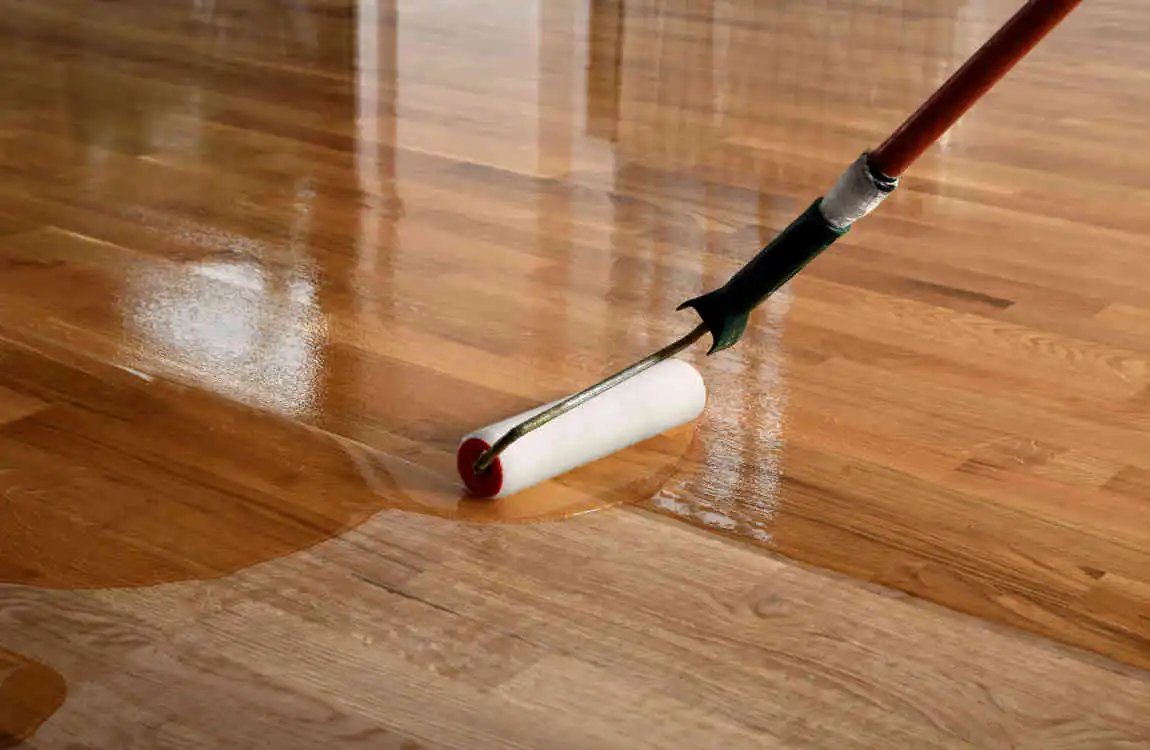
Painting vinyl flooring is all about careful preparation and patience. Let’s break it down into easy phases.
Prep Work: The Key to Lasting Results
Before you open that paint can, your floor needs to be spotless and ready.
- Clear and Clean the Room:
- Remove all furniture and rugs. Vacuum thoroughly to pick up dust and dirt. Then mop using a trisodium phosphate (TSP) substitute or a strong degreaser. This removes oils and grime that block paint adhesion.
- Repair Any Damage:
- Fill gouges, deep scratches, or cracks with a vinyl floor filler or a flexible epoxy putty. Smooth the surface once dry.
- Sand Lightly:
- Use 220-grit sandpaper or an orbital sander to degloss the surface. This roughens up the vinyl so paint will stick better.
Priming for Adhesion
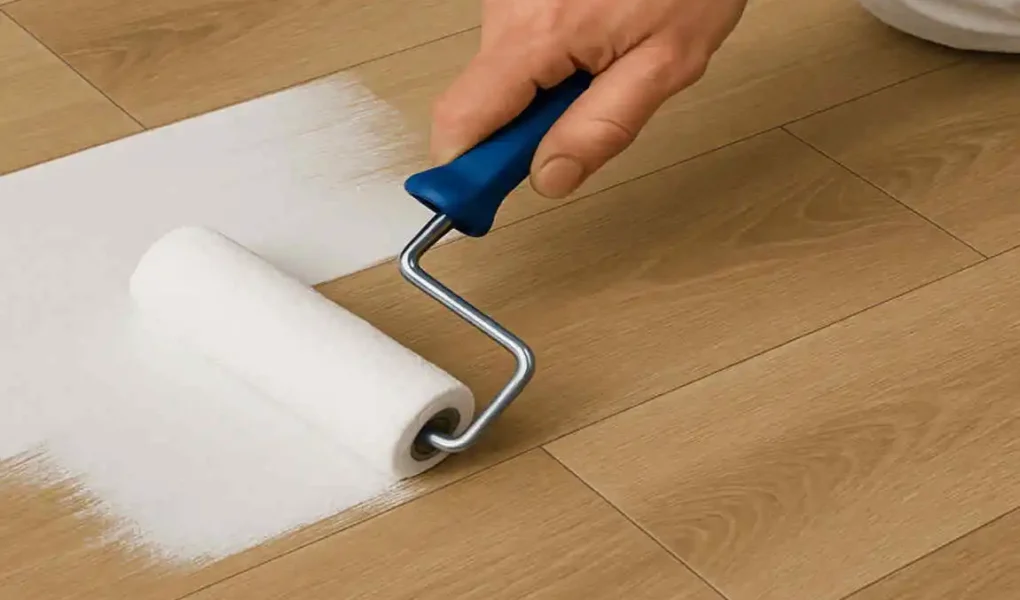
- Apply a thin, even coat of bonding primer using a roller or brush. Let it dry for 4-6 hours.
- After 24 hours, do a tape adhesion test: stick and peel painter’s tape. If paint lifts, apply another primer coat.
Priming is your insurance policy for a long-lasting finish.
Painting Application: Step-by-Step
- Using a roller, apply the first coat of floor paint evenly. Avoid puddles or thick spots.
- Wait 4-6 hours for the first coat to dry.
- Apply a second coat for full coverage and durability.
- Use a fine brush around edges and corners for clean lines.
- Let the paint cure for 24 to 72 hours before walking on it.
Sealing and Final Touches
- Apply 2-3 coats of a clear polyurethane sealant to protect the paint from wear and tear.
- Allow each coat to dry fully before applying the next.
Maintenance Tip: Avoid harsh chemicals or abrasive cleaners; use gentle cleaners and mop with water.
Common Mistakes and Troubleshooting: Avoid Ruining Your Vinyl Floor Paint Job
Painting vinyl flooring isn’t hard, but these mistakes can ruin your efforts:
- Skipping Primer: Leads to peeling and poor adhesion. Always prime.
- Rushing Dry Times: Especially in humid climates like Lahore, wait fully for paint and primer to dry.
- Wrong Paint Type: Oil-based paints can yellow and crack over time.
- Poor Surface Prep: Dirt or wax left behind causes bubbling.
Fixes to common issues:
- Bubbling paint? Sand the area, then reapply primer and paint.
- Sticky finish? Improve ventilation and allow extra drying time.
Maintenance and Longevity: Proven Results from Real DIYers
Once your floor shines, keeping it that way is simpler than you think.
- Daily Care: Sweep or vacuum regularly. Mop with a damp cloth and mild soap.
- Refresh Cycle: Touch up any scuffs or chips annually to keep the floor looking fresh.
Case Study: One Lahore homeowner painted their 50 sq m kitchen vinyl floor two years ago. With regular care, it still looks flawless!
FAQs: Quick Answers to “Can You Paint Vinyl Flooring” Questions
- Can you paint vinyl flooring in a kitchen or bathroom?
- Yes, but use a waterproof sealant to protect against moisture.
- Is painted vinyl flooring renter-friendly?
- It can be, if you properly prime and seal. Paint can be removed with strong solvents if needed.
- How much does it cost to paint vinyl flooring?
- Typically $50 to $150 per room, depending on size and materials.
- Can I use regular wall paint on vinyl floors?
- No, use floor-specific or epoxy paints for durability.
- How long should I wait before walking on my painted floor?
- At least 24 to 72 hours, depending on the paint and humidity.