
Extending a council house can be a great way to create more living space, improve comfort, and make your home better suit your needs. However, there are rules and restrictions you need to understand before starting any work. From getting permission from your local council or housing association to understanding which extensions are allowed, explains what you can and can’t do when extending a council house.
Can I Extend My Council House?
Yes, you can, but only with your council’s written permission first. Secure council tenants in England have a legal right to make improvements to their modern home, but Shelter explains that a secure tenant must not carry out any improvement without the landlord’s written consent. That consent cannot be unreasonably withheld, and if it is, it is treated as given. You may also need planning permission and Building Regulations approval, and introductory (probationary) tenants generally cannot make alterations at all.
Quick summary
- Landlord consent: required in writing before any work starts.
- Tenancy type: secure tenants have the right to apply; introductory tenants usually do not.
- Planning permission: sometimes needed, sometimes covered by permitted development.
- Building Regulations: usually required, even where home planning permission is not.
- Disabled tenants: may get a Disabled Facilities Grant of up to £30,000 in England.
Check your tenancy type
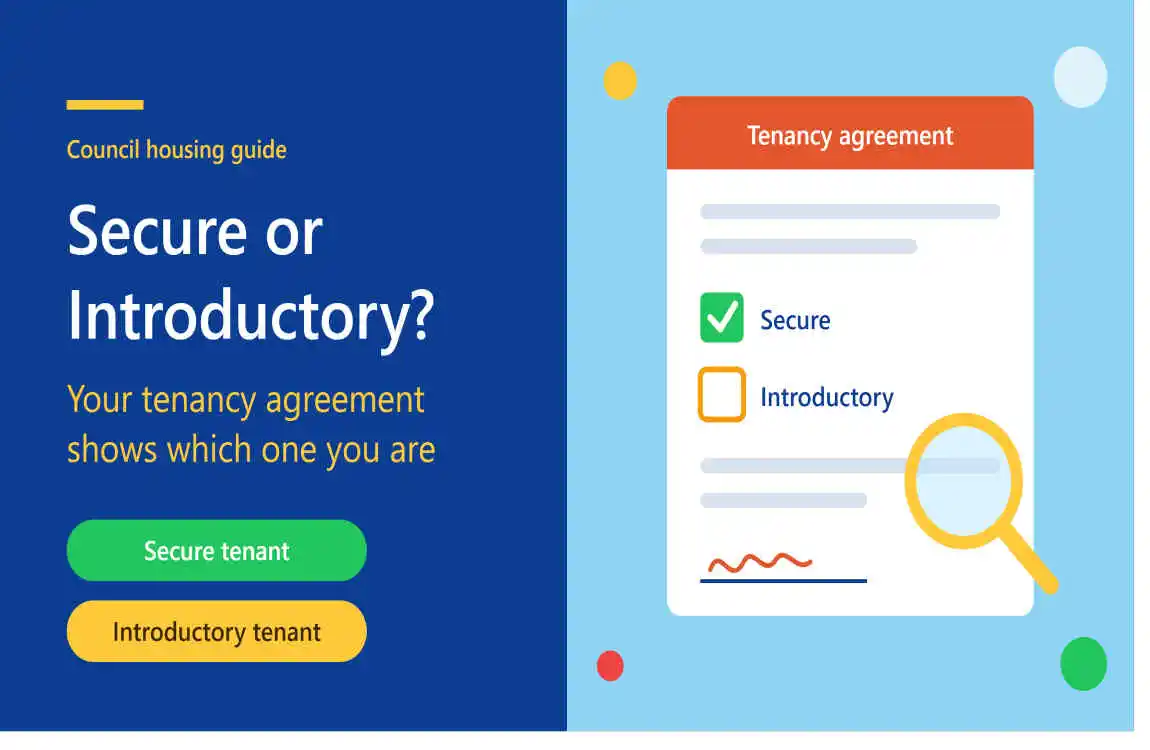
Your rights depend on the kind of tenancy you hold. Councils such as Canterbury City Council set out that secure tenants have more rights than introductory tenants, including the right to buy in some cases. Many councils also confirm that introductory tenants have no right to make alterations, additions or improvements, as Reading Borough Council’s tenancy guidance states. Most tenants become secure after a 12-month introductory period, so check your tenancy agreement first.
Ask your council for written permission
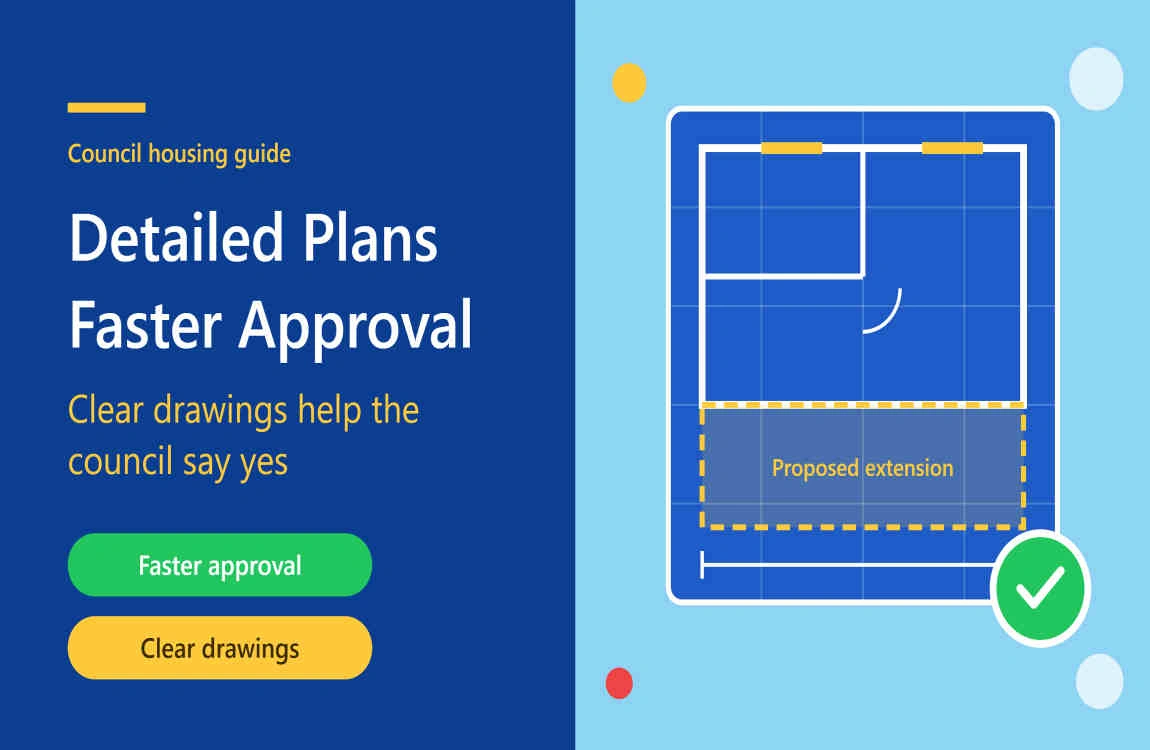
Under section 97 of the Housing Act 1985, a secure tenant needs the landlord’s written consent for improvements. Councils usually ask for detailed drawings and photographs, and Ashford Borough Council warns that applications without the right drawings can be rejected for lack of information. Some councils aim to reply within about 28 days, so build that into your plans.
What to include in your request
- Scale drawings showing the size and position of the extension
- Photographs of the existing house and garden
- Materials, builder details and a rough timescale
- Confirmation you will seek planning permission and Building Regulations approval where needed
Can the council refuse my extension?
Yes, but only for good reasons. Shelter’s guidance for tenants says you should always get permission in writing before starting, because landlords can ask you to undo unapproved work. Typical reasons a council may refuse include:
- The work could make the property unsafe
- It could reduce the value of the property
- It would make the home harder to let in future
- It would interfere with future maintenance or damage the property, for example by removing internal walls
Some councils, such as Hammersmith & Fulham, also say they can refuse works that are not in the long-term interests of the property or other tenants. If you think a refusal is unreasonable, ask for the reasons in writing, use your council’s appeal or complaints process, and consider free advice from Shelter or Citizens Advice.
Do I need planning permission to extend a council house?
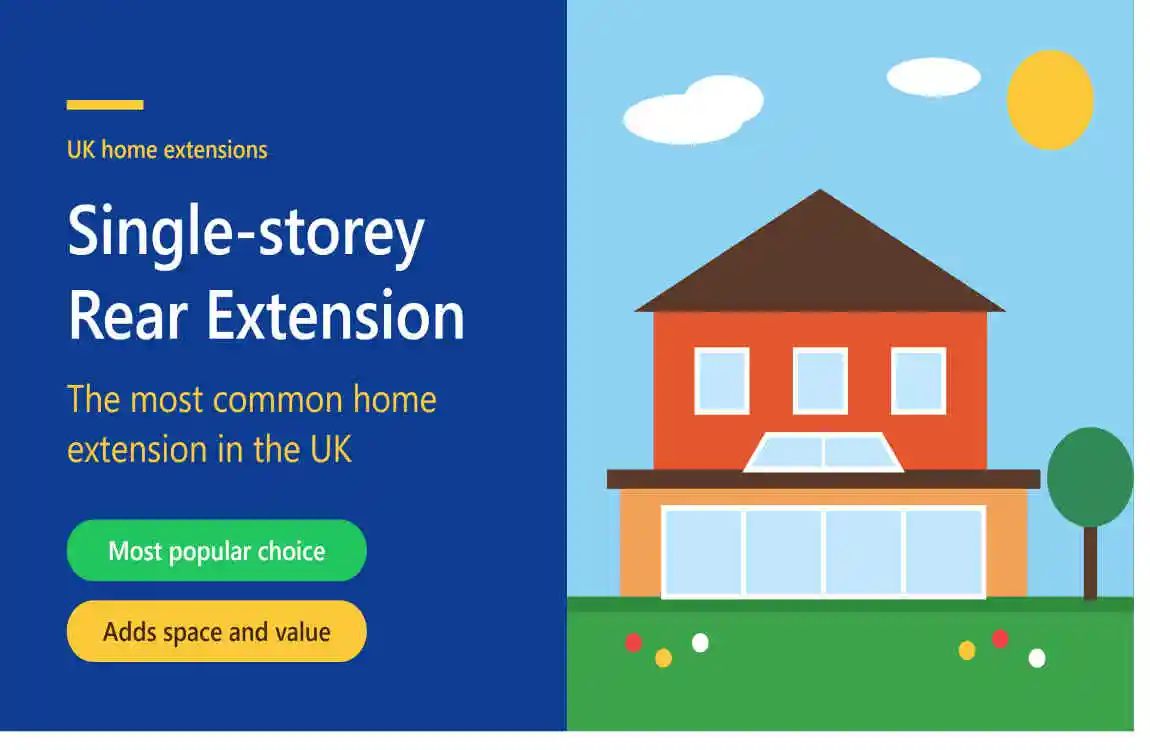
Often not, if the extension falls under permitted development. The Planning Portal says a single-storey rear extension cannot extend beyond the rear wall of the original house by more than 4 metres for a detached house, or 3 metres for any other house. Single-storey rear extensions also cannot exceed 4 metres in height, and larger single-storey rear extensions can go through a prior approval process, as the Planning Portal’s single-storey extension guide explains.
Permitted development rights apply to houses only, not flats or maisonettes, and they are more limited on designated land such as conservation areas, where side extensions are not permitted development. Always confirm with your local planning authority, and remember that planning permission is separate from your landlord’s consent. As Hillingdon Council notes, you may need landlord consent, planning permission and building regulations approval, and it is your responsibility to find out which apply.
Planning rules at a glance
| Type of extension | Usually permitted development? |
|---|---|
| Single-storey rear extension (up to 3m, or 4m if detached) | Often yes, if all limits are met |
| Larger single-storey rear extension | Possibly, via prior approval |
| Side extension | Sometimes, with tighter limits |
| Front extension, two-storey extension, flats, maisonettes | Usually needs planning permission |
| Conservation area or listed building | Usually needs planning permission |
Building Regulations and the Party Wall Act
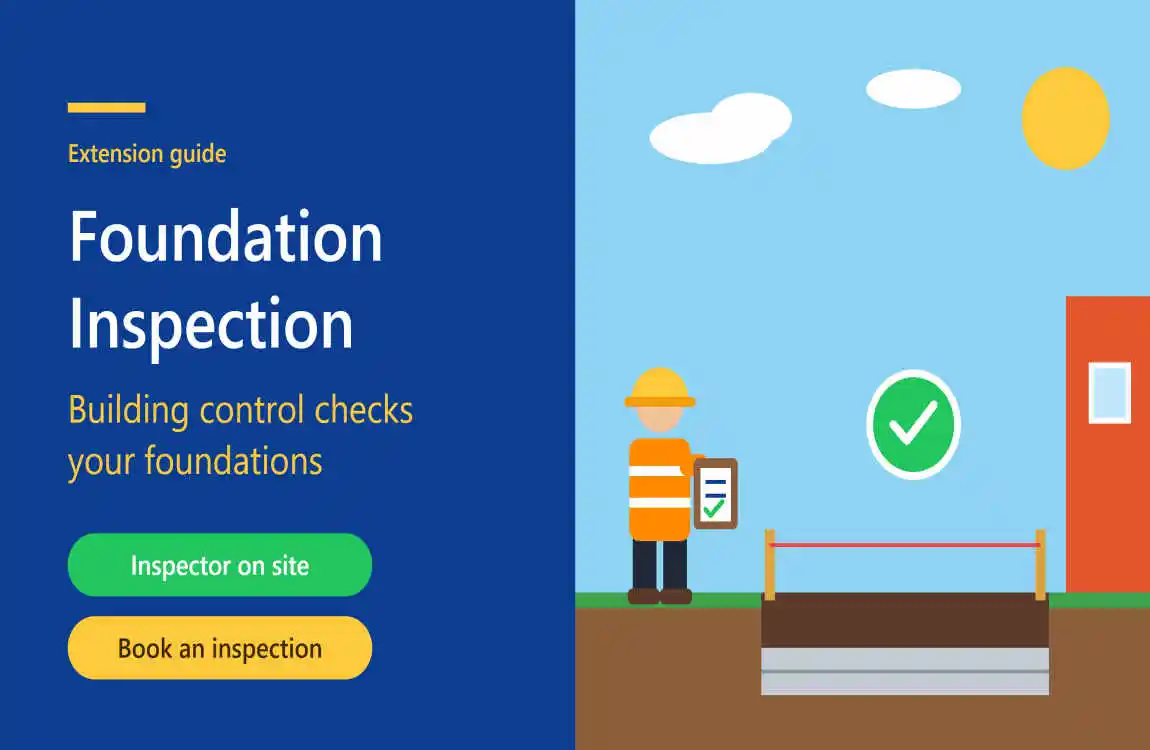
Most extensions need Building Regulations approval to prove the work is safe and energy efficient. GOV.UK’s building regulations guide explains how to apply through your local authority building home control team or an approved inspector. If your extension is built on or near a shared boundary, the Party Wall etc. Act 1996 guidance on GOV.UK explains when you must notify neighbours. Ask your council whether it also needs to see these approvals before you start.
Can I get help paying for an extension?
If the extension is needed because someone in the household is disabled, a Disabled Facilities Grant (DFG) may help. GOV.UK states that the grant can fund work such as building an extension house, for example a downstairs bedroom, and the maximum in England is up to £30,000, though some councils give more. Council tenants can apply, and some councils, such as Derby City Council, state there is no financial means test for council tenants. Councils will usually check whether existing space can be adapted before approving an extension, and in some cases may offer a transfer to a more suitable home instead.
The council may also have a duty to make reasonable adjustments for disabled tenants. Shelter’s legal guidance says that when a disabled person applies in writing for consent, the landlord must not withhold it unreasonably, although reasonable conditions can be set.
Will I be paid back for the improvements?
Possibly. Secure tenants may be entitled to compensation for certain qualifying improvements when the tenancy ends, as Winchester City Council explains. Eligibility rules apply, so ask your council in advance and keep receipts and approvals.
What if I extend without permission?
It is risky. Shelter warns that landlords may ask you to change things back, and councils treat unapproved work as a breach of tenancy. Some councils allow you to request retrospective permission, but you can be required to meet the same standards and to put things right if the work falls short. Never start building before you have approval in writing.
Alternatives if an extension is refused
- Ask about a loft conversion or internal changes, which some councils may allow under their own policies.
- Apply for a transfer or mutual exchange to a larger home council or housing association home.
- Ask about Right to Buy if you are eligible, then extend as an owner (check current rules on GOV.UK first).
Frequently asked questions
Can I extend my council house if I am a tenant?
Yes, if you are a secure tenant and your council gives written permission. Introductory tenants generally cannot extend.
Can a council refuse permission to extend?
Yes, but only for reasonable grounds such as safety, loss of property value or difficulty re-letting. Unreasonable refusals can be challenged.
Do I need planning permission to extend a council house?
It depends. Many single-storey rear extensions to houses are permitted development, but flats, maisonettes and designated land have stricter rules.
How big can a rear extension be without planning permission?
Up to 3 metres beyond the rear wall for most houses and 4 metres for detached houses, with a 4-metre height limit, unless prior approval is used for a larger extension.
Can I get a grant to extend my council house?
If a disabled person lives in the home, a Disabled Facilities Grant of up to £30,000 in England may fund an extension such as a downstairs bedroom.
What happens if I build without permission?
The council can require you to undo the work and may treat it as a breach of your tenancy.
Final thoughts
Extending a council house is possible, but it is a process: confirm your tenancy type, get written consent, check planning and Building Regulations, and only then start work. Speak to your housing officer early and keep every approval in writing. Rules vary between councils and between England, Scotland, Wales and Northern Ireland, so always check your local policy.