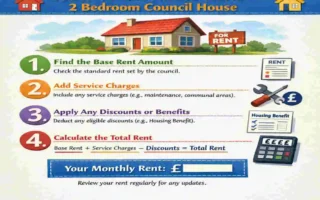

House clearance services can sometimes pay you for valuable items they collect, but this depends on what you have and the company you choose. Furniture, antiques, electronics, and other items in good condition may have resale value. However, many clearance companies charge a fee for removing unwanted belongings, especially if they require disposal. Understanding how house clearance works can help you find the best service, avoid unexpected costs, and potentially make money from items you no longer need.
How does a house clearance company make money?
Clearance firms earn income from two places: the fee you pay and the profit on items they resell. According to one UK comparison guide, a company will pay you in cash only if the value of the items exceeds the cost of its service. It sells the valuable items and pays you the remaining balance. If the items do not cover the full cost, you are expected to pay what is left.
The same principle is explained by Wotton Auction Rooms: if the value of items cleared exceeds the house cost of the clearance, many companies pay the difference to the estate or individual.

What items can make a clearance company pay you?
Resale value is what changes the maths. Items that commonly attract buyers include:
- Gold, silver and jewellery
- Antiques and collectables
- Fine art, clocks and watches
- Good-quality, solid furniture
- Vintage items, tools and specialist equipment
Buyers are selective. One UK firm’s public profile says it buys jewellery, gold and silver but does not buy fridges, freezers, beds, sofas or brown furniture. Policies differ between companies, so do not assume every item adds value.
When will you have to pay instead?
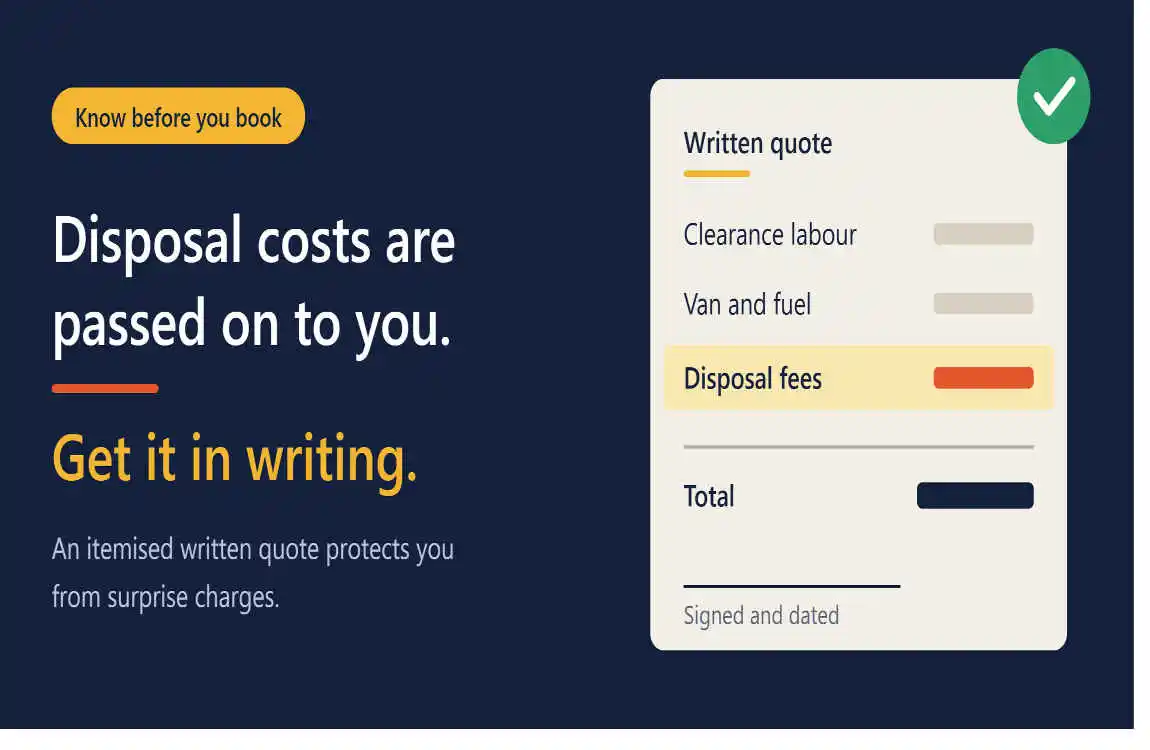
If a home is full of worn furniture, damaged goods and general rubbish, there is little to resell. In that case, you pay for labour, vehicle time and waste disposal. MyJobQuote, which uses real quotes from UK tradespeople, puts the average house clearance cost at around £450, with most jobs taking 6 to 12 hours. It also notes that disposal is typically charged to clearance firms at £180 to £200 per tonne, and that cost is passed on to customers.
| Situation | Who usually pays? | What to do |
|---|---|---|
| Contents include valuable antiques, jewellery or art | Company may pay you the surplus | Get items valued and ask for an itemised settlement |
| Mixed contents, some saleable items | Value is usually deducted from your bill | Confirm the deduction in writing |
| Mostly low-value or broken items | You pay the full fee | Compare 3 written quotes |
| Hazardous waste (e.g. asbestos) | You pay extra | Ask for specialist disposal costs upfront |
Auction houses vs. standard clearance companies
Some auction houses offer clearance as a way to extract value from a property. Drakes Auctions says it clears the property, sells items at auction and deducts waste recycling fees, and claims that in 9 out of 10 cases the sales mean it pays the customer. Treat that as the company’s own claim for its own business, not a guarantee. The model does offer one advantage: sales go through public auction, which creates an audit trail showing what each item sold for.
Anderson & Garland makes a similar point: in a standard clearance, the seller may not be told about items of significant value.
Is it legal? Waste carrier licences and your duty of care
This is the part people often miss. House clearance involves transporting waste, and in England, GOV.UK says businesses must register if they transport waste, or buy, sell or dispose of it. Operating without registration is an offence. The Environment Agency states that transporting controlled waste or acting as a broker or dealer without registration can lead to enforcement action.
As the householder, you also carry responsibility. The UK Government has confirmed that householders have a legal duty of care to give their waste only to a licensed carrier. Under official guidance for councils, if fly-tipped waste is traced to you and you cannot identify who took it, or the carrier you name is unauthorised, it is reasonable to believe your duty of care was not met. A fixed penalty is one possible outcome.
This is not just theory. Wiltshire Council reported a Swindon resident fined £600 after hiring an unlicensed waste carrier whose waste was later found fly-tipped in a layby.
How to hire a house clearance company safely (step by step)
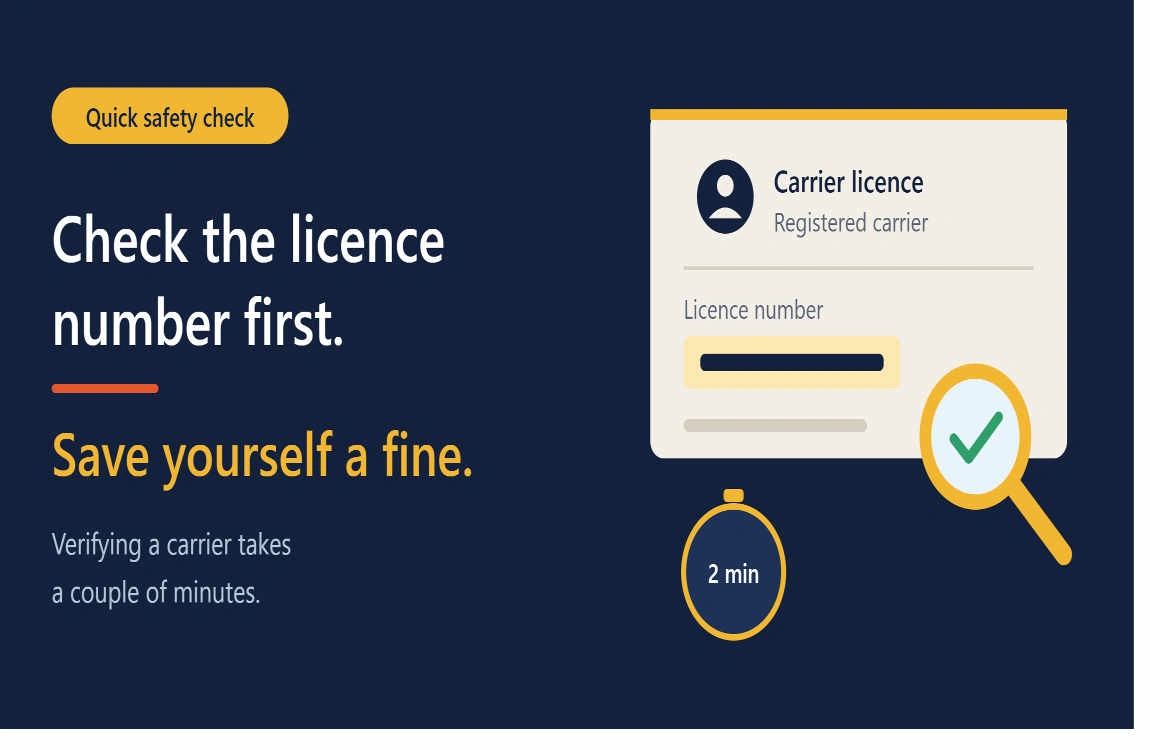
- Ask for the waste carrier licence number and check it on the Environment Agency public register.
- Get at least three written quotes and ask each firm whether the value of items is deducted from the price.
- Remove sentimental and important items first, such as documents, photographs, keepsakes and cash.
- Ask for an itemised settlement if valuables are sold, especially if you are acting for an real estate.
- Keep the paperwork. Peterborough City Council advises getting an invoice, waste transfer note or receipt so you have a paper trail if things go wrong.
- Avoid upfront cash-only deals with no company name, no licence number and no written terms.
Frequently asked questions
Do house clearance companies pay you for items?
Some do. They pay when the resale value of the contents is higher than their fee and disposal costs. If it is lower, you pay the balance.
How much does a house clearance cost in the UK?
MyJobQuote reports an average of around £450, with most jobs taking 6 to 12 hours. Prices rise with property size, volume of waste, access difficulty and hazardous materials.
Is a free house clearance really free?
It can be, if the contents are valuable enough to cover the company’s costs. Always check the terms in writing, and confirm the company holds a valid waste carrier registration.
Should I sell valuable items myself first?
Often it is worth getting a valuation before the clearance. Auction houses can value and sell antiques, art and jewellery, which may return more than a bulk offset against a clearance bill.
What happens if I use an unlicensed clearance company?
If your waste is fly-tipped and traced to you, your council may issue a fixed penalty or prosecute. Councils have reported penalties in the hundreds of pounds, such as £600 in one Wiltshire case.
How can I check a waste carrier is legitimate?
Ask for their licence number and search it on the Environment Agency’s public register of waste carriers, brokers and dealers. Equivalent registers exist in Wales, Scotland and Northern Ireland.
Final thoughts
So, do house clearance companies pay you? They can, but only when your property holds enough resale value to beat their costs. Treat any promise of a payout as a quote to verify, not a guarantee. Get valuables assessed, compare written quotes, and confirm the carrier’s licence before anything leaves the house. That protects both your money and your legal position.
Sources
- GOV.UK – Register or renew as a waste carrier, broker or dealer
- GOV.UK – Guidance for local authorities on household waste duty of care fixed penalty notices
- GOV.UK – Fly-tipping: new measures in government fight against waste crime
- Environment Agency – Register as a waste carrier, broker or dealer at GOV.UK
- Environment Agency – Public register of waste carriers, brokers and dealers
- Wiltshire Council – Swindon resident fined £600 for using unlicensed waste carrier
- Peterborough City Council – Registered waste carriers
- Wotton Auction Rooms – What does a house clearance entail?
- Anderson & Garland – House clearance: the benefits of selling through an auction house
- Drakes Auctions – House clearance service
- MyJobQuote – House clearance cost guide (UK)
- CompareMyMove – Do house clearance companies pay you?