Ever wondered what makes a house truly feel like a home? We all know that a house is made of walls, beams, and roofs, but a home is built with intention, love, and careful planning. You might have found yourself flipping through magazines or scrolling through social media, admiring beautifully crafted living spaces, and asking yourself: what is residential architecture, really?
In simple terms, residential architecture is the dedicated art and science of designing safe, highly functional, and aesthetically pleasing private living spaces. These spaces range from single-family homes and cozy suburban townhouses to massive, multi-family apartment buildings. It is about taking a blank canvas and creating an environment where families grow, memories are made, and daily life flows with absolute ease.
Much like crafting an engaging story requires a strong narrative arc, deeper meaning, and smooth transitions , designing a home requires a deep understanding of human needs, spatial flow, and structural integrity. A well-designed house speaks to its inhabitants, creating an atmosphere that feels completely natural and uniquely humanly written .
As we move deeper into 2026, the focus of home design has drastically shifted. We are no longer just looking at pretty facades. Today, sustainable home design and climate-conscious building practices are taking center stage. From net-zero energy houses that produce as much power as they consume, to biophilic spaces that bring the healing power of nature indoors, the industry is evolving at lightning speed.
Core Definition
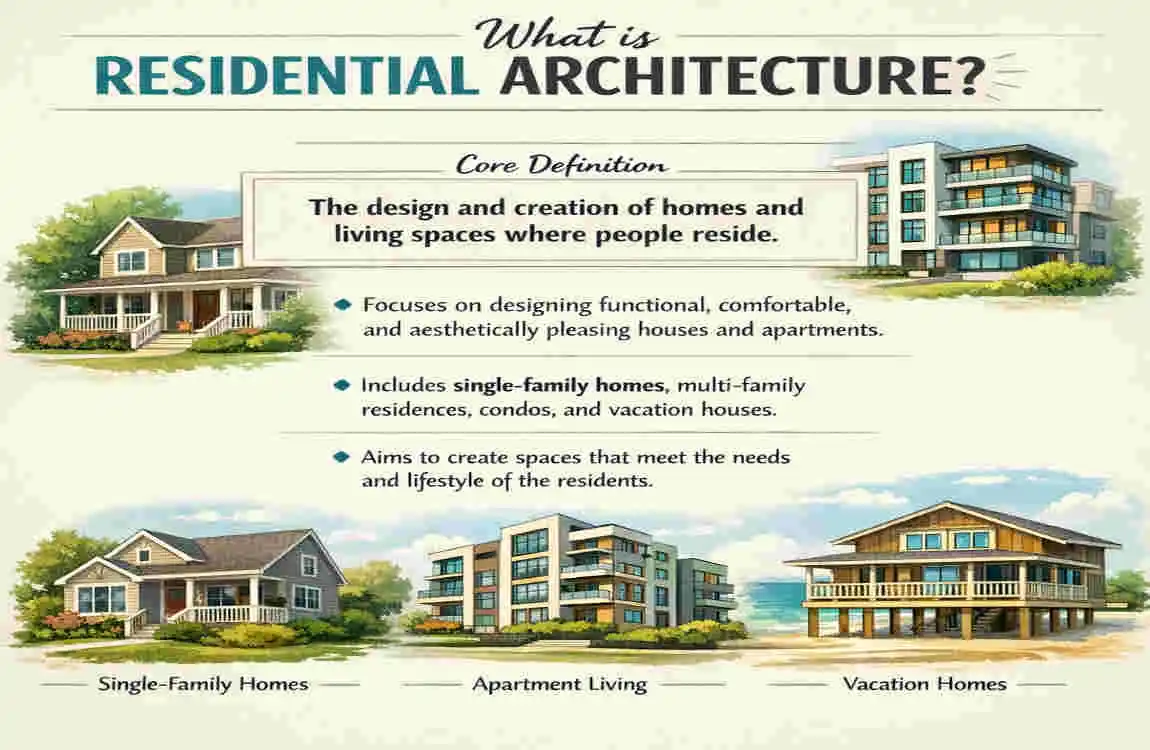
What Is Residential Architecture Exactly?
If you were to ask an expert, “what is residential architecture,” they would tell you that it is a specialized discipline entirely focused on creating private dwellings. But it goes so much deeper than just sketching a few blueprints. It is an intricate dance between spatial planning, visual aesthetics, and complex building science.
An architect’s job is to design spaces that comply with strict building codes, zoning laws, and safety regulations, all while perfectly reflecting the unique lifestyles of the people who will live there. It is a highly tailored process. Just as expert editors analyze a draft for its structure, flow, and overall reader experience, architects analyze a floor plan to ensure the physical flow and daily living experience are seamless for the homeowner. They want to make sure there are no awkwardly placed doors, poorly lit rooms, or wasted spaces.
There are several primary types of residential buildings:
- Single-Family Homes: Standalone properties designed for one family, offering maximum privacy and space.
- Multi-Family Dwellings: Buildings like duplexes, townhomes, and apartment complexes that house multiple separate households under one roof.
- Mixed-Use Developments: Innovative spaces that combine residential living with commercial or retail spaces on the ground floor, creating highly walkable, vibrant urban communities.
In all these forms, the ultimate goal remains the same: to create readable, engaging, and informative pieces of living art that enhance the daily journey of residents.
Key Principles and Characteristics
What makes a house stand out as a brilliant piece of residential architecture? It all comes down to a few core principles. The design must be concise and to the point, eliminating unnecessary clutter to maximize comfort and utility .
Here are the key characteristics that define exceptional home design:
- Spatial Efficiency for Daily Routines: A great layout anticipates your every move. Whether you are carrying groceries from the garage to the kitchen or trying to keep an eye on the kids from your home office, the spatial flow must support your daily habits effortlessly.
- Aesthetic Harmony with the Environment: A home should never look as if it were randomly dropped from the sky. It needs to blend harmoniously with its natural surroundings, utilizing local materials and taking advantage of the site’s unique topography and sunlight.
- Safety and Adaptability: Homes must be safe havens. This means structurally sound designs that can withstand local weather patterns. Furthermore, great homes are adaptable, able to change and evolve as a family’s needs shift over time.
- Tech Integration: In 2026, incorporating smart home systems is no longer a luxury; it is a standard. From automated climate control to advanced security systems, seamless tech integration is a pillar of modern living.
When these principles come together, they are perfect for expressing key points in an easy-to-digest presentation—meaning the home just makes sense the moment you walk through the front door .
Historical Evolution
To truly appreciate where we are today, we need to take a quick step back in time. The historical evolution of residential architecture is a fascinating journey that traces human progress.
In ancient times, dwellings were purely about survival. Early humans utilized mud, stone, and animal skins to create simple shelters that protected them from predators and harsh weather. However, as civilizations grew, so did the complexity of our homes.
Fast forward to the 19th and 20th centuries, and we see an explosion of distinct residential architecture styles. The Craftsman movement emerged as a beautiful rebellion against mass production, emphasizing handcrafted woodwork, natural materials, and cozy, intimate spaces. Soon after, the Ranch-style home took post-war America by storm, offering sprawling, single-story layouts that celebrated casual family living and easy access to the backyard.
Then came the International Style and the broader Modernist movement, which stripped away ornate decorations in favor of clean lines, flat roofs, and massive expanses of glass. This era taught us that form should always follow function.
However, the most significant shift in modern history began just after the 2000s. As global awareness of climate change grew, the architectural world experienced a massive awakening. The focus pivoted sharply toward sustainable home design. Architects realized they could no longer just build for the present; they had to build for the future. Today, the evolution continues as we prioritize eco-friendly materials, energy efficiency, and designs that give back to the planet rather than deplete it.
Popular Residential Styles
When envisioning your dream home, deciding on the architectural style is usually the first step. Because every homeowner has different tastes, professionals must be able to adapt their style and tone to each assignment, formatting their piece to focus on exactly what the client needs .
To help you navigate the myriad of choices, we have put together this handy comparison table of the most popular residential architecture styles you will see in 2026.
Style Key Features Best ForExample
Modern Minimalist aesthetic, heavy use of glass and concrete, flat roofs, open floor plans, clean geometric lines. Urban minimalists and those who love a sleek, uncluttered lifestyle. Iconic mid-century modern homes in Palm Springs.
Neoclassical Grand columns, strict symmetry, ornate detailing, tall windows, and a strong sense of formal proportion. Homeowners seeking traditional luxury and timeless, imposing elegance. Early 1900s US estates and historic southern mansions.
Contemporary : Blends multiple styles, heavily emphasizes indoor-outdoor flow, large windows, and sustainable materials. Families seeking flexibility, warmth, and a strong connection to nature. Today’s net-zero modular homes.
Craftsman Rich exposed woodwork, low-pitched roofs, wide front porches, built-in furniture, natural earthy materials. Cozy suburban living and homeowners who appreciate artisanal details. Classic American Bungalows.
Deep Dive into the Styles
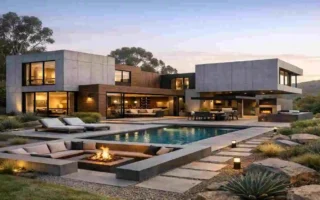
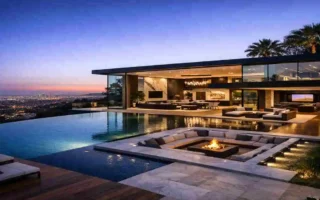
Modern Architecture Modern homes are all about simplicity. By stripping away unnecessary decorations, these homes feel incredibly airy and light. The major pro is the abundance of natural light thanks to floor-to-ceiling windows. The con? The minimalist aesthetic can sometimes feel a bit cold or clinical if not warmed up with the right interior design.
Neoclassical Architecture If you want your house to make a statement, Neoclassical is the way to go. Drawing inspiration from ancient Greece and Rome, these homes exude power and luxury. The pro is undeniable curb appeal and timelessness. The con is that they are often quite expensive to build and maintain due to the intricate detailing and massive scale.
Contemporary Architecture Don’t confuse Contemporary with Modern! While Modern refers to a specific historical era (roughly the 1920s to 1950s), Contemporary refers to what is popular right now. In 2026, this means highly flexible spaces, an emphasis on sustainability, and seamless blending of indoor and outdoor living areas. The pro is maximum livability for today’s fast-paced lifestyles. The con is that “contemporary” trends change over time, so the home might eventually need an update to stay current.
Craftsman Architecture Craftsman homes feel like a warm hug. They are built with deep respect for natural materials like wood and stone. The pro is the undeniable charm, coziness, and high-quality craftsmanship. The con is that the defined, separate rooms of a traditional Craftsman don’t always align with today’s preference for massive, open-concept floor plans.
Sustainable Trends 2026
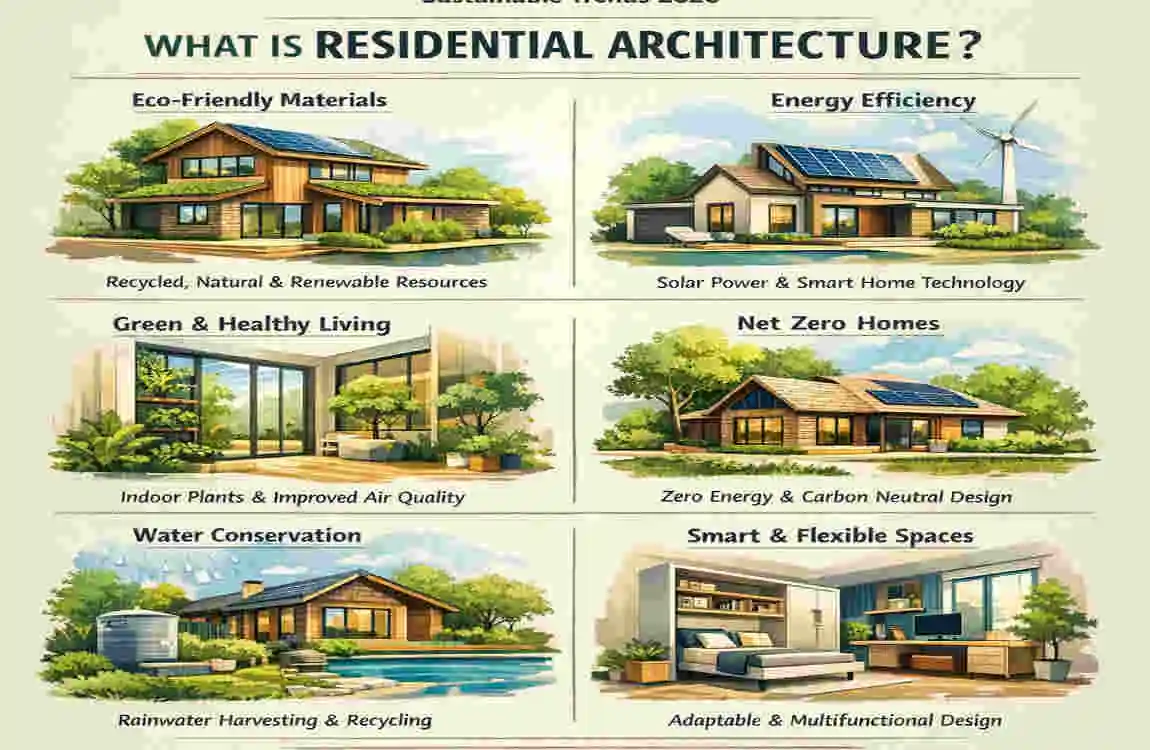
If you want to know what is residential architecture heading toward in the near future, the answer is simple: total sustainability. The days of drafty, energy-guzzling houses are long gone. Today, eco-friendly homes are the gold standard.
The Rise of Eco-Friendly Designs
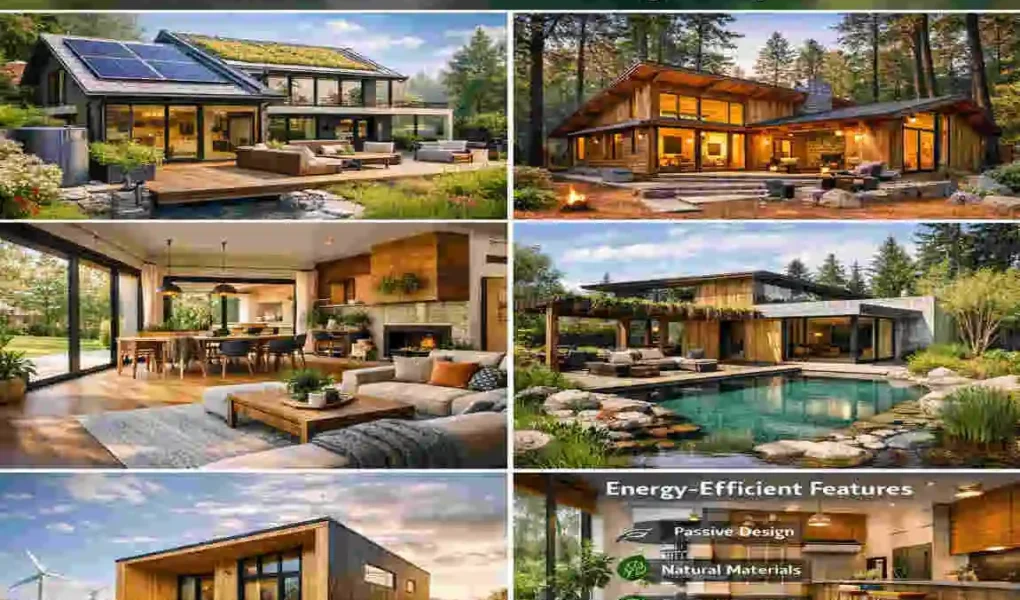
The most exciting development in 2026 is the mainstream adoption of net-zero and positive energy buildings. A net-zero home is designed to produce exactly as much energy as it consumes over the course of a year. Positive-energy homes take it a step further—they generate more energy than they use, allowing homeowners to sell power back to the grid!
How is this achieved? It comes down to brilliant architectural planning combined with advanced technology. Roofs are angled perfectly to capture maximum solar energy through high-efficiency solar panels. Furthermore, modular construction techniques allow homes to be built in climate-controlled factories, dramatically reducing construction waste and ensuring airtight building envelopes.
Another massive trend is passive heating and cooling. By strategically placing windows, using thermal mass (such as concrete floors that absorb heat during the day and release it at night), and taking advantage of natural shading from trees, architects can naturally regulate a home’s temperature. This simple yet highly effective approach routinely slashes energy bills by an impressive 20-30%.
Top Materials and Tech
To build a truly sustainable home, you need to start with the right ingredients.
- Sustainable Materials: Reclaimed wood is in high demand right now. It not only saves trees but adds gorgeous, rustic character to a space. Additionally, Insulated Concrete Forms (ICFs) are revolutionizing wall construction. ICFs provide incredibly high insulation values, making homes quieter, sturdier, and incredibly energy-efficient.
- Smart Tech Integration: Technology is the brain of the modern eco-friendly home. Automated smart thermostats, lighting systems that adjust based on natural daylight, and smart blinds that close during the hottest part of the day are helping homeowners effortlessly reduce their overall energy consumption by 10-15%.
- Biophilic Design: Humans possess an innate desire to connect with nature. Biophilic design bridges the gap between the indoors and outdoors. By incorporating living green walls, indoor water features, abundant natural light, and organic textures, architects are boosting residents’ mental and physical well-being. In fact, consumer demand for biophilic features has skyrocketed by over 60% this year alone.
Water and Green Features
Sustainability isn’t just about electricity; it is also about water conservation. In 2026, smart residential architecture incorporates advanced rainwater-harvesting systems that collect runoff for irrigation or toilet flushing.
We are also seeing a massive surge in green roofs. A green roof is partially or completely covered with vegetation. Not only do they look stunning, but they also provide excellent insulation, reduce stormwater runoff, and create vital micro-habitats for local birds and pollinators.
Benefits and Challenges
Embracing sustainable home design is an incredibly rewarding journey, but it is important to understand the full picture. Like any major investment, there are both remarkable benefits and a few hurdles to consider.
The Benefits
The advantages of building an eco-friendly home are hard to ignore.
First and foremost are the significantly lower operating costs. When your home requires less energy to heat and cool, and you are generating your own solar power, your monthly utility bills plummet.
Second, there are profound health gains. Sustainable homes utilize non-toxic paints and building materials, resulting in vastly superior indoor air quality. Combined with the stress-reducing effects of biophilic design and abundant natural light, these homes actively promote a healthier lifestyle.
Finally, let’s talk about the financial upside. Eco-friendly homes are highly sought after in today’s real estate market. Properties equipped with solar panels, smart tech, and energy-efficient certifications are seeing their resale values jump by upwards of 10% compared to traditional homes.
The Challenges
Of course, the path to a green home isn’t without its obstacles.
The most common hurdle is the upfront cost. High-performance windows, solar panel arrays, and premium insulation materials require a larger initial investment. Additionally, navigating local zoning laws and strict building regulations for newer technologies (like greywater recycling systems) can sometimes be a complex, bureaucratic headache.
The Solutions
Fortunately, these challenges are easier to overcome than ever before. To offset the initial expenses, homeowners can take advantage of numerous federal, state, and local tax incentives and rebates designed specifically to encourage green building. Furthermore, working with an experienced architectural firm ensures that you have professionals on your side who know exactly how to navigate complex local building regulations.
Future Outlook
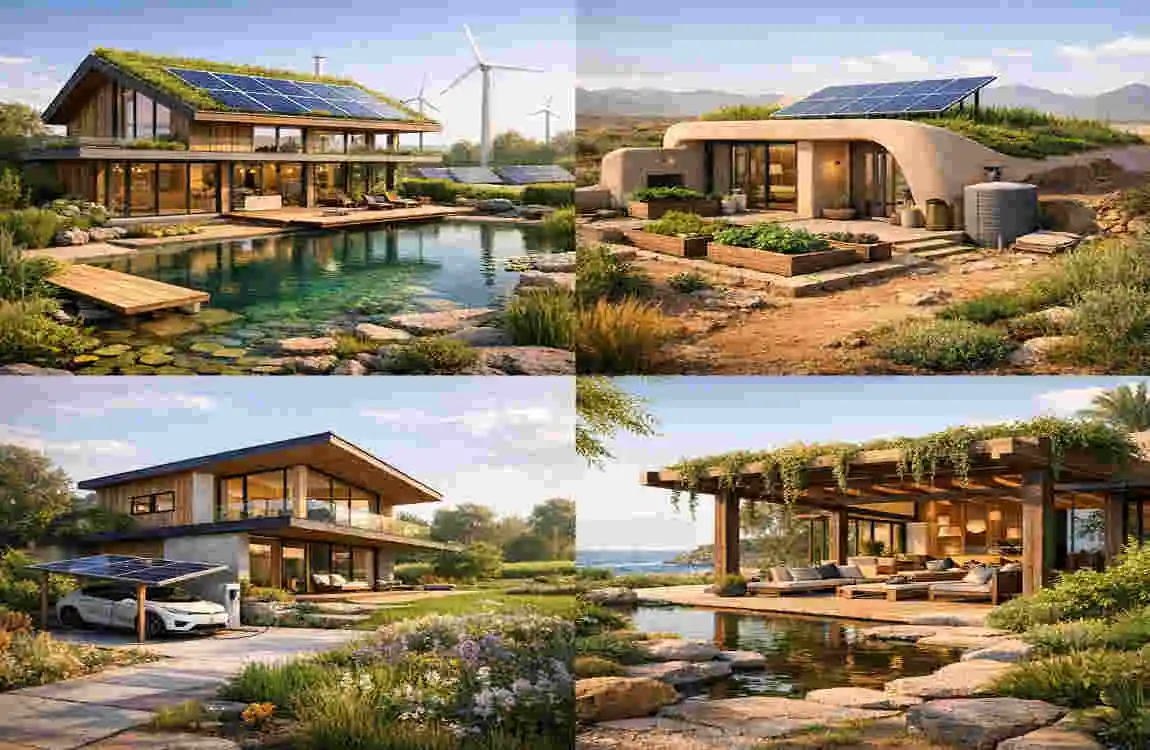
If the innovations of 2026 have taught us anything, it is that the future of residential architecture is boundlessly exciting. As we look ahead to 2027 and beyond, the industry is poised for another massive technological leap.
We predict that 3D printing will move from a niche experiment to a mainstream construction method. Imagine being able to print the entire structural framework of a customized, affordable home in just a few days, using highly durable, sustainable composite materials!
Furthermore, AI design is set to revolutionize the planning phase. Artificial intelligence will empower architects to run thousands of climate and energy simulations in real time, optimizing a home’s orientation and material selection for maximum sustainability before a single shovel hits the dirt.
At our firm, we pride ourselves on staying ahead of the curve. Partner with us for trend-forward homes that perfectly blend cutting-edge technology with timeless comfort.
FAQs
What is residential architecture in simple terms? In its most basic form, residential architecture is the dedicated process of designing and building private, functional living spaces—like single-family homes, townhouses, and apartments—tailored to the specific lifestyle needs of the people who will inhabit them.
What is the top sustainable trend in 2026? The biggest trend right now is the rise of the net-zero home. These incredible buildings are designed to be so energy-efficient that, through the use of solar panels and smart technology, they produce as much energy as they consume over the course of a year.
What is the difference between Modern and Contemporary styles? Modern architecture refers to a specific historical design movement (characterized by minimalism, flat roofs, and glass). In contrast, Contemporary architecture refers to the styles and trends that are popular right now, which currently feature a blend of sustainable materials, flexible layouts, and strong indoor-outdoor connections.
Does sustainable design cost more? While there can be higher upfront costs for premium eco-friendly materials and solar technology, these expenses are quickly offset by massive energy savings, government tax incentives, and a significantly higher home resale value.