Bathrooms are no longer just functional spaces; they’re becoming sanctuaries for relaxation and style. When imagining the ultimate luxury bathroom, marble often comes to mind. Its natural beauty, unique veining, and timeless elegance make it an aspirational material for floors, vanities, and even walls. But the big question remains: Is marble good for bathroom designs?
Why Bathrooms Demand Durable Materials
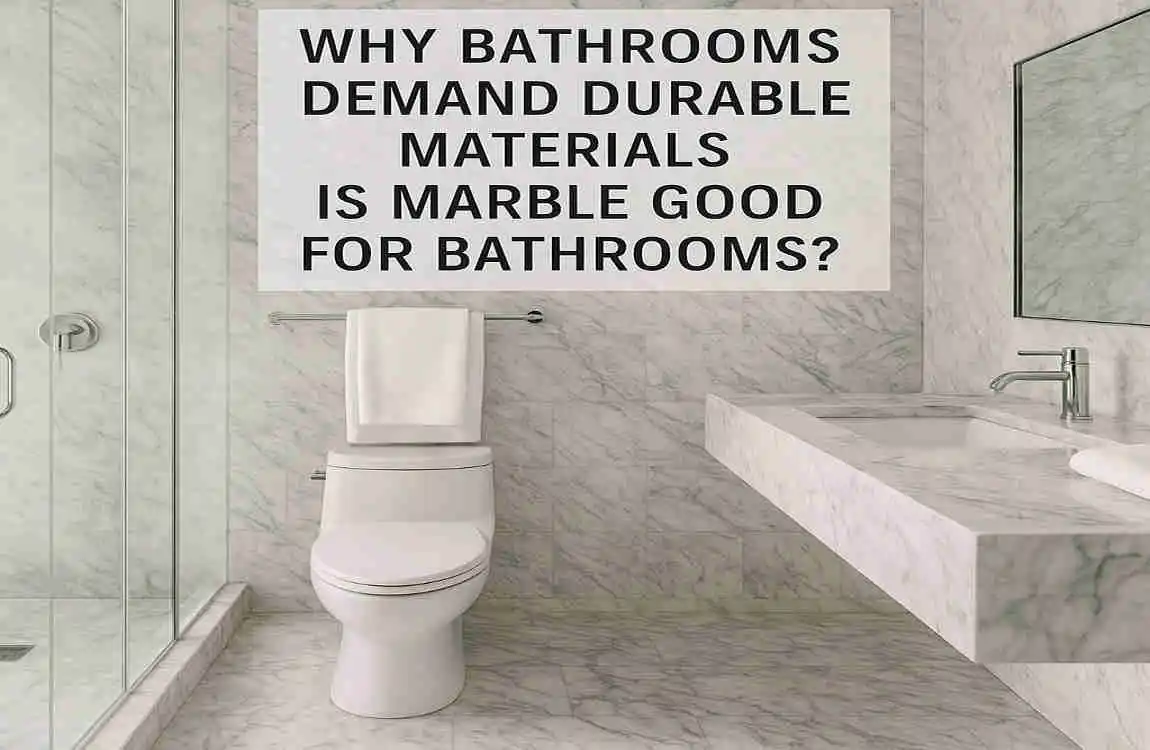
Bathrooms are high-moisture areas that require materials that withstand water, heat, and daily wear. Floors and vanities endure splashes, soap residue, and cosmetics, while the humid environment can accelerate wear and tear. Choosing the right material is key to ensuring both aesthetics and functionality.
Outline of This Post
Here’s what you’ll learn in this article:
- The Pros of Marble in Bathrooms: Why it’s loved for its luxurious appeal.
- The Cons of Marble in Bathrooms: The challenges you need to consider.
- Best Practices for Marble Installation: Tips for Maintaining Its Beauty.
- Stylish Alternatives to Marble: Explore durable, low-maintenance options.
- Maintenance Comparison and Bathroom Trends for 2026: What’s trending and how upkeep impacts your choice.
- Conclusion and Call to Action: Helping you decide if marble is the right fit for your bathroom.
The Pros of Marble in Bathrooms
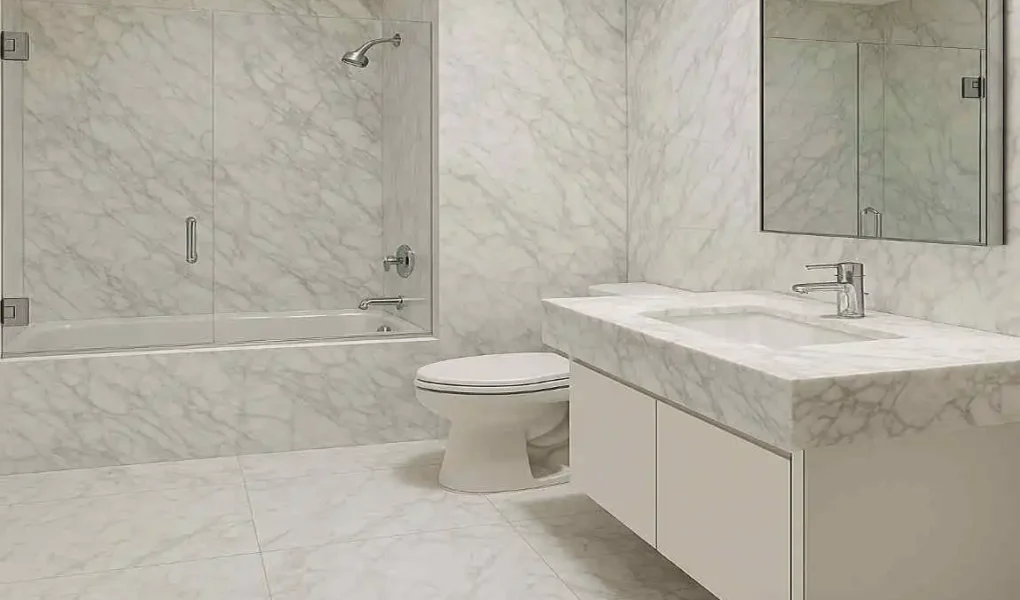
Marble has been a symbol of luxury for centuries. From ancient Roman baths to modern luxury homes, it remains a top choice for transforming ordinary bathrooms into spa-like spaces. Let’s explore its key benefits.
Luxurious Aesthetics
Marble is synonymous with elegance. Its natural veining, unique patterns, and soft polish create an upscale, refined look. Whether you choose the classic white Carrara marble, the dramatic Calacatta gold, or a darker Emperador, no two slabs are the same. This uniqueness adds personality to your bathroom.
- Boosts Home Value: Bathrooms featuring marble are often seen as a Premium upgrade, enhancing property value and appeal to buyers.
- Timeless Appeal: Unlike trends that fade, marble’s beauty never goes out of style.
Temperature Regulation
Marble has a natural ability to stay cool underfoot, making it ideal for bathrooms, especially in warm and humid climates. It’s a favorite choice for homeowners in tropical regions or anyone who appreciates a cool, refreshing surface after a hot shower.
Versatility
Few materials are as versatile as marble. It can be used for:
- Bathroom Floors: Polished or honed marble tiles.
- Vanities: A smooth marble countertop adds a touch of sophistication.
- Wall Cladding: Full marble walls or accents for a luxurious look.
You can find marble in various shades and finishes, making it suitable for both modern minimalist and classic traditional designs.
Durability with Proper Care
When properly sealed and maintained, marble can withstand heavy use for decades. It’s a natural stone, which means it’s inherently strong, making it a durable choice for low-traffic bathrooms or spaces where regular upkeep is manageable.
The Cons and Challenges of Marble in Bathrooms
While marble has undeniable beauty, it’s not without its challenges. Understanding these drawbacks will help you decide if it’s suitable for your lifestyle and budget.
Porosity and Staining
Marble is a porous material, meaning it absorbs liquids like water, soap, and cosmetics. Without regular sealing, spills can lead to stains that are nearly impossible to remove. Common culprits include:
- Red wine
- Makeup products
- Cleaning agents
For bathrooms, this can be particularly problematic, as water and soap residue are constant.
High Maintenance Requirements
Marble requires consistent care to maintain its beauty:
- Seal Regularly: Experts recommend sealing every 6-12 months to protect against staining.
- Use pH-Neutral Cleaners: Harsh or acidic cleaners can etch the surface, leaving dull marks.
- Daily Wiping: Water spots and soap scum can quickly accumulate, requiring frequent cleaning.
Cost and Slip Risk
Marble is one of the most expensive bathroom materials, both in terms of upfront costs and long-term maintenance. Additionally, polished marble can be slippery when wet, increasing the risk of falls—especially in homes with children or older adults.
Not Ideal for High-Traffic Bathrooms
Marble scratches easily, and in busy households, it can show signs of wear quickly. From dropped objects to scrubbing, everyday use can lead to chips or dull spots.
Best Practices for Marble Installation
If you’re committed to using marble in your bathroom, following these best practices will help you maximize its lifespan and beauty.
Choose a Honed Finish
A honed (matte) finish is less slippery than a polished marble finish, making it safer for bathroom floors. It also hides scratches and fingerprints better than a high-gloss surface.
Seal Regularly
To prevent staining, create a sealing schedule. Most experts recommend resealing every 6-12 months, but high-traffic areas may require more frequent attention.
Use Mats and Rugs
Place mats near sinks and showers to catch water and prevent slips. This small step can significantly reduce wear on your marble floors.
Hire Professionals
Marble installation requires precision. Hiring experienced professionals ensures proper sealing, grouting, and leveling, which minimizes cracking and water damage over time.
Stylish Alternatives to Marble
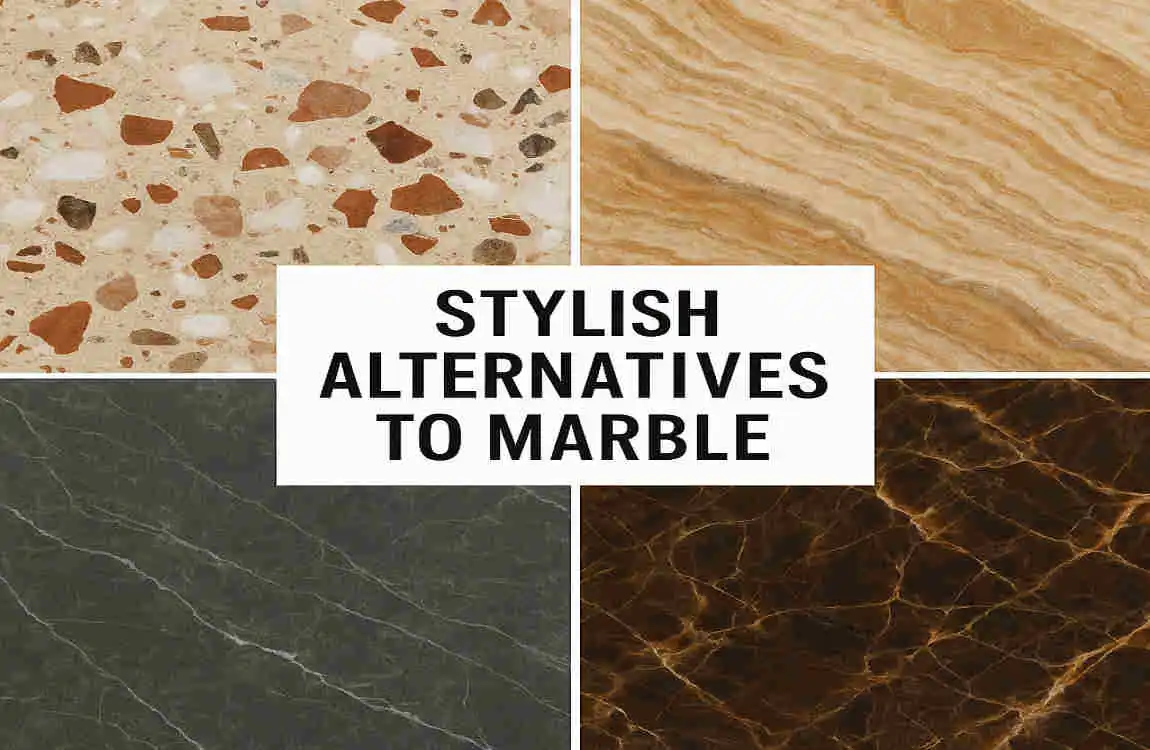
For those who love marble’s look but not its upkeep, several low-maintenance alternatives offer a similar aesthetic without the hassle. Below is a detailed comparison to help you weigh your options.
Material Pros Cons Best For Cost vs. Marble
Porcelain/Stone-Look Tile: Stain-resistant, affordable, easy to clean. Less Premium feel. Floors & vanities. 50-70% less.
Quartz Non-porous, no sealing needed, uniform patterns. Limited natural veining. High-use vanities. Similar price.
Luxury Vinyl Tile (LVT) is Waterproof, soft underfoot, and budget-friendly. Scratches more easily over time. Guest bathrooms. 60-80% less.
Travertine Porcelain Textured slip resistance, organic charm. Needs sealing if real stone. Modern rustic floors. Comparable.
Terrazzo/Porcelain Mix: Trendy patterns; hide stains. Heavier installation. Statement floors. Slightly less.
Design Tips for Marble Alternatives
- Pair wood-look porcelain floors with marble-look tiles for warmth and contrast.
- Use large-format quartz slabs for vanities to achieve a seamless, high-end finish.
- Consider textured porcelain for slip-resistant floors in family bathrooms.
Maintenance Comparison and 2026 Trends
When comparing marble to alternatives like porcelain or quartz, one thing becomes clear: marble demands more effort. While porcelain tiles require little more than weekly mopping, marble needs specialized cleaners, regular sealing, and careful handling to maintain its elegance.
Trending Designs for 2026
- Sustainable Materials: Eco-friendly, stone-look tiles are gaining popularity.
- Floating Vanities: Engineered quartz and porcelain slabs are ideal for modern, minimalist vanities.
- Bold Patterns: Terrazzo and speckled porcelain offer playful, trendy designs.