Wiring a home is one of the most important parts of any build or renovation. If you plan how to wire a small house properly, you can create a system that is safe, reliable, and easy to maintain.
| Aspect | Details |
|---|---|
| Project | How to Wire a Small House Safely and Efficiently |
| Primary Goal | Create a safe, code-compliant, and energy-efficient electrical system |
| First Step | Plan the electrical layout, circuits, outlets, and lighting locations |
| Key Components | Service panel, circuit breakers, wiring cables, outlets, switches, and grounding system |
| Common Wire Sizes | 14 AWG (15-amp circuits), 12 AWG (20-amp circuits), 10 AWG (30-amp circuits) |
| Safety Features | Grounding, GFCI outlets, AFCI breakers, and proper circuit protection |
| Essential Tools | Wire strippers, voltage tester, drill, fish tape, screwdrivers, and multimeter |
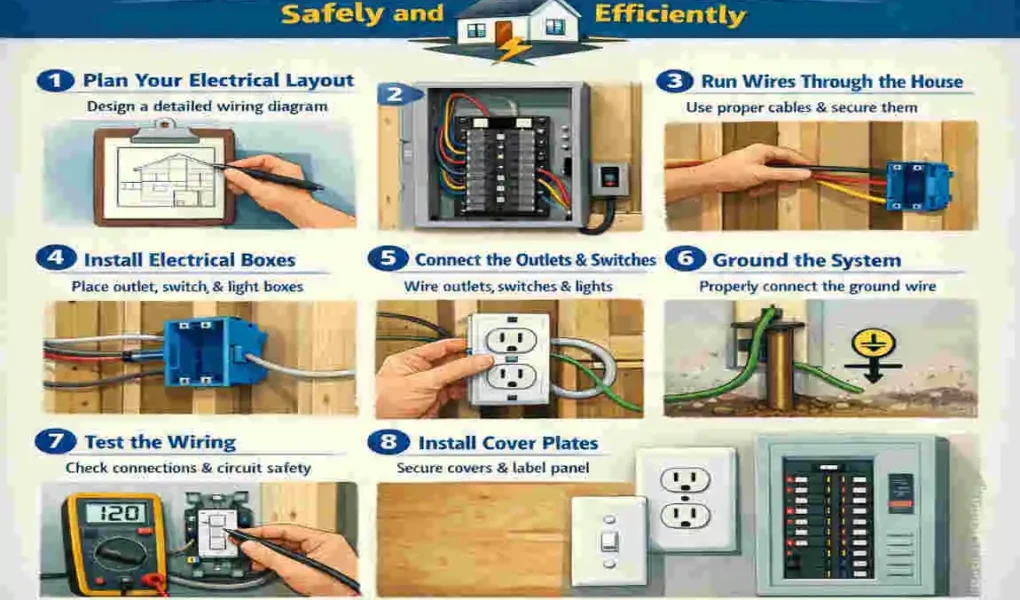
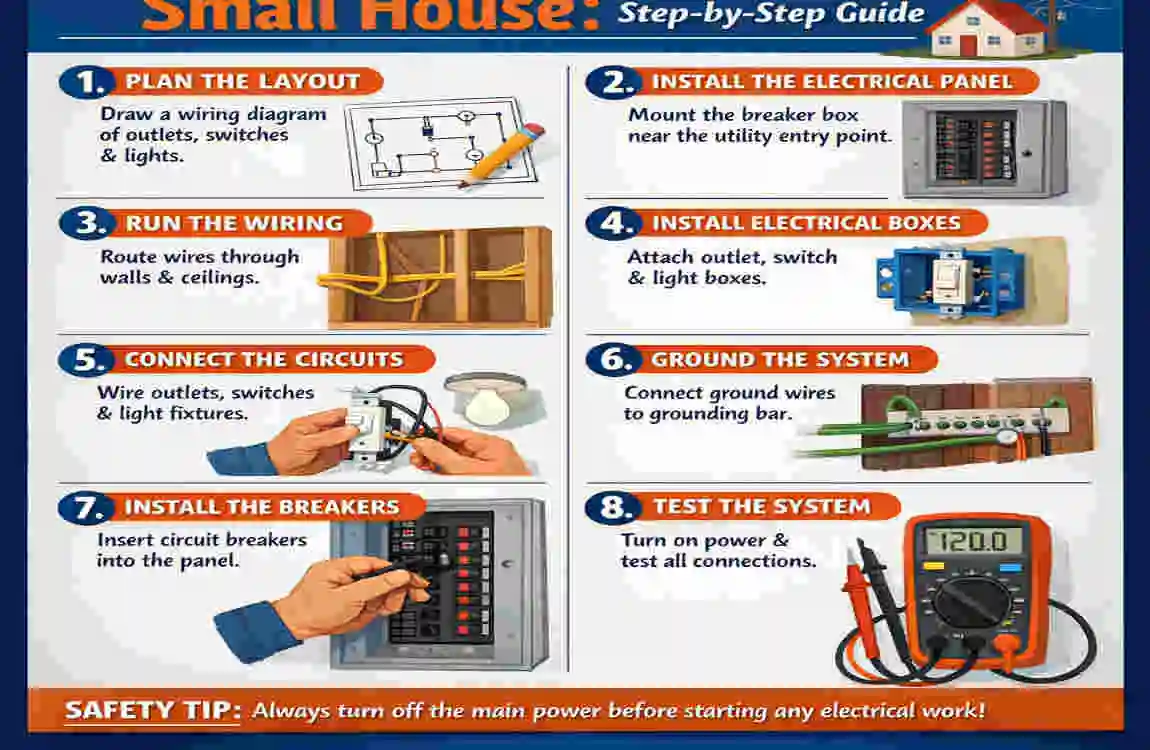
| Installation Process | Install panel → Run cables → Mount boxes → Wire outlets/switches → Connect circuits → Test system |
| Efficiency Tips | Use LED lighting, dedicated appliance circuits, and smart electrical controls |
| Common Mistakes to Avoid | Incorrect wire sizing, overloaded circuits, poor grounding, and improper labeling |
| Estimated Time | 3–10 days depending on house size and experience level |
A good wiring plan helps you avoid power problems, overloaded circuits, and costly repairs later. It also makes everyday life smoother because your lights, outlets, and appliances work the way they should. Many homeowners run into trouble when they rush the job, skip planning, or ignore local rules. That is why electrical safety tips, proper layout planning, and code compliance matter so much.
Understanding the Basics of House Wiring
What Is Residential Electrical Wiring?
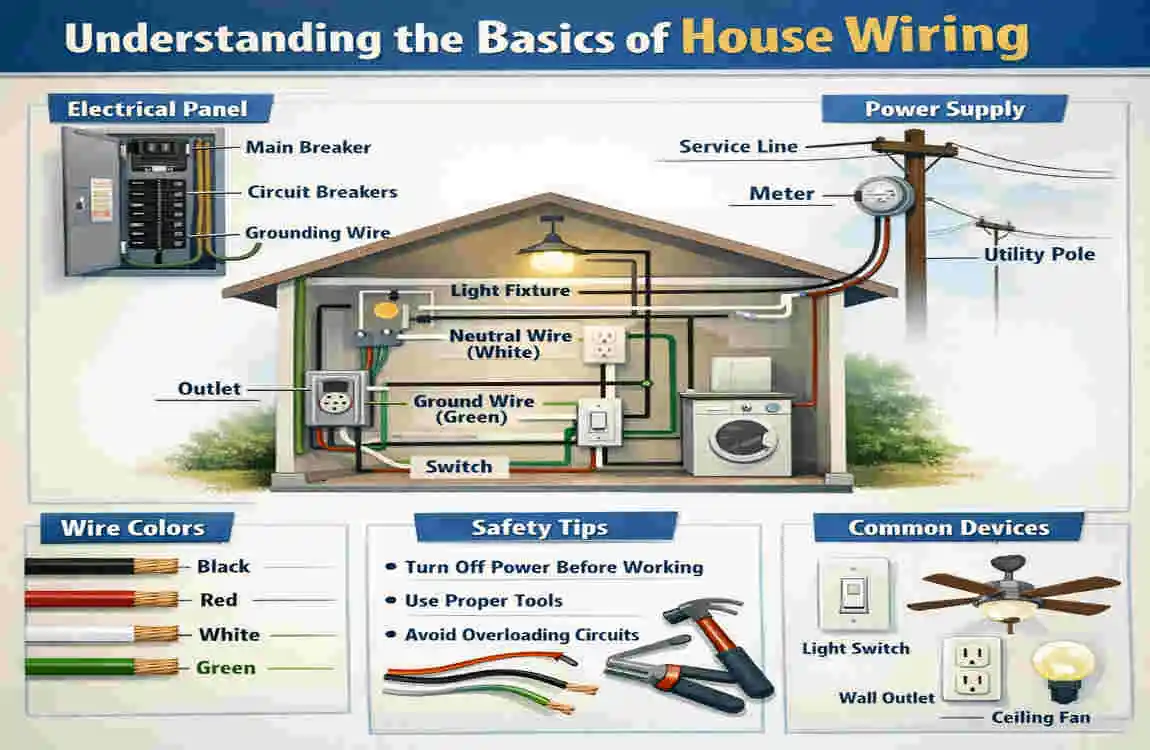
Residential electrical wiring is the system that carries electricity through your home. It connects the power source to your lights, outlets, switches, and appliances. In simple terms, it is the path that allows electricity to flow where you need it.
Main Components of a Home Electrical System
A basic home electrical system includes the service panel, circuit breakers, wiring cables, outlets, switches, and grounding. Each part plays a specific role. The panel supplies power, breakers protect circuits, and wiring carries electricity safely through the house.
Why Proper Wiring Matters
Good wiring protects people, appliances, and the house itself. It helps reduce fire risk, improves energy use, and supports long-term reliability. That is why house wiring installation should always be planned carefully.
Planning Before You Wire a Small House
Create an Electrical Layout
Start with a simple room-by-room plan. Mark where lights, switches, and outlets will go. This step helps you avoid awkward outlet placement and provides a clearer residential wiring diagram to follow.
Calculate Power Requirements
Think about what each room will be used for. Lighting, kitchen appliances, heaters, and future upgrades all affect your system. Smart electrical circuit planning helps you avoid overloaded lines later.
Obtain Necessary Permits
Most places require permits and inspections for wiring work. Following local rules keeps your project legal and safe. It also helps confirm that your wiring a new house project meets proper standards.
Prepare a Wiring Blueprint
A simple blueprint makes the job easier. It should show circuit paths, panel locations, and load zones. This is one of the best ways to keep your house wiring installation organized.
Tools and Materials Needed for House Wiring
Essential Wiring Tools
You will need basic tools like wire strippers, a voltage tester, fish tape, a drill, screwdrivers, and a multimeter. These tools help with cutting, testing, and safely placing wires.
Required Electrical Materials
The main materials include electrical cables, breakers, junction boxes, outlets, switches, and grounding rods. Choosing the right items from the start helps your DIY house wiring project go more smoothly.
Safety Equipment
Wear insulated gloves, safety glasses, and electrical-rated boots. These items add an extra layer of protection while you work.
Quick Tool and Material Guide
Item Purpose
Voltage tester Checks if power is off
Wire strippers remove wire insulation
Junction boxes protect wire connections
Circuit breakers help prevent overloads
Grounding rods support safe grounding
Choosing the Right Electrical Wiring for a Small House
Types of Electrical Cables
Common options include NM-B cable, armored cable, and conduit wiring. The best choice depends on your wall type, local code, and project needs.
Selecting Correct Wire Gauge
Wire size matters. 14-gauge wire is often used for lighting, 12-gauge wire is common for outlets, and 10-gauge wire is used for heavier loads.
Matching Wire Size to Circuit Load
Keep light, outlet, and appliance circuits separate when possible. This makes the basics of electrical wiring easier to manage and helps prevent overloading.
Understanding Color Codes
Hot wires usually carry power, neutral wires complete the circuit, and ground wires add protection. Knowing these colors makes your wiring safer and easier to trace.
Step-by-Step Guide on How to Wire a Small House
install the Electrical Service Panel
Choose a dry, easy-to-reach location. Mount the panel securely and make sure there is enough space around it for safe access and future service.
Mark Outlet and Switch Locations
Place outlets where they are easy to use and switches where they are easy to reach. Good spacing improves convenience and keeps the home practical.
Run Electrical Cables
Drill holes through studs carefully and route cables without damaging them. Keep wires neat, secure, and protected from sharp edges.
install Electrical Boxes
Install outlet boxes, switch boxes, and junction boxes where needed. Boxes keep connections safe and provide proper support for the wiring.
Connect Receptacles and Switches
Wire outlets and switches according to the circuit plan. Make sure all grounding connections are secure. This is a key part of a safe residential electrical wiring setup.
Wire Lighting Fixtures
Connect ceiling lights and exterior lights with care. For better efficiency, choose LED fixtures, which use less power and last longer.
Connect Circuits to the Panel
Label each breaker clearly and connect circuits in an organized way. Good labeling makes future repairs much easier.
Ground the Electrical System
Grounding helps protect people and equipment during a fault. Install the ground rod correctly and verify that the system is properly bonded.
Essential Electrical Safety Tips
Turn Off Power Before Working
Never work on live wires. Always shut off the power and test before touching anything.
Avoid Overloaded Circuits
Do not place too many devices on one line. Overloaded circuits can cause heat, tripped breakers, and safety risks.
Use GFCI and AFCI Protection
Use GFCI outlets in bathrooms, kitchens, and outdoor areas. AFCI protection helps reduce the risk of fire in living spaces.
Follow National and Local Electrical Codes
Code rules exist to protect you. They also help ensure your residential electrical wiring is accepted during inspection.
Schedule Professional Inspections
Even if you do much of the work yourself, a licensed electrician can inspect the system and catch hidden issues.
Common Mistakes to Avoid When Wiring a Small House
Using Incorrect Wire Sizes
The wrong wire size can overheat or fail under load. Always match the wire to the circuit.
Poor Grounding Practices
Weak grounding lowers safety. Make sure every part of the system is properly bonded.
Overcrowded Electrical Boxes
Too many wires in one box can create heat and confusion. Leave enough room for safe connections.
Improper Circuit Labeling
If breakers are not labeled clearly, future repairs become harder and slower.
Ignoring Future Electrical Needs
Plan a little extra capacity now. That way, your efficient house wiring can support future changes without major rewiring.
Improving Electrical Efficiency in a Small House
Install LED Lighting
LED lights use less energy and last much longer than older bulbs.
Use Energy-Efficient Appliances
Choose appliances that draw less power and run more efficiently.
Separate High-Demand Circuits
Keep heavy-use items on separate circuits so the whole system stays balanced.
Consider Smart Home Technology
Smart switches and timers can reduce waste and improve control.
Plan for Solar Integration
If solar may be added later, design the wiring with that in mind from the start.
When to Hire a Professional Electrician
Complex Electrical Projects
If the job is large or confusing, a professional can save you time and reduce risk.
Service Panel Upgrades
Panel work is often best left to a licensed electrician because it affects the whole system.
Local Code Requirements
Some areas require professional handling for major electrical work.
Safety Concerns
If you feel unsure at any point, it is better to get help than to guess.
Cost to Wire a Small House’
Material Costs
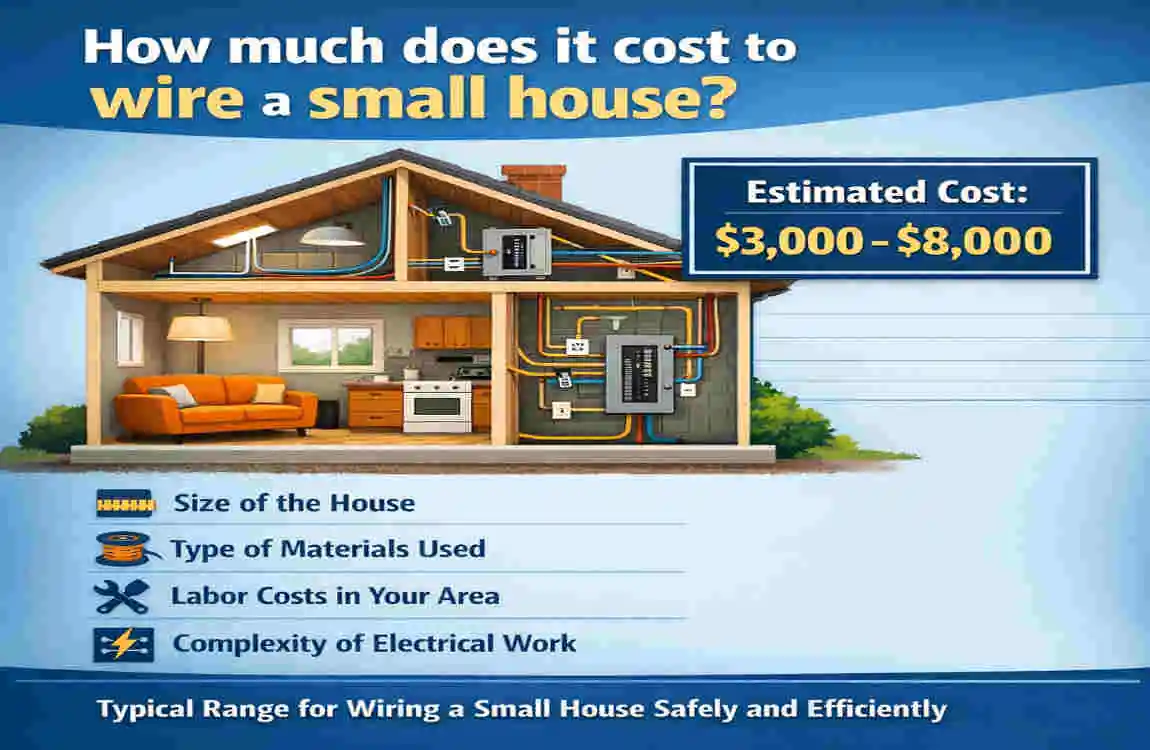
Material prices depend on wire type, panel size, boxes, breakers, and fixtures.
Labor Costs
If you hire help, labor can be a significant part of the total cost of house wiring.
Factors Affecting Total Price
The final price depends on house size, number of circuits, and local labor rates.
Ways to Save Money Safely
Plan well, avoid waste, and compare options carefully. Do not cut corners on safety.
Frequently Asked Questions About How to Wire a Small House
How much wire does a small house need?
It depends on the floor plan, number of circuits, and outlet layout. A good home wiring checklist helps you estimate it more accurately.
Can I wire a small house myself?
Yes, in some places you can do parts of it yourself if you understand the rules. Still, many people hire help for inspection or panel work.
What size breaker panel is best for a small home?
That depends on the total load and future needs. A licensed electrician can help choose the right size.
How many outlets should a small house have?
Enough to avoid heavy use of extension cords. Good outlet placement makes everyday use safer and easier.
How long does it take to wire a small house?
The time depends on the size of the home and the work involved. Planning and preparation usually take longer than people expect.
What is the safest wiring method for a home?
The safest method is the one that follows code, uses the right materials, and is inspected properly. Careful house wiring installation always matters more than speed.