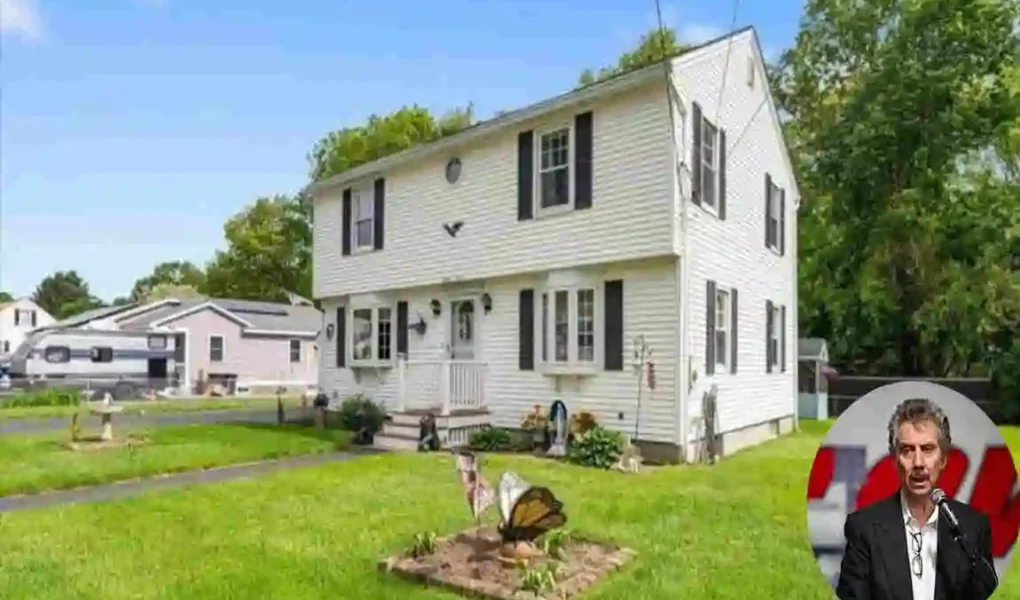
The Robert Bigelow House draws attention because it represents something many people find fascinating: wealth, privacy, and mystery. Billionaire homes often spark curiosity, but this one feels especially unusual because its owner is known for big ideas in space research, advanced technology, and private exploration.
Robert Bigelow is not just a businessman. He is also a figure linked to aerospace innovation, space habitat research, and UFO studies. That makes his home feel more than just a luxury estate. It feels like a place shaped by a very specific lifestyle, where security, seclusion, and smart planning matter more than public display.
| Category | Details |
|---|---|
| Full Name | Glenn Bryan Stearns |
| Date of Birth | 1963 |
| Age (approx.) | 62–63 years old (as of 2026) |
| Birthplace | Silver Spring, Maryland, USA |
| Nationality | American |
| Profession | Entrepreneur, businessman, investor |
| Known For | Founder of Stearns Lending, Undercover Billionaire TV show |
| Education | Towson University (Economics) |
| Spouse | Mindy Burbano (married 2003) |
| Children | 6 children |
| Net Worth | ~$200 million (est. 2025–2026) |
| Current Residence | Jackson Hole, Wyoming, USA |
| Main Business | Real estate, private equity, lending, investments |
Overview of the Robert Bigelow House
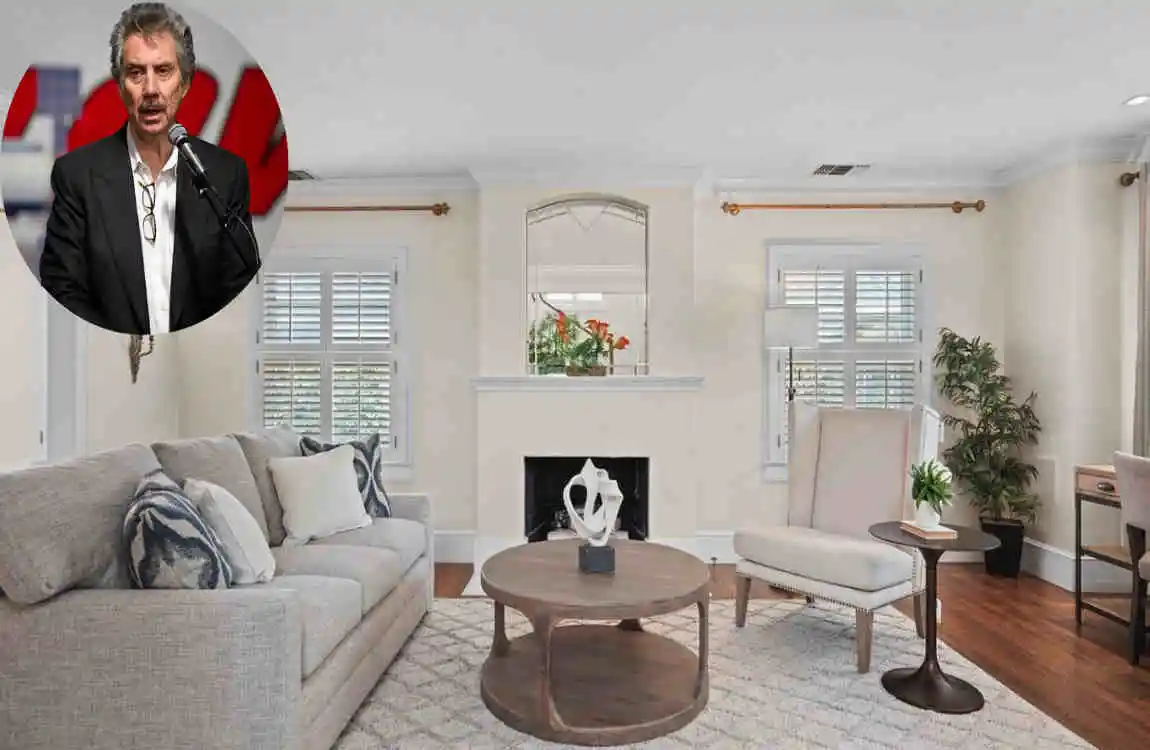
A Private, Not Public, Residence
The Robert Bigelow House is best understood as a private estate, not a tourist site. It is not widely open for tours, and it is not marketed like a public luxury property.
That creates a sense of distance. Most people can only imagine what it looks like inside. The lack of public access adds to its reputation as an enigmatic home.
Why It Feels Mysterious
The house feels mysterious because there is very little verified information about its interior or daily use. This is common with highly private billionaire homes. Still, it stands out even more when the owner is tied to space and UFO-related interests.
The estate is believed to reflect a mix of modern luxury and practical privacy. In other words, it likely focuses on comfort, but always with security and control in mind.
Location and Privacy
Why Nevada Makes Sense
The house is believed to be located in Nevada, though the exact address is not publicly shared. That choice makes sense for several reasons.
Nevada offers open land, less public pressure, and a strong sense of privacy. For someone like Robert Bigelow, those features are more valuable than living in a crowded city neighborhood.
Seclusion as a Lifestyle Choice
A private desert setting gives the owner space to live without constant attention. It also reduces unwanted media contact and limits the number of people who can approach the property.
For billionaires, privacy is often about more than comfort. It is about security, control, and peace of mind. That is likely one of the main reasons the Robert Bigelow House remains so carefully protected.
Billionaire Privacy vs Celebrity Privacy
Billionaire privacy is usually different from celebrity privacy. Celebrities often live in places that remain highly visible. Billionaires like Bigelow may choose homes that are far more hidden, with fewer public clues and tighter access.
That difference matters. It explains why so little is known about the estate, even though interest in it remains high.
Architecture and Design Style
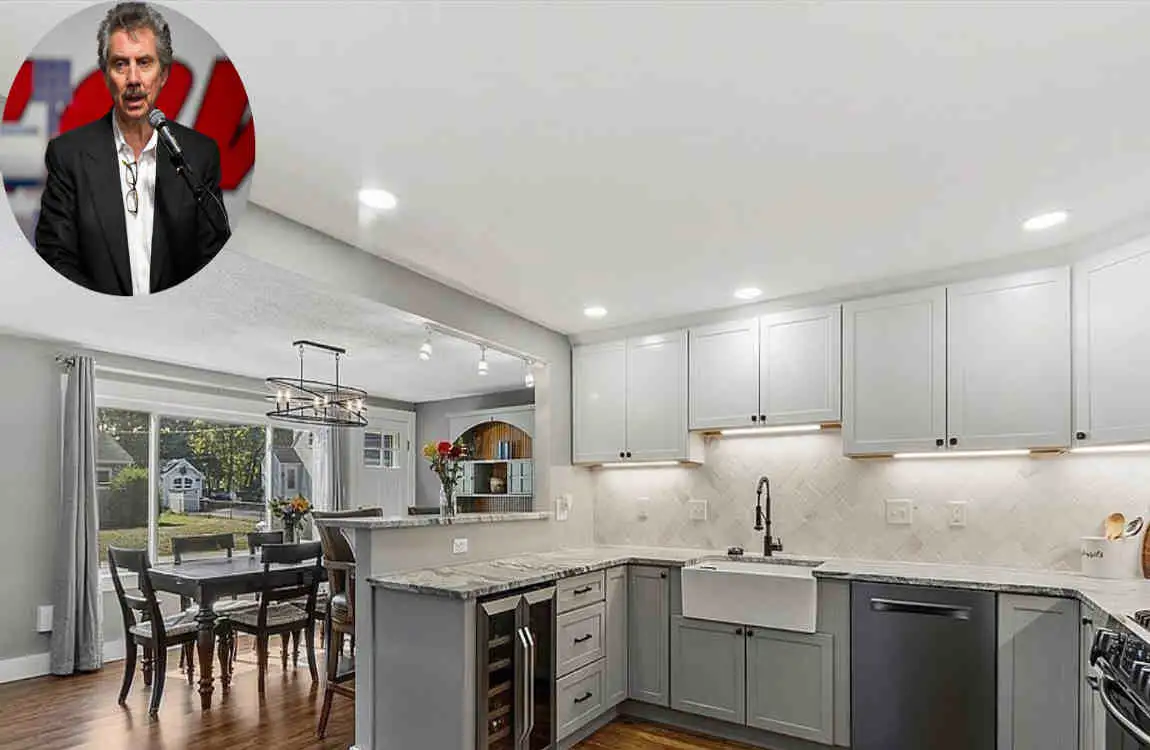
Exterior Design
The house is likely shaped by modern desert-inspired architecture. In a place like Nevada, that usually means clean lines, strong materials, and a design that fits the landscape.
Instead of flashy decor, the home may lean toward minimalist luxury. That means elegance without too much display.
Interior Features
The exact interior is not public, but a home like this would likely include:
- Smart home systems
- High-security controls
- Private office or research rooms
- Luxury comfort spaces
These features would help support both daily living and private work.
Sustainability Elements
In Nevada, many large estates use energy-efficient systems and may include solar power. That would make sense for a property built with long-term planning in mind.
A home connected to innovation would likely value practical efficiency as much as comfort.
Luxury Amenities Inside the Estate
Spaces for Work and Relaxation
The Robert Bigelow House would likely include a mix of work and leisure areas. A billionaire luxury home often needs both.
That could mean private meeting rooms, quiet study areas, or research spaces on one side, and relaxation zones on the other. The goal is balance.
Common Luxury Features
A private estate like this may also include:
Possible Amenity Purpose
Fitness area Personal health and training
Wellness room Relaxation and recovery
Guest accommodations Hosting select visitors
Outdoor living space Enjoying the desert setting
Advanced security : Protecting privacy and property
Outdoor Design
The outdoor area may focus on desert landscaping, open views, and private recreation. A pool, shaded seating, and carefully planned grounds would fit the style of a large Nevada estate.
Connection to UFO Research and Space Interests
Why This Matters
Robert Bigelow is closely associated with extraterrestrial research and space-related curiosity. That adds a deeper layer of interest to his home.
People often wonder whether the house includes spaces for private study, document storage, or secure research materials. While that is not publicly confirmed, it is easy to see why people imagine it.
A Home That Reflects the Mindset of the Owner
Homes often reflect the personality of the person who lives in them. In this case, the Robert Bigelow House likely reflects a mind focused on science, privacy, and the unknown.
That makes the property feel less like a showpiece and more like a personal command center for a private thinker.
Lifestyle Inside the Robert Bigelow House
Low-Profile Living
Bigelow is not known for a loud public lifestyle. Instead, he keeps a low profile and appears to prefer working quietly behind the scenes.
That kind of lifestyle matches the house itself. The estate is not about showing off. It is about living on his own terms.
Focus on Work and Research
A private billionaire residence often supports serious work. For Bigelow, that likely means spending time on business, scientific ideas, and private projects.
The home may serve as both a living space and a place for thinking, planning, and studying.
Public Curiosity and Media Attention
People are naturally curious about billionaire homes. We want to know how the rich live, what their houses look like, and what makes them different.
The Robert Bigelow House gets extra attention because of the owner’s unusual interests. The mystery makes the property more interesting than a typical luxury mansion.
At the same time, very little verified information exists. That gap between public curiosity and private reality is exactly what keeps people talking.
Estimated Value and Real Estate Perspective
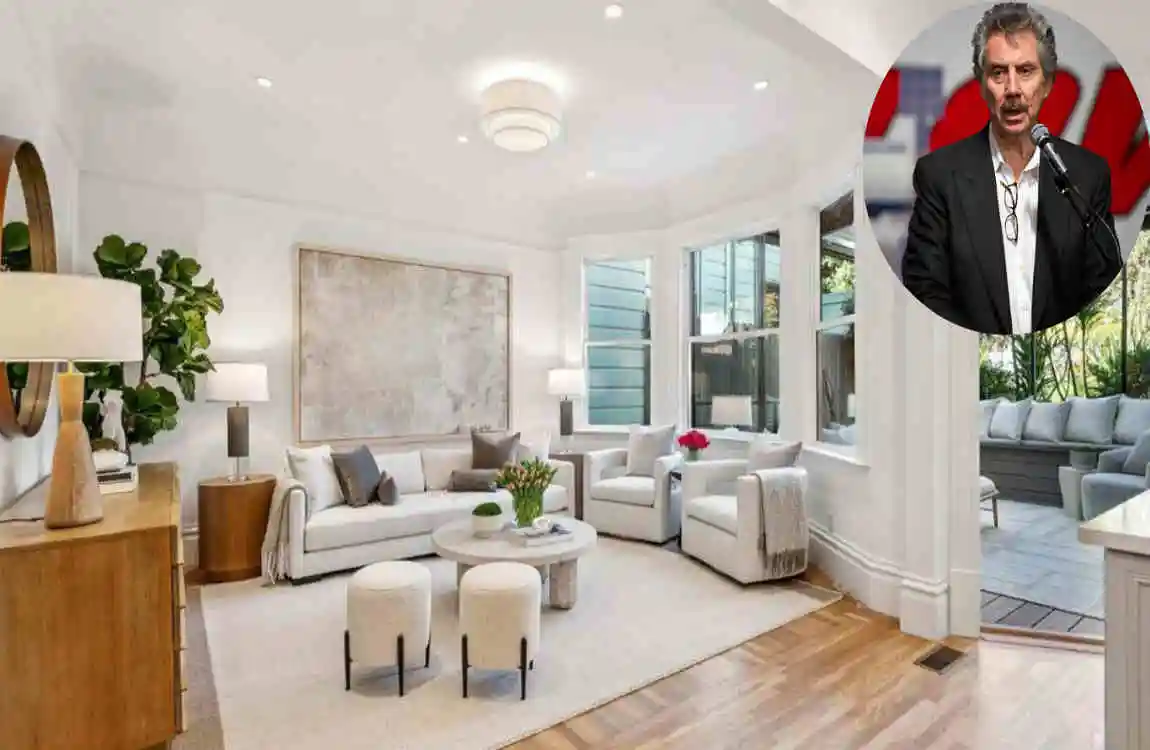
It is hard to estimate the exact value of the estate because much of the information is private. Still, several factors would affect its worth:
- Land size
- Nevada location
- Security systems
- Custom architecture
- Privacy and exclusivity
In luxury real estate, privacy can add major value. A hidden estate in a desirable desert area can be worth far more than a home that is easily accessible or widely exposed.
FAQs
Where is the Robert Bigelow House located?
It is believed to be in Nevada, but the exact location is not publicly disclosed for privacy and security reasons.
Who owns the Robert Bigelow House?
It is owned by billionaire entrepreneur Robert Bigelow.
Why is the Robert Bigelow House considered mysterious?
Because very little verified information or interior details are publicly available.
What makes the house unique?
Its combination of privacy, desert location, and connection to aerospace and scientific research interests.
Is the Robert Bigelow House open to the public?
No, it is a private residence and not accessible for public tours.
What is the estimated value of the property?
The exact value is unknown, but it is considered a high-value luxury estate based on land and design features.
| Category | Details |
|---|---|
| Full Name | Robert Thomas Bigelow |
| Known For | Billionaire entrepreneur, founder of Bigelow Aerospace |
| Primary Residence (publicly known) | Las Vegas, Nevada area (private residence; exact address not publicly disclosed) |
| Other Major Property | Former owner of Skinwalker Ranch, Utah |
| Skinwalker Ranch Size | ~512 acres (Uintah County, Utah) |
| Skinwalker Ranch Ownership | Owned 1996–2016, later sold to Brandon Fugal |
| Architecture Style (residence) | Not publicly documented (his personal homes are kept private and not architecturally published) |
| Notable Property Style (business assets) | Industrial aerospace facilities (North Las Vegas HQ for Bigelow Aerospace) |
| Property Value (net estate estimate) | Part of ~$700M–$800M+ net worth estimate (varies by year/source) |
| Real Estate Background | Started in residential & apartment development before aerospace industry |
| Address Disclosure Status | Personal home address is not publicly available for privacy/security reasons |
Where Does Robert Bigelow’s Currently Live?
Robert Bigelow, the American entrepreneur behind Budget Suites of America and Bigelow Aerospace, is strongly associated with the Las Vegas area in Nevada, where he grew up, built his businesses, and has long maintained his primary residence. Public records and mappings point to a specific property in nearby Henderson, NV, as his house. While he once owned Skinwalker Ranch in Utah (sold in 2016), his business headquarters remain in Las Vegas, and no recent sources confirm a relocation elsewhere.
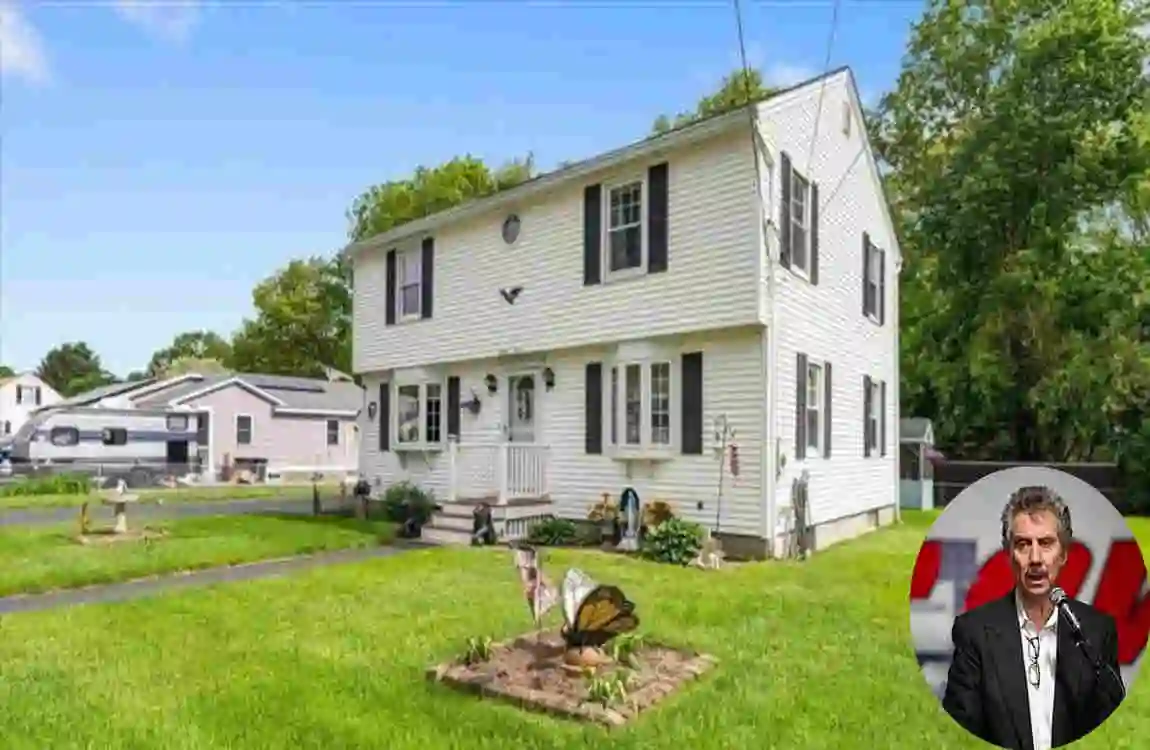
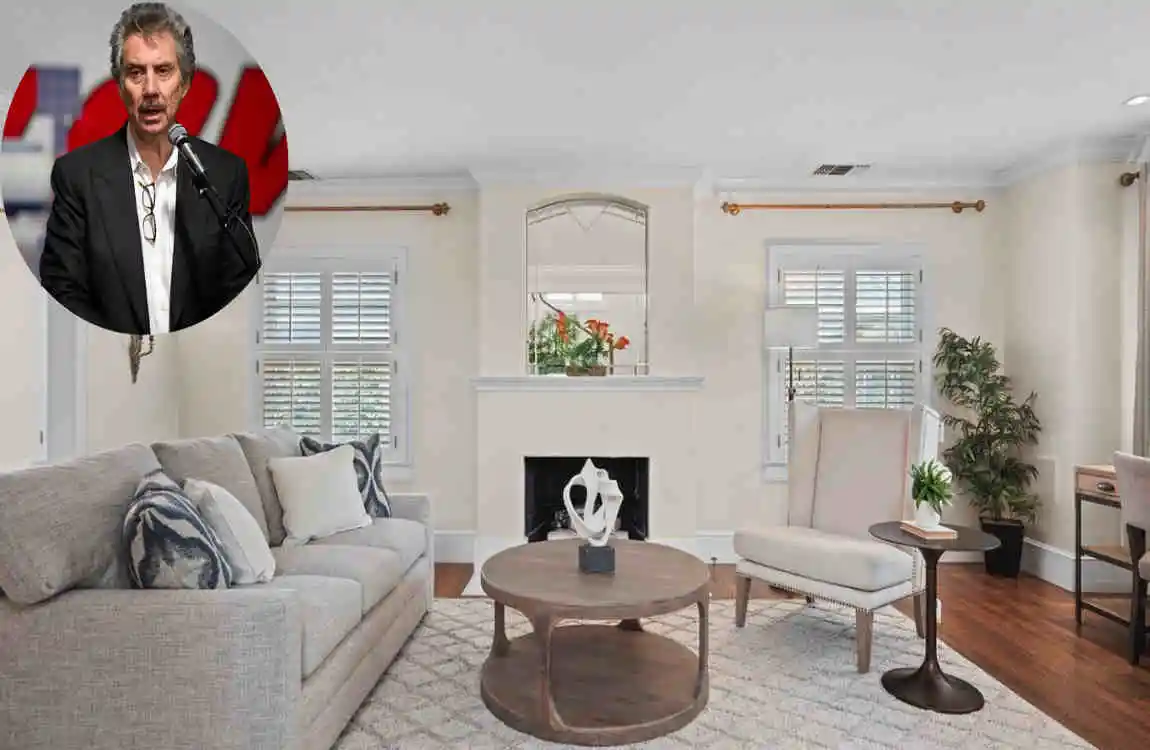
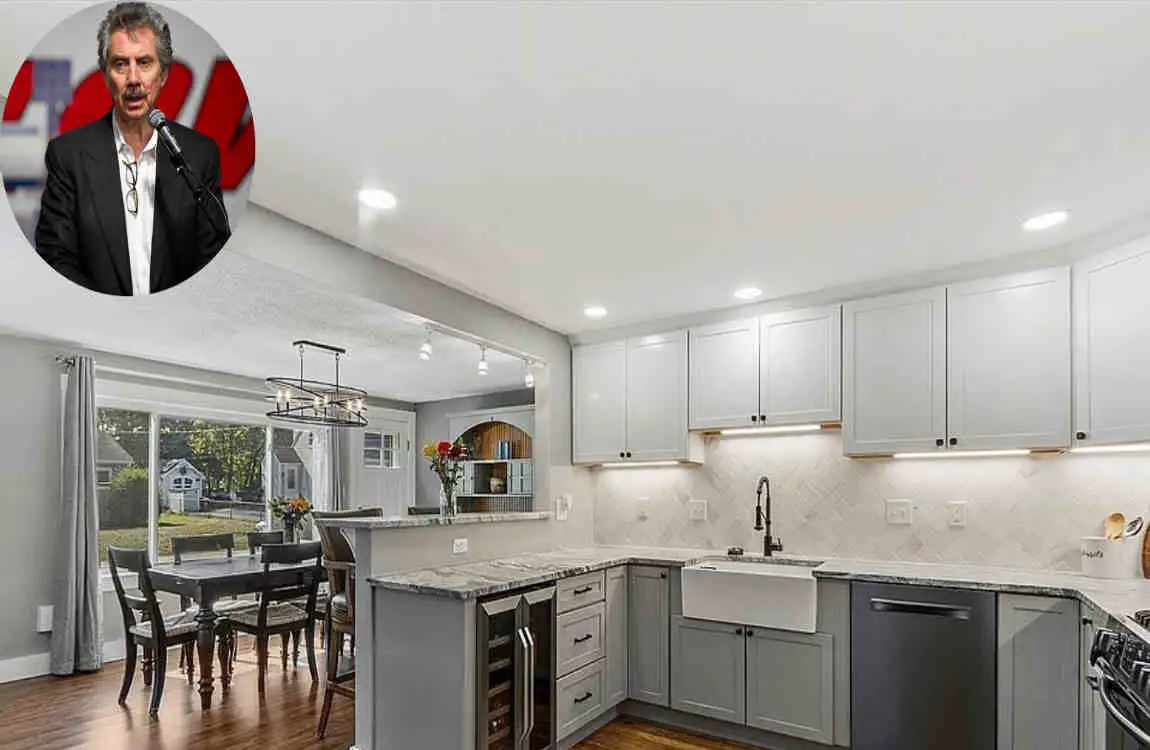
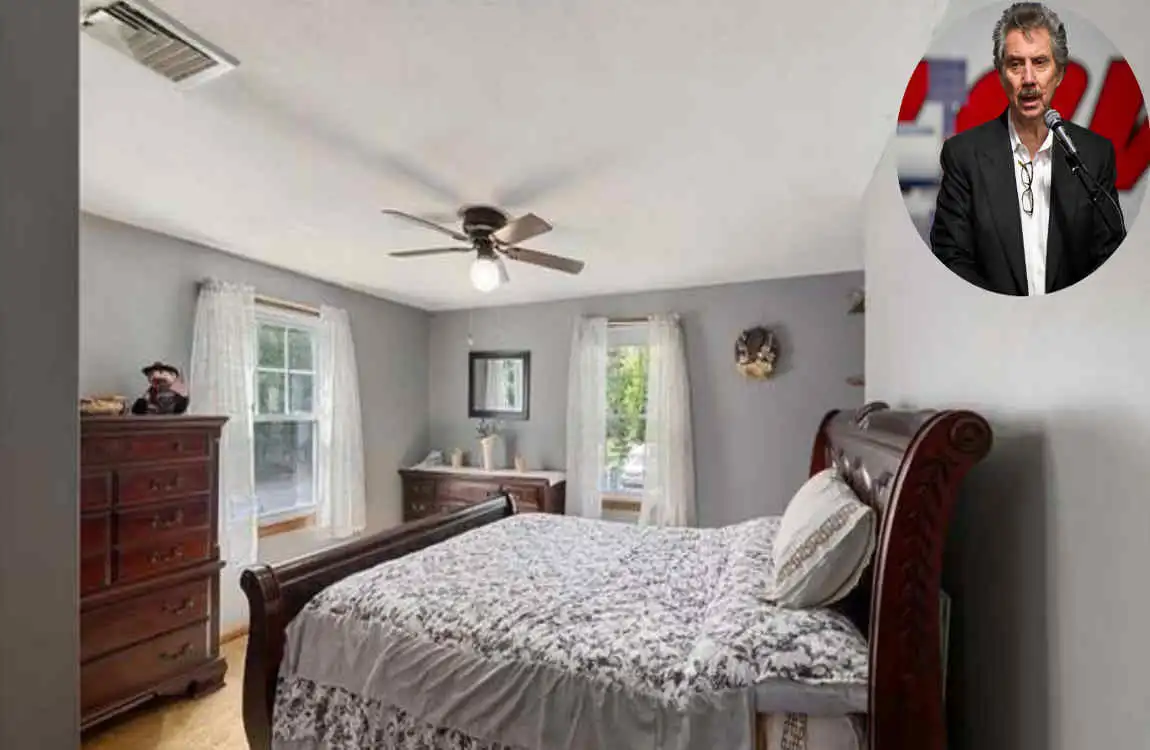
Robert Bigelow House Photos