That is a smart question, especially in 2026, when more homeowners and renters want kitchens that feel practical, stylish, and space-saving at the same time. A galley kitchen may look simple at first glance, but it is one of the most efficient kitchen layouts ever created. It works especially well in apartments, narrow homes, studio spaces, and older houses where every inch matters.
It is a narrow, corridor-style kitchen with two parallel walls or rows of cabinets and counters facing each other. In many cases, the sink, stove, storage, and fridge sit along these two sides, creating a smooth workflow. You stand in the middle aisle and move left or right instead of walking all over the room.
There is a reason this layout keeps coming back. It can be budget-friendly, highly functional, and surprisingly modern when planned well. At the same time, it does come with challenges. A galley kitchen can feel tight, it may not be ideal for entertaining, and it often needs clever storage to stay organized.
What Is a Galley Kitchen?
Core Definition
Let’s start with the main answer.
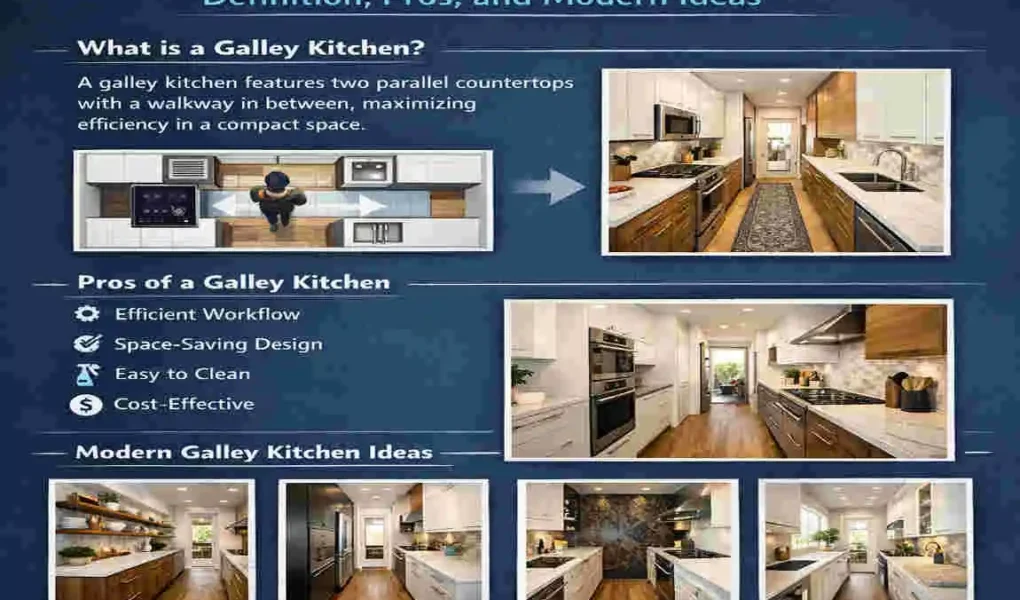
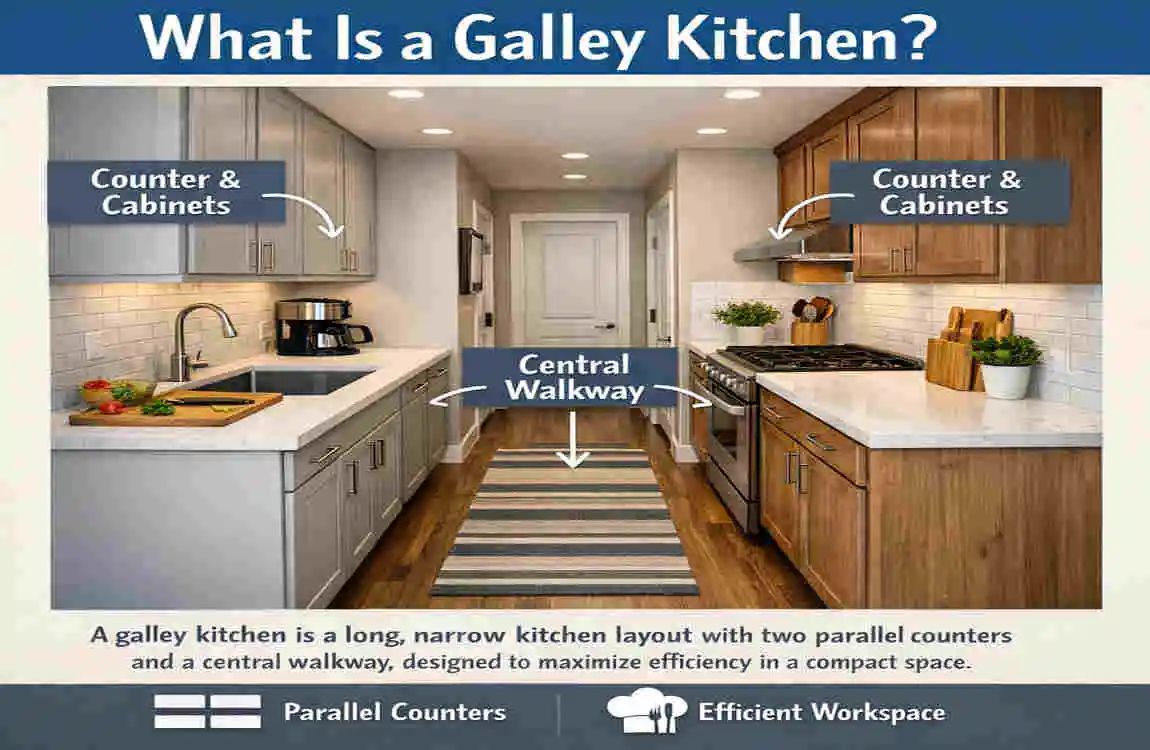
A galley kitchen is a narrow kitchen layout with two parallel runs of cabinets, counters, and appliances facing each other, with a central walkway in between. That walkway is usually kept narrow enough to support easy movement but wide enough for safe cooking.
The name comes from ship galleys, where cooks needed to prepare meals in a tight space without wasting movement. That same logic still works beautifully in modern homes.
When people ask what is a galley kitchen, they are usually trying to understand how it differs from an L-shaped, U-shaped, or open-plan kitchen. The difference is simple: a galley kitchen is built around a straight, two-sided working zone rather than wrapping around corners or opening into a large room.
This design often supports the classic work triangle, which connects the:
- Sink
- Stove
- Refrigerator
In a well-planned galley kitchen, these key points stay close enough to make cooking easier and faster. You do not need to walk long distances to prep food, wash dishes, or move pots from the counter to the hob.
That is one of the biggest reasons this layout remains popular.
Closed-End vs. Pass-Through Galley Kitchens
Not all galley kitchens look the same. Most fall into two common types.
Closed-End Galley Kitchen
A closed-end galley kitchen has one end blocked by a wall, a window, or a tall cabinet. This layout often feels more private. It can help create a focused cooking zone, especially in small homes.
This type works well if you want the kitchen to feel separate from the living room or dining area.
Pass-Through Galley Kitchen
A pass-through galley kitchen is open at both ends. You can enter from one side and walk through to the other. This version feels more open and is common in apartments and narrow house plans.
It often improves movement and makes the kitchen seem less boxed in.
If you are still wondering what is a galley kitchen in practical terms, think of it as a streamlined kitchen lane. Everything sits on two sides, and the center aisle keeps the workflow direct and efficient.
A Brief History of the Galley Kitchen
Galley kitchens did not start as a trend. They started as a necessity.
On ships, space was limited, so kitchens had to be compact and highly efficient. The cook needed ingredients, tools, heat, and storage within easy reach. Over time, designers brought that same idea into homes.
After World War II, smaller homes and city apartments made galley kitchens more common. Builders needed layouts that saved space but still worked for daily life. The galley kitchen fit that need perfectly.
Now, in 2026, galley kitchens are having another strong moment. Why? Because modern homeowners are once again focusing on:
- Minimalism
- Smart storage
- Efficient floor plans
- Affordable remodels
- Functional small-space design
What once looked old-fashioned now feels fresh again, especially when paired with modern finishes, sleek cabinets, and better lighting.
Ideal Dimensions for a Galley Kitchen
A galley kitchen does not need to be huge. In fact, its strength comes from doing more with less.
A typical galley kitchen may include:
FeatureStandard Size
Walkway 3–5 ft
Length 8–12 ft
Counter Depth 24–25 inches
In many homes, a galley kitchen works best in spaces under 100 square feet. The aisle should not feel too tight, but it should not be so wide that the layout becomes inefficient.
Here is a simple rule to remember:
- Too narrow, and the kitchen feels cramped.
- Too wide, and the kitchen becomes less efficient.
A well-designed galley kitchen usually balances both comfort and function.
Who Should Choose This Layout?
A galley kitchen can be a great fit for:
- Apartment owners
- Small families
- Studio residents
- Homeowners doing budget remodels
- People who cook often and want an efficient setup
It is especially useful in small kitchen-galley-style homes where space is limited but daily cooking still matters.
So, if you have been asking, “What is a galley kitchen?” the clearest answer is this: it is a compact, two-sided kitchen layout designed for efficient movement, smart storage, and maximum use of limited space.
Pros of Galley Kitchens
Why This Layout Works So Well
One of the biggest reasons homeowners love this layout is simple: it makes cooking easier.
In many larger kitchens, you spend time walking back and forth. In a galley kitchen, most things stay close by. That means less wasted motion and a smoother cooking experience.
If you cook every day, you will feel the difference quickly.
Main Benefits of a Galley Kitchen
Here are the biggest pros and cons of galley kitchens to understand before you plan your design.
- Excellent efficiency: You can move from sink to stove to fridge with fewer steps.
- Space-saving layout: It works well in narrow rooms and compact floor plans.
- Lower renovation cost: It often needs fewer cabinets and less countertop material than larger layouts.
- Better workflow: Everything stays within reach, so food prep becomes simpler.
- Safer cooking zone: The compact layout can reduce cross-traffic, especially when one person is cooking.
- Perfect for apartments: This is one of the best layouts for city flats and small Lahore homes.
Efficient for Daily Cooking
This is the standout advantage.
A galley kitchen supports a focused workflow. You can prep vegetables on one side, cook on the other, and store tools above or below without having to move far. That setup saves time and energy.
For busy households, that matters a lot. Even if the kitchen is small, it can still feel highly productive.
Cost-Effective for Remodels
Another major reason people choose this layout is the budget.
Because the kitchen footprint is compact, you may need:
- Less cabinetry
- Less flooring
- Less countertop material
- Fewer decorative extras
That can make a remodel more affordable compared with a large U-shaped or open-concept kitchen makeover.
Of course, final cost depends on finishes, appliances, and labor. Still, the basic structure of a galley kitchen often supports more controlled spending.
Great Use of Narrow Spaces
Some homes have awkward floor plans. Maybe the room is long but narrow. Maybe the apartment does not allow an island. Maybe you are working with an older kitchen that cannot be expanded.
This is where the galley kitchen layout shines.
Instead of fighting the space, it works with it. You can turn a difficult room into a practical kitchen without needing major structural changes.
A Cleaner, More Organized Feel
Because space is tighter, homeowners often become more intentional about storage. That can lead to a cleaner look overall.
When every drawer, cabinet, and shelf has a purpose, the kitchen often feels more organized. And in 2026, that purposeful, clutter-free style is exactly what many people want.
Ideal for Focused Home Cooking
If you enjoy cooking alone or prefer a neat workspace, a galley kitchen can feel very natural. It puts you in control and reduces distractions.
That is why many serious home cooks still love this setup, even when they could choose a larger layout.
In short, the main strength of a galley kitchen is this: it offers high functionality in a small footprint.
Cons and Solutions
The Main Challenges to Expect
No kitchen layout is perfect, and this one has limits too.
When people ask about galley kitchen pros and cons, the cons usually center around space, openness, and social use. These are real concerns, but most can be improved with smart design.
Common Problems and Easy Fixes
ConQuick Fix
Narrow feel Reflective surfaces, light colors
Storage limits Pull-outs, vertical storage
No island Slim peninsula at one end
Let’s break these down a little more.
It Can Feel Cramped
This is the most common complaint.
A galley kitchen can feel tight, especially if the walkway is too narrow, the cabinets are dark, or the lighting is poor. When both sides are full of upper cabinets, the room may feel boxed in.
The fix: use design tricks that visually open the room.
Try:
- White or soft neutral cabinets
- Glossy tiles or reflective backsplashes
- Glass cabinet fronts
- Under-cabinet lighting
- Mirrored or polished surfaces
These details can make a big difference. Even small changes can help the space feel brighter and less closed in.
It May Not Be Great for Entertaining
If you love hosting guests while cooking, a galley kitchen can feel limiting. There is usually not much room for people to gather. Friends may end up blocking the walkway.
The fix: create connection without crowding the aisle.
A few good options include:
- A pass-through opening to the dining area
- A half wall instead of a full wall
- A small serving ledge
- An open shelf window-style opening into another room
That way, the kitchen still feels connected to the home.
Multiple Cooks Can Struggle
Two people trying to cook in a narrow galley kitchen can get in each other’s way. One person opens the oven, another reaches for a drawer, and suddenly the room feels much smaller.
The fix: if possible, widen the aisle during a remodel. Even a few extra inches can improve comfort.
You can also assign zones, such as:
- Prep on one side
- Cooking on the other
- Storage at the far end
This helps reduce overlap.
Storage Can Be Limited
Because the space is compact, storage must be planned carefully. If you rely only on standard lower cabinets, you may run out of room quickly.
The fix: think vertically and creatively.
Use:
- Tall pantry cabinets
- Pull-out spice racks
- Deep drawer organizers
- Overhead cabinets to the ceiling
- Toe-kick drawers
- Magnetic wall rails
- Slim vertical pull-outs
A small kitchen does not always need more space. Sometimes it simply needs better storage design.
It Usually Cannot Fit a Full Island
Many homeowners love the idea of a central island, but most galley kitchens lack the width for one.
The fix: use alternatives.
A slim peninsula, fold-down breakfast shelf, or small rolling cart can add function without blocking the room.
So yes, galley kitchens have limitations. But when you understand them early, you can design around them and still end up with a kitchen that feels modern, efficient, and comfortable.
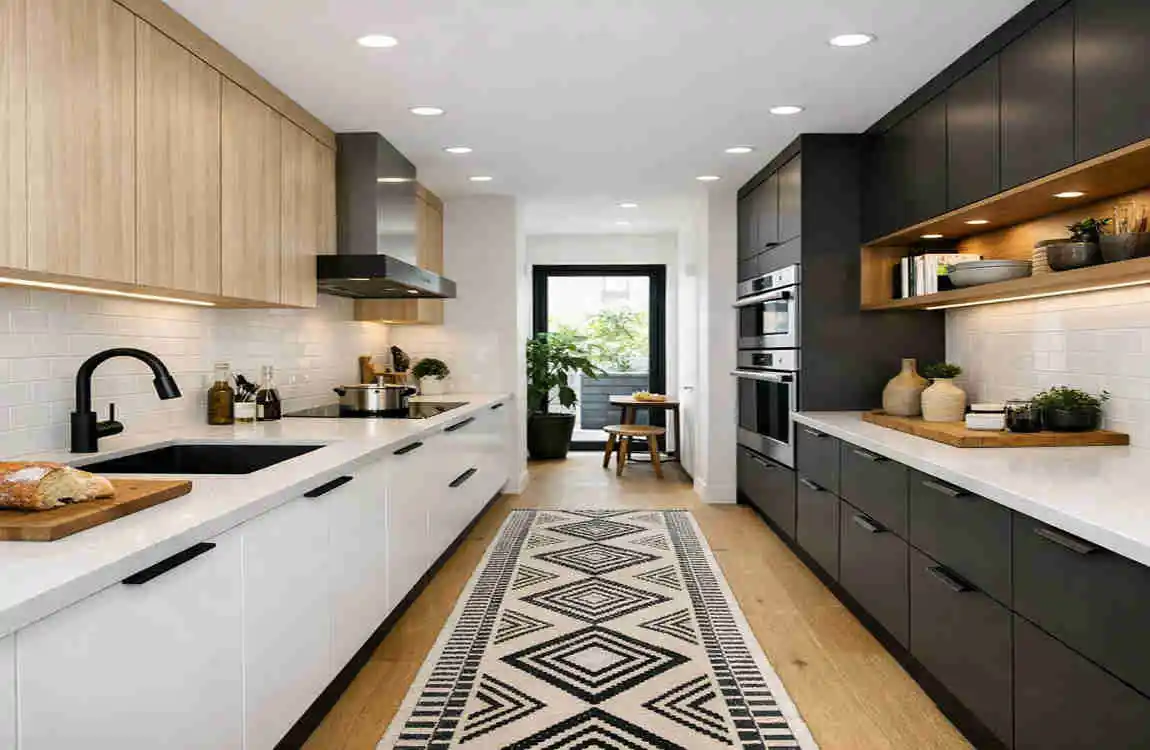
Modern Galley Kitchen Ideas for 2026
Layout Variations That Feel More Open
The classic galley kitchen still works, but modern design has made it more flexible.
Some homeowners now choose a single-wall hybrid for ultra-small spaces, with one side featuring full counters and the other using shallow storage or open shelves. Others prefer an open-end galley that flows into the dining space.
These changes maintain the galley’s efficiency while softening its narrow feel.
Color and Material Trends for 2026
Current galley kitchen design trends for 2026 focus on warmth, simplicity, and clean lines.
Popular finishes include:
- Warm whites
- Greige and taupe
- Soft wood tones
- Matte black accents
- Brushed brass hardware
- Quartz countertops
- Handleless cabinets
These combinations help small kitchens feel modern without looking cold.
Storage Hacks That Matter
In a galley kitchen, storage is not just useful; it’s essential. It is essential.
The best storage ideas make use of hidden and vertical space. Toe-kick drawers, narrow pantry pull-outs, and ceiling-height cabinets are especially helpful. Even the backs of cabinet doors can hold extra items.
Smart Appliance Choices
Appliances can make or break a compact kitchen.
In most galley layouts, it is best to choose:
- Counter-depth fridges
- Slim dishwashers
- Induction cooktops
- Built-in microwaves
- Oven and microwave combo units
These save space and help the kitchen look cleaner.
Lighting Strategies That Transform the Space
Bad lighting makes a galley kitchen feel smaller. Good lighting does the opposite.
Try layering light with:
- Under-cabinet LED strips
- Ceiling spotlights
- A pendant at one end
- Wall sconces if space allows
- Natural light from a window or glass door
Light should reach the counters clearly while also making the room feel open.
20 Modern Galley Kitchen Ideas
Here are 20 modern galley kitchen ideas you can use in apartments, compact homes, and stylish remodels.
- White shaker cabinets with gold hardware create a bright, timeless look. This idea works beautifully in small spaces because white reflects light and shaker doors never go out of style. Add a pale backsplash to keep the room feeling fresh and airy.
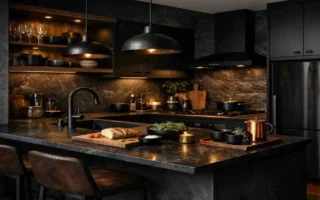
- A dark moody scheme with brass accents gives a galley kitchen a rich, high-end feel. Use charcoal cabinets, warm lighting, and brushed brass handles. To avoid a heavy look, pair the darker tones with light flooring or a bright quartz countertop.
- Handleless flat-panel cabinets make the kitchen feel sleek and uncluttered. This modern style is especially useful in narrow layouts because it reduces visual noise. It also creates cleaner lines, which helps the space feel wider than it really is.
- Open shelving on one side can prevent the room from feeling boxed in. Replace some upper cabinets with simple shelves for mugs, bowls, or décor. Keep the styling neat and minimal so the shelves add openness instead of clutter.
- A window at the end of the galley can completely transform the space’s mood. Natural light draws the eye forward, making the kitchen feel longer and brighter. If possible, keep that area visually light and free from bulky cabinets.
- Quartz countertops with a waterfall edge at the end add a touch of luxury to a compact kitchen. You do not need a huge room to use premium finishes. A clean quartz surface makes the whole kitchen look polished and easy to maintain.
- Wood lower cabinets and white upper cabinets create contrast without making the room feel dark. The wood adds warmth, while the white keeps the upper half light. This is a great balance for modern homes that want both comfort and style.
- A slim pull-out pantry beside the fridge is one of the smartest space-saving ideas. Even a few inches can hold spices, oils, or dry goods. This kind of storage keeps frequently used items close without taking up valuable counter space.
- Under-cabinet LED lighting adds both beauty and function. It brightens your work area, makes the counters easier to use, and gives the kitchen a modern glow at night. In narrow kitchens, better lighting instantly improves the whole experience.
- A mirrored or glossy backsplash helps bounce light around the room. This simple detail makes a galley kitchen feel more open. If mirrors feel too bold, choose polished tiles in a soft neutral shade for a similar brightening effect.
- A black-and-white color palette gives the kitchen a crisp, contemporary style. White cabinets and black fixtures create strong contrast without feeling busy. Use this look if you want a clean, modern kitchen that still feels classic.
- A half-wall opening to the dining area creates a connection while preserving the galley structure. This works well in apartment kitchen upgrades where you want more openness without a full renovation. It also allows conversation while someone is cooking.
- Floor-to-ceiling pantry storage on one end makes the most of a compact footprint. Instead of spreading storage across multiple zones, concentrate it in a single tall zone. This keeps daily items organized and leaves the rest of the kitchen looking more streamlined.
- A narrow peninsula at the end can replace the need for a full island. It adds prep space, casual seating, or a serving ledge without blocking the central aisle. This is a practical solution for homes that want a more social kitchen.
- Matte black faucets and lighting add modern character without overwhelming the room. Small details like these can update the kitchen fast. They pair especially well with warm neutrals, white cabinets, and simple stone countertops.
- Large-format floor tiles can make the space feel less busy. Small tiles create more grout lines, which can visually crowd a narrow room. Bigger tiles or continuous flooring help extend the floor’s look and support a cleaner design.
- Glass-front cabinets with interior lighting add depth and elegance. They break up solid cabinet walls and keep the space from looking too heavy. Use them for attractive dishes or glassware, but avoid overfilling to keep them visually calm.
- A hidden appliance garage keeps small appliances off the counter while still making them easy to access. This is perfect for blenders, toasters, or coffee tools. In a galley kitchen, clear counters instantly make the room look bigger and more organized.
- Warm neutral cabinets with textured backsplash tiles create a soft, modern look for 2026. Think beige, sand, taupe, or light mushroom shades. These colors feel calm and welcoming, which is ideal if bright white feels too stark for your taste.
- A compact galley kitchen with smart tech brings function into the future. Add motion-sensor lights, built-in charging drawers, and energy-efficient appliances. These upgrades do not need much space, but they make daily use easier, cleaner, and more convenient.
Related Reads for More Small-Space Inspiration
If you are planning a full makeover, you may also want to explore your own related content on:
- Small kitchen remodels
- Kitchen storage hacks
- Apartment kitchen upgrades
These topics pair naturally with any small kitchen galley style renovation.
Galley Kitchen Remodel Guide
Measure Your Space Carefully
Before buying cabinets or choosing tiles, measure everything.
Check:
- Total room length
- Total room width
- Door swing space
- Window placement
- Plumbing points
- Electrical outlets
- Ceiling height
Even small errors can affect appliance fit and cabinet layout. In compact kitchens, precision matters.
Plan the Work Triangle
The best galley kitchens support an easy flow between the sink, stove, and fridge. Keep these areas close, but do not crowd them into one tiny section.
A smart layout usually places:
- Sink on one side
- Stove on the other
- Fridge at one end
This helps keep prep, cooking, and storage zones balanced.
Choose the Right Cabinet Strategy
Do not just add cabinets everywhere. Think about what you actually need.
Ask yourself:
- Do you need more pantry space?
- Do you want deep drawers instead of lower shelves?
- Can you take cabinets to the ceiling?
- Would open shelves help lighten the room?
Good storage planning is more important than simply adding more units.
Set a Realistic Budget
A basic galley kitchen remodel can range widely depending on materials, labor, and appliances. Some budget-friendly upgrades stay modest, while premium finishes can quickly raise costs.
For many homeowners, a practical starting range for a remodel is $5,000 to $20,000 for basic improvements. However, large custom projects can cost more.
If you are budgeting locally, here is a simple sample table in PKR.
Sample Cost Breakdown
ElementAvg Cost (PKR)
Cabinets 500K–1M
Counters 200K–400K
Flooring 120K–250K
Backsplash 80K–180K
Sink & Faucet 60K–150K
Lighting 50K–120K
Appliances 300K–900K
Labor 250K–700K
These figures vary by city, material brand, and finish level, but they give you a starting point.
Pick Finishes That Expand the Space
When remodeling a galley kitchen, visual openness matters almost as much as function.
Choose finishes that help the room feel larger:
- Light cabinet colors
- Seamless countertops
- Reflective backsplashes
- Consistent flooring
- Minimal hardware
- Bright layered lighting
A narrow kitchen does not have to feel cramped when the materials work in your favor.
Prioritize Appliances That Fit
This is where many remodels go wrong.
People buy standard appliances without checking how much clearance they need. In a galley layout, every inch matters. Always confirm door swings, opening widths, and aisle space before finalizing your plan.
Think About Daily Habits
The most successful galley kitchen remodel is not the one with the fanciest finishes. It is the one that supports your real life.
Think about:
- How often you cook
- How many people use the kitchen
- Whether you need breakfast seating
- What items create clutter
- Where groceries usually pile up
When your kitchen matches your habits, it will feel better every day.
FAQs
What is a galley kitchen exactly?
A galley kitchen is a narrow kitchen layout with two parallel runs of cabinets, counters, or appliances separated by a central walkway. It is designed for efficiency and works especially well in smaller homes, apartments, and compact floor plans.
Is a galley kitchen good for small homes?
Yes, absolutely. In fact, this layout is one of the best choices for small homes because it makes the most of limited square footage. It keeps the cooking zone compact, organized, and easy to use.
Can a galley kitchen look modern?
Yes. Modern finishes can completely update this layout. Handleless cabinets, quartz countertops, matte-black details, warm neutrals, and layered lighting all work beautifully in a galley kitchen.
Can you add an island to a galley kitchen?
In most cases, a full island does not fit unless the room is unusually wide. However, a slim peninsula, a rolling cart, or a small breakfast ledge can offer similar functionality without crowding the space.
Is a galley kitchen bad for two cooks?
Not always; it depends on the width. A narrow aisle can feel tight for two people. If two people cook often, try to widen the walkway during a remodel and create separate prep and cooking zones.
What is the best color for a galley kitchen?
Light shades usually work best because they reflect light, making the kitchen feel bigger. White, warm beige, soft gray, and pale wood tones are all strong choices for 2026.