
Finding a fast-moving insect in your bathroom or kitchen can be unsettling. Most people’s first reaction is fear. You might wonder, “Is this thing poisonous? Can it bite me or my pet?”
This is especially true when dealing with the house centipede, scientifically known as Scutigera coleoptrata. Its long legs and rapid movements make it look aggressive, but appearances can be misleading.
Many homeowners panic when they see one, assuming it signals danger or infestation. However, the truth is more balanced and far less frightening.
What Are House Centipedes?
House centipedes are not your typical household insect. They look unusual and move very quickly, which often causes panic.
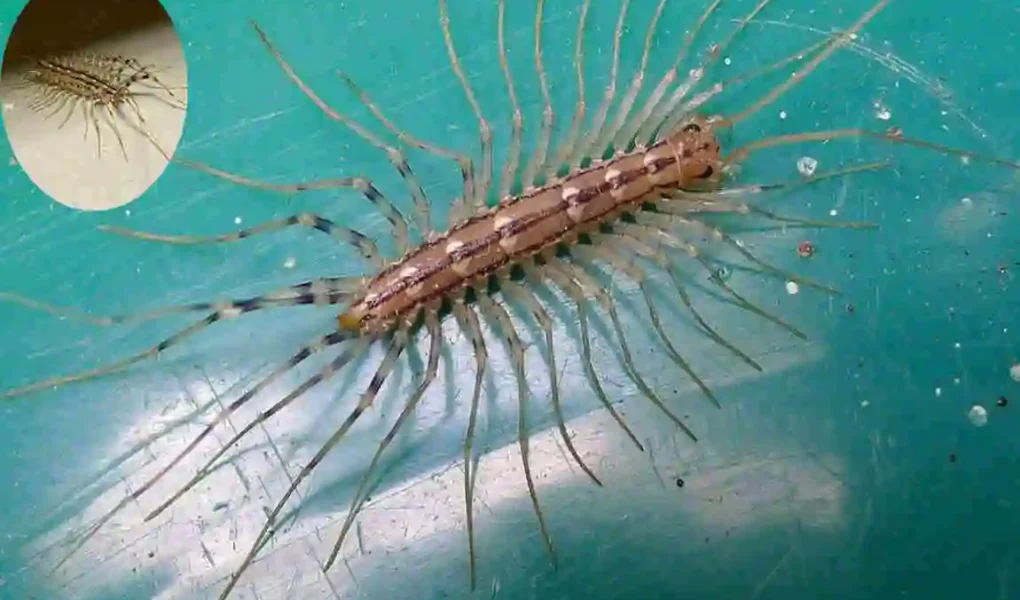
Physical Appearance
House centipedes have:
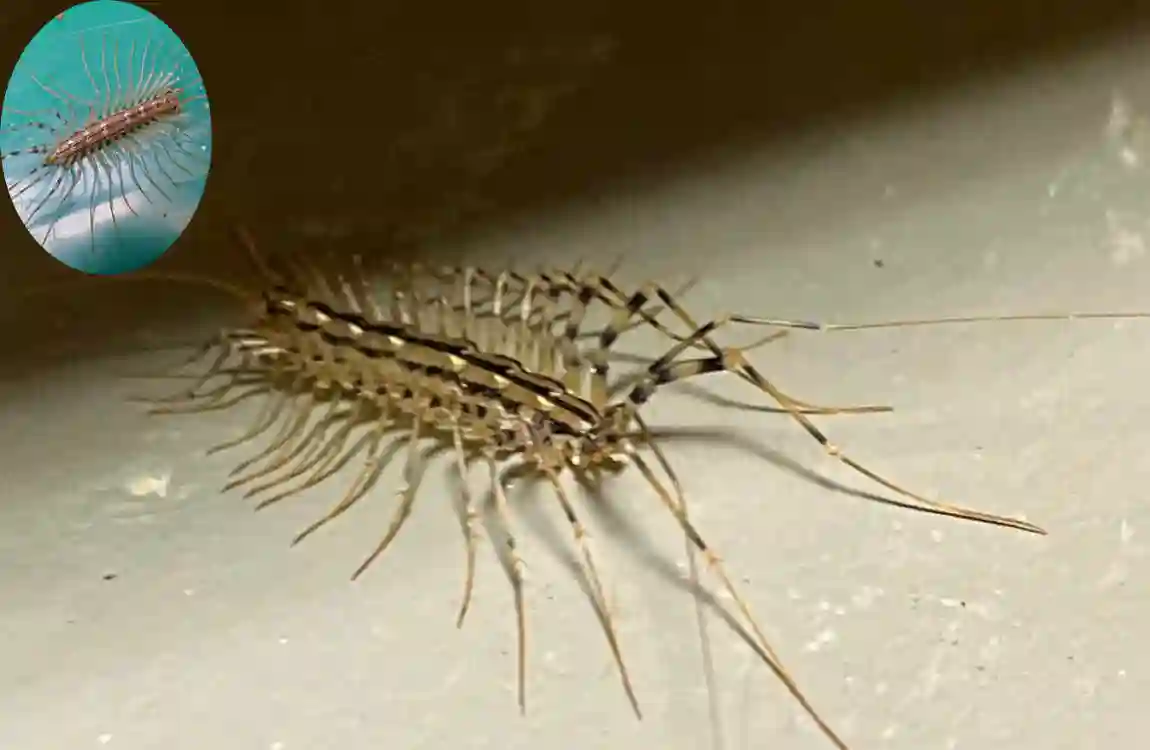
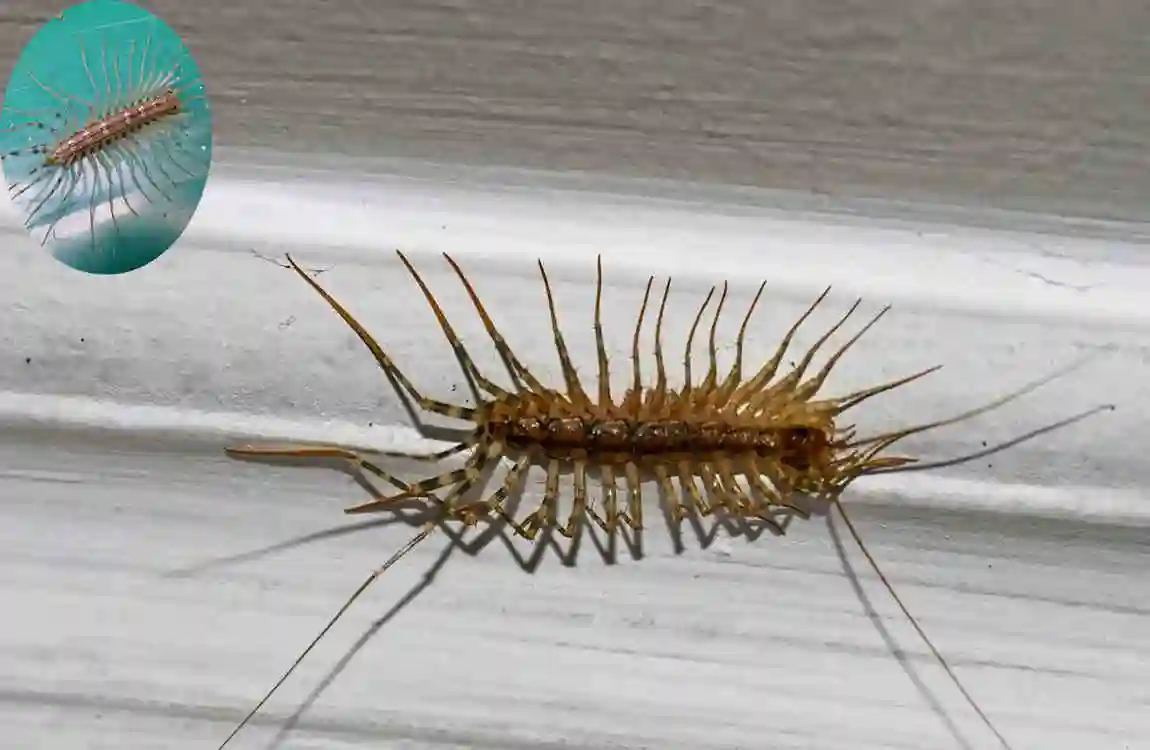
- Long, thin legs (often more than 15 pairs)
- A yellowish-grey body with dark stripes
- Extremely fast movement compared to other insects
Their long legs help them move smoothly and quickly across walls, floors, and ceilings.
Behavior and Habitat
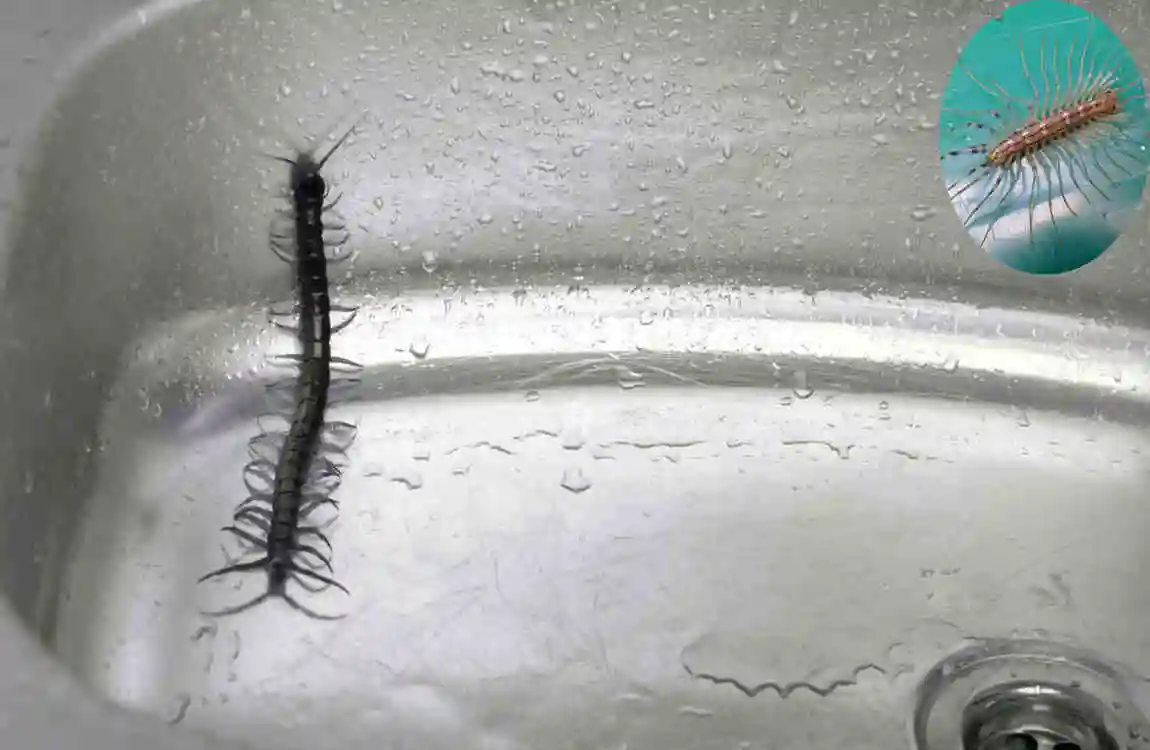
These insects prefer dark, damp environments. You will often find them in:
- Bathrooms
- Basements
- Kitchens
- Storage areas
They are nocturnal, meaning they are most active at night. During the day, they hide in cracks and dark corners.
Why They Enter Homes
House centipedes usually enter homes for two reasons:
- Moisture – They love humid environments
- Food source – They hunt other small insects like ants, spiders, and cockroaches
So, if you see them, it may actually indicate that other pests are already present in your luxury home.
Are House Centipedes Dangerous to Humans?
This is the most important question for most homeowners. The short answer is: No, they are not dangerous to humans.
Do They Bite Humans?
House centipedes rarely bite humans. In fact:
- They are not aggressive
- They avoid human contact
- They only bite if they feel trapped or threatened
Even if a bite occurs, it is usually accidental and defensive.
Is Their Venom Dangerous?
Like many predatory insects, they use venom to capture prey. However:
- The venom is designed for small insects only
- It is not strong enough to seriously harm humans
If a bite happens (which is rare), symptoms may include:
- Mild pain
- Slight redness
- Small swelling
These effects usually disappear quickly without treatment.
Medical Risk Assessment
House centipedes are:
- Not life-threatening
- Not medically dangerous
- Not known to cause long-term health issues
Only people with extreme insect allergies might experience slightly stronger reactions, but this is very uncommon.
Myths vs Facts
Let’s clear up some common misunderstandings:
- Myth: They chase humans
- Fact: They run away from humans
- Myth: They invade luxury homes in large, dangerous groups
- Fact: They are solitary creatures
- Myth: Their bite is deadly
- Fact: Their bite is mild and rare
Understanding these facts helps reduce unnecessary fear.
Are House Centipedes Dangerous to Pets?
Many pet owners worry about whether these insects can harm dogs or cats. Fortunately, the risk is very low.
Dogs and Cats Interaction
Pets are naturally curious. They may:
- Chase house centipedes
- Try to catch them
- Even eat them accidentally
But this usually does not cause serious harm.
Possible Reactions in Pets
If a pet eats or bites a house centipede, they may experience:
- Slight mouth irritation
- Temporary discomfort
However, their venom is too weak to cause poisoning.
When to Watch Your Pet
Although rare, you should monitor your pet if you notice:
- Excessive drooling
- Pawing at the mouth
- Unusual swelling
These symptoms are usually mild and temporary.
Overall Safety for Pets
In general:
- House centipedes are not toxic to pets
- They pose a very low risk
- Most pets handle encounters without problems
Are House Centipedes Beneficial or Harmful?
Interestingly, house centipedes are not entirely bad. In fact, they can be helpful in some ways.
Natural Pest Controllers
They feed on common household pests such as:
- Cockroaches
- Spiders
- Ants
- Termites
This makes them natural pest controllers inside your luxury home.
Ecological Role
House centipedes help balance insect populations. If you have them, it may mean your home already has other insects they feed on.
Helpful or Harmful?
AspectImpact
Humans Harmless
Pets: Very low risk
Other insects are harmful to pests
Home environment Neutral
So, while they look scary, they actually help reduce other pest problems.
Why You Are Seeing House Centipedes in Your Home
If you see house centipedes often, it usually points to environmental conditions rather than danger.
Environmental Causes
They are attracted to:
- High moisture levels
- Dark hiding spaces
- Cluttered areas
Bathrooms and basements are common hotspots.
Structural Causes
They can enter through:
- Cracks in walls
- Gaps under doors
- Open windows without screens
Biological Reason
The biggest reason is simple: food availability. If other insects are present, centipedes will follow.
Should You Kill or Keep House Centipedes?
This depends on your comfort level.
Reasons to Keep Them
- They reduce other pests
- They do not spread disease
- They are harmless to humans
Reasons to Remove Them
- Their appearance can be disturbing
- They may indicate other pest issues
- Some people feel uncomfortable sharing space with them
Balanced Approach
Instead of panic, focus on:
- Reducing humidity
- Controlling other insects
- Preventing entry points
This is more effective than simply killing them.
How to Get Rid of House Centipedes
If you prefer not to have them in your luxury home, here are safe methods.
Natural Prevention
- Reduce humidity using fans or dehumidifiers
- Fix leaking pipes
- Improve ventilation in bathrooms
Cleaning Strategies
- Declutter storage areas
- Clean dark corners regularly
- Vacuum frequently to remove the insects they feed on
Blocking Entry Points
- Seal cracks in walls
- Close gaps under doors
- Install window screens
Safe Removal Methods
You can also:
- Use sticky traps
- Apply natural repellents like peppermint oil
- Call pest control if the infestation is heavy
Prevention: How to Keep Them Out Long-Term
To prevent future sightings, follow these habits:
- Inspect your home regularly
- Keep moisture under control
- Reduce clutter in storage areas
- Maintain cleanliness in bathrooms and kitchens
- Schedule occasional pest checks
Consistency is key to long-term control.
Frequently Asked Questions
Can house centipedes live in beds?
No, they prefer damp and dark areas, not beds.
Do house centipedes spread disease?
No, they are not known to carry or spread diseases.
Why are they so fast?
Their many legs allow quick, flexible movement for hunting prey.
Do they come in groups?
No, they are solitary insects.
What attracts them most?
Moisture and the presence of other insects.
| Factor | Reality | Impact |
|---|---|---|
| Bite risk | Rarely bite humans or pets | Very low danger |
| Venom | Mild venom used to kill insects | Not harmful to people or pets in normal cases |
| Behavior | Shy and fast-moving | Avoids contact with humans |
| Pets interaction | Pets may chase or eat them | Usually no serious harm |
| Pest role | Natural insect predator | Helps reduce other pests (flies, cockroaches) |
| Health risk | No disease transmission | Considered non-threatening |