
Are you dreaming of owning a cozy 1-bedroom house? You may be planning to build your own little haven or looking to buy a ready-to-move-in home. Either way, one question is probably lingering in your mind: how much should a 1-bedroom house cost? Well, you’ve come to the right place!
Understanding the Basics of 1 Bedroom House Costs
Before we get into the nitty-gritty of costs, let’s make sure we’re on the same page about what we mean by a 1-bedroom house.
What is a 1 Bedroom House?
A 1-bedroom house is a home with a single bedroom, typically designed for individuals, couples, or small families. These houses come in various sizes, layouts, and designs, which can significantly impact their cost.
Factors That Influence the Cost
When it comes to how much a 1-bedroom house should cost, several factors come into play:
- Size: The house’s square footage is a significant determinant of cost. A larger 1-bedroom house will naturally cost more than a smaller one.
- Design: Unique or complex designs require more materials and labor, driving up the price.
- Specifications: High-end finishes, appliances, and fixtures can add to the overall cost.
Factors Influencing the Cost of a 1 Bedroom House
Now that we’ve covered the basics, let’s explore the factors that can affect the cost of your dream 1-bedroom1-bedroom house.
Location, Location, Location
It’s no secret that where you build or buy can significantly impact the price tag.
- Urban vs. Rural: Houses in cities or popular suburbs tend to be more expensive than those in rural areas.
- Land Value: The cost of the land itself can vary greatly depending on the location.
Size and Layout Considerations
As we mentioned earlier, the size of your 1-bedroom house is a crucial factor in determining its cost. But it’s not just about the square footage.
- Efficient Layouts: A well-designed layout can make the most of the available space, potentially saving you money.
- Future Expansion: If you’re planning to add rooms later, you’ll need to factor in the cost of future construction.
Design Complexity and Materials Used
The design of your 1-bedroom house can range from simple to intricate and unique.
- Custom vs. Standard Designs: Custom designs often come with a higher price tag due to the additional planning and labor required.
- Material Choices: The materials you choose for your home’s construction can significantly affect overall cost. For example, brick or stone exteriors are typically more expensive than vinyl siding.
Construction Methods and Labor Costs
The way your 1-bedroom house is built can also affect the final cost.
- Traditional vs. Prefab: Traditional on-site construction tends to be more expensive than prefabricated or modular homes.
- Labor Rates: Labor costs can vary by location and project complexity.
Market Conditions and Price Fluctuations
Like any other product, the cost of a 1-bedroom house can be influenced by market conditions.
- Supply and Demand: When there’s high demand for housing in a particular area, prices tend to rise.
- Economic Factors: Inflation, interest rates, and other factors can also affect construction and real estate costs.
Permits, Approvals, and Legal Fees
Don’t forget about the hidden costs of building or buying a home.
- Building Permits: You’ll need to obtain the necessary permits before starting construction, which can add to your expenses.
- Legal Fees: If you’re purchasing a home, you may need to hire a lawyer to handle the closing process.
Site Condition and Topography
The condition of the land where you plan to build can also impact the cost of your 1-bedroom house.
- Grading and Excavation: If the site requires extensive grading or excavation, it can increase your construction costs.
- Access to Utilities: The cost of connecting to water, sewer, and electricity can vary depending on the site’s location.
Breakdown of Construction Costs in Detail
Now that we’ve covered the factors that influence the cost of a 1-bedroom house, let’s take a closer look at the specific construction costs you can expect.
Land Acquisition Costs (if applicable)
If you’re building a new home, you’ll need to factor in the cost of the land itself.
- Purchase Price: The cost of the land can vary widely depending on its location and size.
- Closing Costs: You may also need to pay closing costs, such as title insurance and legal fees.
Excavation, Foundation, and Framing Expenses
The foundation and framing of your 1-bedroom house are crucial elements that can significantly affect the overall cost.
- Excavation: The cost of excavating the site can range from a few thousand dollars to tens of thousands, depending on the project’s size and complexity.
- Foundation: The type of foundation you choose (e.g., slab, crawl space, or basement) can affect the cost. A poured concrete foundation typically costs more than a slab.
- Framing: The framing of your home’s structure is another significant expense. The cost can vary depending on the type of materials used (e.g., wood, steel) and the complexity of the design.
Roofing Costs Based on Design
The roof of your 1-bedroom house is another essential factor to consider when estimating costs.
- Roofing Materials: The type of roofing material you choose can significantly impact the cost. Asphalt shingles are typically the most affordable option, while metal or tile roofs can be more expensive.
- Roof Design: The complexity of your roof’s design can also affect the cost. A simple gable roof will be less expensive than a more complex hip or mansard roof.
Exterior Finishes Like Siding and Painting
The exterior finishes of your 1-bedroom house can add both value and curb appeal.
- Siding: The type of siding you choose can range from affordable vinyl to more expensive options like brick or stone.
- Painting: If you opt for painted siding, you’ll need to factor in the cost of paint and labor.
Interior Finishes Including Drywall, Flooring, and Insulation
The interior finishes of your 1-bedroom house are where you can really make your home your own.
- Drywall: Installation costs can vary depending on the size of your home and the complexity of its layout.
- Flooring: Your flooring choices can range from budget-friendly options like vinyl or laminate to more expensive hardwood or tile.
- Insulation: Proper insulation is crucial for energy efficiency, but it can also add to your construction costs.
Plumbing, Electrical, and HVAC Systems
The mechanical systems in your 1-bedroom house are essential for comfort and convenience.
- Plumbing: Plumbing costs can vary depending on the number of fixtures and the layout’s complexity.
- Electrical: The electrical system in your home is another essential factor to consider. The cost can vary depending on the number of outlets, switches, and lighting fixtures.
- HVAC: Heating, ventilation, and air conditioning systems can be a significant expense, especially if you opt for high-efficiency models.
Kitchen and Bathroom Fittings and Fixtures
The kitchen and bathroom are often the most expensive rooms in a home, thanks to the cost of fittings and fixtures.
- Cabinets: The cost of kitchen and bathroom cabinets can vary widely depending on the materials and style you choose.
- Countertops: Granite, quartz, and other high-end countertop materials can add to your expenses.
- Appliances: If you’re including appliances in your build or purchase, you’ll need to factor in their cost.
Labor vs. Material Cost Distribution
When it comes to construction costs, labor and materials typically account for the bulk of the expenses.
- Labor: Labor costs can vary by location and project complexity. In general, labor accounts for 30-50% of the total construction cost.
- Materials: The cost of materials can vary widely depending on your choices. Materials typically account for 50-70% of the total construction cost.
Estimating a Realistic Budget
Now that we’ve covered the various construction costs, let’s talk about how to estimate a realistic budget for your 1-bedroom house.
- Research: Start by researching the costs of similar homes in your area. This will give you a baseline to work from.
- Get Quotes: Once you have a general idea of the costs involved, reach out to contractors for quotes. Be sure to get multiple quotes to compare prices.
- Factor in Contingencies: It’s always a good idea to include a contingency fund in your budget to cover any unexpected expenses that may arise during construction.
Market Price Trends for 1 Bedroom Houses
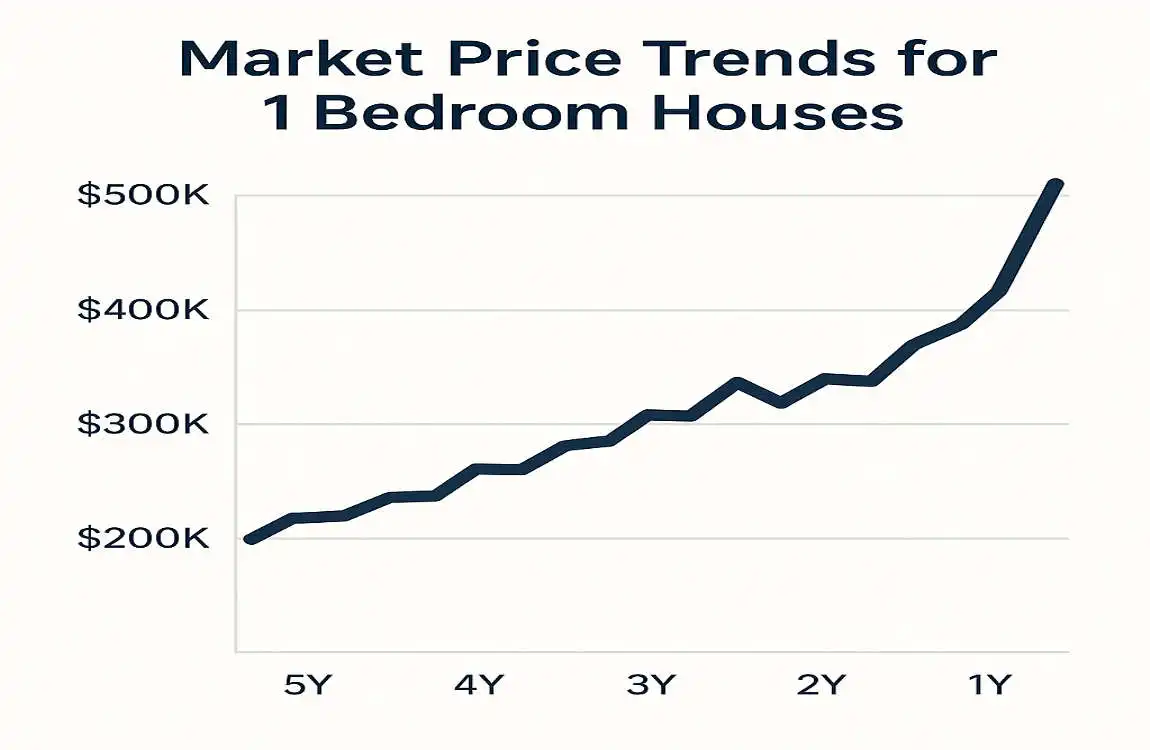
Now that we’ve covered construction costs, let’s take a look at the current market prices for 1-bedroom houses.
Current Market Prices for Ready-to-Move and New Builds
The cost of a 1-bedroom house can vary widely, depending on whether you’re buying a ready-to-move-in home or a new build.
- Ready-to-Move: The average price of a ready-to-move 1-bedroom house ranges from $150,000 to $300,000, depending on the home’s location and size.
- New Builds: The cost of a new 1-bedroom house can range from $200,000 to $400,000 or more, depending on size, design, and materials.
How Economic Trends Affect Market Valuation
Economic trends can significantly impact the market prices of 1-bedroom1-bedroom houses.
- Interest Rates: When interest rates are low, more people can afford to buy homes, which can drive up prices.
- Inflation: Inflation can also affect the cost of construction materials and labor, which, in turn, can impact home prices.
- Housing Market Cycles: The housing market goes through cycles of growth and decline, which can affect the prices of 1-bedroom houses.
Geographic Variations in Market Prices
The cost of a 1-bedroom house can vary widely depending on its location.
- Urban vs. Rural: As we mentioned earlier, homes in urban areas tend to be more expensive than those in rural areas.
- Regional Differences: The cost of a 1-bedroom house can vary by region. For example, homes on the West Coast tend to be more expensive than those in the Midwest.
How to Determine the Right Price for Your 1 Bedroom House
Now that we’ve covered the factors that influence the cost of a 1-bedroom house, let’s talk about how to determine the right price for your home.
Evaluating Construction Quotes
If you’re building a new 1-bedroom house, you’ll need to evaluate construction quotes to ensure you’re getting a fair price.
- Compare Quotes: Be sure to get multiple quotes from different contractors to compare prices.
- Check References: Before hiring a contractor, verify their references and reviews to ensure they have a good reputation.
- Understand the Scope of Work: Ensure you understand precisely what is included in the quote, including materials, labor, and any additional fees.
Market Research Tips for Buyers and Builders
Whether you’re buying or building a 1 bedroom house, market research is key to determining the right price.
- Research Similar Homes: Start by researching the prices of similar 1-bedroom houses in your area. This will give you a baseline to work from.
- Understand Local Market Trends: Monitor local market conditions, including the number of homes for sale and average time on the market.
- Work with a Real Estate Agent: A good real estate agent can help you navigate the market and find the right price for your home.
Importance of Getting Multiple Bids from Contractors
If you’re building a new 1-bedroom house, it’s crucial to get multiple bids from contractors.
- Compare Prices: Getting multiple bids allows you to compare prices and ensure you’re getting a fair deal.
- Assess Quality: Multiple bids also allow you to evaluate different contractors and choose the one that best fits your needs.
- Negotiate: Having multiple bids in hand can also give you leverage to negotiate a better price with your chosen contractor.
Factors That Justify Higher or Lower Prices
When it comes to how much a 1-bedroom1-bedroom house should cost, several factors can justify a higher or lower price.
- Location: As we’ve discussed, your home’s location can significantly impact its price.
- Size and Design: Larger or more uniquely designed homes tend to cost more than smaller or more standard homes.
- Materials and Finishes: High-end materials and finishes can increase the cost of a 1-bedroom1-bedroom house.
- Market Conditions: The current state of the housing market can also affect your home’s price.
Tips to Save Costs When Building or Buying a 1 Bedroom House
Now that we’ve covered the factors that influence the cost of a 1-bedroom house, let’s talk about some tips to help you save money when building or buying your dream home.
Choosing Cost-Effective Materials Without Compromising Quality
One of the easiest ways to save money when building a 1 bedroom house is to choose cost-effective materials.
- Research: Start by researching the different types of materials available and their associated costs.
- Compare: Compare the prices of different materials to find the most cost-effective options.
- Don’t Sacrifice Quality: While it’s essential to save money, don’t sacrifice quality for the sake of cost. Choose materials that are both affordable and durable.
Simplifying Design to Reduce Labor and Material Cost
Another way to save money when building a 1 bedroom house is to simplify the design.
- Stick to Standard Designs: Standard designs tend to be less expensive than custom designs because they require less planning and labor.
- Avoid Complex Layouts: Complex layouts can increase construction costs, so stick to a simple, efficient design.
- Minimize Extras: Built-in shelving or custom cabinetry can add to your home’s cost, so consider minimizing them to save money.
Advantages of Prefabricated or Modular Homes
Prefabricated or modular homes can be a cost-effective alternative to traditional on-site construction.
- Lower Labor Costs: Prefabricated homes are manufactured in a factory, reducing labor costs.
- Faster Construction: Prefabricated homes can be built much quicker than traditional homes, which can save you money on financing and other costs.
- Consistent Quality: Prefabricated homes are built to strict standards in a controlled environment, ensuring consistent quality.
Negotiation Tips with Builders and Suppliers
Negotiating with builders and suppliers can help you save money when building a 1 bedroom house.
- Do Your Research: Before negotiating, research market rates for materials and labor.
- Be Willing to Walk Away: Don’t be afraid to walk away from a deal if the price isn’t right. There are always other builders and suppliers out there.
- Bundle Services: Consider bundling services, such as construction and landscaping, to negotiate a better overall price.
Awareness of Hidden Costs and How to Avoid Them
When building or buying a 1-bedroom house, it’s essential to be aware of hidden costs and how to avoid them.
- Permits and Fees: Don’t forget to factor in permit and fee costs, which can add up quickly.
- Site Preparation: If you’re building on a raw lot, you may need to pay for site preparation, such as grading and excavation.
- Financing Costs: If you’re financing your home, don’t forget to factor in interest and other fees.