
Then the boxes show up, the paperwork starts piling up, your phone fills with reminders, and suddenly you are wondering how a simple change of address turned into a full-time project. If you are leaving one home and starting fresh in a rented place, you are not alone. In many markets today, over 40% of households live in rented homes, and with rental demand still high in 2026, competition and stress can rise quickly.
That is exactly why learning how to move home into a rental property the right way matters so much. A smooth move helps you save time, avoid extra costs, protect your deposit, and start your new tenancy on good terms with your landlord. It also gives you something even more valuable: peace of mind.
A rental move is not just about packing and transporting furniture. It is about planning, carefully reading the lease, setting up utilities, documenting the property condition, and settling in without breaking rules or missing key deadlines. When you understand how to move home into a rental property, you reduce surprises and make better decisions at every stage.
Preparation Phase: plan Your Rental Move
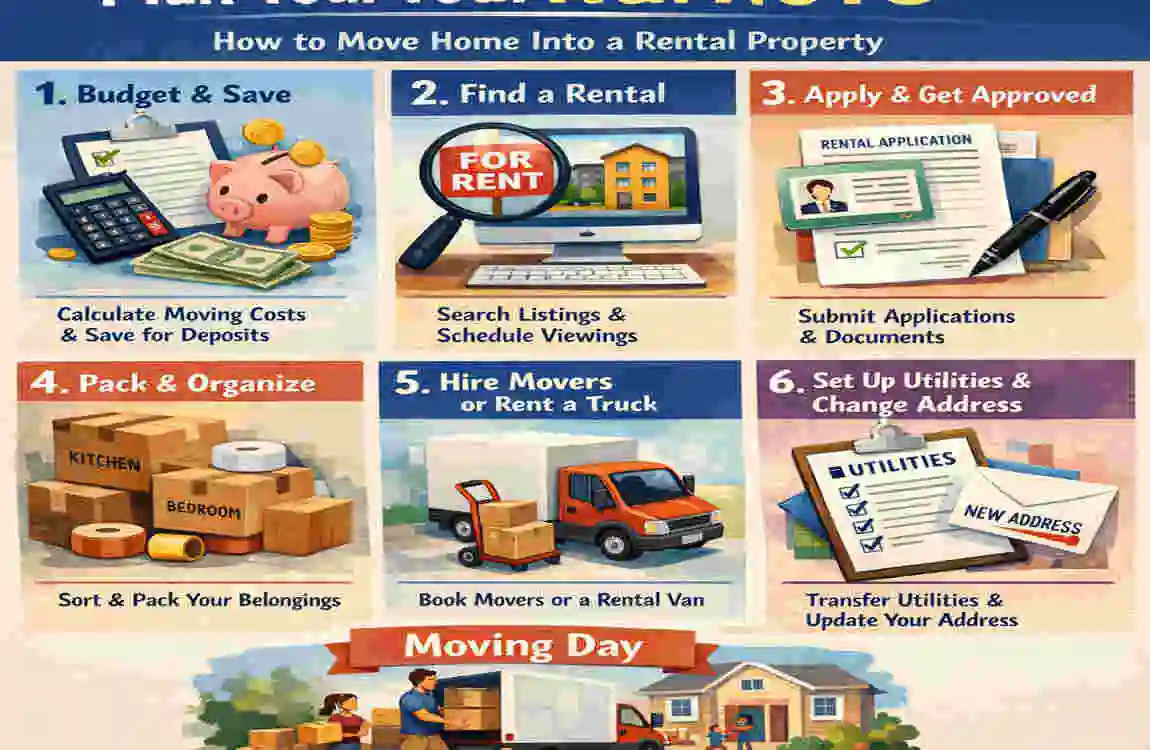
Good moves rarely happen by accident.
Most smooth rental moves start weeks before moving day. Preparation gives you control. It helps you avoid rushed choices, forgotten tasks, and last-minute spending. It also helps you shift your mindset. If you have lived in an owned home before, renting can feel different. You may need permission for changes, follow building rules, or share maintenance and utility responsibilities.
When you skip planning, costs can climb fast. A move can easily cost $1,500 or more once you add transport, packing supplies, deposits, cleaning, and utility setup. That is why the first stage matters so much.
If you want to succeed with moving home into a rental property, start here.
Research and Select the Right Rental
Before you pack a single box, make sure the rental itself is the right fit.
A beautiful property can still be the wrong choice if the rent stretches your monthly budget, the commute drains your energy, or the building has hidden problems. Look beyond the photos. Think about how the place will actually support your daily life.
Start with your full housing budget, not just the advertised rent. You need to account for the rent, security deposit, utility setup charges, internet, moving costs, parking fees, and any maintenance responsibilities that may fall on you. A place that seems affordable at first can feel expensive once the extra costs appear.
Location matters as much. Ask yourself simple questions. How long is the commute? Are groceries, schools, clinics, and public transport nearby? Is the neighborhood safe and practical for your routine? If you have children or pets, this becomes even more important.
Then inspect the property carefully. Watch for red flags such as leaks, poor water pressure, mold smell, pests, damaged locks, cracked windows, and faulty electrical outlets. If you are doing a virtual tour, ask the agent or landlord to show the storage areas, under-sink areas, the bathroom ceiling, and working appliances.
These are important steps before moving into a rental property, because fixing a bad rental decision after you move in is much harder than spotting the problem early.
Review the Lease and Supporting Documents
Never treat the lease like a formality.
Your lease is the rulebook for your stay. It defines what you can do, what you must pay, how long you can stay, and what happens if there is a dispute. Read every clause carefully, even the boring ones. In rental living, the “small print” often causes the biggest problems.
Pay close attention to the lease duration, renewal terms, notice period, maintenance responsibilities, pet policy, guest rules, late payment penalties, and rules about painting, drilling, or making changes to the property. You should also check who handles repairs and how to report them.
If anything sounds unclear, ask for written clarification before signing. Verbal promises can easily be forgotten later.
Here is a simple table of lease items you should review:
ItemWhy CheckPro Tip
Security Deposit. You need to know the refund rules and deductions. Try to keep it within 1–2 months’ rent, where possible
Utilities: They affect your monthly costs immediately. Get utility responsibility confirmed in writing.
Subletting is useful if your plans change later. Ask for approval rules early
Maintenance Duties: Prevents repair disputes. Clarify who handles plumbing, appliances, and minor fixes
Pet Policy protects you from violations and fines. Confirm breed, size, and extra deposit rules
Notice Period is important when ending tenancy. Mark the notice deadline on your calendar
A careful lease review can save you money, prevent conflict, and make the whole rental move-in process much easier.
Notify Stakeholders and Build a Timeline
Once your rental is confirmed, start updating the people and systems around your move.
If you are leaving a current rental, give proper notice to your landlord. In many cases, that means 30 to 60 days, depending on your agreement. Missing this step can cost you extra rent or cause trouble with your deposit. If you are moving from a family home or owned property, you still need a clear exit schedule for utility closure, cleaning, and handover.
Then update your address everywhere that matters. Think of your bank, employer, mobile provider, insurance company, children’s school, subscriptions, and any online shopping accounts. A missed address update can create annoying delays with bills, deliveries, or even salary paperwork.
A timeline helps everything feel manageable. Instead of trying to do everything at once, spread tasks across several weeks.
Here is a simple 8-week moving timeline you can follow:
- Week 8: Confirm rental, sign draft terms, start budgeting
- Week 7: Give notice, arrange mover quotes, sort documents
- Week 6: Declutter room by room, start collecting packing supplies
- Week 5: Confirm school, work, and address updates
- Week 4: Book movers or transport, pack non-essential items
- Week 3: Arrange utility transfers, internet installation, and insurance
- Week 2: Pack most rooms, label boxes, confirm move-in date, and key pickup
- Week 1: Clean current place, prepare essentials bag, recheck lease and payment records
This kind of structure turns stress into action. And if this is your first rental, it works well as a first-time rental moving checklist too.
Build a Realistic Budget
Most people underestimate moving costs.
They plan for rent and deposit, then get surprised by everything else. But the truth is simple: moving comes with many small expenses, and those small costs add up quickly.
Start with the major categories: transport, movers, cleaning, boxes, tape, utility activation, fuel, food on moving day, and any fees charged by your building or housing society. If your new rental is in an apartment block, ask about lift booking charges, service fees, or parking permits for the moving truck.
You should also plan for hidden costs. These might include temporary storage, mattress covers, extra keys, curtain rods, replacement bulbs, or emergency purchases like a shower curtain and cleaning supplies on day one.
Here is a simple moving budget table:
ExpenseEstimated CostNotes
Professional Movers $500–$1,500 Depends on distance and load size
Boxes and Packing Supplies $100–$200 Can drop with recycled supplies
Cleaning $100–$200 Old place, new place, or both
Security Deposit 1–2 months’ rent. Varies by market
Utility Setup/Transfer $50–$200. The Internet often adds extra fees
Parking or Building Permit $20–$100 Often forgotten
Emergency Purchases $100+ Snacks, tools, curtains, toiletries
Set aside a small buffer, too. Even a well-planned move can produce unexpected costs.
Gather Supplies Early
Do not wait until the last week to collect packing materials.
You will need sturdy boxes, packing tape, markers, labels, bubble wrap, bags for linens, and covers for furniture or mattresses. If you want a lower-cost or eco-friendly move, use recycled boxes, reusable storage bins, old towels for padding, and paper-based wrapping instead of plastic wherever possible.
Also, gather a folder for important move documents. Keep your lease, payment receipts, ID copies, inventory forms, and utility confirmations in one place. Digital backups help too.
Simple prep like this makes moving into a rental home much more organized from the beginning.
Legal Prep for How to Move Home into a Rental Property
Paperwork may not feel exciting, but it protects you.
Many tenant-landlord disputes begin because someone assumed something instead of confirming it. In fact, a large share of rental problems comes from missed clauses, unclear payment proof, or poor documentation. If you handle legal and financial steps properly before move-in, you reduce the chance of stress later.
Sign the Lease Securely
When it is time to sign, slow down and double-check everything.
Whether you sign digitally or in person, make sure the final version matches the agreed terms. Confirm the names, rent amount, payment due date, deposit amount, maintenance terms, and move-in date. If local rules require witnesses or ID verification, complete that step properly.
In some regions, tenancy rules may require registration, stamped agreements, or formal identification of both parties. The exact process varies by location, but your goal stays the same: ensure the lease is valid, complete, and easy to prove if a dispute arises later.
If the landlord promises repairs before move-in, ask for those promises in writing. If appliances will be installed later, write that down too. A clean written record protects both sides.
This is one of the most important parts of moving home into a rental property, because everything else depends on the agreement being clear.
Handle Deposits and Payments Carefully
Money should always leave a clear trail.
Pay the security deposit and first month’s rent through a traceable method whenever possible. Bank transfer, mobile payment apps, or other official channels are better than cash. If you do pay cash, insist on a signed receipt immediately.
Save screenshots, payment slips, confirmation emails, and signed acknowledgments. Put everything in one digital folder so you can access it later.
Before you move in, create a condition report with photos and videos. This matters because your deposit is usually linked to the property’s condition. If damage already exists when you arrive, but you do not record it, you may end up paying for it when you leave.
Here is a useful deposit protection checklist:
Pre-MoveMove-Out
Take a photo inventory. Request final walkthrough
Record videos with timestamps. Take fresh exit photos
Fill out the condition report. Show cleaning proof
Note existing scratches, stains, or cracks. Return all keys and remotes
Get landlord acknowledgment. Request deposit settlement in writing
These simple habits make the deposit process much less risky and support a stress-free transition to a rental home.
Consider Renter’s Insurance
Many tenants skip insurance because they think it is optional or unnecessary.
But renters’ insurance can be one of the smartest low-cost decisions you make. For a relatively small monthly cost, it can help cover your belongings in case of theft, fire, water damage, or certain accidents. Some policies also include liability coverage if someone gets hurt in your rented space.
Even if your landlord insures the building, that insurance usually does not protect your furniture, electronics, clothes, or personal items. If you want extra peace of mind, compare simple renter’s insurance options before move-in.
Transfer Utilities Early
Your move does not feel complete when the lights are out, and the internet is down.
Set up electricity, gas, water, internet, and any building service accounts at least one week before move-in. This gives you time to fix delays, submit ID, or schedule technician visits. It also helps you avoid paying for days without service after arrival.
Take meter readings when you move in. If the landlord or property manager is present, confirm the numbers together. Keep a photo for your records.
These small steps make moving home into a rental property far smoother than many people expect.
Packing and Logistics: Efficiently Move Your Belongings
Packing is where the move becomes real.
You start opening drawers, sorting cupboards, lifting old boxes, and suddenly you realize how much stuff you actually own. This stage can feel heavy, but if you use a simple system, you can cut your packing time dramatically and avoid chaos on moving day.
Declutter Before You Pack
The easiest item to move is the one you do not take with you.
Before you start boxing things up, reduce what you own. Go room by room and sort items into clear groups: keep, donate, sell, recycle, or discard. If something is broken, expired, unused, duplicated, or no longer useful, let it go.
This step is especially helpful when moving into a smaller rental or an apartment with limited storage. You do not want to pay to move things you no longer need.
Here is a simple room-by-room purge checklist:
- Kitchen: Remove duplicate utensils, expired food, broken containers, and unused appliances
- Bedroom: Sort old clothes, worn bedding, and shoes you do not use
- Bathroom: Throw away expired medicine, cosmetics, and empty bottles
- Living Room: Review decor, cables, old magazines, and damaged items
- Storage Areas: Be ruthless with “just in case” clutter
A cleaner load means lower costs, faster packing, and easier unpacking when moving into a rental home.
Use Smart Packing Strategies
Once you declutter, pack with a plan.
Do not pack randomly. Pack by room and label every box clearly. Include the room name, basic contents, and whether the box is fragile. This one step saves hours later.
Color coding works very well. You can use different colored stickers or tape for each room—for example, blue for the kitchen, green for the bedroom, and yellow for the bathroom. When the movers arrive, they can place boxes directly where they belong.
Pack heavy items in small boxes and light items in large ones. This keeps boxes safer and easier to carry. Wrap fragile items with paper, towels, or bubble wrap. Keep daily essentials separate so you do not have to open 10 boxes to find toothpaste or a phone charger.
Your essentials box should include the items you need during the first 24 hours. Think of it as your Survival kit for the new place.
Here is a simple packing timeline:
WeekTasks
4 Weeks Before Pack books, decor, seasonal items, and fragile pieces
3 Weeks Before Pack guest room items, extra linens, and storage contents
2 Weeks Before Pack clothes not in current use, office supplies, and most kitchen extras
1 Week Before Pack daily household items except essentials
1 Day Before Pack toiletries, chargers, and final kitchen basics
And here are smart items to keep in your essentials box:
- Basic toiletries
- Phone chargers
- Important documents
- Medicines
- One change of clothes
- Snacks and water
- Cleaning cloths and trash bags
- Bed linens
- Small tools
If you want a smoother experience when moving home into a rental property, packing systems matter more than most people realize.
Decide Between Hiring Movers and DIY
This decision affects your cost, energy, and stress level.
Professional movers save time and reduce physical effort. They are often worth it if you have large furniture, a long-distance move, limited help, or a tight schedule. A DIY move can cost less, but it requires more planning, labor, and responsibility.
Here is a quick comparison:
OptionCostEffort
Professional Movers $800+ Low
DIY Move Around $200–$500 High
A professional service may include loading, transport, unloading, and even packing help. But always read the fine print. Ask about insurance, damage policy, extra stairs charges, and waiting fees.
DIY works best when the move is local, your load is small, and you have reliable help. But remember: saving money is only useful if the process stays safe and realistic.
Prepare Pets and Family Members
A move affects more than your furniture.
Children may feel anxious about leaving familiar surroundings. Pets can become unsettled by noise, strangers, and changing routines. Plan for them early.
For pets, update ID tags, prepare food and water, and keep vaccination or vet records ready if your building or landlord requires them. On moving day, it is often better to keep pets in a quiet room or with a trusted friend until the heavy lifting is done.
For children, explain the move in simple terms. Pack a comfort bag with snacks, toys, books, or a tablet. Give them small jobs if they are old enough, like carrying soft items or labeling boxes. That helps them feel included.
This is a small but often overlooked part of the steps to move into a rental house successfully.
Move-In Day: Execute Flawlessly
Move-in day can feel messy, but it does not have to feel out of control.
If you prepare properly, the day becomes a checklist instead of a panic session. Your main goal is simple: protect yourself, get the essentials in place, and avoid mistakes that could cost you later.
Start with a Morning Walkthrough
Before the boxes fill the rooms, inspect the property carefully.
This is one of the most important move-in day tips for rental property success. Walk through every room with your phone and document the condition of the luxury home. Take clear photos and videos with timestamps. Focus on walls, floors, ceilings, doors, locks, windows, appliances, sinks, taps, and any existing damage.
Open cupboards. Test lights. Flush toilets. Check water pressure. Turn on fans or air conditioning if included. Look behind doors and under sinks. If something is damaged, dirty, or not working, report it immediately in writing to the landlord or property manager.
Do not assume you can mention it later. Early reporting creates a record and helps protect your deposit at move-out.
If the landlord provides a check-in form, complete it fully and keep a signed copy for yourself.
Unload in the Right Order
Not everything deserves equal priority.
As the truck or helpers arrive, direct items room by room. Start with the basics that make the place livable by night. The first goal is not perfection. The first goal is function.
Prioritize in this order:
- Bed and bedding
- Bathroom basics
- Kitchen essentials
- Important documents and valuables
- Daily-use clothes
- Furniture for key rooms
- Decor and non-essentials
Make sure fragile items are placed in safe corners where people will not step on them or stack things on them. Keep tools nearby so you can assemble only the most necessary furniture first.
This approach supports moving home into a rental property by helping you recover quickly after the physical part of the move.
Complete the Landlord Handover Properly
If the landlord or property manager meets you on move-in day, make the most of it.
Collect all keys, gate remotes, mailbox access cards, and any building entry codes. Check that every key works before the person leaves. If the property has utility meters, take clear meter readings and photos at handover.
Confirm practical details too. Ask how to report maintenance issues, when rent is due, where to dispose of rubbish, and whether there are building rules for moving furniture, guests, parking, or quiet hours.
A five-minute conversation on day one can prevent weeks of confusion later.
Keep an Emergency Kit Ready
You do not want to search through fifteen boxes for scissors or pain relief.
Prepare a simple move-in day emergency kit and keep it with you, not on the truck. Include first-aid items, snacks, bottled water, tape, scissors, a screwdriver, a flashlight, a power bank, cleaning wipes, tissues, trash bags, and basic medicine.
This makes the day easier, especially if there are delays. It also helps if your movers arrive late, your internet is down, or you need a break before continuing unpacking.
For many people, the most stressful part of moving into a rental property is the first day. A small kit solves a surprising number of problems.
Post-Move: Settle into Your Rental Home
The move is not over when the last box comes inside.
The next few days shape how comfortable, organized, and secure you feel in your new place. If you settle in systematically, your rental starts feeling like home much faster.
Unpack with a Simple System
Start with the rooms you need every day: bedroom, bathroom, and kitchen.
Make your bed first. It gives you one clean, ready space, no matter how chaotic the rest looks. Then unpack toiletries, towels, and basic cooking supplies. Once those are ready, everyday life becomes much easier.
After that, unpack one area at a time. Do not try to finish the whole home in one day. Focus on usefulness before decoration.
This final stage is still part of the process of moving home into a rental property, because the goal is not just arrival. The goal is comfortable living.
Personalize Without Breaking Rules
You want your rental to feel warm and personal, but you also need to respect the lease.
Use removable wall hooks, peel-and-stick decor, rugs, freestanding shelves, and soft lighting to make the space feel like yours. Storage boxes, under-bed containers, and door organizers can add function without permanent changes.
If you want to hang frames, paint walls, or mount shelves, check the lease first. Some landlords allow small changes if you restore the property before leaving.
Build Good Habits in the First Week
The first week matters a lot.
Introduce yourself to neighbors if it feels appropriate. Learn rubbish collection times, parking rules, water schedules, and building quiet hours. If anything stops working, report it quickly rather than waiting.
Here is a helpful 7-day settle-in task list:
- Confirm all utilities are working
- Test appliances and report faults
- Organize payment reminders for rent and bills
- Save landlord and maintenance contact numbers
- Break down empty boxes and clear pathways
- Update final address records
- Review your move-in photos and store them safely
These small habits make moving into a rental home far smoother in the long run.
Common Mistakes to Avoid When Moving into a Rental Property
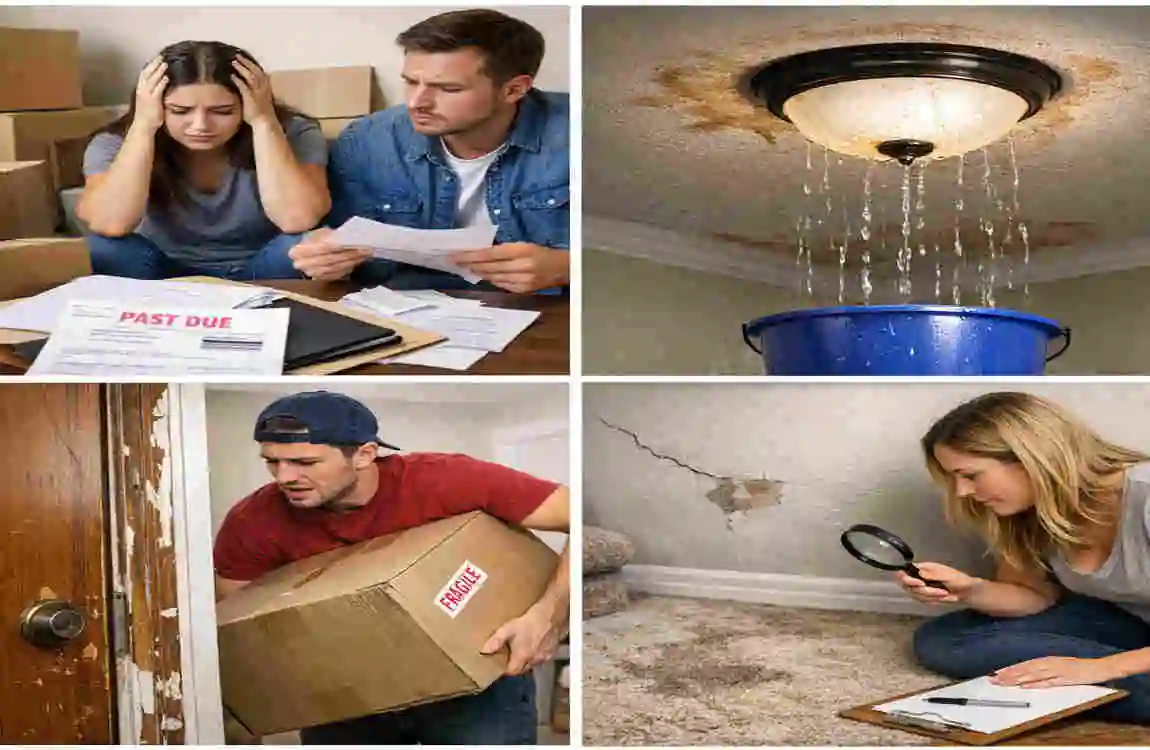
Even careful renters make avoidable mistakes. Here are the big ones:
- Skipping move-in photos
- This can lead to deposit disputes later. Always document the property‘s condition on day one.
- Overpacking non-essentials
- If you pack everything without sorting first, you waste time, money, and space. Declutter before you box items.
- Ignoring the pet policy
- Even if your landlord seems relaxed, an unapproved pet can create fines or lease trouble. Get written approval.
- Forgetting utility setup
- No power, no internet, no comfort. Set up services before the move.
- Not reading the lease fully
- Small clauses can create high costs. Read everything and ask questions early.
FAQ: How to Move Home into a Rental Property
Here is a short FAQ section you can use on homeimprovementcast.co.uk for readers who want quick answers.
What is the first step in moving into a rental property?
The first step is to confirm your lease, budget, and move-in date. After that, create a simple checklist for packing, utilities, and address changes.
How early should I start planning my rental move?
It is best to start planning 4 to 8 weeks before moving day. This gives you enough time to sort paperwork, book movers, and pack without rushing.
What documents do I need before moving into a rental home?
You usually need your signed lease agreement, ID, payment receipts, deposit record, and inventory report. Keep both paper and digital copies.
How can I make moving into a rental property less stressful?
To make it easier, declutter early, label boxes clearly, set up utilities in advance, and pack one essentials box for your first day and night.
Should I inspect the rental property before moving in?
Yes, always inspect the property before or on move-in day. Take photos and videos of any damage so you do not get blamed for it later.
When should I set up utilities in a rental property?
Try to arrange electricity, gas, water, and internet at least one week before the move. This helps avoid delays on move-in day.
How do I protect my security deposit when moving in?
Take clear move-in photos, complete a condition report, and keep all payment receipts. Report any issues to the landlord in writing right away.
Is renter’s insurance necessary?
It is not always required, but it is a smart idea. It can help protect your belongings from theft, fire, or accidental damage.
What is the biggest mistake people make when moving into a rental property?
One of the biggest mistakes is not reading the lease properly. Another common mistake is skipping move-in photos.