Flat roofs are very common in both homes and commercial buildings. You will see them on modern houses, offices, warehouses, and even shopping centers. One of the main reasons people prefer them is simple—they are cost-effective, easy to construct, and provide extra usable space.
But here is something many people don’t realize: flat roofs are not completely flat. They actually have a very slight slope to allow water to drain. Even with this design, water can still easily collect on the surface if drainage is not perfect.
When rainwater stays on the roof for too long, it slowly starts to damage the structure. Cracks appear, leaks develop, and moisture begins to enter the building. Over time, this leads to expensive repairs that could have been avoided.
That is why understanding how to waterproof a flat roof is so important. Waterproofing is not just an extra step—it is a protection system that keeps your building safe, dry, and long-lasting.
What Is Flat Roof Waterproofing?
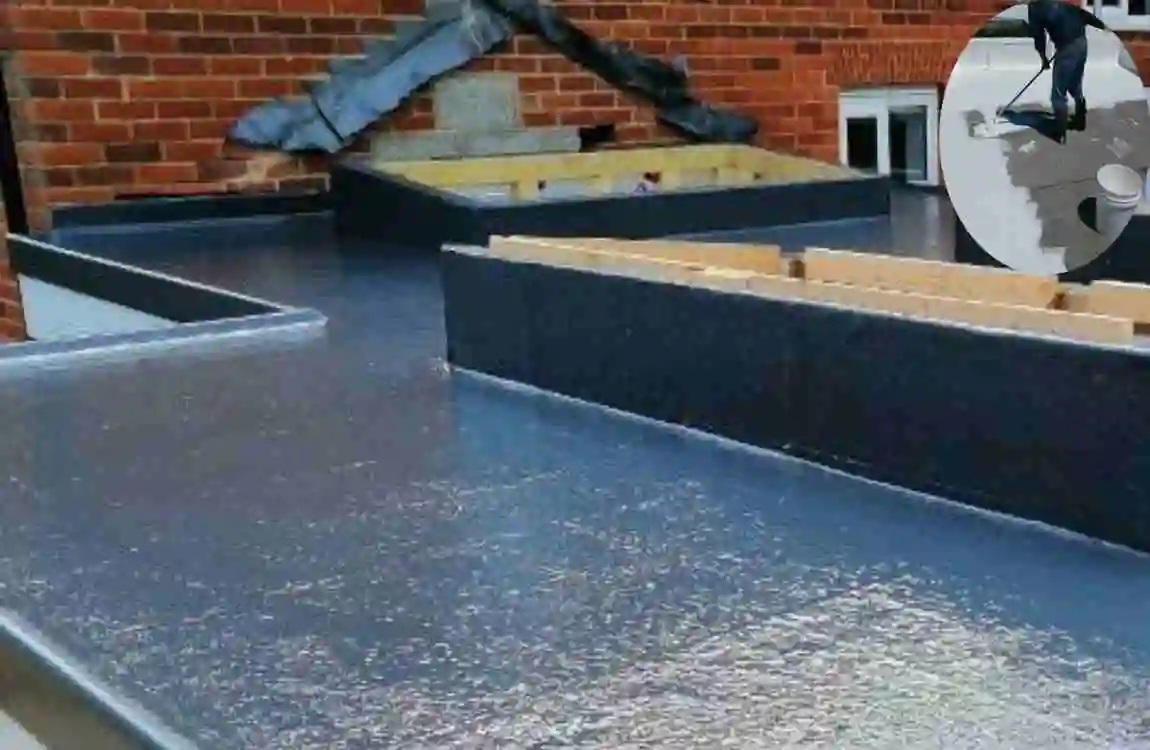
Flat roof waterproofing is a protective process that stops water from entering your roof structure. It creates a barrier that blocks rain, moisture, and humidity from causing damage.
Think of it like a raincoat for your building. Without it, water can slowly seep into the surface and weaken everything underneath.
How It Works
Waterproofing is achieved through various materials and methods that protect the roof surface. These include:
- Waterproof membranes
- Liquid coatings
- Sealants for cracks and joints
- Proper drainage systems
Each layer works together to stop water from penetrating the roof.
It is important to understand the difference between water-resistant and waterproof. Water-resistant materials can slow down water, but they cannot fully stop it. Waterproof systems completely block water entry when installed correctly.
Types of Flat Roof Systems
There are several common flat roof systems used today:
- Built-Up Roofing (BUR) – layers of asphalt and felt
- Modified Bitumen – flexible asphalt sheets
- EPDM Rubber Roofing – synthetic rubber material
- PVC/TPO Membranes – strong plastic-based sheets
- Liquid Waterproofing Systems – brush or spray applied coatings
Each system has its own strengths, but all aim to achieve the same goal—to protect the roof from water damage.
Why Waterproofing Flat Roofs Is Critical
Waterproofing is not just about preventing leaks. It protects the entire building from serious long-term damage.
Prevents Water Leaks and Structural Damage
When water enters a roof, it does not stay in one place. It spreads into concrete, steel, and insulation. Over time, this weakens the structure and poses serious safety risks.
Even a small leak today can turn into a major repair problem tomorrow.
Protects Against Weather Extremes
Flat roofs face constant exposure to:
- Heavy rainfall
- Strong sunlight
- Heat expansion and cooling cycles
- Occasional snow or frost
Without waterproofing, these conditions quickly break down roof materials.
Prevents Mold and Damp Issues
Moisture trapped inside the roof creates a perfect environment for mold growth. This can spread into walls and ceilings, affecting indoor air quality and even health.
Reduces Repair and Maintenance Costs
Waterproofing is a long-term investment. Instead of spending money on repeated repairs, a properly waterproofed roof saves you from frequent damage control.
Extends Roof Lifespan
A well-waterproofed roof can last 10 to 20 years longer than an unprotected one. That is a huge difference in building maintenance costs.
Common Problems Caused by Poor Flat Roof Waterproofing
When waterproofing is ignored or done poorly, several issues can appear quickly.
Roof Leaks and Ceiling Stains
One of the first signs is water stains inside the building. These stains usually mean water has already passed through the roof layer.
Ponding Water (Standing Water)
Flat roofs sometimes collect water in low areas. If this water does not drain, it weakens the surface and increases the risk of leakage.
Cracks and Blistering
Temperature changes cause roof materials to expand and shrink. Over time, this leads to cracks and bubbles on the surface.
Insulation Damage
Wet insulation loses its effectiveness. This makes the building harder to cool or heat, increasing energy bills.
Structural Deterioration
Long-term water exposure can even damage steel reinforcement, leading to serious structural problems.
How to Waterproof a Flat Roof Step-by-Step Guide
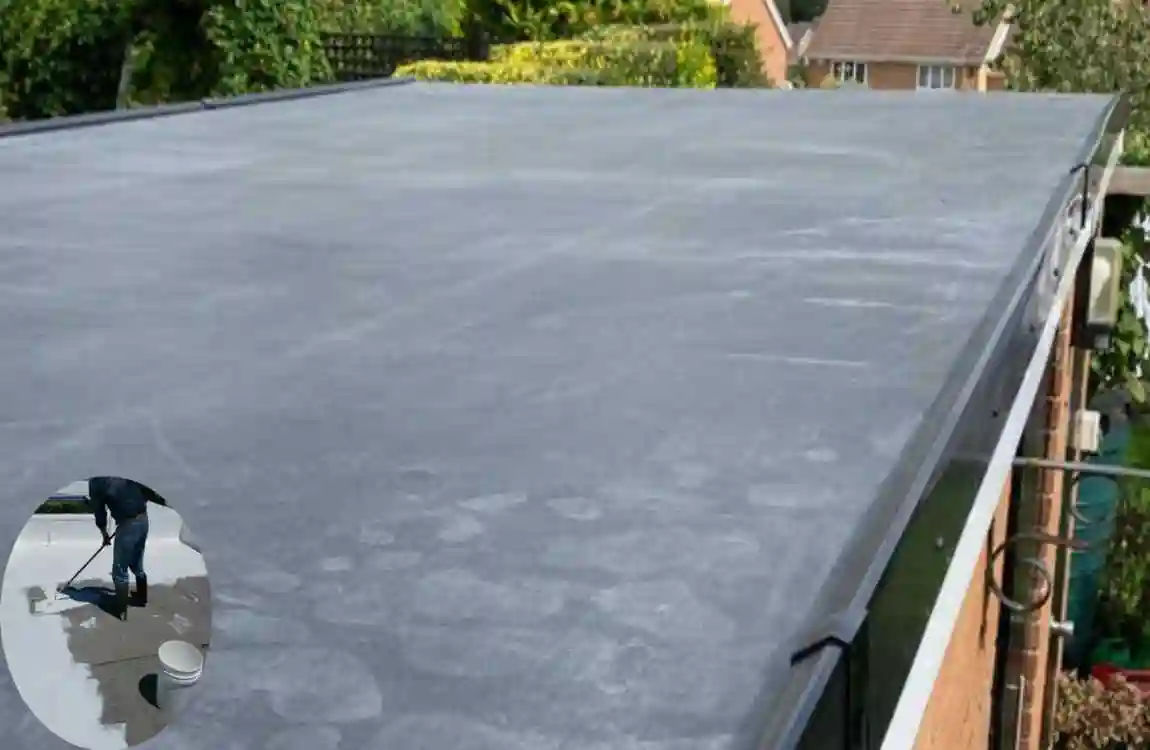
Now, let’s understand the most important part—how to waterproof a flat roof properly.
Roof Inspection and Cleaning
Start by carefully inspecting the roof. Look for:
- Cracks
- Loose materials
- Dirt and debris
- Existing leaks
Cleaning is very important. A dirty surface will prevent waterproof materials from adhering properly.
Make sure the roof is completely dry before moving to the next step.
Repair Existing Damage
Before waterproofing, fix all visible problems:
- Fill cracks with sealant
- Repair broken joints
- Replace damaged sections
If you skip this step, waterproofing will not last long.
Choosing the Right Waterproofing Method
There are different options available. Each has pros and cons:
MethodAdvantagesDisadvantages
Liquid Coating: Easy to apply and flexible. Needs reapplication over time
Membrane Sheets Strong protection Requires skilled installation
Bitumen System : Affordable and durable , can crack in extreme heat
Choose based on your roof condition and budget.
Applying Primer (If Needed)
Primer helps the waterproof layer stick better. It improves bonding and increases durability. Not all systems require it, but it is often recommended.
Applying a Waterproofing Layer
This is the main protection step.
You can apply it in different ways:
- Roll-on coating using a brush or roller
- Spray application for large surfaces
- Installing membrane sheets
Apply evenly to avoid weak spots.
Adding Reinforcement Layer (Optional)
For extra strength, a fabric or mesh layer can be added. This helps prevent cracks and improves durability.
Sealing Edges and Joints
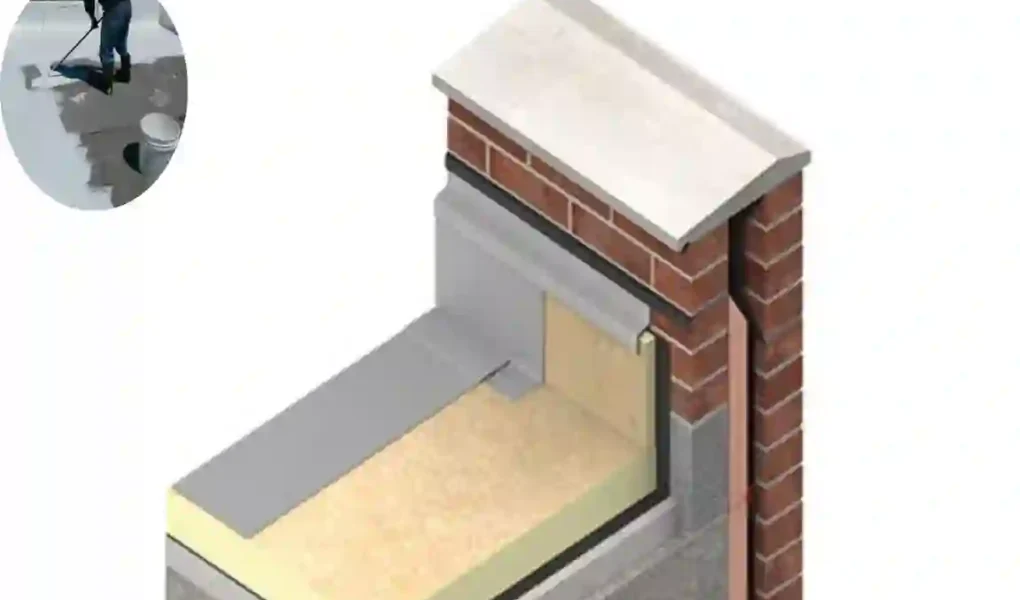
Edges, corners, and joints are the weakest areas of any roof. Make sure they are properly sealed. Even a small gap can cause leaks.
Final Inspection and Testing
Once everything is done, inspect the entire roof again. You can also do a simple water test by pouring water and checking for leaks.
Best Materials for Flat Roof Waterproofing
Different materials are used depending on the roof type and budget.
Liquid Waterproofing Membranes
These are flexible coatings that adapt to roof movement and easily cover small cracks.
Bitumen-Based Solutions
A traditional option that offers strong protection but may require more maintenance.
EPDM Rubber Roofing
A durable rubber material known for its long lifespan and weather resistance.
PVC and TPO Membranes
Modern materials are used mostly in commercial buildings. They are strong and energy efficient.
Acrylic and Polyurethane Coatings
These provide UV protection and flexibility, making them ideal for hot climates.
DIY vs Professional Flat Roof Waterproofing
When DIY Works
- Small roof areas
- Minor crack sealing
- Simple coating applications
When Professionals Are Needed
- Large commercial roofs
- Structural damage
- Complex waterproofing systems
Risks of Poor Installation
If waterproofing is not done properly, you may face:
- Repeated leaks
- Higher repair costs
- Short lifespan of the roof coating
Maintenance Tips for Waterproof Flat Roofs
To keep your roof in good condition, follow these simple habits:
- Inspect the roof regularly
- Clean drainage systems
- Repair small cracks early
- Reapply coatings when needed
- Check after heavy rainfall
A little care goes a long way in preventing major damage.
Cost of Waterproofing a Flat Roof
The cost depends on several factors:
Key Factors
- Roof size
- Material choice
- Labor cost
- Condition of existing roof
Long-Term Savings
Even though waterproofing has an upfront cost, it saves money by:
- Reducing repair needs
- Preventing structural damage
- Improving energy efficiency
Signs Your Flat Roof Needs Waterproofing
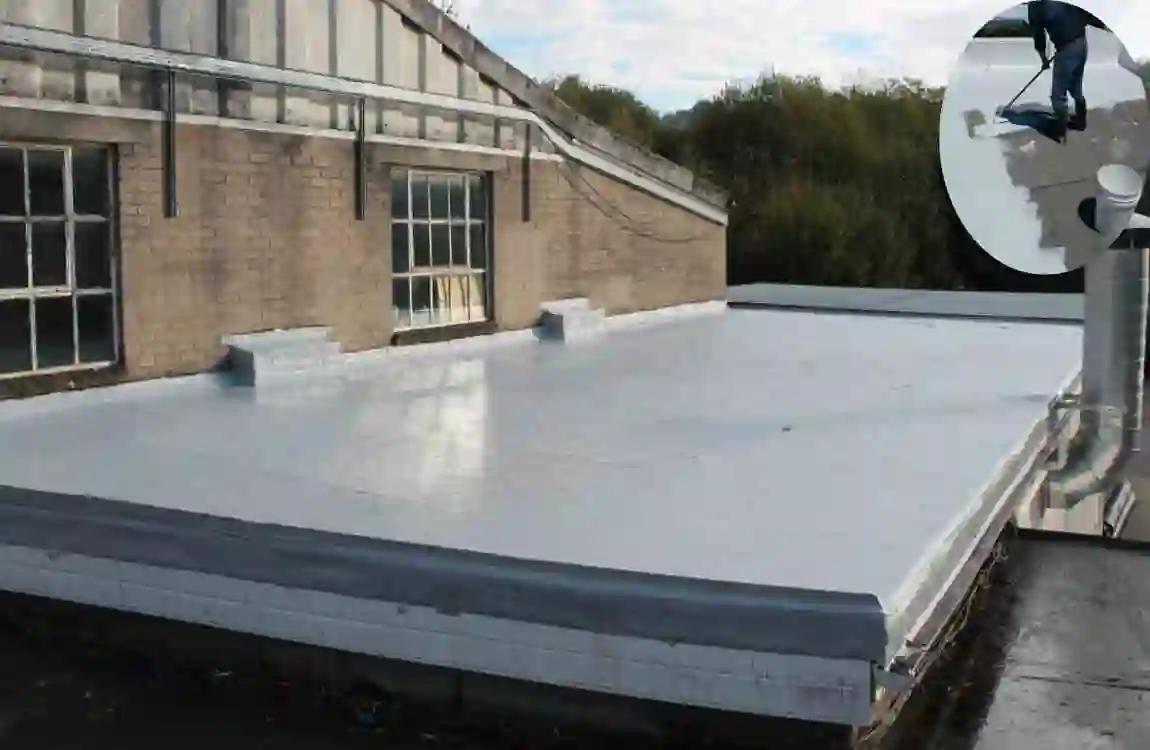
Watch out for these warning signs:
- Water stains on ceilings
- Damp or peeling paint
- Mold growth
- Standing water after rain
- Visible cracks or bubbles
If you notice these, your roof likely needs immediate attention.
Expert Tips for Effective Waterproofing
Here are some practical tips to ensure better results:
- Always clean and dry the surface first
- Use high-quality materials
- Ensure proper slope for drainage
- Avoid cheap coatings that wear out quickly
- Schedule regular maintenance checks
Good preparation always leads to better results.
| Factor | Why It Matters | Benefit |
|---|---|---|
| Leak prevention | Flat roofs collect standing water easily | Stops water from entering the building |
| Structural protection | Moisture weakens concrete and steel over time | Increases roof lifespan |
| Mold & damp control | Water seepage creates damp conditions | Improves indoor air quality |
| Cost savings | Prevents repeated repairs and damage | Reduces long-term maintenance costs |
| Weather resistance | Protects against rain, heat, and UV exposure | Ensures durability in all seasons |
| Property value | Well-maintained roof improves condition of property | Enhances resale value |