
Martha Stewart has shaped the way many people think about home, style, and everyday living. Her name brings to mind polished tables, fresh flowers, organized spaces, and a calm kind of luxury. That is why the Martha Stewart house gets so much attention. People do not just see a house. They see a reflection of a lifestyle built on taste, order, and care.
Martha Stewart’s house is not just a home; it’s a masterpiece of design and creativity. It feels thoughtful, warm, and deeply personal. Every corner seems to tell a story about how beauty and usefulness can work together.
| Category | Details |
|---|---|
| Full Name | Martha Helen Stewart |
| Date of Birth | August 3, 1941 |
| Profession | Businesswoman, TV Personality, Author |
| Known For | Lifestyle brand, Home Design, Cooking |
| Estimated Net Worth | Approximately $400 million (as of 2026) |
The Location of Martha Stewart’s House
Why Bedford, New York, Fits Her Style
One of the best-known places connected with Martha is her Bedford, New York, property. The setting matters a lot. Bedford has a peaceful, green, country feel that suits her love of gardens, animals, fresh air, and classic design.
Martha Stewart’s house in Bedford is surrounded by lush landscapes that inspire her timeless designs. The area offers her room to live more naturally, with space for outdoor beauty and practical farm-style living. That kind of environment fits her perfectly.
A Place That Supports Her Design Philosophy
Her home location is not just about privacy or comfort. It also supports the way she thinks about design. Martha has always loved spaces that feel connected to nature. A setting like Bedford gives her the chance to blend elegance with everyday life.
The result is a home that feels calm but never dull. The landscape becomes part of the design. Trees, gardens, paths, and open land all contribute to shaping the property’s mood.
A Walkthrough of Martha Stewart’s Home
The Exterior and Landscaping
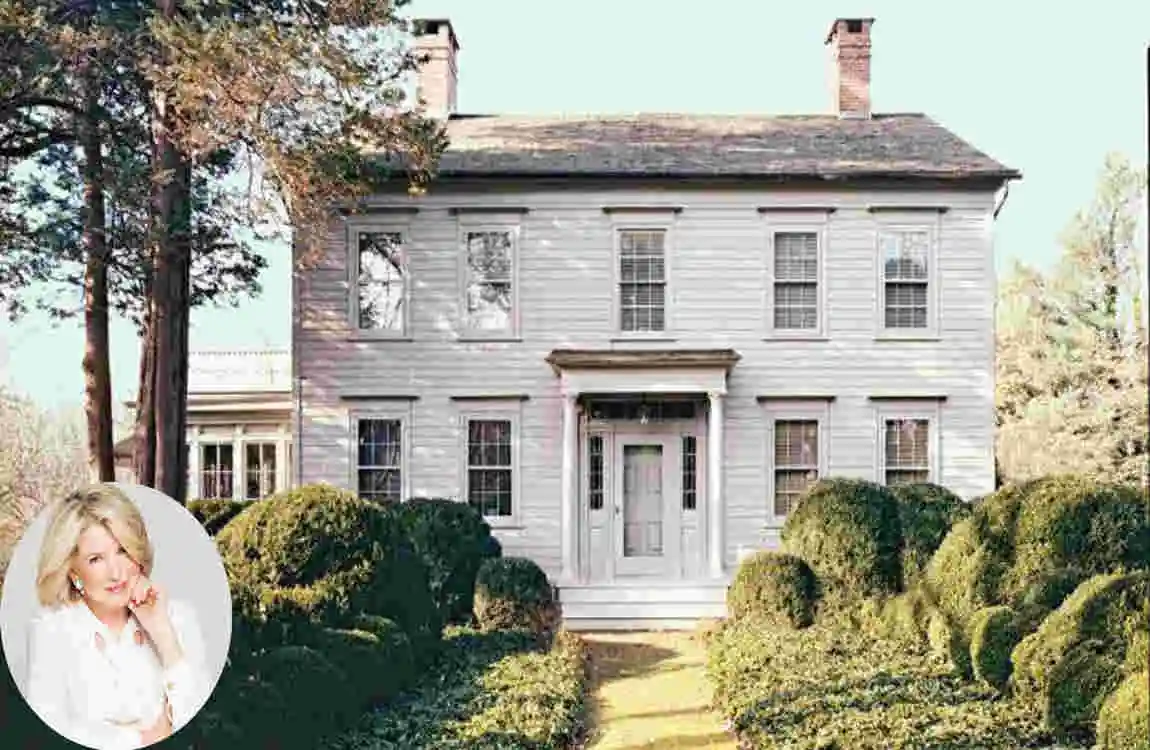
The outside of the Martha Stewart house often feels like an extension of the garden itself. The architecture is classic and composed, with a strong sense of balance. Nothing seems accidental. Even the outdoor spaces feel carefully planned.
The exterior of Martha Stewart’s house is a testament to her love for nature and Symmetry. You can imagine clean lines, wide views, and garden beds arranged with purpose. Outdoor furniture, flowering plants, and well-kept paths all help create a space that feels welcoming and elegant.
Her landscaping is just as important as the house itself. Martha has always believed that outdoor spaces should be used, enjoyed, and maintained. That means a garden is not only something to look at. It is something to live with.
The Interior Design
Inside, the home feels warm, collected, and highly personal. The interior of the Martha Stewart House showcases her impeccable taste and attention to detail. You can expect a mix of comfort and refinement, with rooms that feel rich in texture and meaning.
Living Spaces That Feel Calm and Collected
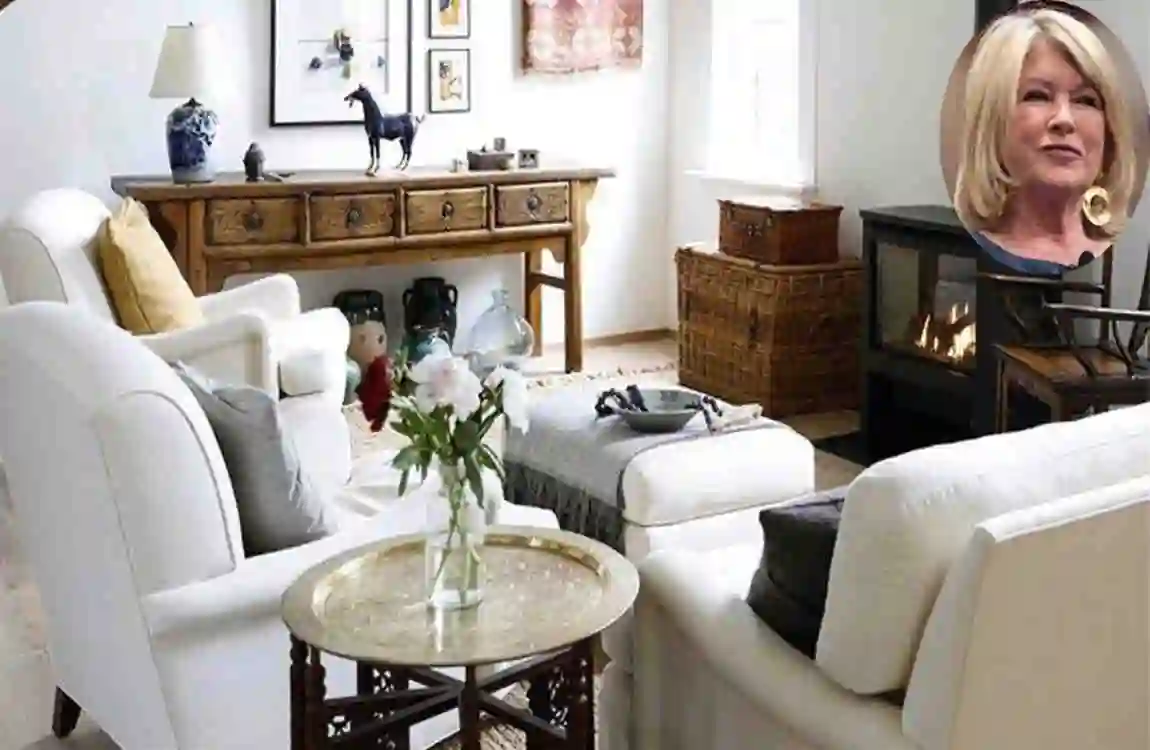
Her living spaces often lean toward classic colors, natural materials, and well-chosen furniture. Nothing feels too loud or trendy. Instead, the rooms seem built to last. Sofas, tables, lamps, and decor pieces are likely arranged to create balance rather than clutter.
There is also a strong sense of layering. This means the rooms do not look flat or empty. They include books, art, textiles, and objects that give the home personality. That is what makes the space feel lived in, not staged.
The Kitchen as a True Working Space
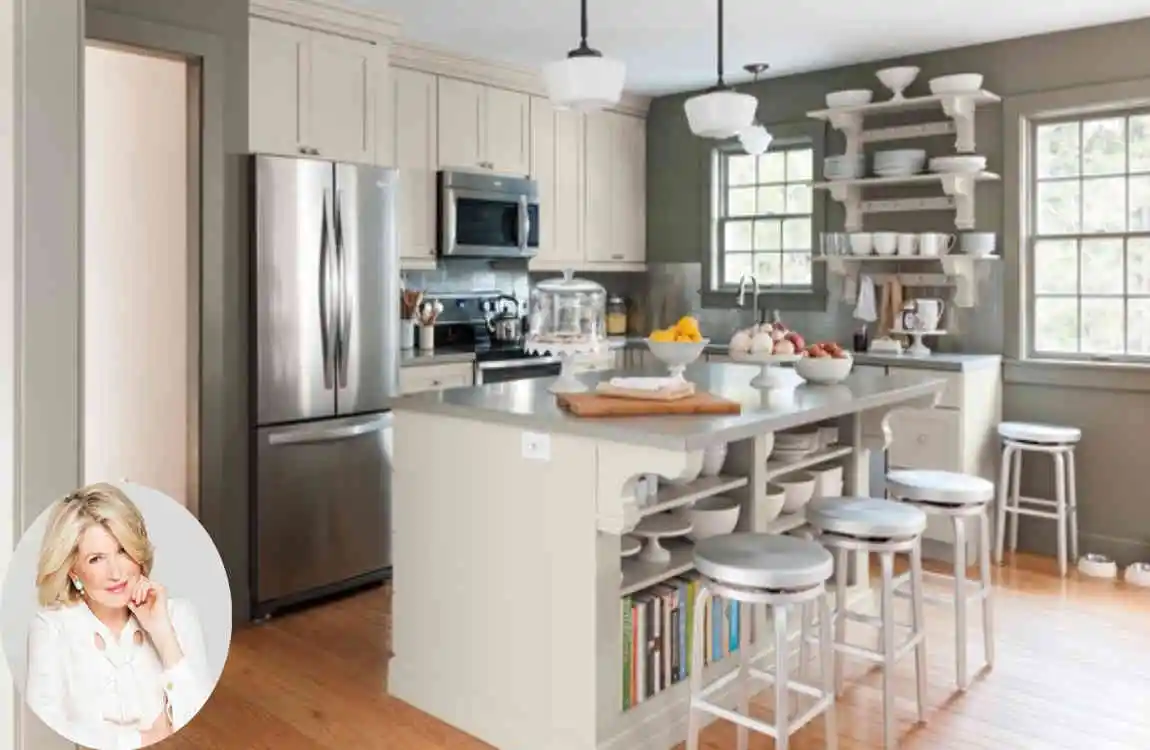
Martha’s kitchen is especially important because food is such a big part of her life. A Martha Stewart kitchen is never just for show. It is meant for cooking, preparing, arranging, and creating. You can picture a room with sturdy counters, smart storage, and tools that are easy to reach.
The beauty of the kitchen likely comes from its usefulness. That is a classic Martha idea. If something is beautiful but hard to use, it is not finished. If it works well and looks good, then it belongs.
Bedrooms and Quiet Spaces
Her bedroom and other quiet spaces likely carry the same feeling of order and rest. Soft colors, simple layers, and clean arrangements help create a peaceful mood. These are not rooms packed with noise. They are places where the eye can rest.
That sense of calm is a big part of her overall style. She shows that a home can be elegant without feeling stiff.
A Quick Look at Her Home Design Style
Area What Stands Out Design Lesson
Exterior Symmetry, gardens, and classic structure. Let the outside feel connected to nature.
Kitchen Function, tools, and clean surfaces make beauty useful
Living Room Layered textures and balanced decor Mix comfort with style
Bedroom: Calm tones and simple layout. Keep private spaces restful
Martha Stewart’s Design Philosophy
Beauty and Function Should Work Together
Martha has always believed that a home should do more than look nice. It should support daily life. That means the chairs should be comfortable, the storage should make sense, and the decor should add value instead of confusion.
Martha Stewart’s house embodies her belief in creating spaces that are both beautiful and practical. That balance is one of the main reasons her style still feels fresh today. She never treats design as just decoration. She treats it as a way of living better.
Timeless Style Over Fast Trends
Another important part of her philosophy is timelessness. She does not rely only on whatever is trendy right now. Instead, she leans toward things that hold up over time. This could mean classic furniture shapes, natural materials, or colors that stay calm year after year.
That approach makes sense for a luxury home that is meant to grow and change with its owner. A timeless room can be updated in small ways without needing a full makeover.
Thoughtful Details Make the Difference
Martha also understands that small details matter. A neatly folded blanket, a simple vase of flowers, or a well-chosen tray can change the mood of a room. She often shows that good design is not about spending more. It is about choosing better.
That lesson is one of the easiest to learn from her. You do not need a huge budget to make a room feel special. You need care, attention, and a clear point of view.
Unique Features of Martha Stewart’s House
Special Pieces That Show Personality
One of the most interesting things about the Martha Stewart House is how much personality it likely has. Antique collections, custom pieces, and meaningful objects help make a house feel unique. These items do not just fill space. They tell stories.
Every corner of Martha Stewart’s house tells a story, showcasing her personality through unique features. A vintage chair, a family heirloom, or a handmade item can add history and charm to a room. That is part of what gives her luxury home depth.
Spaces for Creativity and Work
Martha is known for being hands-on, so it makes sense that her home would support creativity. A greenhouse, craft room, potting area, or library would fit her lifestyle well. These spaces allow her to make, grow, and plan.
A room like this is useful because it supports her daily interests. It also shows that a home should not just be pretty. It should help you do the things you love.
Eco-Friendly and Natural Elements
Martha often values nature, gardening, and seasonal living. Because of that, her luxury home is likely to feature natural materials and thoughtful, sustainable choices. Wood, stone, plants, and reused antiques all fit this kind of style.
This approach feels both smart and elegant. It shows respect for the environment while also giving the home a warm, grounded look.
Why These Features Matter
These special touches are what separate a nice house from a memorable one. Anyone can buy furniture. But creating a home with a clear identity takes vision. Martha’s house works because it feels connected to her life, not just her image.
Lessons from Martha Stewart’s Home Design
Easy Ideas You Can Use at Home
You do not need a large estate to borrow ideas from Martha. In fact, some of her best lessons work well in small spaces, too.
- Choose useful pieces first so your rooms work well every day.
- Use natural colors and textures to create calm and balance.
- Display meaningful objects instead of filling shelves with random decor.
- Keep spaces organized so the luxury home feels open and easy to enjoy.
- Mix old and new items for a look that feels timeless.
Homeowners can take inspiration from Martha Stewart’s house to elevate their own spaces. The goal is not to copy her home exactly. The goal is to borrow her way of thinking.
Make Your Home Feel Intentional
One of the best lessons from Martha is to be intentional. Every object should have a reason to be there. Every room should support the way you live. That simple mindset can make even a basic home feel more refined.
The Evolution of Martha Stewart’s House Over Time
A Style That Grows Without Losing Its Identity
Like any lived-in luxury home, Martha’s spaces have likely changed over the years. New needs, new tastes, and new ideas naturally shape a house over time. But the core style usually stays the same.
The evolution of Martha Stewart’s house reflects her ability to adapt to changing times while maintaining her signature style. She may update a room, refresh a color, or improve a layout, but she keeps the same sense of balance and purpose.
Why Her Home Still Feels Relevant
A lot of homes lose their charm when they chase too many trends. Martha’s style stays relevant because it is rooted in strong basics. Good light, neat layout, quality materials, and practical design never go out of style.
That is why her luxury home still feels inspiring. It does not depend on one season or one trend. It depends on good taste.
Why Martha Stewart’s House Inspires Homeowners Everywhere
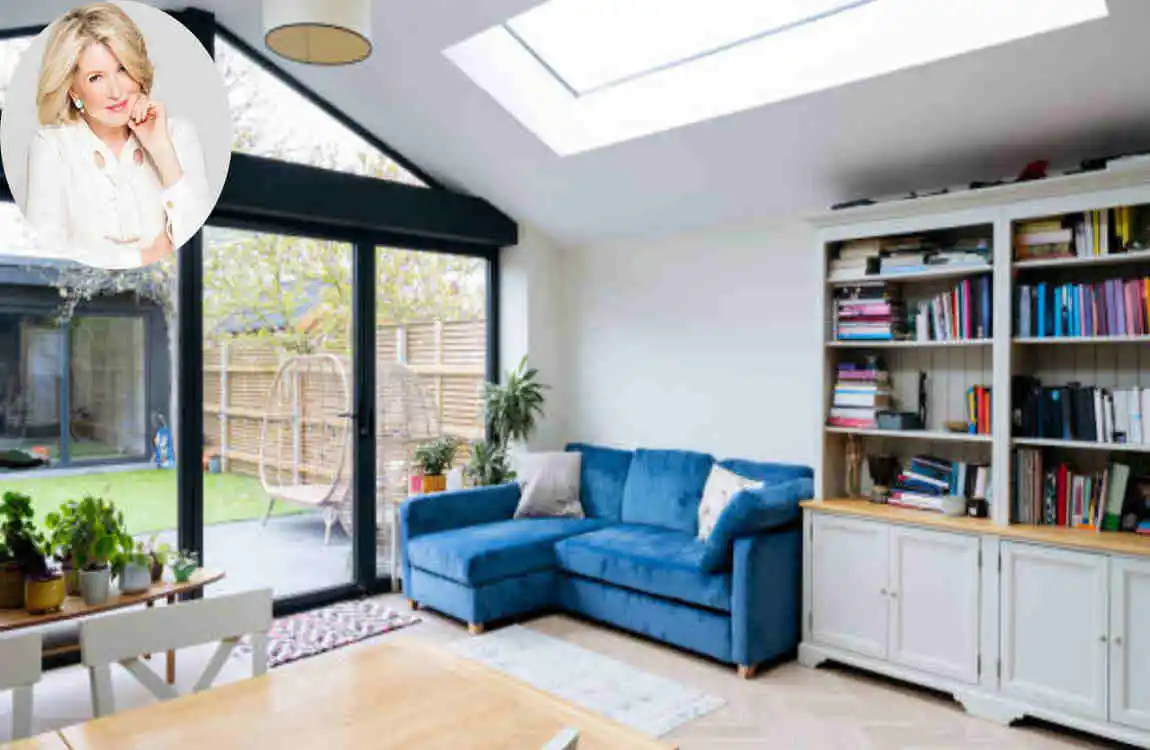
A Home That Feels Both Luxury and Comfort
The Martha Stewart House is inspiring because it brings together two things people often want at once: beauty and comfort. It shows that a home can feel rich in style without losing its warmth.
Martha Stewart’s house continues to inspire homeowners worldwide, proving that design is an art form. Her spaces remind people that luxury home is not only about appearance. It is also about how a place makes you feel.
A Clear Example of Living Well
Martha Stewart has spent her career showing people how to live with more care. Her home reflects that message clearly. It is not just a backdrop. It is part of the story.
That is why people keep looking at her spaces for ideas. They see a way of life that values order, beauty, and thoughtful attention to detail.
FAQ: Martha Stewart House
Where is Martha Stewart’s house located?
Martha Stewart is best known for her Bedford, New York property. It is surrounded by nature and fits her classic, elegant style.
What makes Martha Stewart’s house special?
The martha stewart house stands out for its mix of beauty and function. It feels stylish, organized, and deeply personal.
What is Martha Stewart’s home style like?
Her style is timeless, clean, and practical. She often uses natural materials, soft colors, and thoughtful decor.
Does Martha Stewart’s house have a garden?
Yes, her home is known for its lush outdoor spaces and gardens, which reflect her love for nature and design.
What can homeowners learn from Martha Stewart’s house?
A lot. The biggest lesson is to blend function, comfort, and beauty in every room.
| Category | Details |
|---|---|
| Primary Residence | Cantitoe Corners, Bedford, New York |
| Other Notable Properties | • Skylands Estate, Seal Harbor, Maine |
| • Turkey Hill, Westport, Connecticut (former home) | |
| • Lily Pond Lane, East Hampton, New York (former home) | |
| Architecture Style | • Bedford: Colonial-style farmhouse with multiple residences |
| • Skylands: 1925 Georgian Revival with pink-granite driveway | |
| • Turkey Hill: 19th-century farmhouse with rustic charm | |
| Property Features | • Bedford: 150-acre estate with gardens, stables, and farm animals |
| • Skylands: 12 bedrooms, 60-foot-long living hall, and expansive gardens | |
| Estimated Worth | • Bedford Estate: Estimated at $16 million |
| • Skylands Estate: Estimated at $8 million | |
| Historical Significance | • Skylands was originally built in 1925 for Edsel Ford
. |
| • Turkey Hill was a 19th-century tobacco barn restored by Martha Stewart
. |
|
| Current Use | • Bedford: Martha’s primary residence and working farm
. |
| • Skylands: Seasonal retreat and inspiration for her decor line
. |
Where Does Martha Stewart Currently Live?
As of May 2026, Martha Stewart primarily resides in her expansive estate located in Bedford, New York. This property has long been recognized as her main home, offering a serene and private retreat that perfectly complements her passion for gardening, design, and entertaining. The Bedford estate reflects her signature style—classic, elegant, and deeply connected to nature.
Martha Stewart House Photos