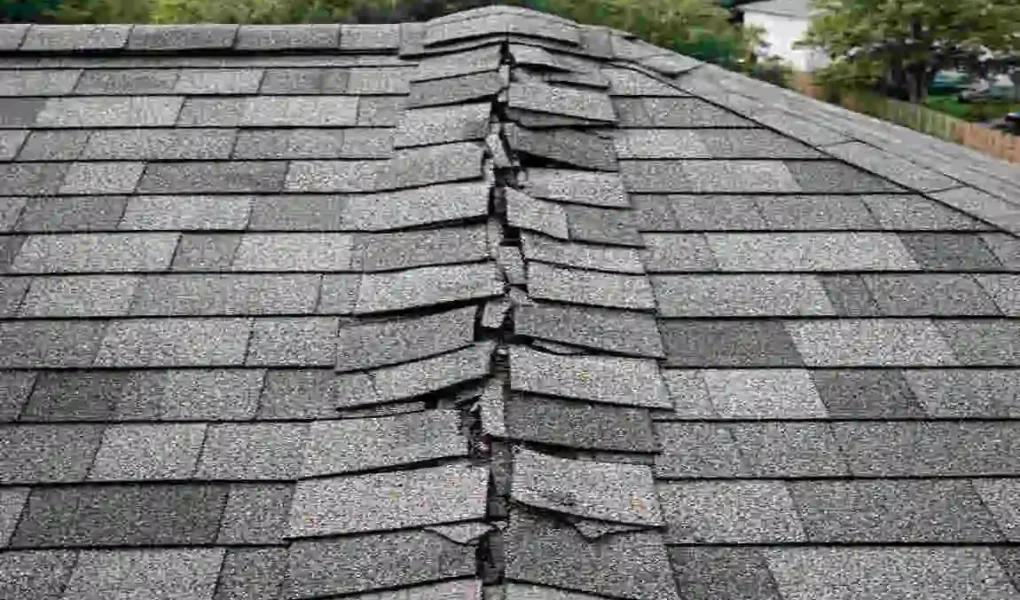
Have you ever walked down your driveway, turned around to admire your home, and noticed a strange, stair-step pattern running up your roof? It almost looks as if a giant invisible hand grabbed a zipper at the edge of your gutters and pulled it straight up toward the sky. This unusual and slightly alarming sight leaves many homeowners scratching their heads and worrying about the safety of their homes.
If you are staring at these strange, diagonal lines of lifted materials, you are likely asking yourself: What is zippering on a roof? In simple terms, roof zippering occurs when your shingles lose their grip and lift or misalign in a distinct, linear pattern. It quite literally resembles the teeth of an unzipping jacket across your house. Many people immediately blame intense storms or high winds for this damage. However, the truth is often much more complicated. It stems from the very materials and installation methods used on your home.
Understanding this sneaky shingle issue is absolutely critical for your peace of mind and your wallet. If you ignore these lifted edges, water will eventually seep beneath the protective layers of your home. These small gaps invite hidden leaks, dangerous mold, and incredibly costly structural repairs down the line. Spotting this problem early can literally save you thousands of dollars and extend the life of your home’s main defense system.
What Is Roof Zippering?
When roofing professionals talk about zippering, they are referring to a specific visual and mechanical failure on your home. To truly grasp what’s happening on a roof, you need to understand how installers put your roof together.
Builders design asphalt shingles to overlap, creating a watertight barrier. Manufacturers apply a special strip of adhesive, often called a sealant strip, to the back or top of each shingle. When the sun heats this adhesive, it melts slightly, bonding the shingles together.
The Zipper Pattern Explained
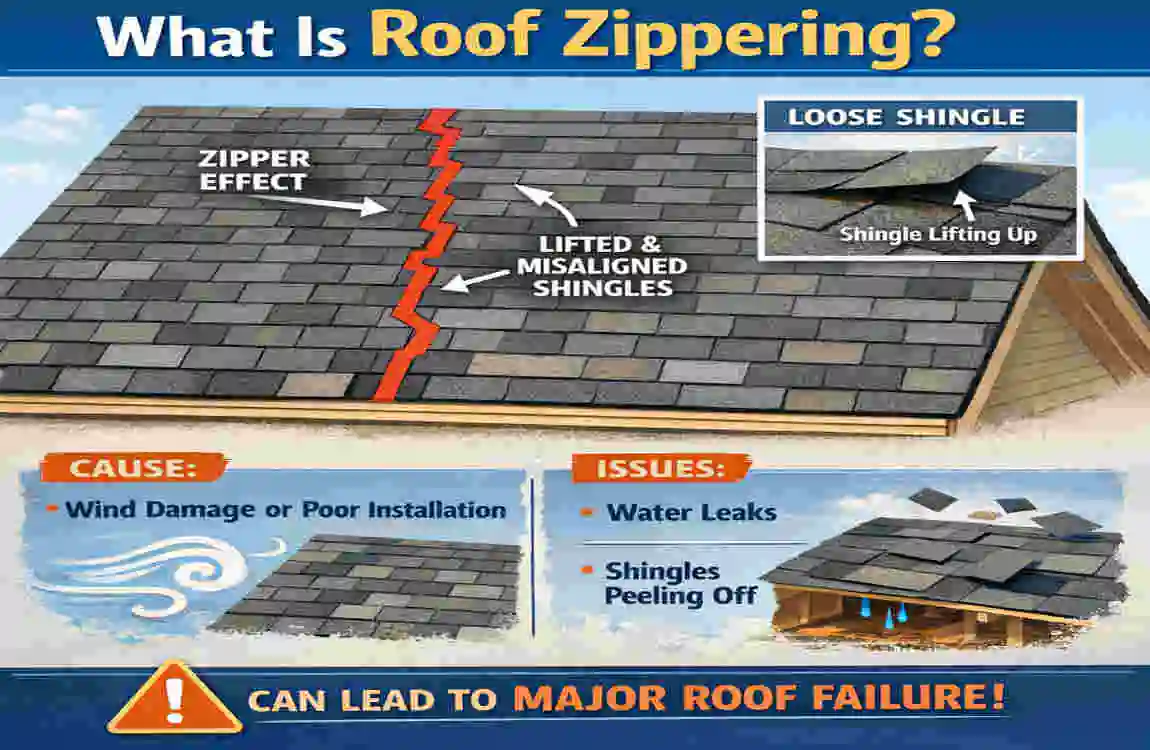
Zippering happens when this crucial adhesive bond fails along a specific line. Instead of a random shingle lifting here or there, entire diagonal or vertical columns of shingles detach from the ones below them. Because roofers install shingles in an overlapping, staggered pattern, this detachment creates a stair-step effect.
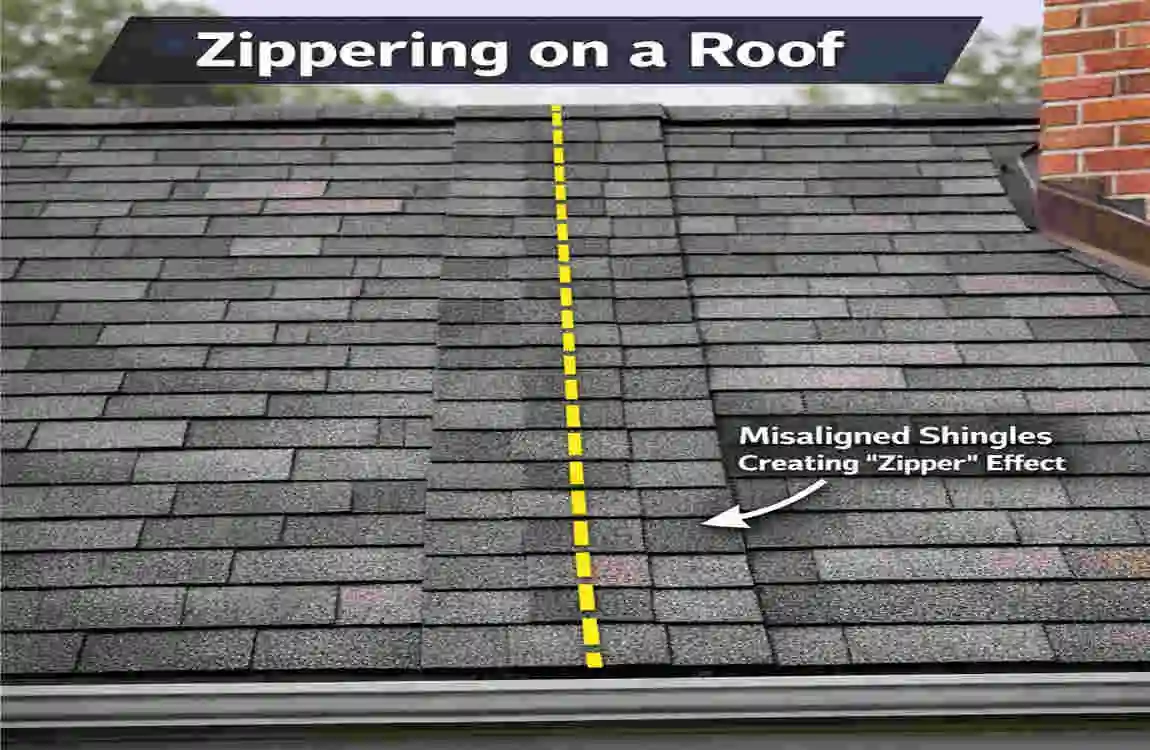
If you look at the roof from the ground, you will see a continuous, jagged line of lifted edges. It looks exactly like the teeth of a zipper pulling apart. You might notice unsealed tabs flapping slightly in the breeze or casting dark, uneven shadows along the seams of your roof when the sun hits them at an angle.
Wind Damage vs. Adhesive Failure
One of the biggest misconceptions in the housing world is that wind causes zippering. While high winds can certainly catch a loose shingle and tear it off, true zippering is actually a systemic adhesive failure.
When a severe storm rolls through, powerful wind gusts look for any weakness in your home’s exterior. If your shingles have already lost their adhesive bond, the wind will lift them. Homeowners often call their insurance companies after a storm, assuming the wind broke the shingles. In reality, the adhesive failed long ago, and the wind revealed the pre-existing problem.
In some cases, the factory adhesive actually holds too tightly. When the house naturally shifts or expands, the ultra-strong bond refuses to give way, causing the shingle mat itself to tear along the seam. This also creates that tell-tale zipper pattern.
Who is at Risk?
Almost all standard asphalt composition roofs can develop this issue over time. It is a natural consequence of aging materials, daily weather exposure, and specific installation techniques. Let’s look at a quick breakdown of what makes up this issue.
Zippering Feature Description
Pattern: Linear gaps, stair-step lifts, or tears resembling zipper teeth across the surface.
Common Materials: Traditional asphalt composition roofs, especially older or basic three-tab models.
Appearance: Curling shingle edges, uneven seams, and distinct dark shadow lines during the day.
Primary Causes
So, what exactly breaks that vital adhesive bond and causes your roof to unzip? The answers lie in a mix of environmental stress, the relentless march of time, and the methods used on the very first day your roof was built. Let’s break down the top triggers with evidence-based insights.
The Daily Grind of Thermal Cycling
The most common cause of adhesive failure is thermal cycling. Every single day, your roof endures a massive swing in temperatures. In the morning, the cool air keeps the materials contracted. By noon, the hot sun beats down on your house, causing the asphalt to heat up and expand significantly. When the sun sets, the materials cool down and shrink back to their original size.
This constant, daily expansion and contraction puts immense stress on the sealant strips holding everything together. Over months and years, this push-and-pull motion fatigues the adhesive. Eventually, the bond snaps, leaving the shingle loose and vulnerable to the zipper effect.
Installation Errors and Vertical Racking
How your contractors install your roof plays a massive role in its lifespan. A major cause of this zipper pattern is an improper installation technique known as vertical racking.
Proper roofing technique requires installers to lay shingles in a horizontal, staggered stair-step pattern across the width of the house. However, some contractors try to save time by installing shingles straight up the roof in vertical columns. When they do this, they have to bend the final shingle in each column to slide the next one underneath.
This bending often breaks the sealant strip before the sun even has a chance to melt it. It also places all the seams in a straight, vertical line. When thermal expansion hits a vertically racked roof, the weak points align perfectly, and the roof unzips right up the middle. Proper installation reduces the risk of this failure by more than 50%.
The March of Time and Weather Amplifiers
Age eventually defeats all building materials. Most standard asphalt roofs have a lifespan of 15 to 20 years. As they age, the shingles shed their protective granules. The asphalt base becomes dry, brittle, and stiff. When the materials lose their flexibility, they can no longer handle the daily thermal cycling, and the adhesive turns to dust.
Extreme weather also amplifies this process. Intense ultraviolet (UV) rays from the sun bake the protective oils right out of the asphalt. In climates with high heat and humidity, the constant moisture and intense sunlight accelerate the breakdown of the sealant’s chemical structure.
Here is a quick recap of the top causes:
- Thermal cycling: The daily heating and cooling expand and contract materials until the glue fails.
- Improper nailing and adhesive: Weak bonds from bad installation techniques, like vertical racking, set the stage for early failure.
- Material age: Older shingles shed their granules, become brittle, and lose their ability to bend with the house.
- Weather amplifiers: Harsh UV rays and high humidity bake the life out of factory sealants.
Early Warning Signs
You do not need to be a professional contractor to spot the early signs of roof trouble. In fact, you can identify most warning signs without ever setting foot on a ladder. Empower yourself to inspect your home from the ground safely. Catching these signs early is the key to preventing disastrous leaks.
The Ground-Level Binocular Check
The easiest way to check your home’s health is with a pair of standard bird-watching binoculars. Stand across the street or at the far end of your yard on a bright, sunny day. Scan the surface of your house slowly.
You are looking for distinct, straight-line lifts. Normal wear and tear usually appears randomly scattered across the surface. Zippering, however, looks highly organized. Look for columns where the corners of the shingles are curling upward. Pay close attention to the shadows. If you see a diagonal line of dark shadows that stands out from the rest of the surface, you are likely looking at unsealed tabs.
Gutters and Granules
Your gutters hold valuable clues about the health of your materials above. When asphalt degrades, and the adhesive bonds break, the shingles flex and rub against each other. This friction knocks the protective, sand-like granules off the surface.
The next time you clean your gutters or check them after a rainstorm, look at the sludge at the bottom. A small number of granules is normal. However, if you find heavy, thick piles of these granules piling up near your downspouts, your materials are deteriorating rapidly. This granule loss leaves bare asphalt exposed to the sun, accelerating the curling and lifting.
The Attic Warning
Sometimes the signs hide inside your house. To determine whether the exterior failure has compromised your home’s defenses, check the attic.
Take a bright flashlight into your attic during the day. Turn off the lights and look up at the wooden decking. Do you see any small pinholes of daylight shining through? If so, you have gaps in your exterior. Next, turn on your flashlight and scan the wood for dark stains, damp spots, or streaks of white or black mold. These signs mean water is already bypassing the lifted shingles and soaking into your home’s structure.
Here is a handy checklist you can use for your next home inspection:
SignCheck Method Urgency Level
Linear shingle lifts. Scan with binoculars from the ground. High – Needs professional evaluation soon.
Granule loss in gutters. Safely inspect gutters from a sturdy ladder. Medium – Indicates accelerating aging.
Attic leaks or damp spots: Scan the attic decking with a bright flashlight. Immediate – Water is inside; call a pro today.
Risks to Your House
Ignoring a zipper pattern on your roof is like ignoring a check engine light on your car. The problem will not fix itself, and the longer you wait, the more expensive the consequences become. Lifted shingles compromise the entire waterproof envelope of your house.
The Stealthy Threat of Water Intrusion
The most immediate and dangerous risk is water intrusion. Your roof relies on a flat, overlapping system to shed rain down to the gutters. When a line of shingles lifts, it acts like a scoop, catching wind-blown rain and funneling it directly beneath the materials.
Once water gets under the protective layer, it soaks into the felt underlayment and the wooden decking. This constant dampness creates the perfect breeding ground for toxic mold and mildew in your attic. As moisture accumulates, the wooden structural supports of your home will begin to rot. Rot eats away at the strength of your home, potentially leading to a sagging ceiling or a partial collapse. Fixing extensive wood rot and mold remediation can easily cost upwards of $10,000.
The Insurance Coverage Trap
Many homeowners mistakenly believe their home insurance will pay for a new roof if they spot lifted shingles. Unfortunately, the insurance world views zippering very differently than you do.
Insurance companies cover sudden, accidental damage—like a tree branch falling or a massive hail storm. Because zippering is primarily caused by thermal cycling, aging, or bad installation, insurance adjusters usually classify it as a maintenance issue or normal wear and tear. If you wait until the wind blows these already-loose shingles off your house, your insurance company might still deny the claim, stating the adhesive failed months or years before the storm arrived.
Energy Loss and Plummeting Property Value
Secondary issues also hit your wallet hard. When your roof loses its tight seal, your home loses its energy efficiency. During the scorching summer, your expensive air conditioning leaks out through the gaps in your attic. During the winter, the cozy heat escapes just as fast. You will watch your monthly utility bills creep higher and higher as your HVAC system works overtime to compensate for the poorly sealed home.
Furthermore, an unzipped, curling roof destroys your home’s curb appeal. If you plan to sell your house in the near future, home inspectors will flag the damage immediately. Buyers will demand steep discounts or require you to replace the entire system before they close the deal, reducing your overall property value.
Inspection & Diagnosis
If you suspect your home is suffering from this issue, you need to take action. Properly diagnosing the exact cause of the lifting dictates how you should fix it. You can do a lot of the initial legwork yourself, but you must know when to hand the job over to the experts.
Your Safe DIY Ground Inspection
Always begin with safety in mind. Never climb onto a steep, aging roof yourself, as loose materials create a severe slipping hazard. Start with the binocular ground view we discussed earlier. Walk the entire perimeter of your house. Take photos of any suspicious, straight-line gaps or curling edges.
If you own a consumer drone with a camera, use it! Fly the drone slowly over the surface of your house. The top-down view shows the exact layout of the damage. You can easily spot the difference between random wind damage and the organized, stair-step pattern of vertical racking failures.
When to Call in the Roofing Pros
If you spot lifted edges or find dampness in your attic, it is time to call a professional roofing contractor. A trained expert will safely climb a ladder and perform a tactile inspection. They will gently lift the edges of the shingles to test the adhesive bond’s strength. They know exactly how much resistance a healthy sealant strip should provide.
A good rule of thumb is the 10% rule. If more than 10% of a specific roof plane shows signs of adhesive failure or zippering, a simple patch job will no longer suffice. You need an expert to evaluate the structural integrity of the entire system.
Busting Diagnosis Myths
When the pros arrive, they will help you separate fact from fiction. One common myth is that zippering always means the installers did a terrible job. While vertical racking is a major culprit, it is not the only cause.
Sometimes, the manufacturing process varies. A specific batch of shingles might leave the factory with slightly less adhesive or a formulation that cures too quickly in the sun. A professional can help you determine if you have a valid warranty claim against the manufacturer for a defective product, or if the failure is simply the natural result of a decade of intense thermal cycling.
Repair Solutions
Once you confirm the diagnosis, you face a crucial decision: how do you fix it? The right solution depends entirely on the age of your materials, the extent of the damage, and your long-term plans for the property.
Quick Fixes for Minor Lifts
If your roof is relatively young and you only spot a small, isolated section of lifting, you can opt for a short-term repair. Roofing professionals can carefully lift the affected shingles and apply specialized, construction-grade roofing sealant underneath the tabs. They will press the materials back down, manually recreating the bond that the factory adhesive lost.
This minor fix is highly affordable. You can generally expect to pay around $500 for a reputable company to come out, inspect the area, and seal down the problem spots. However, keep in mind that this is a temporary band-aid. If thermal cycling caused the initial failure, the new sealant will eventually be subjected to the same intense stress.
The Long-Term Fix: Replacement and Staggering
If the zipper pattern runs all the way up your roof, or if the materials are older than 15 years, sealing them down is a waste of your money. The surrounding adhesive will fail next month. In these cases, you need a long-term solution: partial or full replacement.
If the damage is confined to one side of the house—perhaps the side that bakes in the afternoon sun—you might get away with a partial replacement. The crew will remove the damaged section and install new materials.
In the event of widespread failure, a full roof replacement is the only safe option. While a full replacement is a significant investment, often costing $10,000 or more depending on the size of your house, it guarantees the safety of your home’s structure. Most importantly, your new contractors will use proper, staggered installation methods, eliminating the vertical racking errors that caused the issue in the first place.
Budgeting and Eco-Friendly Options
When you budget for a replacement, view it as an opportunity to upgrade your home’s defenses. If you live in an area prone to harsh weather, ask your contractor about impact-resistant shingles.
These modern, eco-friendly options use modified asphalt that contains rubberizing polymers. This makes the shingle incredibly flexible. When thermal expansion occurs or a hailstorm strikes, the rubberized material bends and bounces back rather than snapping or tearing. While they cost a bit more upfront, they drastically reduce the chances of future adhesive failures and often qualify you for discounts on your homeowner’s insurance policy!
Prevention Strategies
They say an ounce of prevention is worth a pound of cure, and nowhere is that more true than in home maintenance. You can take proactive steps today to ensure you never have to look up and see a zipper pattern tearing across your home.
Hire the Right Installers
The most critical prevention strategy happens before a single nail goes into the wood. You must choose high-quality, certified installers. When you interview contractors, ask them directly about their installation methods. Say the words, “Do you use vertical racking?” If they say yes or try to defend the practice as a time-saver, walk away immediately.
Insist on contractors who follow the manufacturer’s exact specifications, which always include a staggered, horizontal installation pattern. Proper installation ensures the sealant strips align correctly and cure properly in the sun.
Prioritize Proper Ventilation
Heat is the enemy of your roofing adhesive. If your attic traps intense summer heat, it bakes your shingles from the inside out. This extreme heat rapidly degrades the sealant strips.
Ask a professional to evaluate your attic ventilation. You need a balanced system of intake vents (usually under your eaves) and exhaust vents (near the peak of your house). Proper airflow pushes the hot air out, keeping the decking cool and drastically extending the life of your adhesive bonds.
Modern Shingles Trends
As we move through 2026, severe storms and high-wind events are becoming more frequent. Roofing technology is advancing rapidly to meet these challenges. If you are replacing your system, look for modern, wind-rated architectural shingles. These heavy-duty options feature wider, more aggressive sealant strips designed specifically to resist thermal fatigue and extreme uplift.
Establish a strong maintenance routine to monitor your home’s health. Use this simple schedule to stay ahead of any problems:
Prevention Step Frequency Purpose
Ground visual check, Monthly: Spot curling or lifting edges early.
Gutter cleaning: Quarterly. Clear debris and check for excessive granule loss.
Attic flashlight check biannually. Ensure no hidden moisture or daylight is entering.
Professional Inspection Yearly Evaluate adhesive bonds and structural integrity safely.
FAQs
You still have a few lingering questions about this unique roofing phenomenon. Let’s address the most common questions homeowners have about this issue.
Is zippering considered wind damage?
Usually, no. This is the most common misunderstanding. While a strong gust of wind can certainly lift a loose shingle, the underlying cause of the zipper pattern is almost always adhesive failure. The sealant strip degraded due to age, thermal expansion, or poor installation long before the wind arrived. The wind exploited the existing weakness.
Will my homeowner’s insurance cover this?
In most cases, insurance companies will deny claims for zippering. They categorize it as a long-term maintenance issue or an installation defect rather than as sudden, accidental storm damage. However, if a severe storm physically tears the unsealed shingles completely off your house, you might have a case for partial coverage. Always consult your policy details.
How can I fix it cheaply?
If the damage is very minor and isolated, you can hire a professional to apply construction-grade roofing sealant under the lifted tabs. This manual sealing mimics the factory adhesive. However, remember that this is a temporary band-aid. If the materials are old and failing, a cheap sealant fix will not stop the rest of the roof from deteriorating.
Does a zipper pattern mean my roof will leak immediately?
Not necessarily immediately, but it is a ticking time bomb. The lifted edges create gaps that allow wind-driven rain to bypass the water-shedding surface. The longer you leave it exposed, the greater your risk of a severe leak during the next heavy rainstorm.