In 2026, Korean-style homes saw a 25% surge in global searches, riding the wave of K-drama popularity and the world’s growing love for Korean culture. If you’re curious about the charm behind these homes or thinking about investing, you’re in the right place.
What Defines a Korean-Style 3-Bedroom House?
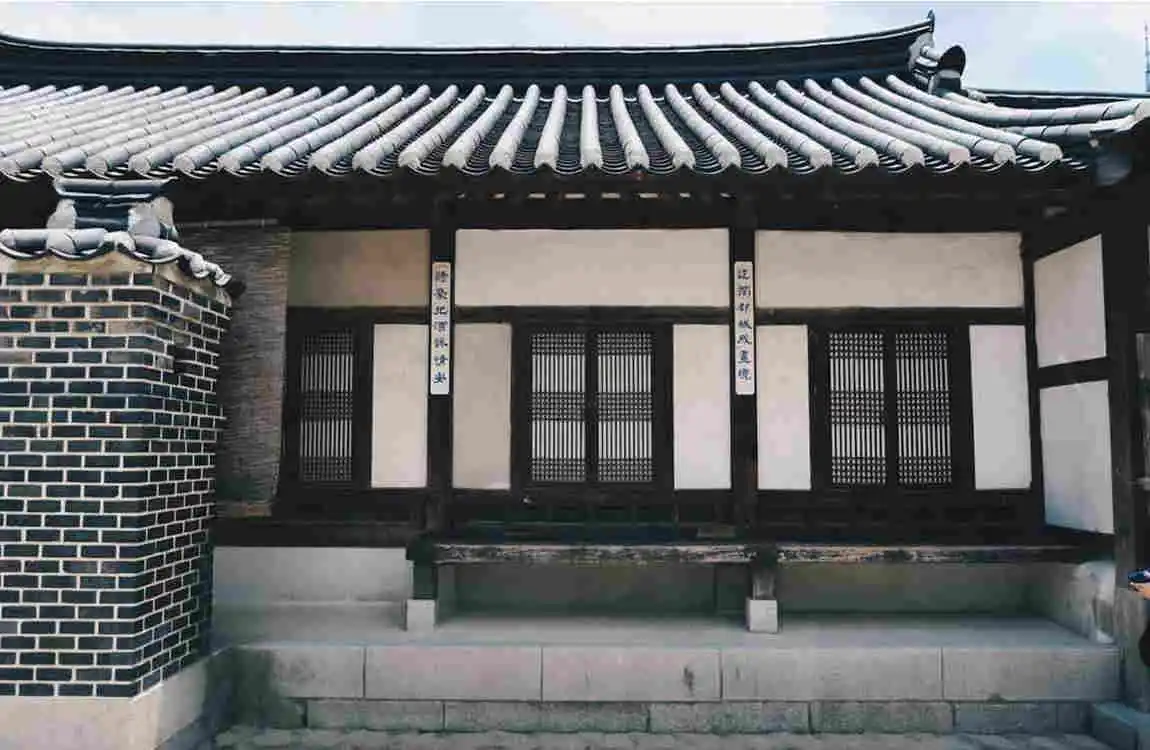
Understanding what makes a Korean-style home special is key—not just for appreciation but also for making smart buying decisions.
Layout and Size
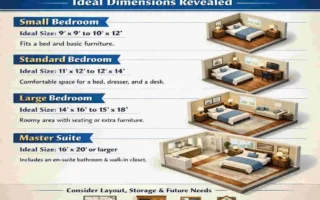
Most Korean-style 3-bedroom homes range from 80 to 120 square meters. The typical layout includes:
- Main bedroom: Around 12-15m², spacious enough for comfort.
- Two additional bedrooms: Ideal for kids, guests, or office space.
- Open-plan living and kitchen: Usually about 25m², emphasizing flow and communal space.
- Two bathrooms: Practical and modern.
This layout suits families while maintaining the Korean ideal of space efficiency.
Traditional Elements
The charm of Korean homes lies in their traditional features, many of which have been adapted for modern living:
- Ondol floors: A radiant floor heating system that keeps the home cozy during cold winters.
- Hanji paper walls: Breathable, natural paper walls that add warmth and texture.
- Engawa verandas: Covered wooden walkways connecting rooms to nature.
These elements create a warm, inviting atmosphere, deeply rooted in Korean heritage.
Modern Twists
Today’s Korean homes are not just about tradition—they smartly incorporate:
- Smart home technology: Automated lighting, security, and heating controls.
- Eco-friendly materials: Bamboo flooring, recycled wood, and low-VOC paints.
- Rooftop gardens: Green spaces for relaxation and sustainability.
Types of Korean-Style Homes
- Apartments: Make up about 80% of the market; compact and modern.
- Townhouses: Mid-sized, blend community and privacy.
- Detached hanok hybrids: Combine traditional hanok architecture with modern conveniences.
Feature Comparison Table
FeatureTraditional HanokModern Korean-Style
Size 60-90m² 85-120m²
Heating Ondol only Ondol + Air Conditioning
Cost per m² ₩8-12M ₩6-15M
Build Time 6-12 months , 3-6 months (modular construction possible)
Average Prices: How Much Is a 3 Bedroom House in Korean Style?
This is the heart of your question, and the numbers vary depending on many factors.
National Averages
Across South Korea, newly built 3-bedroom Korean-style homes typically cost between ₩800 million and ₩1.5 billion (around $600,000 to $1.1 million USD). These figures are based on 2025–2026 market data and reflect current trends.
What Influences Price?
- Size: Prices per square meter range from ₩7 million to ₩20 million.
- Age: New homes come at a Premium, often 20% higher than older properties.
- Finishes: Luxury materials and smart home installations can push prices up by 30%.
- Location: the city center vs. the suburbs has a huge impact on costs.
Currency Note
As of February 2026, the exchange rate is roughly ₩1,330 = $1 USD, helping international buyers gauge costs.
Price Ranges by Type
TypePrice Range (KRW)USD Equivalent
Budget Modular ₩300-600M $225K-$450K
Standard Apartment ₩600M-1.2B $450K-$900K
Luxury Hanok ₩1.5-3B+ $1.1M-$2.2M+
Regional Price Breakdown
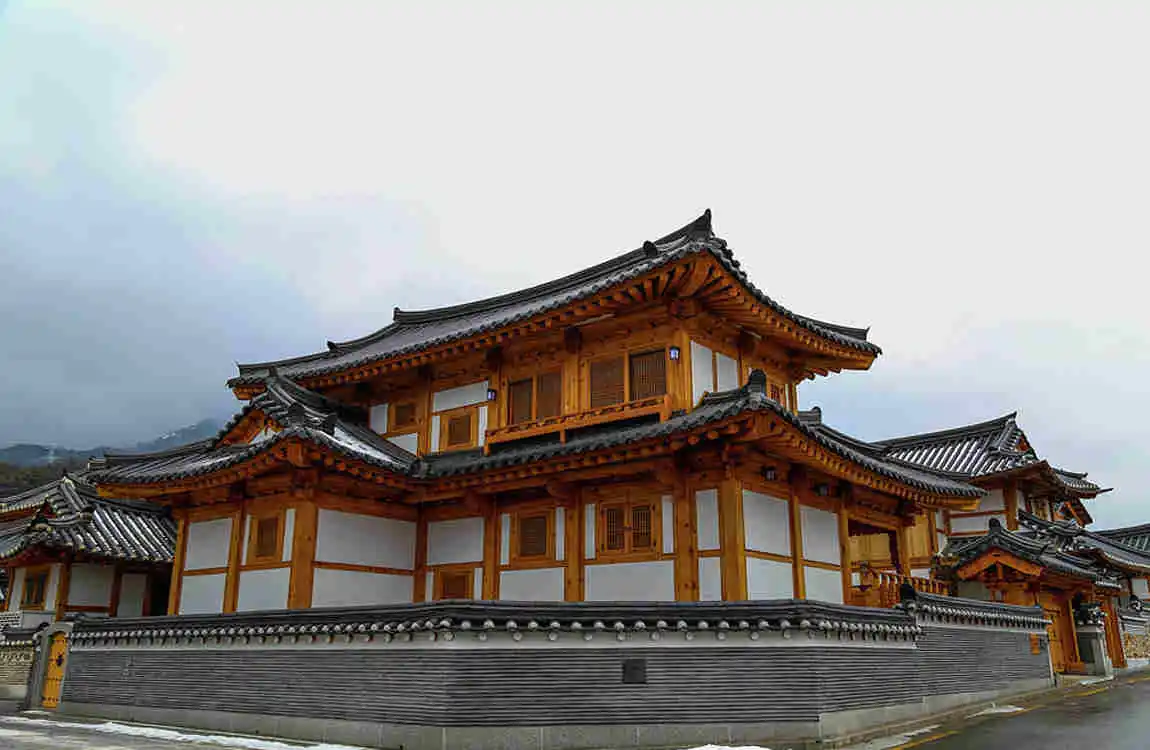
Where you buy can dramatically affect the price of a Korean-style 3-bedroom house. Let’s explore key areas.
Seoul Central (Gangnam)
- Price range: ₩1.3 billion to ₩2.5 billion ($950K to $1.8M)
- Luxury homes can cost more than ₩3 billion.
- Known for its prestige, excellent schools, and proximity to business hubs.
Seoul Suburbs and Outer Districts
- Price range: ₩600 million to ₩1.2 billion.
- Offers more affordable options while keeping access to city amenities.
Gyeonggi Province (Bundang, Suwon)
- Price range: ₩500 million to ₩1 billion.
- Popular with commuters thanks to excellent transport links to Seoul.
Busan (Haeundae)
- Price range: ₩700 million to ₩1.5 billion.
- Ocean views add value; the outskirts can be ₩400 million cheaper.
Other Cities (Daegu, Incheon)
- Price range: ₩300 million to ₩600 million.
- Rural homes can be even more affordable, around ₩200 million to ₩400 million.
Pro Tip
Use apps like KB Kookmin Bank or Zigbang to check live listings and compare prices.
Buying vs. Renting Costs
Deciding whether to buy or rent a Korean-style 3-bedroom house depends on your goals and budget.
Buying Costs
- Upfront deposit: Typically 10-20% of the purchase price.
- Loan interest rates: Around 3-4%.
- Taxes and fees: Approximately 1-3% of property value.
Renting Costs
- Seoul rent: ₩2.5 million to ₩6 million monthly ($1,900 to $4,500).
- Suburbs rent: ₩1.5 million to ₩2.5 million monthly.
- Jeonse system (key money deposit): A large upfront deposit (~₩100 million) with no monthly rent, popular in Korea.
ROI and Appreciation
Seoul property values appreciate at 8-12% annually, making buying a solid investment strategy.
Buy vs. Rent 5-Year Cost Comparison (Seoul Average)
OptionUpfront (KRW)Monthly Cost5-Year Total Cost
Buy ₩800M ₩3M ₩980M
Rent ₩100M jeonse ₩2M ₩220M
Construction and Customization Costs
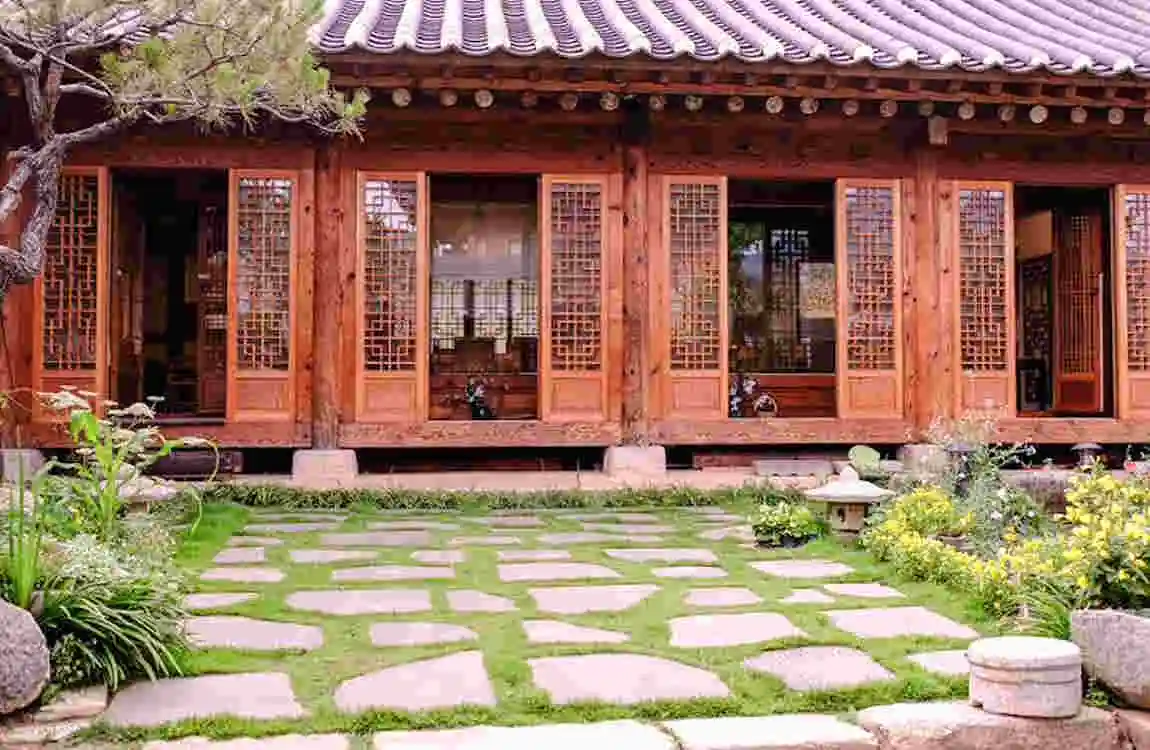
If you’re thinking about building a Korean-style home, either in Korea or abroad, here’s what to expect.
Modular Prefabricated Homes
- Cost: ₩400 million to ₩800 million ($300K to $600K).
- Build time: Around 3 months.
- Benefits: Faster, cost-effective, customizable.
Custom Hanok Builds
- Materials (wood and timber): Approximately ₩200 million.
- Labor: Around ₩300 million.
- Total: Can exceed ₩500 million depending on craftsmanship.
Popular Add-Ons
- Solar panels: Add about ₩50 million.
- Smart ondol heating systems: an extra ₩30 million.
Overseas Builds
- Expect 20-50% higher costs due to import fees and specialized labor.
Factors Influencing Prices in 2026
Economic Trends
- Post-2025 real estate boom with 5% inflation impacting construction and material costs.
Government Policies
- New rules easing foreign buyer restrictions.
- Green energy incentives can reduce costs by around 10%.
Market Trends
- K-wave popularity has increased demand by 30%.
- Sustainable hanok designs are on the rise.
Pros, Cons, and Investment Tips
Pros
- Energy efficiency: Ondol heating saves up to 20% on utilities.
- Cultural appeal: Unique design with growing global interest.
- Strong appreciation: Especially in Seoul and major cities.
Cons
- High population density: Can limit privacy in urban areas.
- Maintenance: Wood elements require regular care to avoid warping and damage.
Tips for Buyers
- Always budget at least 20% extra for unexpected costs.
- Hire a local real estate agent familiar with Korean-style homes.
- Check FGI (Fine Dust Index) scores to ensure healthy living environments.
FAQ Schema
Q: How much is a 3-bedroom house in Korean style in Seoul?
A: Prices range from ₩1 billion to ₩2.5 billion depending on the district and amenities.
Q: What is the cheapest Korean-style 3-bedroom house?
A: Rural areas offer homes around ₩300 million.
Q: Can foreigners buy Korean-style homes in Korea?
A: Yes, but some restrictions apply depending on location and property type.