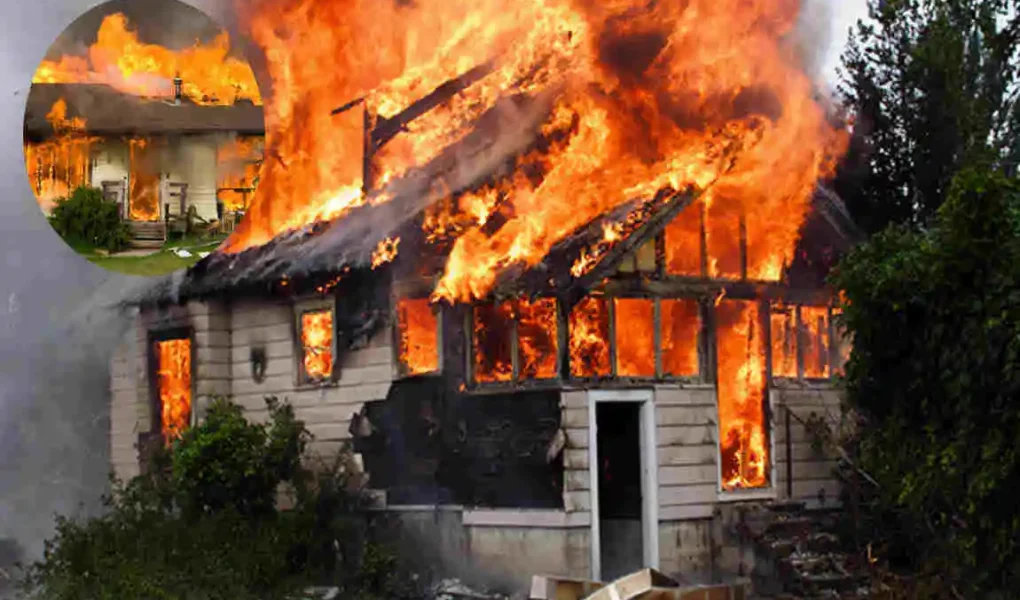
A house fire can start small—maybe from a forgotten pan on the stove or a faulty wire—but within minutes, it can turn into a raging inferno. What surprises most people is not just how fast a fire spreads, but how incredibly hot it becomes.
In simple terms, a house fire can reach temperatures from 300°F (150°C) in its early stages to over 2000°F (1093°C) during its most intense phase. That’s hotter than most ovens, hotter than many industrial machines, and more than enough to destroy nearly everything in its path.
How Hot Does a House Fire Get?
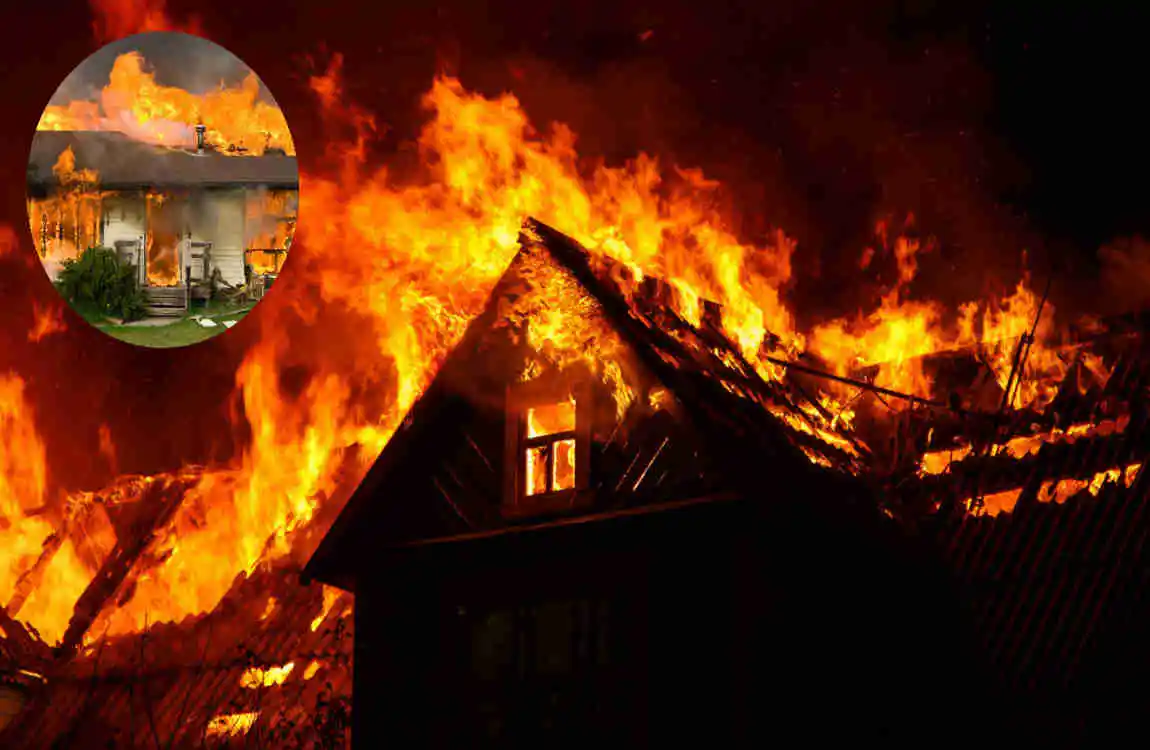
Average Temperature of a House Fire
To truly understand how hot a house fire gets, you need to look at the different stages of fire. A fire doesn’t stay at one temperature—it grows hotter as it spreads.
Here’s a simple breakdown:
Fire Stage Temperature (°F)Temperature (°C)
Early Stage 300–600°F 150–315°C
Growth Stage 600–1000°F 315–538°C
Fully Developed Fire 1100–1500°F 593–815°C
Flashover Up to 2000°F+ 1093°C+
To put this into perspective:
- A typical oven maxes out at around 500°F
- Boiling water is just 212°F
So yes, a house fire becomes extremely hot—far beyond what most people expect.
Temperature Differences by Room
Not all parts of a house burn the same way. The type of room and its materials play a huge role.
- Kitchen fires are often the hottest because of grease and oil. These can ignite quickly and burn intensely.
- Living rooms contain furniture made of foam and synthetic materials, which burn fast and release high heat.
- Bedrooms may seem safer, but modern mattresses and fabrics can burn hotter than traditional materials.
In short, modern homes often burn faster and hotter than older ones due to synthetic materials.
Ceiling vs Floor Temperature
Here’s something many people don’t realize: heat rises.
During a fire:
- The ceiling can reach temperatures 500°F hotter than the floor
- The air near the floor may still be survivable for a short time
This is why firefighters always say:
What Factors Affect How Hot a House Fire Gets?
Materials Burning
The materials inside your home have a huge impact on how hot a fire gets.
- Wood burns steadily but not as intensely
- Plastics and synthetics burn faster and produce much higher heat
- Modern furniture releases both heat and toxic gases
This is one reason newer homes can be more dangerous in a fire.
Oxygen Supply
Fire needs oxygen to survive. The more oxygen it gets, the hotter it burns.
- Open windows and doors can feed the fire
- Breaking windows can make flames grow suddenly
- Limited oxygen can create a dangerous situation called a backdraft
A backdraft happens when oxygen suddenly rushes into a fire-starved space, causing an explosion-like effect.
Size and Layout of the House
The design of your home also matters.
- Open floor plans allow fire to spread quickly
- Closed rooms may slow it down slightly
- Insulated homes can trap heat, making temperatures rise faster
So even your home’s layout can influence how hot a fire becomes.
Fire Duration
Time plays a major role.
The longer a fire burns:
- The more materials it consumes
- The hotter it becomes
- The more damage it causes
Even a small fire can turn deadly if not controlled quickly.
Stages of a House Fire and Their Temperatures
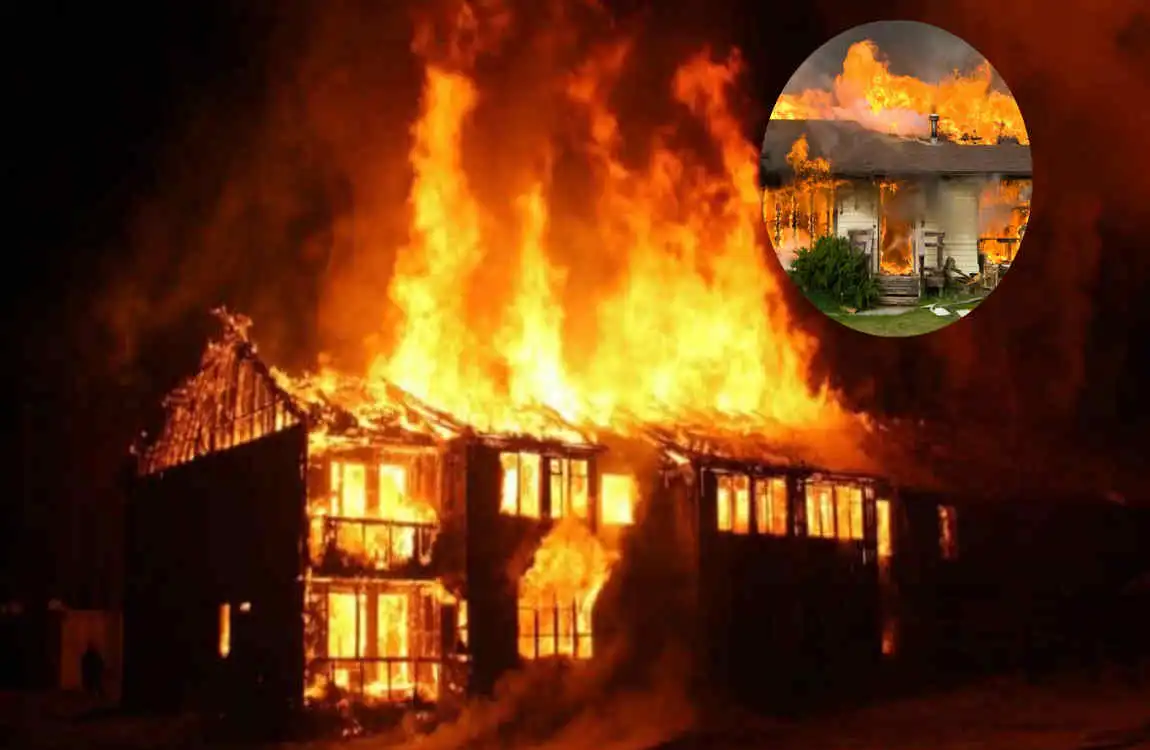
Understanding the stages of a fire helps you see how quickly things can escalate.
Ignition Stage
This is where the fire starts.
- A small flame appears
- Heat is still limited
- Temperature: around 300°F
At this stage, the fire is often still controllable.
Growth Stage
Now the fire begins to spread.
- Flames grow larger
- Heat increases rapidly
- Temperature can exceed 1000°F
This stage is extremely dangerous because it can escalate quickly.
Flashover (Critical Point)
This is the most dangerous moment in a fire.
- Everything in the room ignites at once
- Temperatures reach 1500°F to 2000°F
- Survival becomes nearly impossible
A flashover can occur in just a few minutes.
Fully Developed Fire
At this stage:
- The fire is at its peak
- All combustible materials are burning
- Structural damage begins
This is when buildings often start to collapse.
Decay Stage
Eventually, the fire begins to slow down.
- Oxygen becomes limited
- Flames may reduce
- However, danger remains
A backdraft can occur if oxygen suddenly re-enters the space.
What Is Flashover and Why Is It So Dangerous?
Flashover is one of the most terrifying aspects of a house fire.
It happens when:
- Heat builds up in a room
- All surfaces reach ignition temperature
- Everything bursts into flames at once
This usually occurs around 1100°F or higher.
Signs of Flashover
- Thick, dark smoke
- Sudden rise in heat
- Flames rolling across the ceiling
Once flashover happens, escape becomes extremely difficult.
That’s why early detection and quick action are critical.
How Fast Does a House Fire Spread?
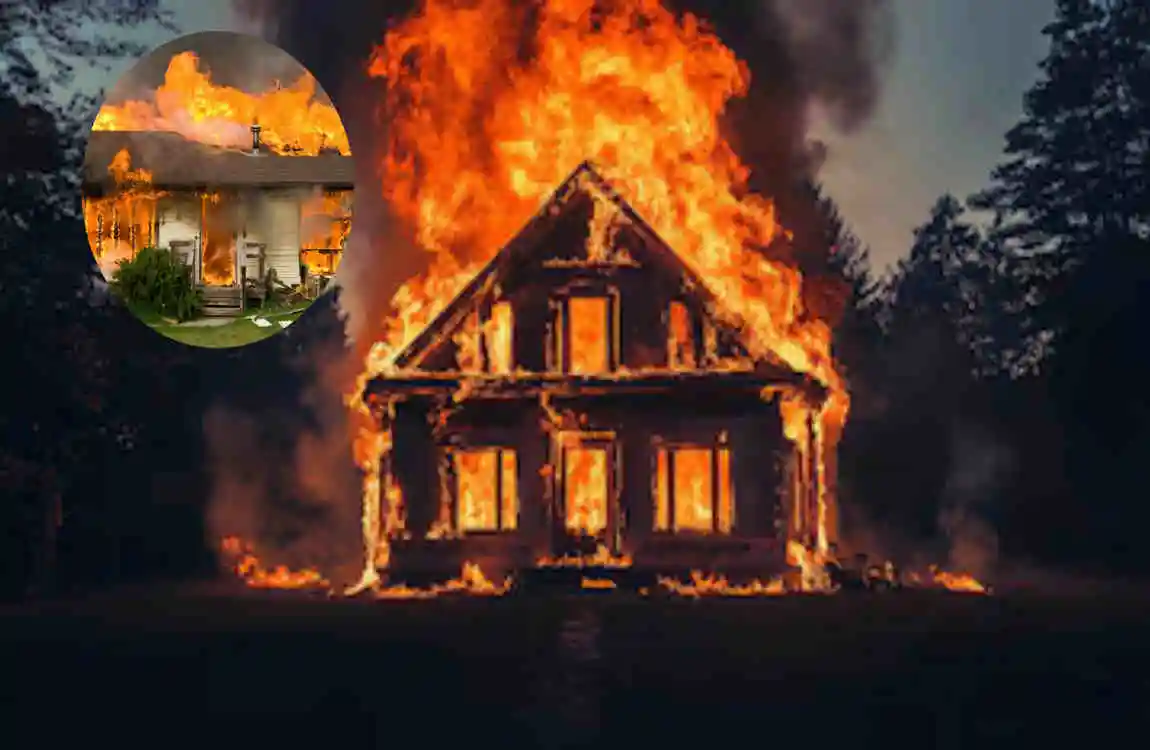
House fires spread much faster than most people think.
- A fire can double in size every 30–60 seconds
- Within 2–5 minutes, a room can be fully engulfed
Modern homes burn even faster due to synthetic materials.
This means you often have only a few minutes to escape safely.
And as the fire spreads, the temperature rises rapidly, making conditions more dangerous with each passing second.
Dangers of High Temperatures in House Fires
Human Survival Limits
The human body is not built to handle extreme heat.
- At 118°F, prolonged exposure can cause burns
- At 160°F, burns can happen instantly
In a house fire, temperatures far exceed these levels.
Breathing in hot air can also severely damage your lungs.
Structural Damage
High temperatures weaken buildings.
- Wood ignites at around 300°F
- Steel loses strength at about 1100°F
This is why structures can collapse during fires.
Toxic Smoke
Smoke is just as dangerous as flames.
It contains:
- Carbon monoxide
- Toxic gases from burning plastics
Many fire-related deaths are caused by smoke inhalation, not burns.
Visibility Loss
Thick smoke reduces visibility.
- You may not see exits
- You can become disoriented quickly
This escapes much harder.
Comparison: House Fire vs Other Heat Sources
Let’s compare a house fire with common heat sources:
Heat Source Temperature (°F)
Boiling Water 212°F
Oven 350–500°F
Campfire 900–1500°F
Candle Flame ~1800°F
House Fire Up to 2000°F+
This comparison helps you clearly see just how extreme a house fire really is.
Real-Life Examples of House Fire Temperatures
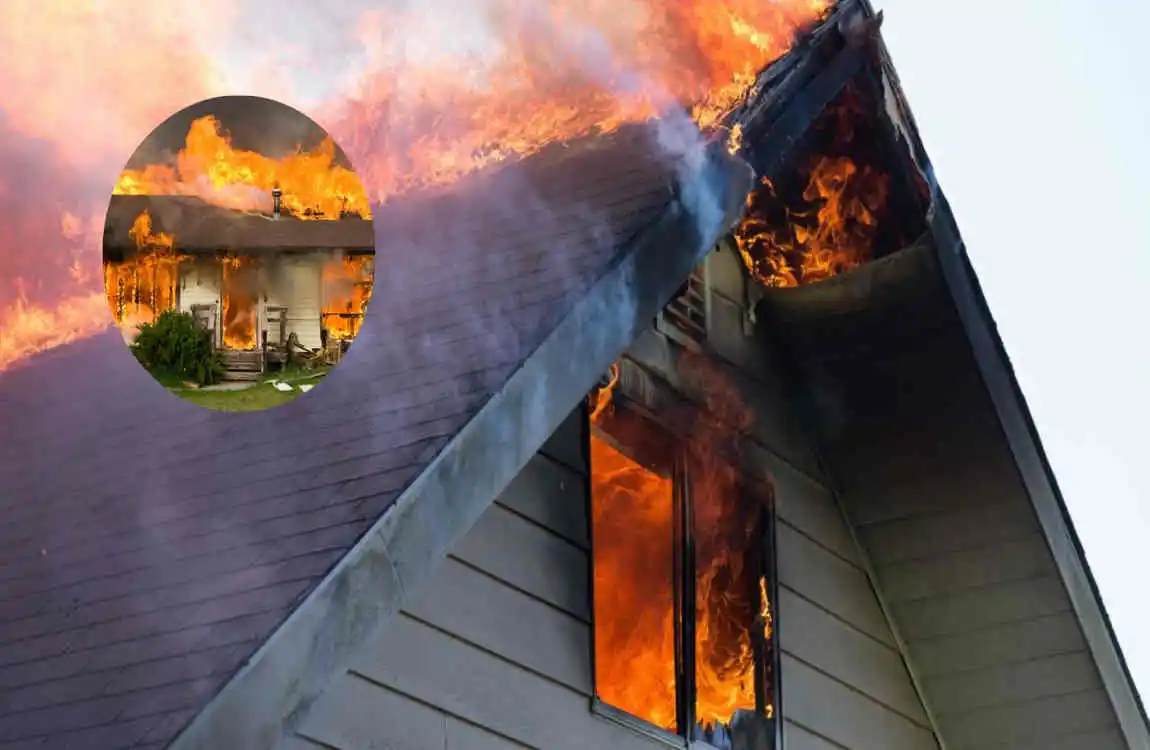
Fire departments often report that:
- Rooms can reach over 1000°F within minutes
- Flashover can happen faster in modern homes
In many cases, by the time firefighters arrive, temperatures are already at dangerous levels.
This shows why early escape is so important.
Fire Safety Tips to Protect Your Home
Protecting your home starts with simple steps.
Essential Fire Safety Tips
- Install smoke alarms on every level
- Test alarms every month
- Keep fire extinguishers in key areas
- Avoid overloading electrical outlets
- Never leave cooking unattended
Create a Fire Escape Plan
Make sure everyone in your home knows what to do.
- Plan two exits per room
- Practice escape drills regularly
- Choose a safe meeting point outside
Preparation can make all the difference.
Use Fire Extinguishers Properly
Remember the PASS method:
- Pull the pin
- Aim at the base
- Squeeze the handle
- Sweep side to side
Knowing this can help you stop a small fire before it grows.
What to Do If a House Fire Starts
If a fire starts, act quickly.
- Stay low to avoid heat and smoke
- Check doors before opening them
- Leave immediately if it’s hot
- Call emergency services as soon as you’re safe
FAQs About House Fire Temperatures
How hot does a house fire get in Celsius?
A house fire can reach temperatures between 150°C and over 1000°C, depending on the stage.
How hot does a house fire get at its peak?
At its peak, a house fire can exceed 2000°F (1093°C) during flashover.
Can you survive the temperature of a house fire?
Survival depends on timing and location. Staying low and escaping early greatly increases your chances.
What is the hottest part of a house fire?
The hottest area is usually near the ceiling, where heat accumulates.
How long does it take for a house fire to reach 1000 degrees?
In many cases, it can happen in just a few minutes, especially in modern homes.